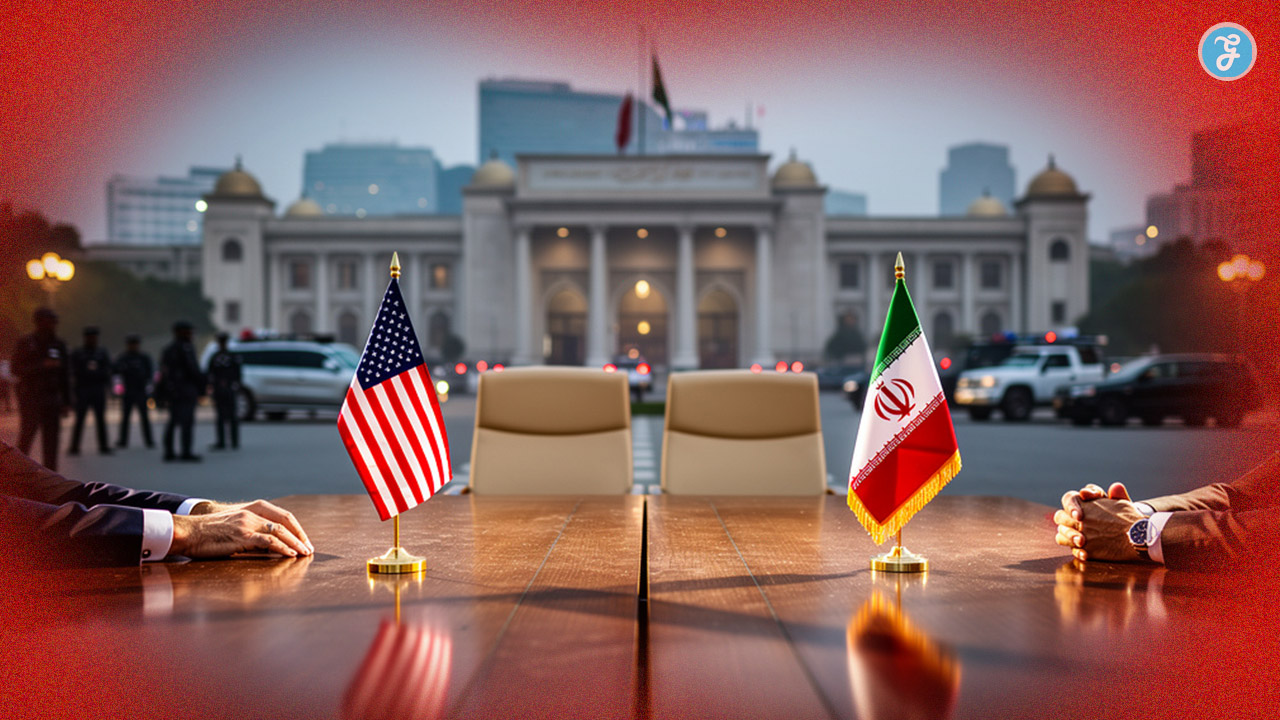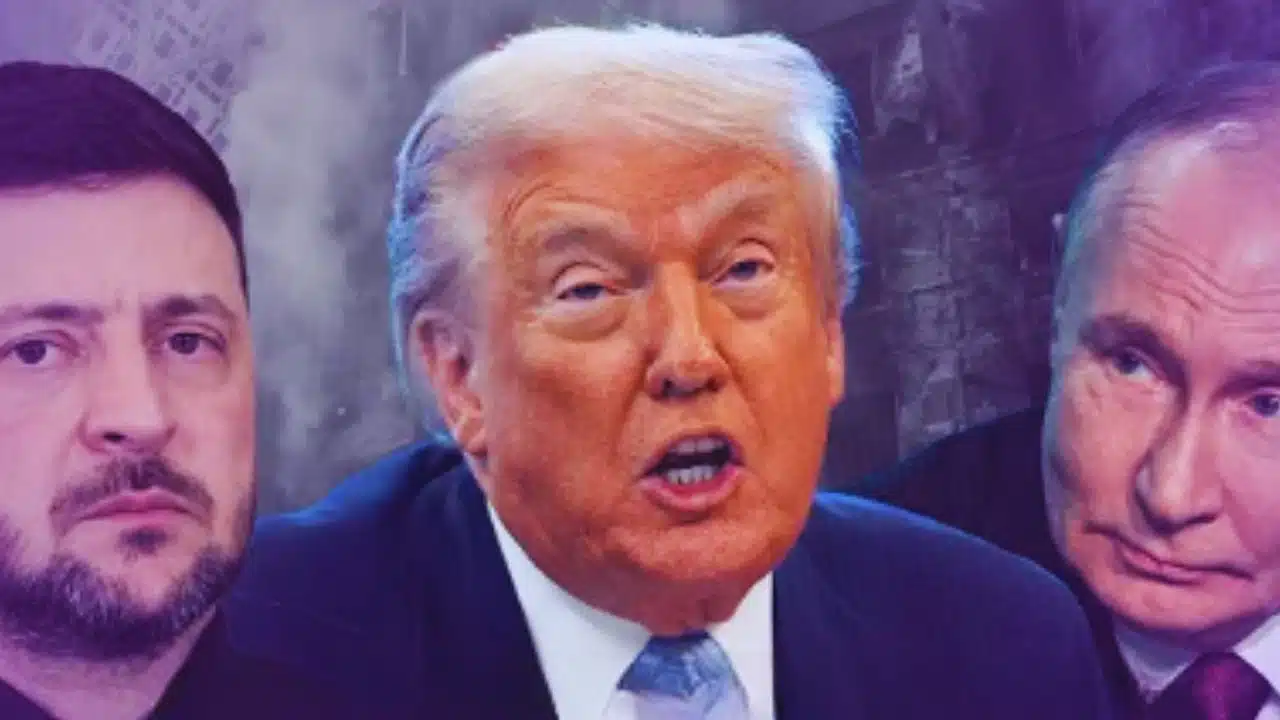
The Trump administration has crafted a sweeping 28-point peace proposal that aims to end the war in Ukraine by making major territorial concessions to Russia while offering Ukraine a U.S.-led security guarantee. The plan, which has circulated among U.S., Ukrainian, and European officials, represents the most detailed diplomatic push yet by Washington to halt the deadliest European conflict since World War II. It has not been formally accepted by Kyiv or Moscow, and its terms raise significant questions about sovereignty, security, and long-term stability in Eastern Europe.
According to the proposal, Russia would gain internationally recognized control of the entire Donbas region — including the areas still held by Ukrainian forces — marking a significant shift in territorial boundaries that have been fought over since the full-scale invasion began in 2022. In exchange, Ukraine would receive a promise of American protection if Russia ever launched another attack. However, many details of that guarantee remain undefined, leaving analysts and Ukrainian officials unsure of what real deterrence it would provide.
The plan, reported earlier by multiple news outlets and confirmed by U.S. officials involved in the talks, also imposes strict limits on Ukraine’s future military capacity. These limits appear designed to reassure Moscow that Ukraine will not emerge from the conflict with expanded combat strength or deeper Western military integration. At the same time, Ukraine would be required to hold national elections within 100 days of signing the agreement — a timeline some observers say would be extremely difficult given the ongoing displacement of millions of citizens and continuing insecurity in several regions.
Ukrainian President Volodymyr Zelenskyy has not publicly endorsed the proposal. In a cautiously worded statement, his office emphasized that Ukraine welcomes “any substantive proposals capable of bringing genuine peace closer,” and that the government remains open to constructive negotiations. However, they stopped short of expressing support for the plan itself. Behind the scenes, discussions reportedly involved Rustem Umerov, Ukraine’s defense minister, who has played a central role in recent diplomatic contacts.
The territorial component of the plan grants Russia one of its primary strategic goals: full recognition of its authority over Donetsk and Luhansk, collectively known as the Donbas. The Ukrainian-controlled sector of Donetsk would be transformed into a demilitarized buffer zone that formally becomes part of the Russian Federation. Under the terms, Russian troops would not be allowed to enter this buffer zone, but Ukrainian forces would have to withdraw completely. The arrangement would create a new dividing line that effectively expands Russia’s borders deeper into Ukraine.
Battle lines in other regions — particularly around Kherson and Zaporizhzhia — would also be frozen where they currently stand. This would preserve Russia’s hold over critical territory connecting mainland Russia to Crimea, including key transportation routes and energy assets. For Ukraine, it would mean formally accepting substantial territorial losses, a politically and emotionally fraught prospect.
The economic elements of the U.S. plan also introduce significant complexity. Roughly $100 billion in frozen Russian assets would be redirected toward rebuilding Ukrainian infrastructure, cities, and damaged civilian systems. The United States, under the proposal, would receive 50 percent of the profits generated by the management or investment of these funds — though the details of how profits would be generated remain unclear. The plan also assumes an additional $100 billion contribution from Europe, but it does not specify whether this refers to the European Union, individual nations, or another coalition. European leaders have not publicly backed the plan, and several governments — including those traditionally supportive of Ukraine — may resist a settlement that rewards Russia with large territorial gains.
One notable humanitarian requirement in the proposal is the return of all detained civilians, including thousands of Ukrainian children taken to Russia or Russian-occupied territory since the invasion. International investigators and human-rights bodies have accused Russia of illegally deporting these children, and their return has been one of Ukraine’s longstanding demands in any negotiation.
The plan permits Ukraine to pursue membership in the European Union, a long-term aspiration for Kyiv and a critical component of its strategic western alignment. However, the text does not endorse NATO membership, and it appears to implicitly restrict NATO troop presence in Ukraine under the new security framework. Instead, the United States would issue a direct guarantee promising a “decisive, coordinated military response” if Russia violated the agreement. The absence of clarity about what military measures the U.S. would take — and how quickly — raises concerns among security analysts who warn that vague commitments have historically failed to deter aggression.
The White House, echoing President Trump’s long-stated promise to end the war quickly, defended the proposal as a realistic approach rooted in the battlefield situation and the political fatigue surrounding the conflict. A statement from Press Secretary Karoline Leavitt described the plan as a “win-win scenario” designed to provide security for Ukraine, stability for Europe, and a pathway for Russia to reintegrate into the global economy. She emphasized that the plan was created with the intention of ensuring lasting peace and economic recovery in the region.
Despite these assurances, critics argue that the proposal risks legitimizing territorial conquest and setting a dangerous precedent for other conflicts. Many Ukrainian officials and citizens strongly oppose giving up any territory, especially regions where thousands of soldiers and civilians have died fighting off Russian advances. Moreover, elections within 100 days of a deal, coupled with strict military constraints, could significantly weaken the Ukrainian government’s leverage and stability at a crucial moment of transition.
The long-term consequences of such an agreement remain uncertain. If Ukraine accepts, it would be embracing a painful compromise that changes its borders and military posture for years. If it rejects the proposal, the war is likely to continue, with heavy casualties, ongoing displacement, and significant economic decline. Whether the plan represents a realistic path to peace or an unbalanced deal favoring Moscow will depend on how negotiations evolve — and on whether both sides believe the agreement can offer lasting security rather than a temporary pause before renewed conflict.