
Are your energy bills rising, even when you shut doors, and tweak your thermostat? Many homes leak heat like a sieve. Old air conditioners waste power, and your wallet feels it. Passive house design fights waste with an airtight building envelope, thermal insulation, and heat pump systems.
Passive houses can use 75 to 95 percent less energy than a regular home.
We list five top passive house builders in California, New York, and Texas. You will see how they use triple-glazed windows, energy recovery ventilation, and solar energy. You will learn who can cut your carbon footprint, boost indoor air quality, and deliver net zero energy homes.
Read on.
Key Takeaways
- Passive houses use 75 to 95 percent less energy than regular homes by sealing walls, adding R-60 insulation, fitting triple-pane windows, installing heat pumps, and powering solar panels.
- BPC Green Builders and Carmel Building & Design in California wrap homes in thick insulation, seal every seam, run blower door and PHPP tests, add sunshades, and earn net-zero energy certification.
- The Cornell Tech team built the world’s largest passive house in New York; Sendero Verde mixes homes and retail. Both use superinsulation, cut thermal bridges, and fit energy-recovery ventilators under Phius standards.
- In Texas, Passive House Builders Texas and Build Native install R-60 walls, energy-recovery systems, geothermal loops, solar arrays, and heat-storage layers to meet net-zero goals and local codes.
Top Passive House Builders in California
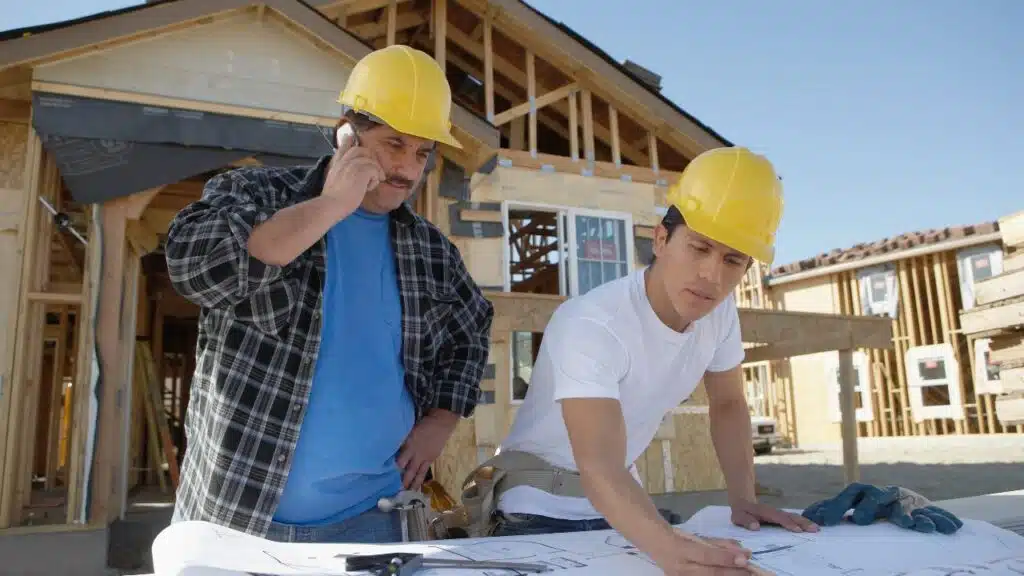
California builders slash utility bills by using airtight building envelopes, sun power arrays and high-performance panes. They run PHPP checks and blower door tests to stamp out thermal bridges and chase net zero energy status.
BPC Green Builders
BPC Green Builders fuses holistic passive house design with local climate smarts. Teams wrap homes in thick thermal insulation, install triple-glazed windows, and seal leaks across the entire airtight building envelope.
They model internal heat from kitchens and people, cutting HVAC loads. Operators tilt solar shields on south walls to snag winter sun and block summer glare.
Balanced ventilation with heat and moisture recovery keeps fresh air flowing, it cuts mold risk and boosts indoor air quality. They pick heat pumps, HVAC systems and solar energy setups to slash energy bills.
Builders add advanced moisture control, and vapor management systems guard walls against damp. Architects, engineers and energy modelers work side by side on new construction and major renovations for net zero energy performance.
Carmel Building & Design
Carmel Building & Design crafts high-performance homes in California, focusing on energy efficiency and targeting net-zero energy performance. Each house is wrapped in superinsulation and every seam is sealed to create an airtight building envelope.
Triple-glazed, low-emissivity units retain winter warmth while cutting solar heat gain in summer.
They install sunshades and daylighting strategies to capture winter sunlight and reduce cooling demands. They regulate indoor humidity with a custom mechanical ventilation system, using heat recovery ventilators for fresh air.
They engage Phius for third-party audits to ensure projects meet strict passive house standards. They adapt to diverse climate zones—from foggy coasts to hot valleys—and surpass California Title 24 energy efficiency requirements.
Clients often text, “Our home feels like a hug in winter, a breeze in summer,” and celebrate the real energy savings.
Top Passive House Builders in New York
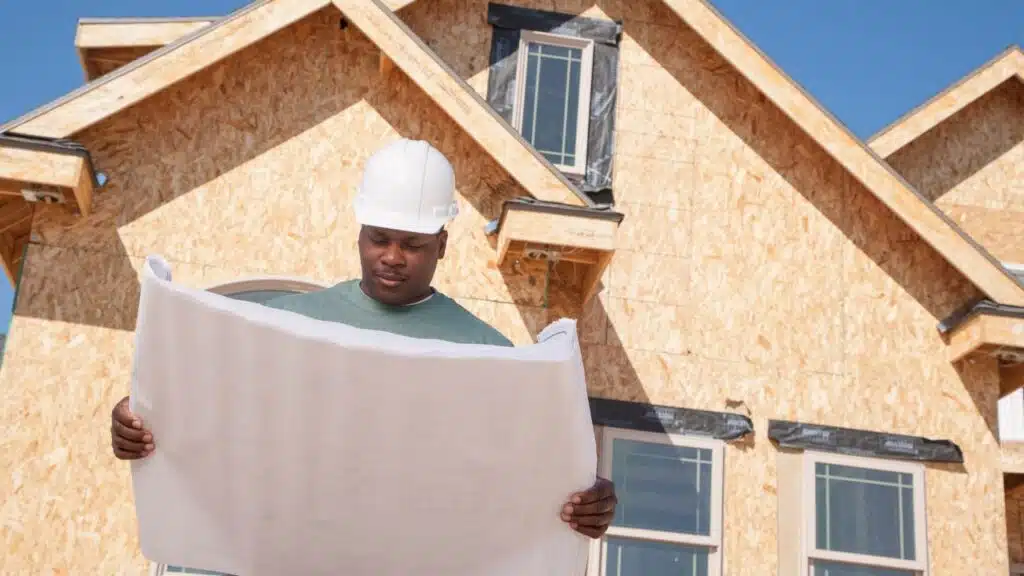
New York teams mold airtight shells and triple-layer glass for top thermal comfort. Keep reading to meet local crews that use solar panels and ground heat pumps to slash energy bills.
The House at Cornell Tech Construction Team
Engineers at Cornell Tech built the world’s largest passive house certified residential building. Workers applied superinsulation and airtight construction to seal every corner, locking in warmth and cutting drafts.
Experts ran blower door diagnostics and used thermal imaging cameras to catch leaks, boosting quality control. The crew installed energy recovery ventilation systems that swap heat and humidity between exhaust and fresh air, slicing heating and cooling needs.
The project uses continuous, filtered air circulation to curb mold and improve indoor air quality, enhancing occupant health. Staff teamed with certified Passive House consultants and energy modelers, and passed strict third-party quality checks to earn certification.
It consumes seventy-five to ninety-five percent less energy than similar buildings, boosting energy efficiency and driving net zero goals.
Sendero Verde Development Group
Sendero Verde stands as a large-scale mixed-use green building in New York. The project follows Passive House standards with residential, commercial, and community spaces. The design uses thermal bridge elimination to block mold, and triple-glazed windows to boost comfort.
Teams of Phius Certified Professionals oversee energy efficiency and airtight building envelope quality.
High-performance glazing controls solar heat gain and orientation for winter warmth. Balanced mechanical ventilation delivers fresh air and top indoor air quality. Advanced shading and daylighting strategies cut summer heat and lower cooling load.
Moisture and vapor control keeps materials strong for years. This sustainable building draws on solar energy and aims for carbon neutral operation with renewable energy sources.
Top Passive House Builders in Texas
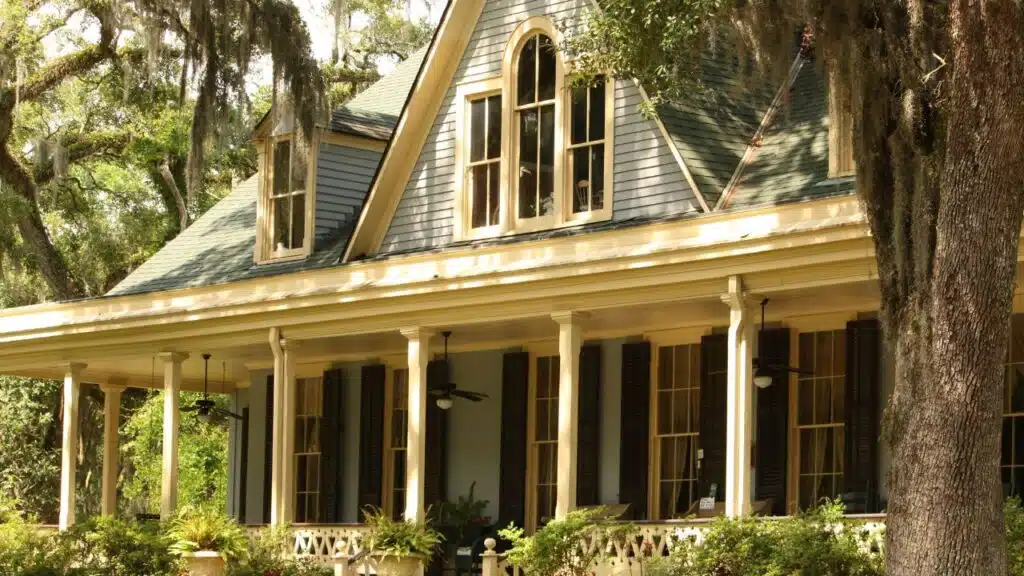
Texas builders merge thermal insulation with airtight envelopes, they tap geothermal systems and solar panels to slash energy use. They craft modular dwellings for net zero energy, and tune airflow for cozy, eco-friendly homes—teaching each house to sip power, not guzzle it.
Passive House Builders Texas
Passive House Builders Texas crafts passive house projects with top energy efficiency in mind. The team installs R-60 thermal insulation and airtight building envelopes to lock in cool air.
They add energy recovery ventilation systems to cut power bills and boost indoor air quality. Their consultants run energy models and simulation tools to meet net zero energy goals.
They mix passive solar heating with triple-glazed, south-facing windows for comfort.
Their portfolio spans single-family homes and larger residential builds. The crew handles Texas heat and humidity without breaking a sweat. Clients get access to project galleries, blower door test data, and references.
Hands-on walkthroughs show airtight seals and solar panels in action. This builder makes green living feel simple.
Build Native
Build Native applies passive house tactics and heat storage layers in walls and floors to soak up sunlight and warm homes for free. The crew picks high-performance glazing and big overhangs to block harsh rays in summer.
They run blower door tests, tune heat recovery ventilators to keep humidity in check. Every home beats local energy codes and fends off mildew with an airtight building envelope and fresh air systems.
They build new homes and major renovations to boost affordable housing in Texas towns. They reuse beams and boards to cut waste and costs. The team leans on Passive House Institute US standards for lasting, sealed structures that score top energy efficiency and indoor air quality.
Owners get triple-pane windows, thick insulation, and mild heating or air conditioning for net zero energy. Each project delivers energy-efficient homes with solar panels and renewables to trim bills.
Takeaways
Passive house experts deliver big energy savings. They seal each wall with an airtight building envelope. They fit triple-glazed windows and thick thermal insulation. They tap solar energy on your roof like sun ninjas.
Pick a team in California, New York, or Texas, and relax in pure comfort.
FAQs
1. What makes a passive house stand out?
Passive homes cut heat loss with thick thermal insulation, triple-glazed windows, and sealed walls. They seal out drafts and block thermal bridging. It feels like a hot mug in your hand. These steps bring big energy savings and net zero energy.
2. How do top builders in California, New York, and Texas lower bills?
In California, New York, and Texas, top builders add solar energy panels and efficient heating and air conditioning. They use smart heating and cooling systems that sip power. They pick water heaters made to save waste heat. This mix cuts energy use and trims your bills.
3. Can modular or prefab homes meet passive standards?
Yes, modular homes and prefab homes now use sustainable technology and an airtight building envelope. Builders craft panels off-site, then ship them like big puzzle pieces. This method cuts waste and cost. You get affordable housing and quick build times.
4. What perks does the inflation reduction act offer for passive homes?
The inflation reduction act gives tax credits for energy-efficient homes. You can claim credits for solar energy, new windows, and heat pumps. Your state energy board may add rebates for net zero buildings. These perks cut your upfront cost.
5. How do these homes keep indoor air clean?
Top builders add fresh air vents to boost indoor air quality. They seal leaks with an airtight building envelope. They add filters to clean dust and pollen. They use passive daylighting to cut lamp use and raise thermal comfort.
6. Will a passive home shrink my carbon footprint?
Passive housing slashes carbon emissions by cutting energy needs. It taps clean energy and trims waste, so you use less from the local power grid. This step fights climate change one home at a time. It brings real energy conservation.