

Struggling to make sense of tarot card meanings, the major arcana, or different tarot decks? Most beginner guides are based on the Rider Waite Smith system, which makes learning easier for new readers.
This blog highlights five of the best beginner-friendly books to help you with symbolism in tarot and intuitive tarot reading. Find your next favorite guide below!
Key Takeaways
- Rachel Pollack’s “Seventy-Eight Degrees of Wisdom” covers each tarot card in detail, with five to six pages for major arcana cards. It uses real examples from famous decks like Rider Waite Smith and Morgan Greer Tarot. First published in 1980 and updated in 1997, it is great for deep learning.
- Mary Greer’s “Tarot for Yourself” helps beginners learn by doing simple exercises and tarot spreads such as the Celtic Cross. The 2019 edition adds more activities that make learning fun alone or with friends.
- Liz Dean’s “The Ultimate Guide to Tarot” offers clear pictures, easy words, and step-by-step lessons. It teaches both major and minor arcana using decks like Morgan Greer Tarot and Thoth Tarot. The book connects symbols to zodiac signs and numbers.
- Melissa Cynova’s “Kitchen Table Tarot” uses humor to teach basic ideas about tarot reading fast. Many readers can start reading cards within just two weeks using this guide.
- Mary Greer’s “21 Ways to Read a Tarot Card” shows how you can use intuition instead of memorizing rules. It gives many ways to practice readings so beginners grow confident with both minor arcana and major arcana cards.
What makes “Seventy-Eight Degrees of Wisdom” a great tarot guide?
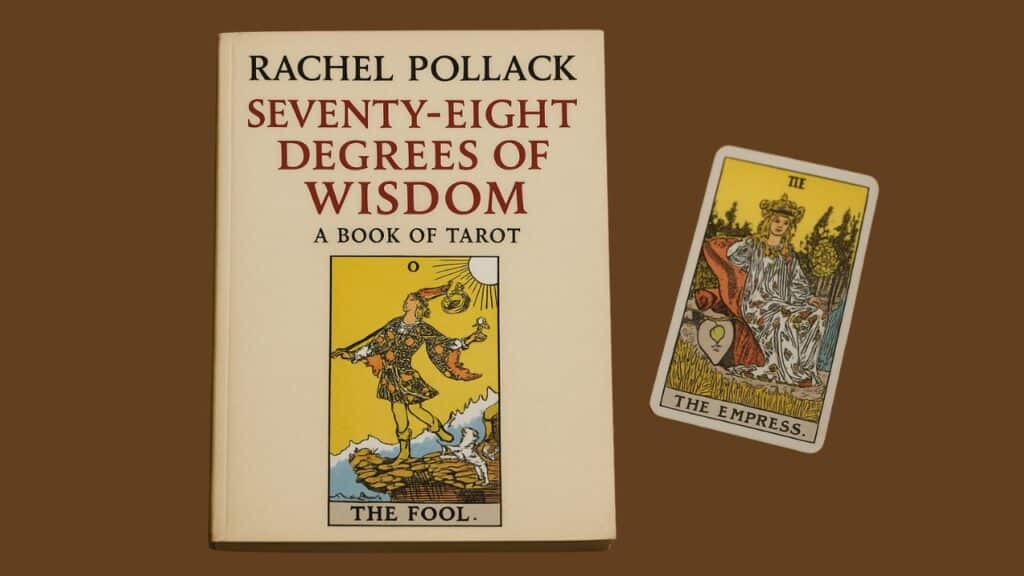
Rachel Pollack’s “Seventy-Eight Degrees of Wisdom” packs a punch for tarot beginners. First published in 1980 and later updated in 1997, this guidebook stands tall with nearly 350 pages.
Each major arcana card, like The Fool or The Magician Card, gets five to six full pages of coverage. That means you get real depth without feeling lost.
Pollack explains upright and reversed meanings for each card. She does not just list the symbolism in tarot but also gives clear examples using famous decks like Rider Waite Smith and Morgan Greer Tarot.
Readers learn about cultural stories, myths, and even how Pamela Colman Smith brought the Rider deck’s art to life. Sample tarot spreads help readers practice what they learn right away on their own favorite tarot decks.
If you want a beginner’s guide to tarot that feels both friendly and smart—this book fits like your favorite pair of jeans!
How can “Tarot for Yourself” help beginners learn tarot?
Mary Greer’s “Tarot for Yourself” stands out as a real workbook. Published first in 1984, this book has helped so many tarot readers start their journey. Its focus is on learning through doing.
Beginners get hands-on practice with tarot spreads like the Celtic Cross and learn to read court cards step by step. You see clear ways to explore both major arcana and minor arcana meanings using your own life events, which makes each lesson stick better than just reading a list.
This guide uses simple words, easy exercises, and even prompts you to write about your feelings after a tarot reading. The 2019 anniversary edition adds new activities for self-discovery that beginners love trying alone or with friends around the kitchen table.
With Greer’s workbook format, each page feels less like a chore and more like playtime with your favorite deck—be it the Rider Waite Smith deck or Morgan Greer Tarot. It truly serves as an active beginner’s guide to tarot card meanings, symbolism in tarot, intuitive tarot reading practices, and different types of tarot spreads—all designed for anyone who wants clear steps instead of just fortune telling by rote memorization.
Why choose “The Ultimate Guide to Tarot” for your tarot journey?
Liz Dean’s “The Ultimate Guide to Tarot” works great for those new to tarot reading. The book uses lots of clear pictures and easy words. You get step-by-step help with both the major arcana and minor arcana cards, plus tips for tarot spreads.
It guides you through using popular decks like the morgan greer tarot and thoth tarot.
Each page highlights symbols in tarot, along with zodiac and numerology links which boost your understanding fast. Many users love that it opens doors to intuitive tarot reading without making things too hard or boring.
Sploots recommends this guidebook because it keeps lessons simple while teaching real card meanings at a fair market price—just $13.48 on Amazon or your kindle app if you prefer digital reads.
New readers find answers here without fussing over list prices or credit card charges; checkout is smooth as butter!
What does “Kitchen Table Tarot” teach new readers?
Kitchen Table Tarot” teaches new readers to embrace their intuition. Melissa Cynova shares practical advice that makes learning tarot fun and easy. She uses humor, which helps to lighten up the experience.
This book covers basic concepts in a friendly way, making it great for beginners.
You will learn about major arcana and minor arcana cards. The book also explains tarot spreads clearly. It guides you on how to read for yourself or others. Many have started reading within two weeks of using this guidebook, showing its effectiveness for novices eager to start their tarot journey!
How does “21 Ways to Read a Tarot Card” expand your tarot skills?
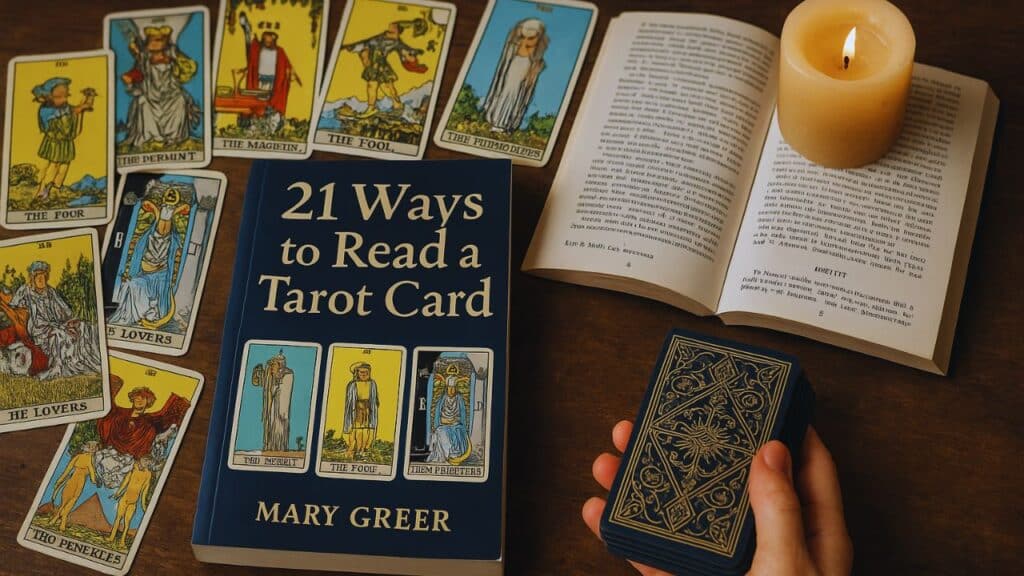
21 Ways to Read a Tarot Card” by Mary Greer is a treasure for anyone wanting to improve their tarot skills. The book focuses on intuition rather than just memorizing card meanings.
This approach helps readers follow their instincts during tarot readings. It offers activities for both beginners and more experienced readers, making it suitable for many skill levels.
You can try different methods and find what works best for you.
The book also explores numerology and creative reading techniques. Learning about these topics adds depth to your understanding of the minor arcana and major arcana cards. As you engage with this material, you’ll grow as a reader.
The activities encourage self-discovery in your tarot journey while expanding your knowledge of tarot symbolism. With each page, you will gain confidence in your ability to perform intuitive tarot readings, going beyond simple guidebook rules.
How do I choose the right tarot book for my needs?
Choosing the right tarot book can assist you on your tarot journey. You want a guide that fits your style and needs.
- Search for beginner-friendly books. Avoid titles marked “advanced” or those that focus on Qabalah, which can be too complex for new readers.
- Consider using one deck with its guidebook. Many decks, like Druidcraft or Haindl, come with useful books. These can help you understand the specific meanings of cards in your chosen deck.
- Check the content of the book. Some beginner books repeat what others say. Find a book that offers fresh insights and clear explanations.
- Explore psychology-themed options if that interests you. Books like “Jung and Tarot” and “Tarot for Change” connect tarot to personal growth and understanding.
- Think about your preferred tarot style. If you’re into Thoth or Marseille decks, look for guides like “Understanding Aleister Crowley’s Thoth Tarot” or “Reading the Marseille Tarot.” They focus on these specific decks and their symbolism in tarot.
- Use online resources like Labyrinthos for quick card meanings as you learn from your chosen book. This can make it easier to remember what each card represents while practicing.
- Set a practice schedule with one deck and one book for a month. This will help avoid confusion as you learn tarot readings and spreads without getting overwhelmed by too many sources at once.
Takeaways
Learning tarot can be fun and rewarding. The five guides we discussed offer great paths for beginners. Each book has its own strengths, making the journey easier. Try out a few and see which one clicks with you.
Happy reading!
FAQs
1. What makes a tarot deck good for beginners?
A beginner’s guide to tarot often suggests decks with simple pictures and clear symbolism in tarot. Many people like the Morgan Greer Tarot or Thoth Tarot since their art helps you spot card meanings fast.
2. How do I learn the difference between major arcana and minor arcana?
Major arcana cards show big life lessons, while minor arcana cover daily events. Beginner tarot books break down both groups so you can tell them apart by story and symbols.
3. Are there easy-to-follow guides for learning intuitive tarot reading?
Yes, many tarot guidebooks focus on building your intuition instead of just memorizing meanings. These guides use stories from real readers, tips about trusting your gut, and practice spreads that help new folks start their own tarot journey.
4. Why should I care about symbolism in tarot when starting out?
Tarot symbolism acts like a secret code; it shapes how you see each card during a reading. Learning basic symbols early helps you read any deck better and gives your readings more depth even if you’re still new.
5. Can I find beginner-friendly info on popular spreads for my first readings?
Absolutely, most guides aimed at newbies include step-by-step directions for classic spreads used in tarot divination such as three-card layouts or Celtic Crosses, making every first try less scary and more fun.