
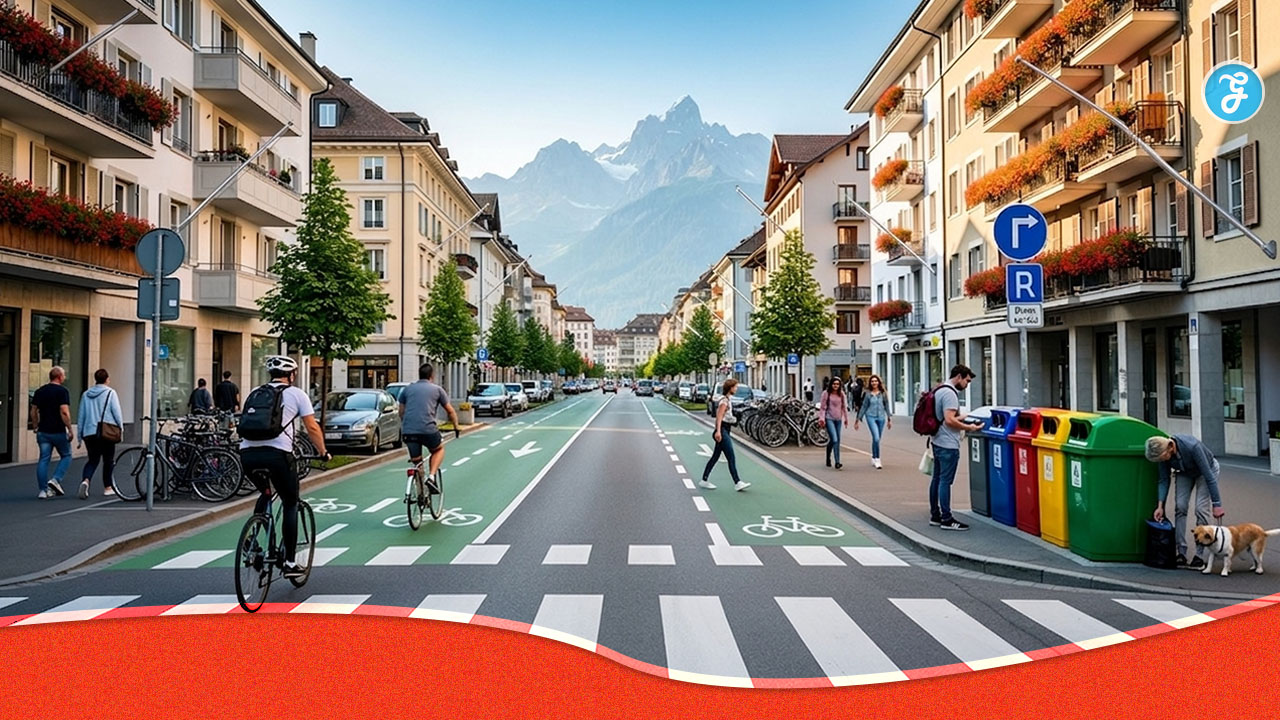
You must have heard about the Swiss Civic Discipline Model. Most people imagine that such a highly functioning society requires strict enforcement and heavy policing. The reality is far more inspiring. This remarkable harmony actually stems from a culture where responsibility feels like second nature.
Imagine walking through a city where the public clocks never miss a beat and the streets stay spotless without a swarm of wardens. This isn’t down to luck or rigid laws. It happens because Swiss citizens treat their shared spaces with the same care they give their own homes. They do not wait for a distant authority to tell them how to behave. Instead, they lead with a quiet, collective mindfulness that keeps everything running like clockwork.
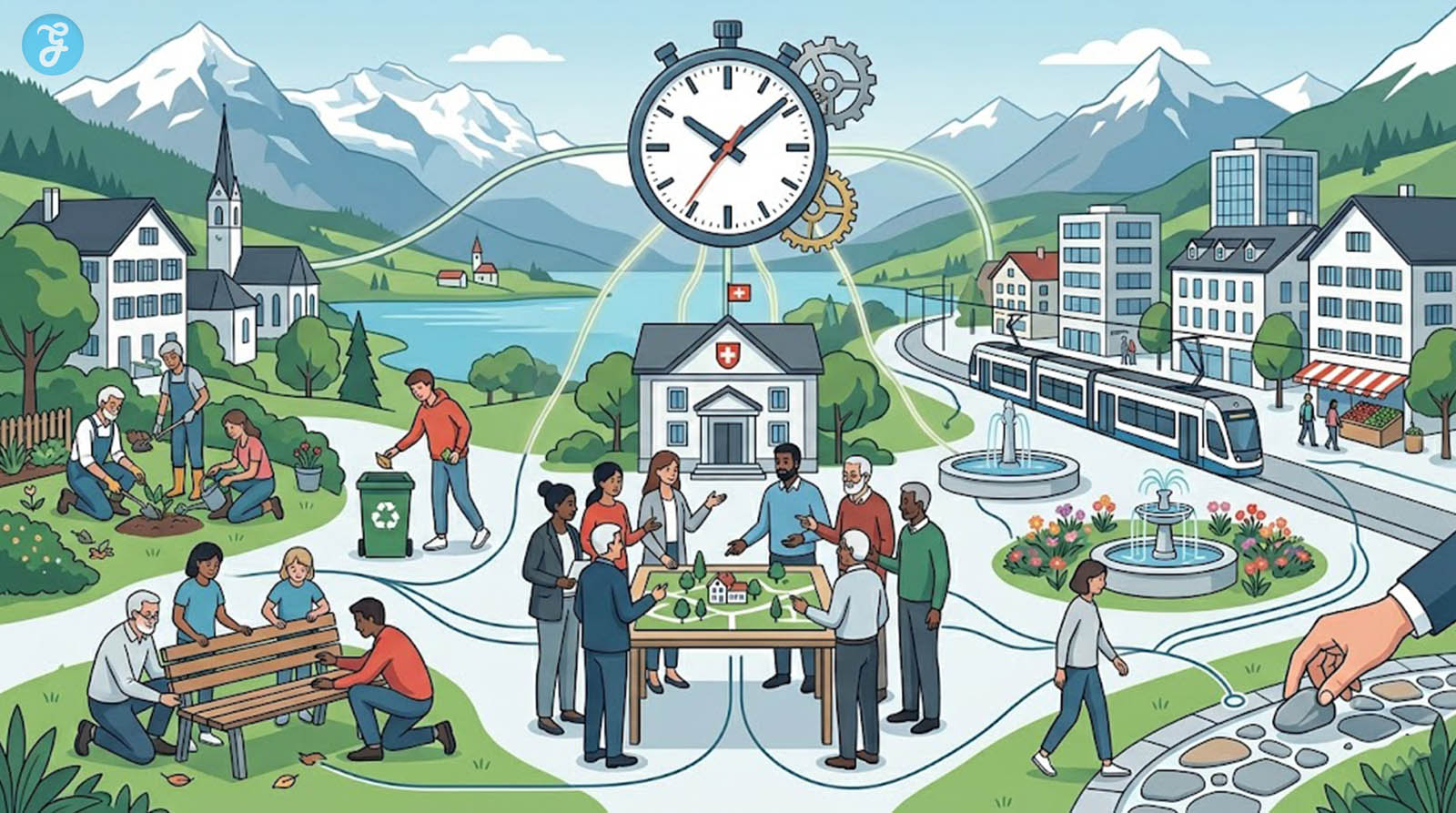
The secret lies in giving power back to the people. Because Switzerland uses a decentralised system, local communities make their own rules. This direct involvement creates a deep sense of personal ownership. When you help decide how your town functions, you naturally want to see it succeed. This approach turns civic duty into a shared pride rather than a forced obligation. It builds a respectful, functional society where order is not just expected but naturally maintained by everyone.
Foundations of the Swiss Civic Discipline
The true strength of the Swiss system is not found in a central command centre in Bern. Instead, it lives within the thousands of small communities that form the backbone of the nation. By distributing power across three distinct layers, Switzerland ensures that governance remains a local and deeply personal matter. This structure turns every resident into a stakeholder with a direct interest in the success of their surroundings.
The Power of Thinking Small
The Swiss Civic Discipline operates on a simple but powerful idea. It is called the principle of subsidiarity. Political decisions are deliberately pushed to the lowest possible level of governance. If a local village can solve a problem, the national government stays out of it. This keeps power close to the people it affects most. It transforms the state from a distant ruler into a practical partner.
This structure creates a unique three tiered system. At the top sits the Federal government in Bern. Below that are the 26 cantons, which act like small states with their own constitutions. The foundation consists of roughly 2100 municipalities. Each layer has its own specific duties and tax powers. This division prevents any single person or group from holding too much control. It keeps the focus on local needs rather than national politics.
Ownership in the Community
Municipalities enjoy incredible local autonomy. They manage their own primary schools and local roads. They even decide on naturalisation for new citizens. Because locals fund these services with their own taxes, they watch the spending closely. This direct link between paying and providing creates a natural efficiency. Residents do not see a public park as government property. They see it as an extension of their own garden.
This has a profound psychological impact on the population. When you have a direct say in your surroundings, you naturally want to protect them. Maintaining order becomes a matter of personal pride. People do not follow rules because they fear a fine. They follow them because they want their neighbourhood to thrive. This sense of ownership turns every resident into a guardian of their community. It makes the Swiss Civic Discipline feel like a shared family project.
The Direct Voice of the People
The Swiss Civic Discipline Model thrives because it treats citizens as adults with real power. People do not just vote for a representative once every few years and then walk away. They stay constantly engaged in the actual business of making laws. This steady involvement creates a society where everyone feels like a stakeholder in the national project.
The Constant Pulse of the Vote
Swiss citizens typically head to the polls up to four times every year (often 2-4 federal votes plus cantonal and municipal ones). They weigh in on everything from local school budgets to major national policies.

This regular practice makes political participation a normal part of life. It prevents the frustration that often builds up in systems where people feel ignored. By keeping the conversation going, the state ensures that the law reflects the current will of the people.
The Tools of True Influence
Three main tools give the public this incredible leverage. Mandatory referendums mean any change to the constitution must go to a public vote. Optional referendums allow citizens to challenge a new law if they gather 50,000 signatures in 100 days. Most impressively, the popular initiative lets any group propose a brand new constitutional change. They just need to collect 100,000 signatures within 18 months. These mechanisms ensure that the government stays on a short leash.
Writing the Rules of the Game
When you help write the rules, you are far more likely to follow them. This simple psychological truth explains why the Swiss Civic Discipline Model works so well. Respect for the law is high because the law belongs to the people. Even those who lose a vote usually accept the outcome because they know the process was fair. They had their say, and they know they can try again next time. This creates a deep sense of social peace and stability.
Defining Modern Responsibility
We see this process in action through the frequent national debates surrounding civic duty and modern responsibility. These discussions ask citizens to redefine what they owe to their community and the state in a changing world. They spark intense conversations in cafes and town halls across the country. Watching an entire population argue over the finer points of their national obligations is rare. It shows that the Swiss do not take their system for granted. They are always working to refine and improve the bonds that hold them together.
The Swiss Civic Discipline is not just about voting. It is about physical participation in the survival and success of the nation. This commitment starts early in a young person’s life through a formal system of national service. It ensures that every generation understands the weight of their role in society.
The Duty to Serve
Military service remains a core requirement for all able-bodied Swiss men (women serve voluntarily since 1996). This is not just about national defence. It is a rite of passage that reinforces the idea of the citizen soldier.
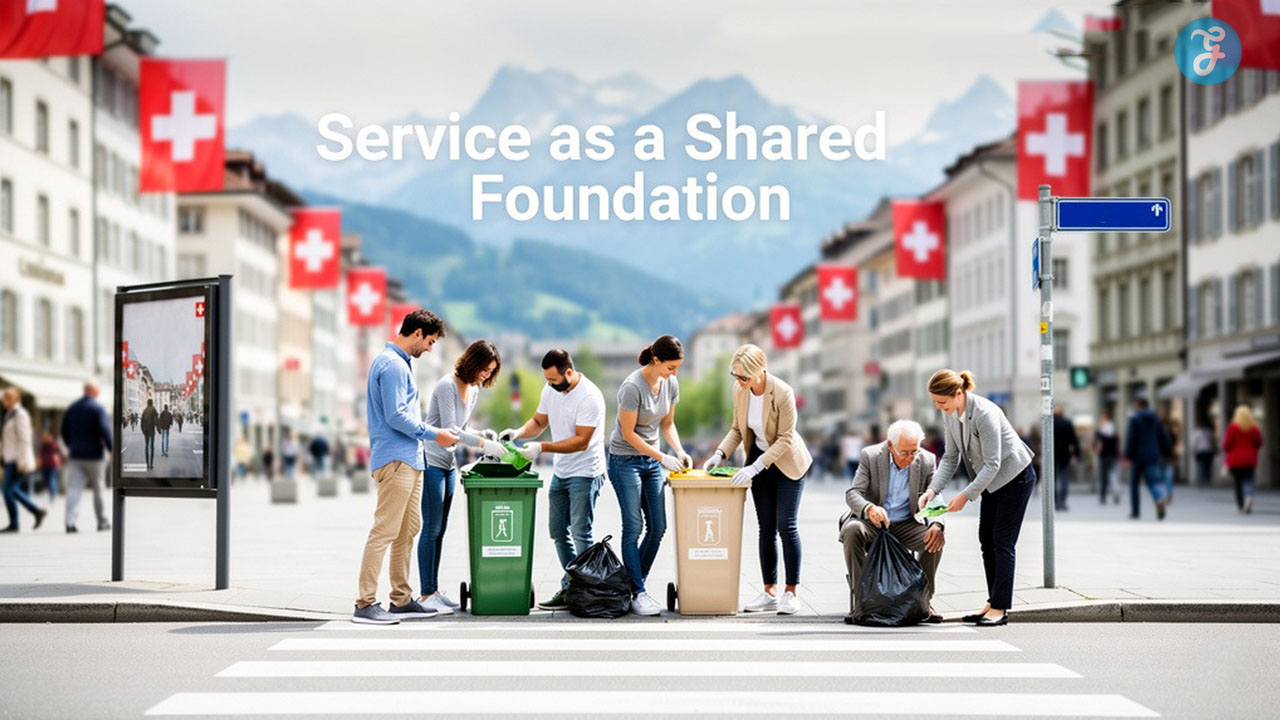
Those who cannot serve in the army for medical or personal reasons provide civil protection instead. There is also a robust civilian service option for conscientious objectors. In these roles, people work in hospitals, forest management, or social care. This variety ensures that everyone finds a way to contribute their time and energy to the state.
Mixing the National Melting Pot
One of the most powerful aspects of this service is how it breaks down barriers. Switzerland has four national languages and distinct regional cultures. During their service, a banker from Zurich might find himself sharing a bunk with a farmer from Ticino. They must communicate, solve problems, and rely on each other. This shared experience creates a level of social cohesion that is rare in modern society. It bridges the gap between different social classes and linguistic groups. It reminds everyone that they are part of the same team.
The Lifelong Ripple Effect
This structured service leaves a lasting mark on the individual character. It instills a lifelong habit of looking out for the common good. When you have spent weeks maintaining a public trail or protecting a community, you are less likely to litter or ignore a local problem later in life. This is the Swiss Civic Discipline Model in its most practical form. The discipline learned during service translates into a daily respect for shared spaces. It creates a population that is naturally mindful of how their actions affect others. This deep sense of duty keeps the nation functional and respectful for everyone.
The Engine of Quiet Stability
The Swiss Civic Discipline Model does not happen by accident. It relies on a political system designed to prevent drama and promote cooperation.

While many nations struggle with fierce partisan divides, Switzerland chooses a different path. They focus on finding the middle ground through a unique power sharing arrangement.
The Magic Formula of Power
At the very top, Switzerland does not have a single powerful President. Instead, a seven member Federal Council leads the country via the informal “Magic Formula” (established post 1959 and adjusted over time, e.g., SVP gained a second seat in 2003). These members come from the four largest political parties. It forces politicians who disagree on almost everything to sit in a room and find solutions. They must speak with one voice once a decision is made. This prevents extreme shifts in policy and keeps the national ship steady. It shows citizens that compromise is a strength rather than a weakness.
A Culture of Open Books
Transparency is the fuel that keeps this system running. The Swiss Federal Chancellery acts as a clear bridge between the government and the public. They provide detailed, easy to read information on every upcoming vote. Furthermore, strict rules govern how political parties receive their funding. People can see who is paying for what. This openness stops the spread of conspiracy theories and hidden agendas. When information is clear and accessible, citizens feel respected. They are more likely to engage with the system because they understand how it works.
The High Trust Advantage
Civic discipline thrives when people trust the institutions around them. The Swiss system creates a virtuous cycle. Because the government is stable and fair, the people feel safe participating in it. They know their vote actually matters. They see that their taxes fund high quality services in their own backyard. This high level of institutional trust makes following the rules a logical choice. You do not mind contributing to a system that you know is working for you. This trust is the final piece of the puzzle. It transforms the Swiss Civic Discipline Model from a set of rules into a way of life.
Adapting the Model for the World
The Swiss Civic Discipline offers a roadmap for any society seeking more harmony. You do not need to be a small alpine nation to adopt these principles.
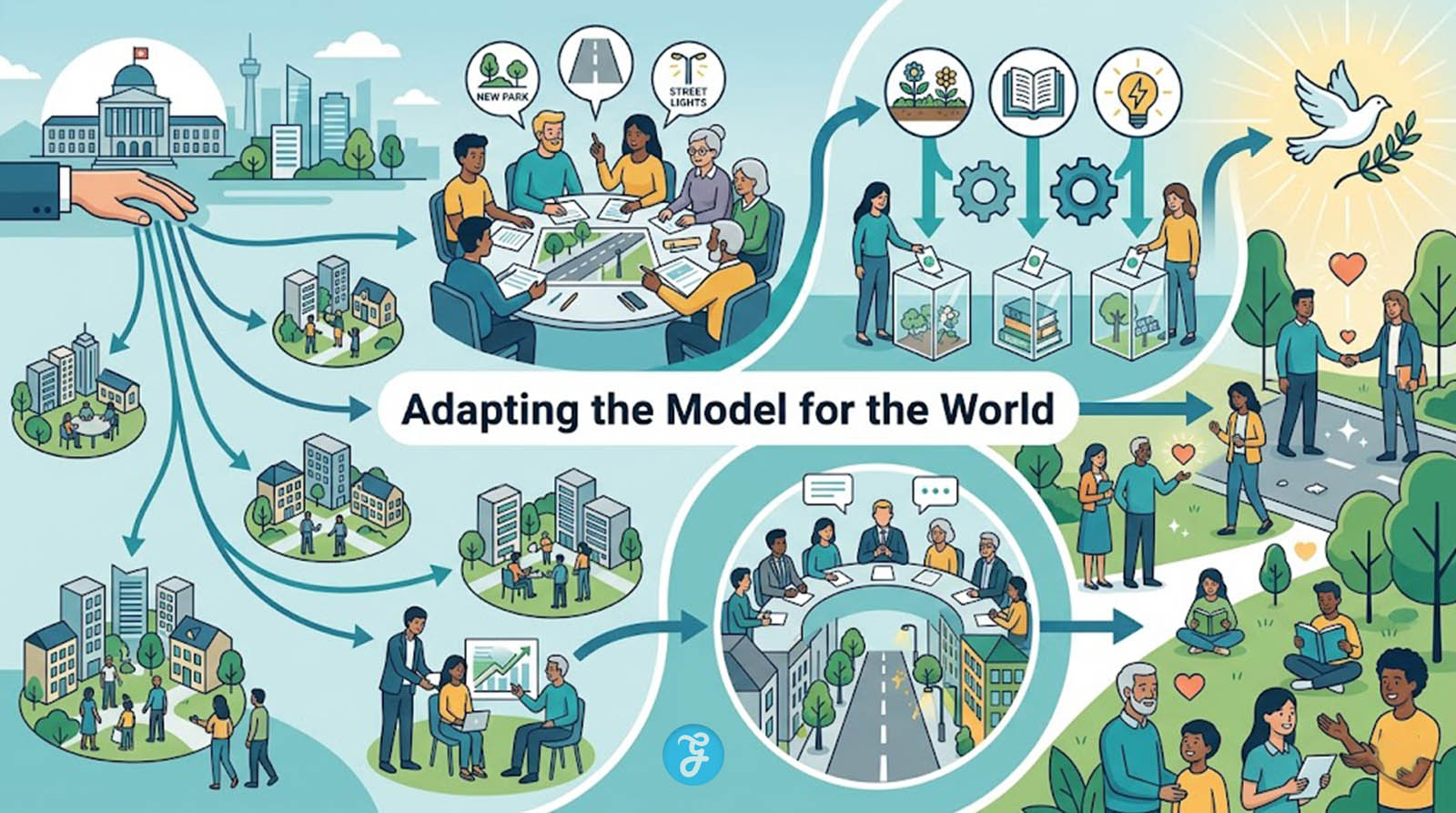
Success starts with moving power away from central hubs and putting it back into the hands of local residents. When people feel like they have a say in their own street, their behaviour changes for the better.
Strategies for Local Success
Nations can begin by testing smaller versions of the Swiss approach. One effective method is participatory budgeting. This allows residents to vote directly on how a portion of their local tax money is spent. Perhaps they want a new park or better street lighting. When they choose the project, they take better care of the result. Regular and transparent town hall meetings also help bridge the gap between officials and the public. These gatherings should be more than just listening sessions. They must lead to actual changes that people can see in their daily lives.
The Power of Genuine Agency
The ultimate lesson from Switzerland is a matter of trust. Governments often expect citizens to act responsibly without giving them any real influence. The Swiss Civic Discipline Model turns this idea on its head. It suggests that if you want a responsible population, you must first grant them genuine agency. People need to know that their opinions carry weight and their votes have consequences. When a system treats its people like capable partners, they rise to the occasion.
Building a Respectful Society
Creating a functional and respectful society is not about adding more cameras or fines. It is about building a culture where everyone feels like they belong. By focusing on local autonomy and direct involvement, any community can start to see results. It creates a balanced environment where collective mindfulness becomes the standard. This shift from being a passive observer to an active participant is what makes the Swiss experience so powerful. It proves that when you trust the people, the people will maintain the peace.
Why the Model Wins Every Heart
The Swiss Civic Discipline Model is not just a cold set of rules. It is a deeply personal social contract that connects the individual to the collective. This bond thrives because the system treats its people with respect and grants them genuine power over their own lives. Here is why this unique model remains so close to the hearts of the Swiss population:
- A Feeling of Real Power: Citizens are the ultimate bosses of the country. They know their vote can directly change a law or stop a government project, making them feel valued rather than ignored.
- A Sense of Personal Home: Because local towns manage their own affairs, residents view public parks and streets as extensions of their own living rooms. This pride of ownership makes looking after the community feel natural.
- A Foundation of Deep Trust: The system assumes that the average person is capable and responsible. This high level of trust from the state is returned by the citizens, creating a unique atmosphere of mutual respect.
- A Bond Across Boundaries: Mandatory national service and local voting bring people from all walks of life together. It turns strangers into teammates who share a common goal of keeping the nation functional and beautiful.
- A Guarantee of Stability: The focus on compromise means the country rarely suffers from extreme political shifts. People feel secure knowing that their world is stable, fair, and predictable.
A Culture Beyond the Rulebook
The Swiss Civic Discipline Model succeeds because it turns the traditional relationship between the state and the citizen upside down. It proves that societal harmony is achievable through empowerment rather than enforcement. When you strip away the layers of bureaucracy and give people a direct hand in their own governance, you build something far stronger than a list of rules. You build a community.
The Power of Ownership
At its heart, this system relies on the three pillars of decentralisation, direct democracy, and institutional trust. By keeping power local, Switzerland ensures that every resident feels a sense of duty toward their immediate surroundings. Direct democracy then gives this duty a voice, allowing citizens to shape the laws they live by.
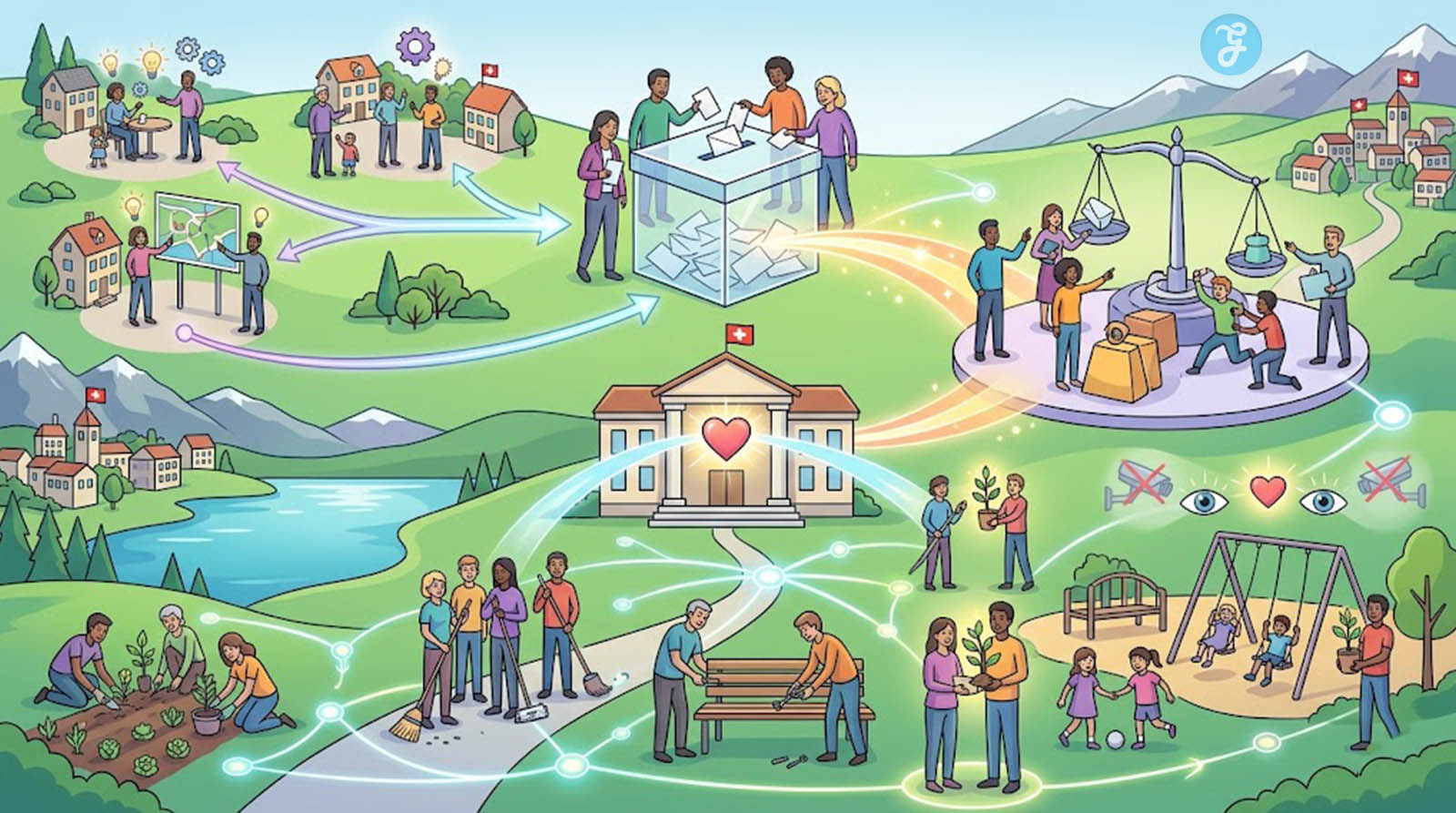
This participation creates a level of trust that keeps the nation stable and fair. People do not follow the law because they are being watched. They follow it because they believe in the system they helped create. This enduring stability is further reinforced by a world renowned Swiss Precision Culture that prioritises meticulous excellence in every facet of national governance.
The ultimate goal of Swiss Civic Discipline is to reach a point where collective responsibility feels completely natural. It moves the conversation away from what the government must do for us and toward what we can do for each other. Imagine a world where looking after your neighbourhood is not seen as a burden but as a shared privilege. This is the inspiring vision Switzerland offers. It shows us that a balanced, functional, and respectful society is possible for any community willing to trust its people.
Frequently Asked Questions (FAQs)
- How does Switzerland handle “voter fatigue” with so many ballots?
While Swiss citizens vote frequently, the system is designed for ease. Most voting happens by post, and the government provides a neutral, detailed “Voting Booklet” that explains every issue. People do not feel overwhelmed because they see the direct impact of their choices on their daily lives. - Can a foreigner propose a law in Switzerland?
No. Only Swiss citizens with the right to vote can launch a popular initiative or sign a referendum. However, many cantons and municipalities allow foreign residents to participate in local votes or sign petitions to influence community decisions. - What happens if a popular initiative contradicts international law?
This is a rare but complex situation. If an initiative is accepted but violates a fundamental international treaty, the Swiss Parliament must find a way to implement the will of the people while respecting global obligations. This often leads to careful, compromise-driven legislation. - Is there a penalty for not serving in the national service?
Men who do not perform military or civilian service must pay a “Military Service Exemption Tax.” This is typically 3% of their taxable income until they reach age 37. This ensures that everyone contributes to the nation’s security and protection in some form. - Does the Swiss model help with economic inequality?
Yes. Switzerland uses a system called “Financial Equalisation.” Stronger cantons and the federal government provide funds to weaker cantons to ensure everyone has access to high-quality public services. This prevents any region from falling behind and maintains national cohesion. - How does the system prevent a “tyranny of the majority”?
Major constitutional changes require a “double majority.” This means a proposal must be approved by a majority of the national popular vote and a majority of the 26 cantons. This protects the interests of smaller, rural regions from being completely overshadowed by large urban centres.