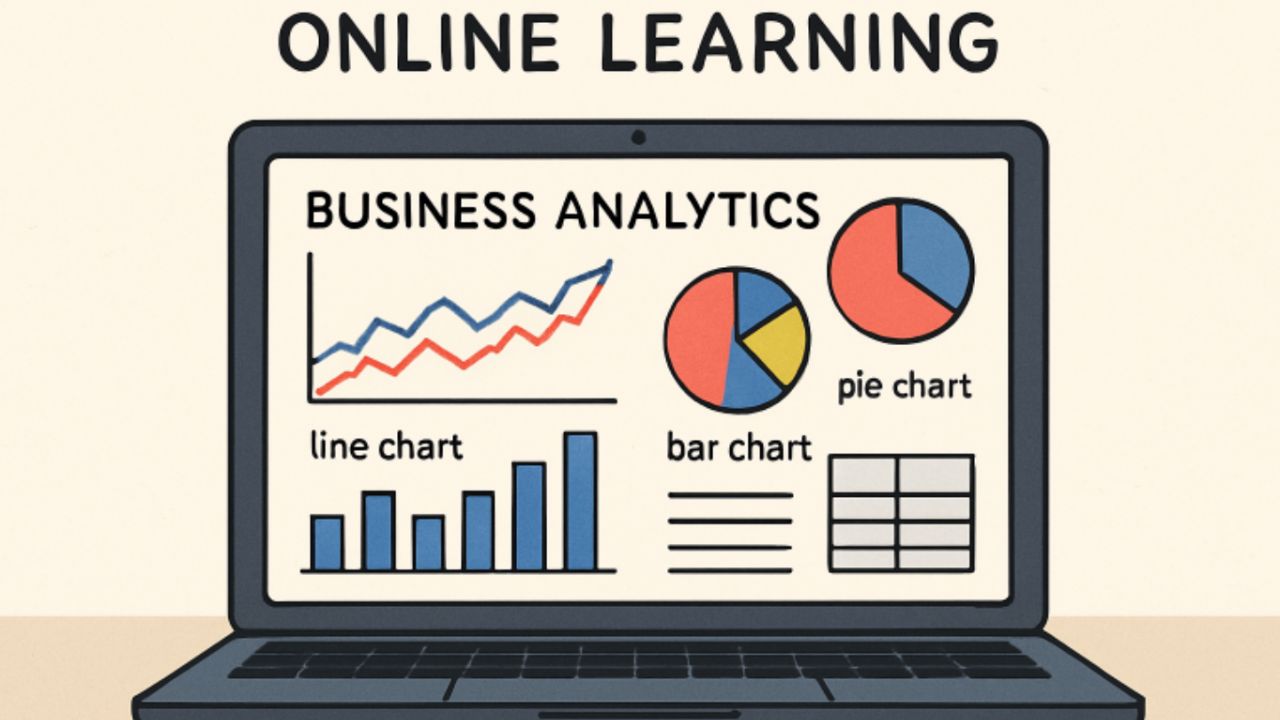
Pursuing an online MBA Business Analytics program can open a world of opportunities by combining core business skills with the power of data-driven decision-making. Whether you are aiming for a leadership role, want to pivot your career toward analytics, or seek to future-proof your expertise, an online MBA with a business analytics specialization can serve as a springboard for growth.
This guide outlines the essential steps to take before you enroll, helping you move confidently toward your academic and career aspirations. Understanding the proper steps makes the journey less daunting and ensures you make decisions that align with your long-term goals. The demand for business analytics professionals continues to grow rapidly, making it both strategic and rewarding.
From evaluating your motivations to building connections within your MBA cohort, every phase of this process can be approached with clarity and confidence. As you consider your options, remember that a degree in business analytics doesn’t just teach you how to use data; it equips you to lead organizational innovation and strategic transformation.
For more information on the expanding career opportunities this field offers, visit Forbes’s overview of trends in business analytics.
Assess Your Career Goals
Start by reflecting on your career objectives. What roles do you aspire to within your company or industry, and how would a business analytics background get you there? Business analytics is relevant across virtually every sector, including finance, marketing, healthcare, technology, and consulting. Clarifying your aspirations helps refine your choices as you compare programs and specializations.
Research Accredited Programs
Not all MBAs are created equal. Focus on programs accredited by well-respected bodies, such as the Association to Advance Collegiate Schools of Business (AACSB). Accreditation assures you that the curriculum is rigorous and recognized by employers. Research faculty profiles, program outcomes, and alums testimonials to gauge program quality and reputation. Rankings from reputable sources like U.S. News & World Report can also provide valuable insight when comparing programs.
Review Admission Requirements
Carefully review the admissions requirements for each program. While most online MBA business analytics programs require a bachelor’s degree, specific prerequisites can differ. Common elements include:
- Bachelor’s degree from a recognized institution
- A minimum GPA, typically around 3.0
- Professional work experience
- Standardized test scores (GMAT or GRE), although many programs now offer waivers for qualified applicants
Some universities also require technical or quantitative experience, while others will provide foundational coursework as part of the curriculum. Check whether you are eligible for any waivers based on your previous academic achievements.
Prepare Application Materials
Gather all necessary documents well in advance. You will usually need undergraduate transcripts, professional recommendations, a current resume, and a statement of purpose outlining your interest in the field. Take care when writing your statement of purpose, as this is your opportunity to explain your interest in business analytics and how the degree aligns with your long-term plans. Consider highlighting any related professional or academic experiences that demonstrate your readiness for graduate-level coursework.
Explore Financial Aid Options
Pursuing an MBA is a significant investment. Explore all financial aid avenues, including scholarships, grants, loans, and employer tuition reimbursement. Some schools offer specific scholarships for students pursuing online or business analytics. Research thoroughly and apply early, as funding is often limited and competitive. The U.S. Department of Education’s Federal Student Aid website is a valuable resource for reviewing aid and loan opportunities.
Plan for Time Management
Online MBA programs are flexible, but they require strong self-discipline and organization. Create a balanced study schedule that fits your personal and professional life. Blocking out specific times for coursework, projects, and readings will help you stay on top of deadlines and prevent last-minute stress. Some students find that using digital tools or apps for scheduling can help them stay focused throughout the program.
Engage with the Program Community
Maximize your learning by actively engaging in program activities. Participate in online forums, attend virtual networking sessions, and collaborate on group assignments. Engage with faculty and alums networks, as these relationships may open doors to job opportunities, mentorship, and insights into current industry practices. Building a strong support system can make a significant difference in your experience and career trajectory.
Stay Updated on Industry Trends
Business analytics evolves rapidly due to technological innovation. To remain competitive, subscribe to leading industry publications, attend webinars, and join professional organizations such as the International Institute of Business Analysis (IIBA). These efforts keep you informed about advancements in data visualization, machine learning, ethical considerations, and data privacy regulations.
Following these steps will guide you through a seamless transition into an online MBA in business analytics, allowing you to develop both foundational business and cutting-edge analytical skills. With proper preparation, this path can lead to exciting leadership roles and help you stay ahead in today’s evolving, data-centric market.