Finding ways to teach kids about fairness and equality can feel like an uphill battle. Many educators struggle to make social justice topics engaging and easy to understand. Traditional lessons often fall flat, leaving students bored or confused about complex issues.
Board games and video games offer a powerful solution for experiential learning. These interactive tools transform heavy topics into hands-on experiences that stick with learners. Games create safe spaces where students can explore difficult subjects through role-playing and problem-solving activities.
This guide showcases five games that tackle social justice themes head-on. You’ll discover how Rise Up teaches activism, why This War of Mine reveals civilian struggles, and how other titles address food security and sustainability.
These games turn your classroom into a dynamic learning environment where students actively engage with real-world challenges.
Get ready to revolutionize how you teach social justice.
Key Takeaways
- Games like Rise Up and This War of Mine teach social justice through hands-on experiences that make complex topics easier to understand.
- This War of Mine raised $850,000 for Ukrainian Red Cross, proving video games can drive real social change and humanitarian support.
- Peacemaker helps players aged 14 and older understand Middle East conflicts by letting them experience diplomatic challenges from both sides.
- African Farmer Game and Harvest for the Future reveal food security struggles while teaching about poverty, hunger, and sustainable farming practices.
- Board games and video games create safe learning spaces where students actively engage with real-world social justice challenges through role-playing.
Rise Up: The Game of People and Power puts players right in the middle of social justice movements. Players form groups to fight against “The System” that keeps people down. The game shows how real activism works through hands-on activities.
Players lead marches through city streets. They write protest songs that spread their message. They build campaigns that grow stronger with each turn. The game teaches teamwork as the most powerful tool for change.
Players must work together to win, just like real movements do.
This board game mixes real causes with made-up ones to keep things interesting. Players might fight to stop oil pipelines that harm the environment. They could also stand up for dragon rights in a fantasy world.
The game comes in two versions, one for adults and one for children. Each version teaches the same core lesson about collective action. Players learn that small groups can create big changes when they stick together.
The game makes complex ideas about social justice easy to understand through role-playing and strategy.
What does This War of Mine teach about civilian hardships in conflict?
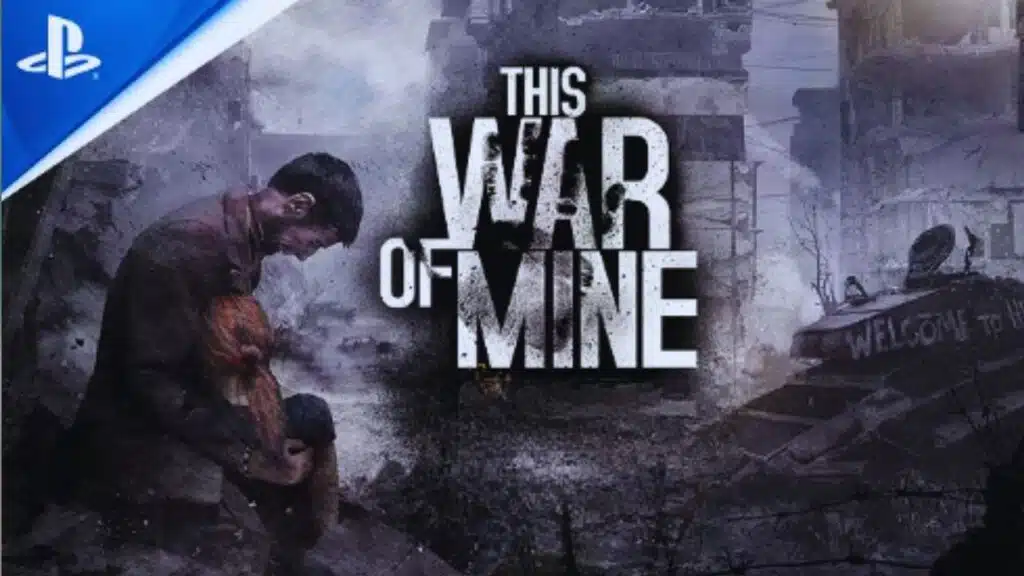
This War of Mine puts players in the shoes of ordinary people trapped in a war zone. The game draws inspiration from the Siege of Sarajevo, showing how conflict affects families, not just soldiers.
Players control civilians who must find food, medicine, and shelter while bombs fall around them. Each character has their own story, fears, and breaking point. The game forces you to make tough choices that test your moral compass.
Should you steal medicine from an elderly couple to save your sick friend? These decisions shape the entire experience.
11 Bit Studio created this powerful video game to highlight civilian survival during wartime. Available on iOS, Android, PS4, Xbox, and PC, the game has touched millions of players worldwide.
The developers raised $850,000 for the Ukrainian Red Cross, proving games can drive real social change. Players must manage their characters’ mental health, as trauma affects productivity and decision-making.
The mature rating reflects the game’s serious themes about war’s psychological toll. This experiential learning approach teaches empathy better than any textbook could. The game aligns with important goals like Good Health and Wellbeing, plus Peace, Justice, and Strong Institutions.
Peacemaker: Insights into Middle East conflicts
Peacemaker drops players right into the thick of Middle East tensions, where every choice carries real weight and consequences that mirror actual diplomatic challenges—making you wonder if peace talks are really this complicated in real life.
How does Peacemaker represent the complexity of Middle East conflicts?
The digital strategy game puts players in the shoes of leaders from both sides of the Israeli-Palestinian conflict. Players face three difficulty levels that mirror real-world challenges.
Each decision carries weight, showing how peace talks can quickly fall apart. The game forces players to balance competing interests, public opinion, and security concerns.
Leaders must make tough choices about settlements, military actions, and diplomatic moves. Players discover that solutions which seem simple on paper become complicated in practice.
The game shows how one side’s victory can become another side’s defeat. This role-playing experience helps players aged 14 and older understand why Middle East peace remains so hard to achieve.
The strategy elements reveal how political pressure, economic factors, and social tensions all play a part in conflict resolution.
What lessons can players learn about peacebuilding from Peacemaker?
Peacemaker teaches players that peace talks need both sides to give and take. Players learn that leadership roles come with huge pressure and tough choices. The game shows how one small decision can change everything.
Your actions might lead to peace or more conflict. This mirrors real life, where peace negotiations can go wrong fast.
Players discover that dialogue beats violence every time. The game forces you to think about what the other side wants. Communication skills become your most important tool. Players see that lasting peace takes compromise from everyone.
The experience points system rewards smart choices over quick fixes. This educational tool helps people understand international relations better. It builds empathy and critical thinking skills that work in classrooms and workshops.
What challenges does the African Farmer Game reveal about food security?
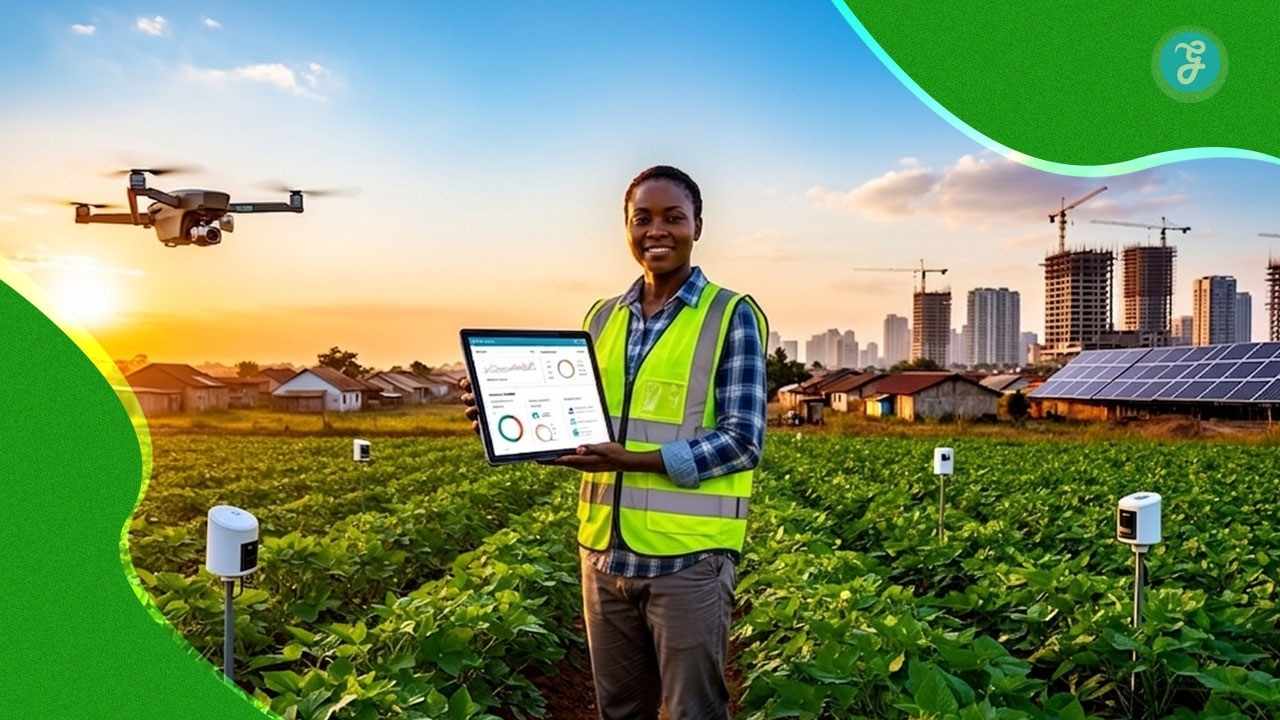
The African Farmer Game throws players into the harsh reality of agricultural poverty. This simulation forces tough choices about crops, weather, and money. Players face drought, market crashes, and resource shortages that mirror real-world struggles.
Farmers must decide between buying seeds or feeding their families. Each choice carries weight, and mistakes can mean disaster. The game shows how unpredictable events destroy livelihoods overnight.
Small farmers battle hunger while trying to grow enough food to survive.
Food insecurity hits hardest when players realize their limitations. The African Farmer Game simulates life in poverty with brutal honesty. Players navigate resource limitations that leave no room for error.
Market access becomes a luxury many cannot afford. Drought wipes out entire harvests, leaving families with nothing. The game builds empathy for farmers facing these daily battles.
Players learn that food security depends on factors beyond individual control. This experiential learning tool reveals the complex web of challenges that trap farmers in cycles of poverty and hunger.
How does Harvest for the Future address sustainability and development?
Harvest for the Future puts players in the shoes of Global South farmers. This board game, developed by Trocaire, supports 3-6 players and targets senior primary and secondary students.
Players grow crops, sell them at market, and work to support their families. Real-world factors like weather patterns, changing market prices, and resource management create authentic challenges.
The game directly tackles SDG Goal 1 (No Poverty) and Goal 2 (Zero Hunger) while introducing students to sustainable development concepts.
Students learn how poverty, hunger, and sustainable agriculture connect through experiential learning. Market crashes can destroy a family’s income overnight. Droughts wipe out entire harvests.
Players must balance short-term survival with long-term planning for their farms. This tabletop role-playing experience shows how farmers in developing nations face impossible choices daily.
The circular economy becomes clear as players see how waste affects their resources. Both primary and secondary versions help teachers create lesson plans that stick with students long after class ends.
Takeaways
Games can change how we think about the world. These five titles show us real problems through fun play. Players learn about social justice while having a good time.
Board games and video games both teach important lessons. They help us understand different viewpoints and experiences. Gaming makes learning about social work and civil rights more engaging than just reading books.
Try these games with friends or family. You might discover new ways to help your community. Play can spark real conversations about making the world better.
FAQs
Board games offer experiential learning that helps players understand complex issues like gender roles and capitalism. Games like “Freedom: The Underground Railroad” let people experience history firsthand, making the lessons stick better than just reading about them.
Tabletop role-playing games like D & D create safe spaces to explore different perspectives. Players can step into characters facing various challenges, which builds empathy and helps with comprehension of social issues.
3. Which games teach about historical civil rights movements?
Rise Up” focuses on the women’s social and political union and the suffragettes’ fight for voting rights. Other games cover the Greensboro sit-ins and various uprisings throughout history, showing how civil disobedience shaped our world.
4. Are there games that address environmental and economic justice?
Yes, several games tackle carbon neutrality and sustainable consumption. Some explore the green revolution and disaster risk reduction, while others examine how the capitalist system affects different communities.
5. How do these games handle difficult topics like slavery and oppression?
Games about the institution of slavery and the underground railroad use careful design to respect the gravity of these subjects. They focus on the courage of freedom fighters rather than glorifying violence, helping players understand the human cost of injustice.
Most of these games work for teens and adults, though some have different levels of difficulty. The vocabulary and themes require mature thinking, but the experiential learning approach helps people of all backgrounds grasp complex social concepts.