Russia asks US to stop pursuit of Bella 1 after the Coast Guard tried to board the sanctioned tanker near Venezuela. The ship refused, sailed away, and the standoff is now testing sanctions enforcement at sea.
Russia Asks US to Stop Pursuit of Bella 1: What Happened?
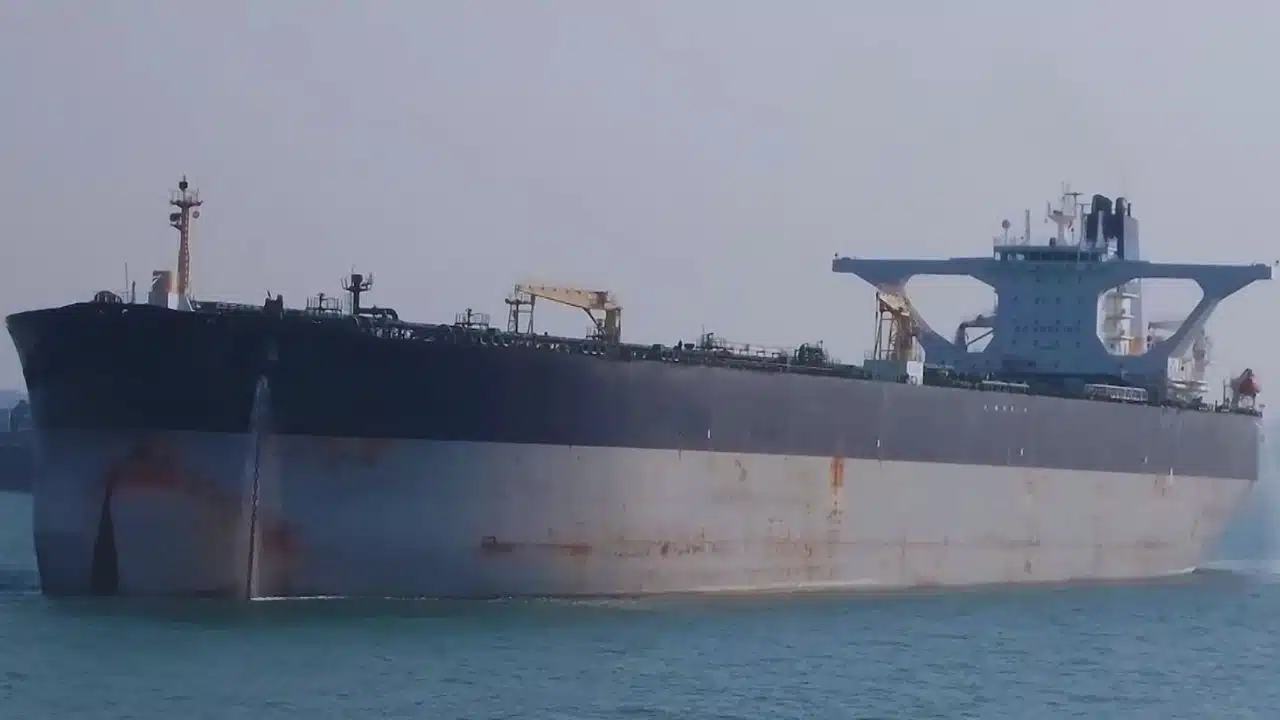
Russia has formally urged the United States to end its pursuit of the oil tanker Bella 1, according to a report cited by people with direct knowledge of the diplomatic exchange. The request came after U.S. authorities tried to stop and board the vessel in international waters near Venezuela, but the tanker did not comply and sailed away.
The incident has drawn attention because it blends a law-enforcement style interdiction with geopolitics. In recent weeks, Washington has escalated pressure on Venezuela’s oil trade, and the Bella 1 pursuit appears to be part of that broader push. Russia’s intervention adds a new layer of risk: a maritime operation that might otherwise be handled quietly can turn into a test of political resolve.
While the public details remain limited, the core sequence is clear. U.S. forces attempted a boarding. The vessel refused. An active chase followed as the tanker headed away from the Venezuelan coast and into open waters.
| Date (2025–2026) | Development | Why It Matters |
| Dec. 10, 2025 | U.S. seizes a Venezuela-linked tanker (Skipper), according to court records | Signals a more aggressive enforcement posture |
| Dec. 20–22, 2025 | U.S. boards a second tanker (Centuries) and continues chasing a third vessel identified as Bella 1 | Shows escalation from isolated actions to repeat operations |
| Jan. 1, 2026 | Russia asks the U.S. to stop pursuit of Bella 1 | Introduces direct diplomatic friction into the enforcement effort |
The unanswered question is how far the U.S. is willing to push a pursuit if another major power is urging restraint. That calculation depends on legal authority, safety at sea, and how Washington assesses the broader strategic message it wants to send.
What US Authorities Say About Bella 1 and the Legal Basis?
U.S. officials have described Bella 1 as a sanctioned tanker tied to sanctions-evasion activity. They have also indicated the ship was operating under questionable flag claims and was subject to a judicial seizure process.
According to a U.S. official quoted in U.S. reporting, the Coast Guard attempted to board Bella 1 over a weekend operation. The official said the Justice Department had obtained a seizure warrant connected to allegations involving the vessel’s prior involvement in the Iranian oil trade. The tanker refused boarding, then sailed away before entering Venezuelan waters.
Officials also characterized the vessel as part of what they call a “dark fleet,” a term widely used to describe shipping networks that seek to move oil while obscuring ownership, origin, cargo details, or destination. These networks often rely on tactics such as irregular documentation, frequent ship-to-ship transfers, and interrupted tracking signals.
What “Judicial Seizure Order” Typically Means in Practice?
| Element | What It Usually Involves | Why It’s Complicated at Sea |
| Court authorization | A warrant or order based on alleged violations | Enforcement may require boarding far from U.S. shores |
| Custody of the vessel | Physical control of the ship and crew | Safety risks rise if the crew resists or the ship is aging |
| Chain of evidence | Cargo records, ownership trails, routing, communications | Maritime documentation can be layered and opaque |
| Jurisdiction | International waters vs. territorial seas | Actions can trigger disputes with coastal or flag states |
Even with a warrant, an at-sea interdiction is not like a port seizure. Boarding a very large crude carrier requires specialized personnel, equipment, and a clear plan for crew control and ship safety. If the vessel is old, operating problems can become a serious hazard during boarding operations.
In this case, a key operational detail reported by multiple outlets is that the Coast Guard was still waiting for additional specialist forces to support the seizure. That indicates the U.S. was treating the boarding as a higher-risk operation than earlier actions.
Venezuela Oil Blockade and Recent Seizures: The Skipper and Centuries
Bella 1 is not the first tanker tied to Venezuela’s oil flows to be targeted in recent weeks. The pursuit came amid a string of interdictions that U.S. officials have linked to the Trump administration’s broader pressure campaign on President Nicolás Maduro’s government.
Court records and public reporting show that on December 10, 2025, the U.S. seized the tanker M/T Skipper off the coast of Venezuela. Reporting based on court documents said the vessel had loaded roughly 1.8 million barrels of Venezuelan crude and departed from a major oil port before the seizure occurred. The reporting also said the warrant used for the seizure had been issued earlier and was close to expiring.
Soon after, U.S. authorities boarded another tanker, Centuries, in a separate operation. Public statements and reporting describe Centuries as a large vessel that had recently been in Venezuelan waters and was stopped in a pre-dawn interdiction.
Recent Tanker Actions Reported by US Officials and Court Records
| Vessel | Reported Action | Approx. Timing | Reported Context |
| Skipper | Seized | Dec. 10, 2025 | Reported to have loaded Venezuelan crude; seizure tied to sanctions enforcement |
| Centuries | Boarded/interdicted | Dec. 20, 2025 (reported) | Reported as a second major tanker operation in the blockade push |
| Bella 1 | Pursued after refusing boarding | Dec. 21–22, 2025 (reported) | Identified as a sanctioned vessel; refusal triggered an active chase |
These actions matter for Venezuela because crude exports remain one of the country’s most important sources of revenue. They also matter for energy markets because the mechanics of sanctions enforcement can shape how traders, shipowners, and insurers assess risk in the region.
Reuters reporting has described the tightening environment around Venezuelan exports, including operational strain for the state oil company PDVSA as tanker access becomes more difficult and export flows slow. As fewer ships are willing to load, storage pressures can rise and production decisions become harder.
For Washington, the serial nature of these operations sends a message: the policy is not just about announcing sanctions, but also about physically disrupting the logistics that allow sanctioned oil to move.
How Sanctions on Oil Traders and Tankers Are Expanding?
The Bella 1 case is unfolding alongside fresh U.S. sanctions targeting companies and tankers accused of facilitating Venezuelan oil exports. On December 31, 2025, the U.S. Treasury Department’s Office of Foreign Assets Control (OFAC) announced sanctions on four companies for operating in Venezuela’s oil sector and identified four associated tankers as blocked property.
The Treasury statement said some of these vessels were part of a shadow fleet serving Venezuela. Treasury also emphasized that those involved in Venezuelan oil trade face elevated sanctions risk, including potential exposure for institutions and service providers.
Tankers and Entities Named in the December 31, 2025 OFAC Action
| Tanker | IMO Number | Entities Named | Action Described by Treasury |
| Nord Star | 9323596 | Corniola Limited; Krape Myrtle Co LTD | Entities designated; vessel identified as blocked property interest |
| Rosalind (aka Lunar Tide) | 9277735 | Winky International Limited | Entity designated; vessel identified as blocked property interest |
| Della | 9227479 | Aries Global Investment LTD | Entity designated; vessel identified as blocked property interest |
| Valiant | 9409247 | Aries Global Investment LTD | Vessel identified as blocked property interest |
OFAC’s approach reflects how modern sanctions enforcement often targets the “middle layer” of trade. Rather than focusing only on a state oil company, U.S. measures can target ship managers, registered owners, and trading firms that help move cargoes.
Treasury also restated a standard but crucial point: property and interests in property of designated persons that are in the U.S. or under U.S. control are blocked, and transactions by U.S. persons are generally prohibited unless authorized. That framework is what makes sanctions so powerful in global shipping, where financing, insurance, classification services, and dollar-based trade touchpoints can create a U.S. nexus.
Why This Matters Beyond Venezuela?
| Stakeholder | What Changes When Sanctions Tighten | Practical Effect |
| Shipowners/managers | Higher compliance and reputational risk | More refusals to load, more reliance on opaque networks |
| Insurers/banks | Increased exposure to enforcement | Tougher due diligence, fewer services for risky voyages |
| Traders | More scrutiny of cargo origin and paperwork | Higher costs, longer routing, more deal uncertainty |
| Coastal states | More friction near territorial waters | Greater chance of diplomatic disputes |
Bella 1 sits inside this broader pattern. Whether the U.S. ultimately boards the ship or not, the pursuit itself can have a deterrent effect on other vessels considering similar voyages.
Russia asks US to stop pursuit of Bella 1 at a moment when Washington is signaling that maritime enforcement is central to its Venezuela strategy. The core dispute is not only about a single tanker. It is about whether sanctions enforcement will be backed by persistent interdictions and whether rival powers will push back when those operations unfold in sensitive waters.
In the near term, several indicators will shape what happens next. One is operational: whether U.S. authorities can safely complete a boarding and secure the vessel if it continues to refuse. Another is legal: whether the U.S. publicly details the warrant basis and how it intends to handle jurisdictional challenges. A third is diplomatic: whether Russia escalates beyond a request and whether other governments weigh in if flag-state questions grow louder.
For readers and markets, the practical takeaway is straightforward. As enforcement becomes more physical, shipping risk rises. That can reshape Venezuela’s export options, tighten the pool of willing carriers, and increase costs across the trade—even without any single dramatic confrontation.