Investing in a green property is more than just a financial decision—it’s a commitment to sustainable living and reducing your environmental footprint.
While these properties promise energy efficiency and eco-friendliness, it’s crucial to evaluate every aspect to ensure they align with your sustainability goals and budget.
Here are 10 essential questions to ask before buying a green property in 2025, providing you with valuable guidance to make a well-informed choice.
1. What Certifications Does the Property Have?
Why Ask This?
Certifications ensure that the property adheres to recognized green building standards. They verify the eco-friendliness of the construction materials, energy efficiency, and overall sustainability.
Without certifications, claims of a property being “green” could lack substance. Asking about certifications helps ensure you’re investing in a property that genuinely meets environmental benchmarks and offers long-term value.
What to Look For:
- Is the property certified by a reputable green building organization?
- What certification level has it achieved (e.g., LEED Silver, Gold, or Platinum)?
- Are there additional certifications, such as Passivhaus for energy efficiency or WELL for occupant health?
Pro Tip:
Higher certification levels often translate into better energy efficiency, lower operating costs, and enhanced resale value. However, they may also come with a higher upfront cost.
2. What Is the Property’s Energy Efficiency Rating?
Why Ask This?
An energy-efficient property reduces utility bills and carbon emissions, making it an essential aspect of sustainable living. The Energy Performance Certificate (EPC) provides a clear and standardized evaluation of how efficiently a property uses energy.
Knowing the EPC rating gives insight into potential savings, maintenance needs, and whether further improvements may be required post-purchase.
What to Look For:
- Request the EPC report for the property.
- Check for energy-saving features like LED lighting, double-glazed windows, and smart thermostats.
- Inquire about insulation quality in walls, roofs, and floors.
Pro Tip:
Homes with an EPC rating of A or B are ideal, as they reflect state-of-the-art efficiency. Compare the property’s rating to similar homes in the area to gauge its relative performance.
3. What Renewable Energy Sources Are Integrated?

Why Ask This?
Renewable energy systems such as solar panels, wind turbines, and geothermal heating can significantly reduce your reliance on traditional energy sources. These systems lower utility bills while promoting a self-sufficient lifestyle.
Understanding the type, efficiency, and ownership of these systems ensures you know how much they contribute to sustainability and whether they require additional investments.
What to Look For:
- Is the property equipped with solar panels, and are they owned outright or leased?
- Does it have a backup battery system for storing renewable energy?
- Are there provisions for adding additional renewable systems in the future?
Additional Insight:
Properties with a higher percentage of energy needs met through renewables are often more resilient to rising energy costs and grid outages.
Pro Tip:
Ask about the age and efficiency of existing systems and whether they are still under warranty.
4. How Is Water Usage Optimized?
Why Ask This?
Water conservation is an integral part of sustainable living. Features like rainwater harvesting and low-flow fixtures can save significant amounts of water, reducing utility bills and the strain on local water supplies.
Understanding how the property optimizes water usage ensures it aligns with your eco-friendly goals and helps you manage water consumption effectively.
What to Look For:
- Low-flow fixtures, such as toilets, showerheads, and faucets, to minimize water wastage.
- Rainwater harvesting systems for gardening and non-potable uses.
- Greywater recycling systems to reuse water from sinks and showers.
Pro Tip:
Smart irrigation systems that adjust watering based on weather conditions can further enhance water efficiency.
5. What Sustainable Materials Were Used in Construction?
Why Ask This?
Sustainable materials reduce the property’s environmental impact during and after construction. They often improve indoor air quality, promote healthier living, and require less maintenance over time.
By asking about the materials used, you can ensure the property adheres to green construction principles and that your home is safe, durable, and environmentally responsible.
What to Look For:
- Use of recycled or reclaimed materials for construction.
- Natural and non-toxic materials like bamboo flooring or VOC-free paints.
- Durable materials with long lifespans, reducing the need for frequent replacements.
Pro Tip:
Request a detailed list of materials used and ask for certifications like FSC (Forest Stewardship Council) for wood products.
6. Is the Property Designed for Passive Energy Use?
Why Ask This?
Passive energy design minimizes the reliance on artificial heating, cooling, and lighting by optimizing natural resources like sunlight and wind. Homes with passive design features often have lower operational costs and a smaller environmental footprint.
Understanding these features ensures you’re purchasing a property that’s both cost-effective and eco-friendly in its day-to-day energy use.
What to Look For:
- South-facing windows to maximize sunlight during winter.
- Overhangs or shading to reduce heat gain during summer.
- Natural ventilation systems to maintain indoor air quality without mechanical systems.
Pro Tip:
Inspect the property at different times of the day to evaluate its natural lighting and ventilation.
7. What Is the Environmental Impact of the Location?

Why Ask This?
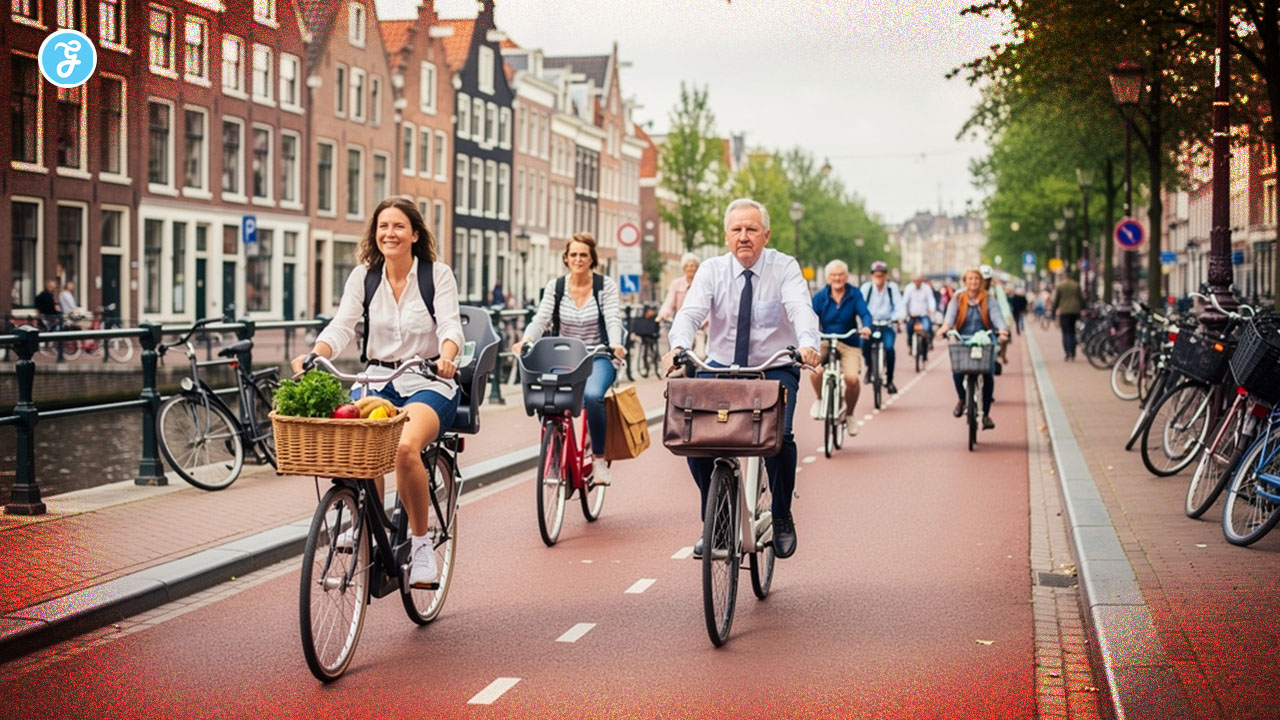
A property’s location significantly affects its overall sustainability. Proximity to public transport, green spaces, and essential services reduces your reliance on vehicles, lowering your carbon footprint. Evaluating the location helps ensure that your lifestyle remains as eco-friendly as the property itself.
What to Look For:
- Access to public transport, bike paths, and walking trails.
- Nearby community gardens, parks, or conservation areas.
- Distance from schools, grocery stores, and workplaces.
Pro Tip:
Use online tools like Google Maps or Walk Score to evaluate the location’s sustainability.
8. What Are the Maintenance Costs?
Why Ask This?
Green properties often come with specialized systems and materials that require unique maintenance. Without a clear understanding of these costs, you may face unexpected expenses in the long term.
Asking about maintenance ensures you’re fully prepared for the financial implications of owning a green home.
What to Look For:
- Frequency and cost of servicing renewable energy systems.
- Availability of technicians for maintaining green features.
- Estimated replacement costs for systems like solar panels or water tanks.
Pro Tip:
Request a maintenance schedule and ask the seller for records of past servicing.
9. Does the Property Support Waste Management and Recycling?
Why Ask This?
Waste management is a crucial aspect of sustainable living. Features like composting systems and recycling facilities help minimize your environmental impact.
Asking about these systems ensures the property has practical solutions for handling waste responsibly and aligns with your green living goals.
What to Look For:
- Built-in composting units for organic waste.
- Designated areas for sorting recyclables.
- Smart waste management systems for efficient disposal.
Pro Tip:
Check if the local council supports curbside recycling and compost pickup.
10. What Incentives or Tax Benefits Are Available?
Why Ask This?
Governments often offer incentives and tax benefits for green properties, such as grants for renewable energy installation or reduced property taxes for energy-efficient homes. Knowing what’s available helps you maximize savings and offsets the initial cost of investing in a green property.
What to Look For:
- Are there grants or rebates for installing renewable energy systems?
- Does the property qualify for reduced property taxes or other green incentives?
- Are there programs to support energy-efficient upgrades post-purchase?
Pro Tip:
Consult with a financial advisor to identify all applicable incentives and integrate them into your budget planning.
Final Thoughts
Purchasing a green property is a meaningful step toward sustainable living, but it requires careful planning and due diligence.
These 10 questions to ask before buying a green property in 2025 will help you evaluate its eco-friendliness, cost-effectiveness, and practicality.
By addressing these key areas, you’ll ensure that your investment aligns with your sustainability goals and financial priorities. When in doubt, consult with a green building expert or property advisor to make the best decision for your future.