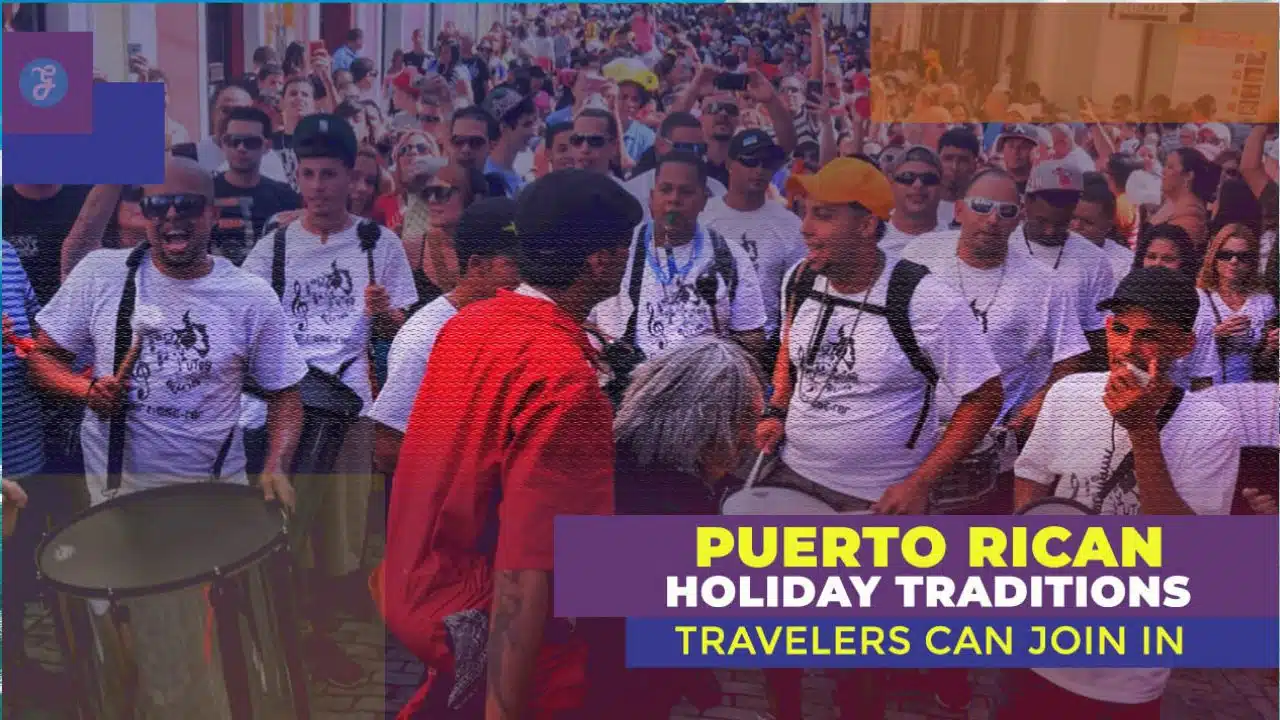
Many travelers visit Puerto Rico during Christmas but miss out on the island’s most magical holiday traditions. Puerto Rico celebrates Christmas longer than any other place in the world, with festivities lasting from December through mid-January.
This guide shows you seven authentic Puerto Rican holiday traditions you can join, from singing parrandas to feasting on lechón asado. Get ready to experience Christmas in Puerto Rico like a true Boricua.
Key Takeaways
- Puerto Rico celebrates Christmas longer than anywhere else, with festivities lasting from December through mid-January including unique traditions.
- Parrandas are surprise musical visits where groups sing Christmas songs house-to-house, and travelers can join with instruments.
- Nochebuena on Christmas Eve features Misa de Gallo at midnight followed by family feasts with lechón asado.
- Three Kings Day on January 6th includes parades, gift-giving at noon, and children leaving grass for camels.
- San Sebastián Street Festival transforms Old San Juan into a four-day street party every January with dancing and music.
What are Parrandas and how can travelers join in?
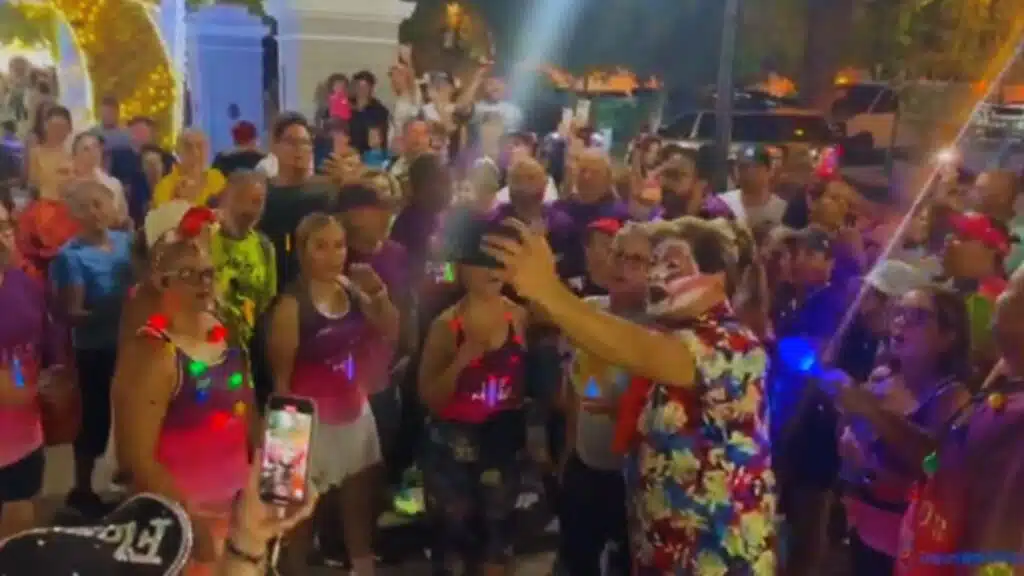
Parrandas are Puerto Rico’s version of Christmas caroling, but with a tropical twist that makes them far more exciting. These surprise musical visits happen throughout the festive season, bringing puerto rican music and joy to neighborhoods across the island.
- Pack your maracas or small percussion instruments to join local groups as they move from house to house singing traditional Christmas songs.
- Follow the sound of cuatros and guitars through Old San Juan neighborhoods where parrandas often start around midnight on weekends.
- Bring traditional puerto rican food like pasteles or coquito to share with host families who welcome the musical groups into their homes.
- Learn basic Spanish Christmas songs beforehand, as most parrandas feature classic carols mixed with bomba and plena rhythms.
- Join organized parranda tours in San Juan that cater to visitors and provide instruments for participants to use.
- Stay alert for spontaneous parrandas in local neighborhoods, especially in areas like Caguas and San Germán during December.
- Dress comfortably for walking and dancing, as parrandas can last several hours and cover multiple blocks.
- Respect local customs by waiting for invitation before entering homes and always thanking hosts for their hospitality.
- Carry small gifts like flowers or sweets to offer homeowners who open their doors to the musical celebration.
How do Puerto Ricans celebrate Nochebuena?
Nochebuena, or Christmas Eve, brings families together for the most important celebration in Puerto Rico. This magical night starts with Misa de Gallo, the rooster’s mass at midnight.
Families dress in their finest clothes and head to church together. The service fills with beautiful Puerto Rican music and prayers. Children wear new outfits, while adults carry the Christmas spirit in their hearts.
After mass, the real party begins at home.
Christmas dinner becomes a feast that would make your mouth water just thinking about it. Tables groan under the weight of lechón asado, perfectly roasted pork that takes hours to prepare.
Arroz con gandules, rice with pigeon peas, sits alongside the star of the show. Families also serve blood sausages, green bananas, and arroz con dulce for dessert. Coquito flows freely, mixing coconut milk with rum and spices.
Travelers can join local families for this Christmas feast if they make friends during their stay. The celebration lasts until dawn, with music, dancing, and stories filling every corner of the house.
What is Coquito and why is it a festive favorite?
Coquito is Puerto Rico’s beloved holiday drink, often called “Puerto Rican eggnog.” This creamy cocktail mixes coconut cream, condensed milk, rum, and warm spices like cinnamon and nutmeg.
Families pass down their secret recipes from generation to generation. Each household adds its own twist, maybe vanilla or a splash of different rum. The drink tastes rich and smooth, perfect for Christmas celebrations.
Puerto Rican culture treats coquito as liquid gold during the holiday season. People share small bottles with neighbors, friends, and family members. The tradition brings communities together, one sip at a time.
Travelers can find coquito at local bars, restaurants, and holiday parties throughout December and January. Many Puerto Rican families welcome visitors to try their homemade version.
The drink captures the warmth and spirit of Christmas in Puerto Rico in every glass.
How to participate in Three Kings Day celebrations?
Día de Reyes brings magic to Puerto Rico on January 6th. This beloved celebration honors the three wise men who visited baby Jesus.
- Leave grass and water outside your door – Place fresh grass and a bowl of water near your home’s entrance the night before Three Kings Day. Children traditionally do this to feed the camels that carry the Magi across the island.
- Join the Three Kings parade in San Juan – Watch colorful floats roll through Old San Juan’s historic streets. The parade features elaborate costumes, puerto rican music, and performers dressed as the three wise men.
- Visit local churches for special masses – Attend morning services that celebrate the arrival of the Magi. Many churches in San Juan and across Puerto Rico hold special ceremonies with traditional carols.
- Share traditional puerto rican food with families – Enjoy festive meals featuring lechón asado and arroz con gandules. Families gather to eat together and exchange gifts during this important day.
- Give gifts to children at noon – Follow the custom of presenting presents after the Three Kings have “visited” during the morning hours. This tradition differs from Christmas Day gift-giving in other cultures.
- Participate in community festivals – Join local celebrations in towns like Juana Díaz and Humacao. These events feature live puerto rican music, dancing, and cultural performances.
- Learn about Taíno people’s winter traditions – Discover how indigenous customs blend with Spanish colonial practices. Many celebrations include elements from Puerto Rico’s rich caribbean culture and history.
What happens during the Octavitas festivities?
The Octavitas stretch Christmas celebrations for eight more magical days after Three Kings Day ends. Puerto Ricans refuse to let the party stop on January 6th. These festivities keep the holiday spirit alive until January 14th.
Families gather again to sing, dance, and share meals together. The island of enchantment truly lives up to its name during this time.
Parrandas continue during Octavitas, with groups of friends visiting homes late at night. They bring guitars, maracas, and their voices to wake up neighbors with traditional Puerto Rican music.
Hosts welcome these surprise visitors with coquito and homemade treats. Children receive small gifts, and everyone joins the singing. This Caribbean culture tradition shows how Boricuas love to celebrate life and community bonds.
Why join the San Sebastián Street Festival dance and celebration?
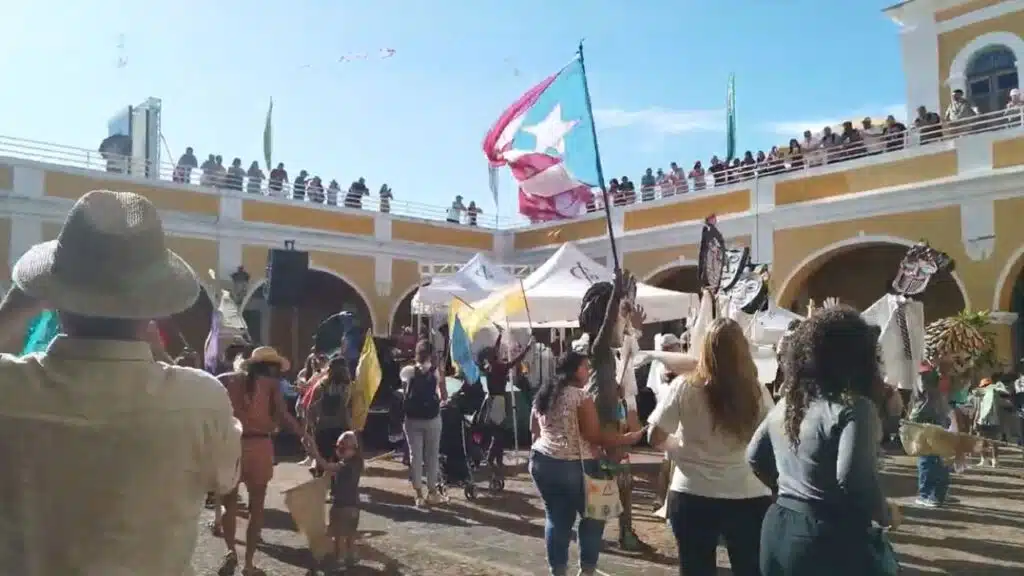
Las Fiestas de la Calle San Sebastián transforms Old San Juan into a massive street party every January. This four-day festival brings together locals and visitors for non-stop dancing, live Puerto Rican music, and incredible food.
Streets fill with people wearing colorful Puerto Rican flags as decorations. Local bands play salsa, reggaeton, and traditional folk songs on every corner.
Travelers can join the dancing right in the streets with friendly locals who love to teach visitors new moves. Food vendors serve amazing Puerto Rican dishes like alcapurrias and bacalaitos.
Artists display handmade crafts and paintings throughout the historic streets of San Juan. The San Sebastián Street Festival celebrates Puerto Rican culture in its most joyful form, making it perfect for anyone wanting to experience authentic Caribbean culture.
How to enjoy a traditional Lechón Asado feast?
Lechón asado stands as the crown jewel of Puerto Rican holiday feasts. This slow-roasted pork brings families together for unforgettable celebrations.
- Find local families hosting lechón parties during Christmas holidays and ask politely to join their celebration.
- Visit restaurants in Old San Juan that serve authentic lechón asado with traditional sides like arroz con gandules.
- Book a spot at organized lechón festivals where whole pigs roast over open fires for hours.
- Arrive early to watch the cooking process, as the pig slowly turns golden brown over hot coals.
- Try the crispy skin first, called cuero, which locals consider the best part of the meal.
- Pair your lechón with traditional Puerto Rican sides like yuca, tostones, and fresh salad.
- Join the communal eating style where everyone shares from large platters placed in the center.
- Bring your appetite, as these feasts last for hours with multiple rounds of food and conversation.
- Take photos with the roasted pig before carving begins, as this marks a special moment in Puerto Rican culture.
Takeaways
Puerto Rico’s holiday traditions offer travelers a chance to experience Caribbean culture at its finest. These celebrations bring families and strangers together through puerto rican music, delicious puerto rican food, and centuries-old customs.
Join a parranda, taste fresh coquito, or dance at las fiestas de la calle san sebastián for memories that last a lifetime. Pack your appetite for lechón asado and your dancing shoes for an authentic taste of la isla del encanto.
FAQs
1. What makes Christmas in Puerto Rico different from other places?
Christmas in Puerto Rico blends Caribbean culture with Spanish traditions, creating a festive season that lasts from December through January. Puerto Rican families gather for Christmas feasts featuring lechón asado and arroz con gandules. The celebrations include midnight mass, trovadores singing Puerto Rican music, and beautiful Christmas decorations throughout Old San Juan.
2. When is Three Kings Day and how do Puerto Ricans celebrate it?
Día de Reyes, or Three Kings’ Day, happens on January 6th and marks the biggest gift-giving day in Puerto Rican culture. Children leave grass and water for the kings’ camels before bed. Families wake up to presents and enjoy special desserts and traditional Puerto Rican food together.
3. What happens during Las Fiestas de la Calle San Sebastián?
Las Fiestas de la Calle San Sebastián takes place in Old San Juan every January, turning the historic streets into a massive street party. You’ll see Puerto Rican flags everywhere, hear live music in Puerto Rico’s traditional styles, and taste amazing local food from vendors.
4. How do Puerto Ricans celebrate New Year’s Eve?
Puerto Ricans follow the tradition of eating 12 grapes at midnight for good luck in the coming year. Many families also attend special church services and gather in San Juan’s plazas to welcome the new year with fireworks and music.
5. What traditional foods should travelers try during Puerto Rican holidays?
Lechon asado, slow-roasted pork, takes center stage at most celebrations in Puerto Rico. Arroz con gandules, rice with pigeon peas, appears on every holiday table. Don’t miss the sweet pudding desserts and other treats that showcase the island’s Afro-Puerto Rican influences.
6. Can travelers join quinceañeras and other cultural celebrations?
Many Puerto Rican families welcome respectful visitors to join their holiday traditions, especially during public celebrations in places like Dorado, Añasco, and Juana Díaz. The culture of Puerto Rico, deeply rooted in Borinquen heritage, celebrates community and sharing joy with others on La Isla del Encanto.