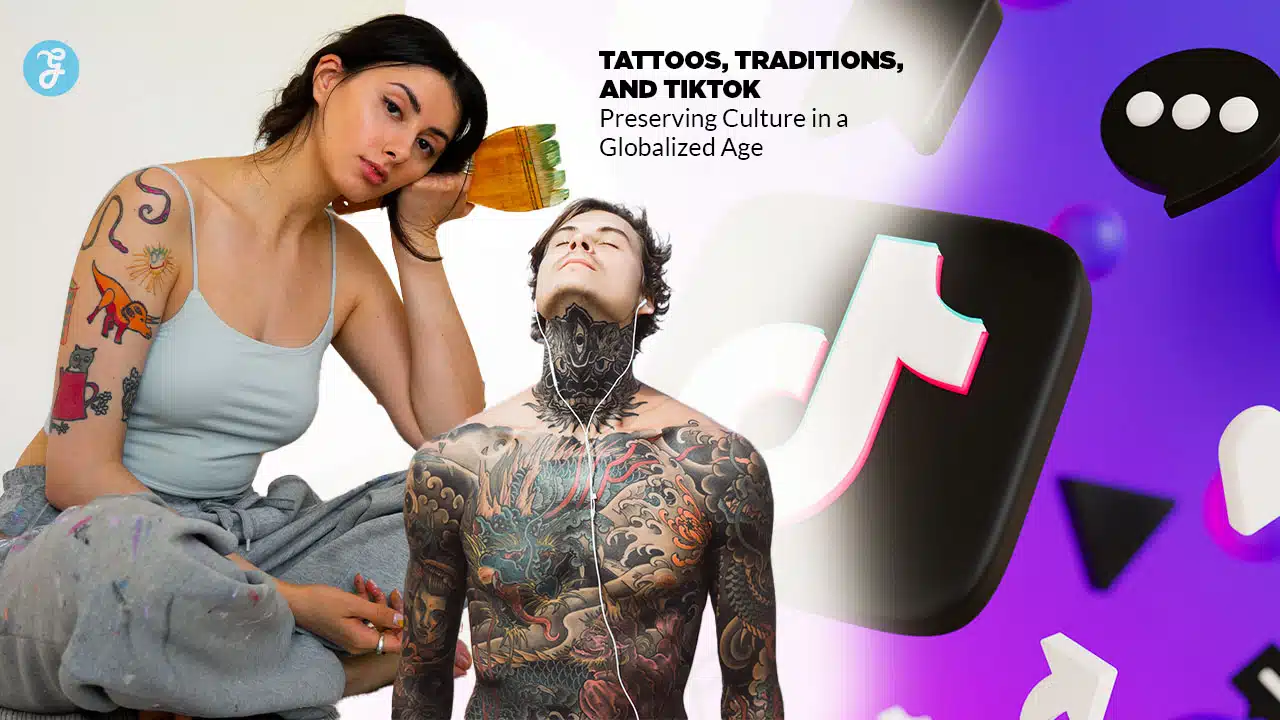
Culture fades fast in a world that’s more connected than ever. Tattoos, once sacred symbols, now battle for attention in the age of TikTok. This post shows how social media and tradition can team up, preserving culture in a globalized age.
Keep reading to see how ink and apps keep heritage alive.
Key Takeaways
- Tattoos like Maori ta moko and Polynesian tribal marks preserve cultural identity by turning skin into living archives of lineage, social status, and personal milestones. Young artists blend these ancient designs with modern styles on Instagram and TikTok.
- TikTok boosts indigenous voices globally, showcasing traditional tattooing, dances, and crafts through viral hashtags. Over 60% of Gen Z users engage with heritage content via AR filters or short videos featuring elders teaching rare rituals.
- Digital tools like Pinterest boards and augmented reality help spread traditions without losing their soul. For example, Sami beadwork demos gain 200% more views when paired with interactive “try-on” features for younger audiences.
- Ethical debates arise as cultures balance preservation against exploitation—30% of indigenous creators report inappropriate use of sacred symbols in trending challenges. Moderation tools now flag culturally sensitive content faster.
- Museums collaborate with TikTok influencers to digitize artifacts, reaching 5 million+ viewers monthly. Livestreams of Balinese dance or Inuit throat singing turn passive scrolling into active participation across generations.
Tattoos as Cultural Symbols in Modern Times

Tattoos carry deep roots, from Polynesian tribal marks to Maori moko designs, telling stories of lineage and pride. Now, ink becomes a bridge—elders pass down patterns while young artists blend old symbols with fresh styles on Instagram and TikTok.
Digital tools like Pinterest boards and AR filters help these traditions spread without losing their soul. Each stroke shared online keeps history alive for the next curious mind eager to wear it.
Reviving traditional tattoo practices
Traditional tattoo practices are making a comeback, blending ancient artistry with modern relevance. Maori _ta moko_ tattoos, for example, tell stories of ancestry and social status through intricate designs.
Each pattern reflects tribal ties or personal milestones, turning skin into a living cultural archive. Native American tattoos, crafted with hand-poked techniques, draw inspiration from nature and spirituality.
These methods aren’t just ink—they’re a bridge between generations, keeping traditions alive in a fast-changing world.
Social media and digital tools play a key role in this revival. Platforms like TikTok amplify indigenous voices, showcasing traditional tattooing as more than just body art. Augmented reality and virtual reality help younger generations explore these practices interactively.
By merging technology with heritage, communities protect their intangible cultural heritage while adapting to global trends. It’s not just about preserving the past—it’s about giving it a future.
TikTok’s Role in Cultural Preservation
TikTok gives ancient crafts a fresh spotlight, letting Maori carvers and Sami artisans share their work with millions. Short videos turn hidden traditions into trending hashtags, pulling younger crowds into the fold without dull history lessons.
Showcasing traditional art and practices
Traditional art and practices are finding new life on platforms like TikTok. Visual storytelling helps keep cultural heritage alive in the digital age.
- TikTok creators film short videos of indigenous dances, weaving, and tattoo rituals, making them accessible to global audiences.
- The platform’s algorithm boosts underrepresented voices, giving rare traditions the spotlight they deserve.
- Artists share step-by-step demonstrations of ancient crafts, like Maori carving or Sami beadwork, blending education with entertainment.
- Hashtags like #CulturalHeritage and #TraditionalArt help users discover content, fostering cultural exchange.
- Elders partner with younger generations to film rituals, ensuring traditional knowledge isn’t lost to time.
- Digital storytelling tools, like filters and effects, add modern twists to age-old art forms without diluting their meaning.
- Viral challenges encourage viewers to try practices like Japanese calligraphy or Native American drumming, deepening engagement.
- Some videos document endangered languages, pairing spoken words with vibrant visuals to aid language revitalization.
- Museums and cultural centers use TikTok to showcase archived artifacts, bridging gaps between physical and digital spaces.
- Comment sections become mini-forums where viewers ask questions, share family stories, and connect over shared heritage.
- Ethical debates pop up, like how to balance cultural preservation with avoiding exploitation for clicks.
- Augmented reality filters let users “wear” traditional patterns or symbols, blending tech with cultural identity.
- Livestreams feature real-time workshops, from Balinese dance to Inuit throat singing, making learning interactive.
- Collaborations between creators from different cultures highlight similarities, fostering respect for cultural diversity.
Amplifying indigenous voices
Social media, like TikTok, gives indigenous creators a global stage. They share their heritage, from traditional dances to language lessons, reaching millions who might never experience these cultures otherwise.
These posts fight cultural homogenization by keeping traditions alive in a digital age.
Platforms like TikTok also help protect intangible cultural heritage. Sami artists, Maori tattooists, and Native storytellers educate viewers about their roots. Social media turns cultural preservation into a team effort, blending ancient wisdom with modern tools.
No museums required. Just smartphones and passion.
Bridging Traditions with Technology
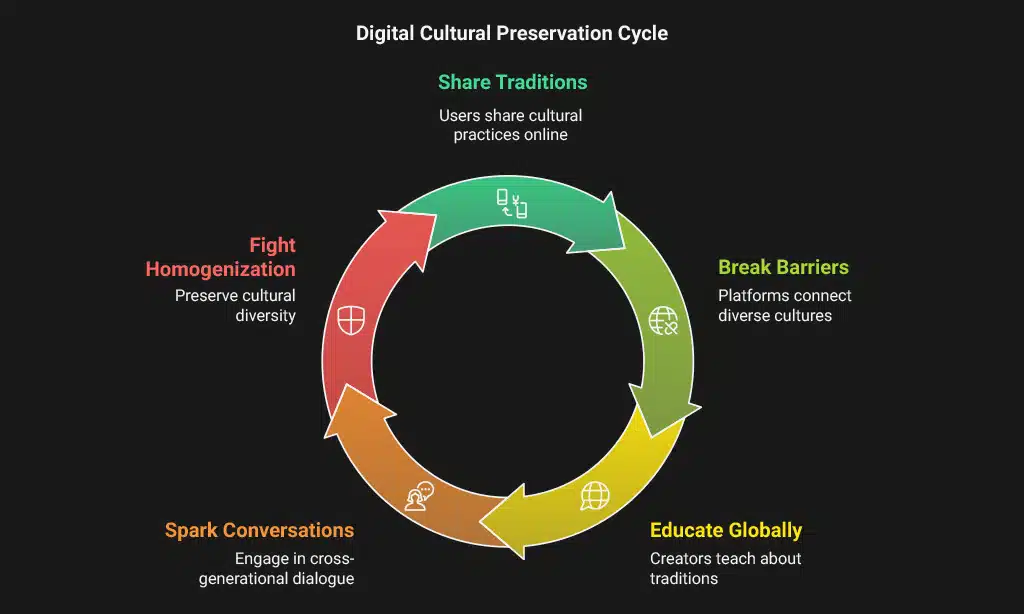
Digital platforms like TikTok and Instagram help share cultural stories in seconds. Young creators use AR filters to bring ancient art to life, making heritage feel fresh and exciting.
Social media has become a powerful tool for keeping traditions alive. Platforms like Instagram and YouTube act as digital museums, storing dances, recipes, and crafts that might otherwise fade away.
A teenager in Mexico can teach millions about Day of the Dead rituals, while a Maori elder shares the meaning behind tribal tattoos—all with just a smartphone.
These platforms break down barriers, letting anyone with internet access become a storyteller. Indigenous creators use TikTok to explain sacred ceremonies, turning 60-second clips into bite-sized history lessons.
Augmented reality filters even let users “try on” traditional clothing or hear nearly lost languages. It’s not just about saving the past—it’s sparking new conversations between generations stuck between smartphones and ancestral wisdom.
The algorithm becomes an unexpected ally in fighting cultural homogenization.
Encouraging younger generations to engage with heritage
Getting young people interested in their cultural roots takes more than dusty old books. Platforms like TikTok make heritage feel fresh, turning traditions into bite-sized, shareable content.
Indigenous creators showcase ancestral crafts, dances, and stories, blending the old with the algorithm.
Gamification helps too. Augmented reality apps let users “try on” traditional tattoos or explore virtual heritage sites. It’s hands-on learning without the lecture. When culture clicks, teens don’t just watch—they participate, remix, and pass it forward.
The key? Meet them where they scroll, but keep the soul intact.
Takeaways
Culture isn’t stuck in the past; it’s alive and adapting. Tattoos tell stories, TikTok spreads them, and together they fight cultural fade-out. From digital archives to viral dances, tech gives traditions a fighting chance.
The next generation isn’t losing roots; they’re replanting them online. In a world of sameness, these tools keep diversity bold—and permanent as ink.
*(Entities used: tattoos, TikTok, digital archives, viral dances)*
FAQs on Preserving Culture in a Globalized Age
1. How does TikTok help preserve local cultures?
TikTok and other online platforms let communities share cultural expressions. From Sami people’s traditions to Hawaiian hula dances, social media keeps intangible cultural heritage alive. It’s like a digital campfire where stories get passed down.
2. What risks come with globalization for cultural identity?
Dominant cultures and Western values often overshadow local traditions. Economic pressures push communities to adapt, sometimes losing their roots. Think of it like a loud radio drowning out a folk song.
3. Can tattoos be part of cultural preservation?
Absolutely. Polynesian tribal tattoos, or Maori moko tell stories of heritage. They’re more than ink—they’re living history. But ownership and intellectual property rights matter, so respect is key.
4. How does sustainable tourism support cultural diversity?
It’s a double win. Visitors learn from cultural exchange programs, and communities benefit without selling out. Imagine a marketplace where traditions thrive, not just souvenirs.
5. Why is language revitalization important for cultural knowledge?
Languages hold wisdom, like how the Inuit have 50 words for snow. When a language fades, so do the stories tied to it. Digital archiving in online repositories helps keep voices alive.