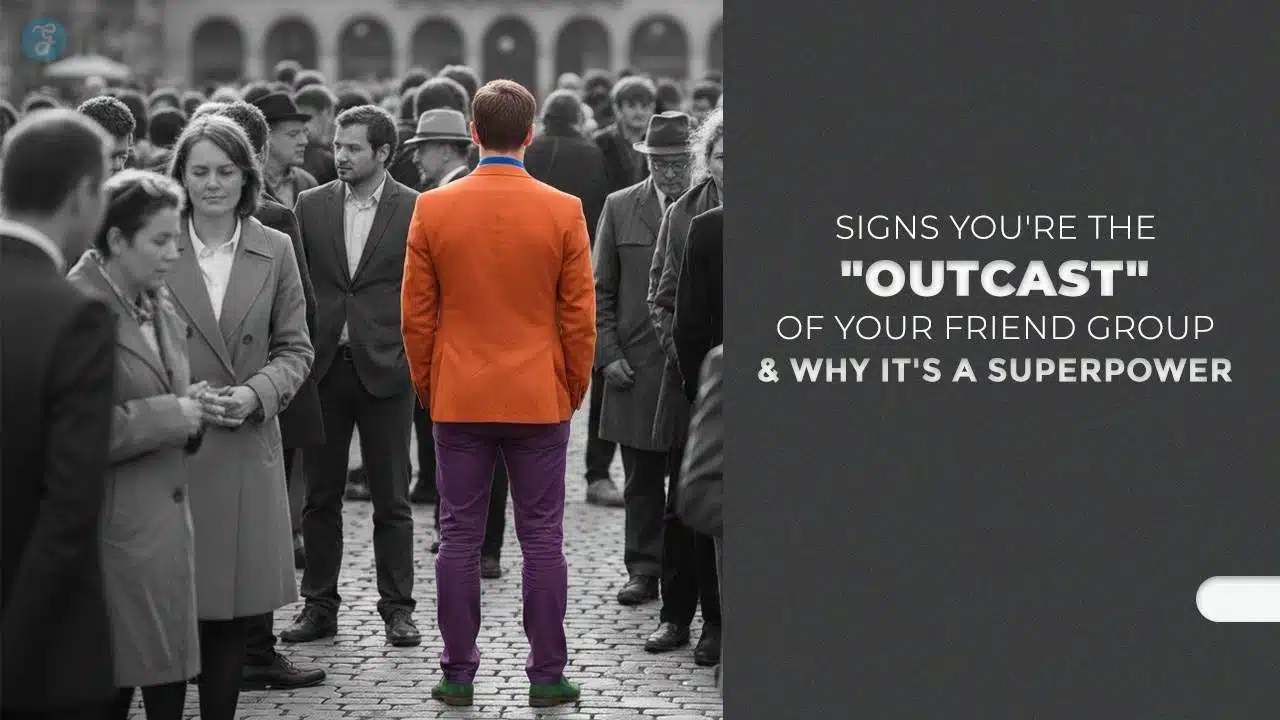
Ever feel like the odd one out in your friend group, no matter how hard you try to fit in? Many people get called the black sheep or even face bullies and punishment for following their own instincts.
This blog will show you ten signs that you’re not just misunderstood but actually have a hidden superpower thanks to your so-called outsider status. Keep reading—you might find that being different is your greatest strength.
Key Takeaways
- Being the “outcast” often means you think or act differently from your group. You may spend more time alone or feel left out at events. This can be due to cultural differences, unique interests like cricket, or having strong opinions that clash with mainstream ideas.
- Not fitting in helps build self-awareness and emotional strength. Famous people like Robin Williams have spoken about loneliness even among friends. Spending time alone lets you reflect on who you are and what matters to you.
- Outcasts are good at picking up social cues and feelings of exclusion, such as being ignored in talks or not invited to gatherings because of age, looks, or labels.
- Choosing authenticity over conformity is powerful. Being yourself attracts real friends who share your values and respect your boundaries; it also sparks creativity and personal growth.
- Embracing your “outcast” status can be a superpower. It lets you see the world differently, solve problems in new ways, and build deep bonds with like-minded people by sharing stories and supporting other unique voices.
Why Do I Often Feel Misunderstood by My Friends?

Feeling misunderstood can sting, like being the odd puzzle piece at a dinner party. Sometimes, words get tangled on your tongue or cultural habits set you apart. The author faced this in China, struggling to connect with others due to language barriers and feeling left out.
Moving to Australia brought other hurdles. Not liking local sports or outdoor fun led classmates to push them aside too. Even job titles cause confusion; saying “banker” feels easier than explaining an unusual career.
Most people hide parts of themselves just to fit into the group’s box. Society expects us all to share one mold, even though now everyone seems eager for their own spotlight online.
Old souls who act different face judgment fast from those climbing the social ladder or sticking close by old labels around gender and sexual orientations. Having opinions that challenge group thought can leave someone ostracized, called immature or accused of overthinking motives and feelings when all they want is a sense of belonging without faking it.
Why Do My Opinions Often Differ from the Group’s?
Most groups stick to mainstream ideas. This makes it easy for everyone to get along, but not much changes. People often repeat what is popular or safe, even if it is not real. Sometimes, powerful people and companies use money to shape public views.
They hire lobbyists who push certain stories in the news and online spaces. That means some group opinions are not really their own thoughts at all; they just reflect what someone with more power wants you to say.
You might speak up when something feels off or wrong, even if no one else does. Many call this being outspoken; others call it immaturity or wrath out of fear and misunderstanding.
Old souls see through the noise of fake debates and simple black-or-white thinking. Some refuse unhealthy “common sense” habits that cause problems like debt and sickness later on.
You may hear others sugarcoat serious issues while you aim for honesty, just like a wise boss once did at work long ago. Seeking cultural diversity can help too since hearing many voices builds better coping mechanisms during tough times such as an existential crisis or a strong need to belong within different genders and backgrounds than your own.
Why Do I Spend More Time Alone Than with Friends?
Spending more time alone often feels like breathing fresh air after a long day in a stuffy room. Alone, your mind runs free; you think deep thoughts, ask big questions, and work on creative ideas without needing anyone’s okay.
For many people branded outcasts, solitude is not just quiet—it is productive and perfect for personal growth. Some days, even the only texts you get might come from family on your birthday because friends forget or reach out only when they need something.
Robin Williams once said: “The worst thing in life is to end up with people who make you feel all alone.” That hits hard for folks who usually have two or three close pals at best.
Phone screens become trusted buddies. Solitude gives space to discover what makes you tick—no need to please others or fit into group molds that never quite match your old soul vibe.
Here, nobody cares if you’re weird; freedom means peace of mind and zero pressure to be someone else just so “friends” notice you exist.
Why Am I Not Invited to Certain Gatherings?
Many times, not getting invited feels personal. It can hurt. You might wonder why it happens often to you. This could link back to your past experiences, like losing friends due to racism in high school or being isolated as a dad at daycare pickups.
Groups often form around common interests or backgrounds, leaving those who don’t fit out of the loop.
People also make quick judgments based on looks or age. Ageism can create gaps too. If you don’t match what a group thinks is cool, they may forget about you when making plans. Social labeling—like calling someone an “art-head”—can reinforce these feelings of exclusion and keep you from certain gatherings with friends.
Prioritizing Authenticity Over Conformity
Being true to yourself is powerful. It lets you shine in a world that often wants you to fit in.
How Can I Stay True to Myself Among Friends?
Staying true to yourself can be tough. Friends may not always understand you, but it’s important to embrace who you are. Here are some ways to keep your authenticity alive:
- Speak your mind. Share your thoughts even if they differ from others. Your opinion matters.
- Set personal boundaries. Know what feels right for you and say no when needed. Respect your own limits.
- Embrace your interests. Pursue what you love, even if it’s different from the group’s interests. Your passions define you.
- Seek diverse experiences. Engage with various cultures and perspectives, like playing cricket or attending cultural events, to broaden your view.
- Find your tribe over time. Look for those who share similar values and enjoy the same things as you do.
- Accept discomfort as growth. Sometimes, feeling out of place can lead to self-discovery and new insights about yourself.
- Practice self-reflection regularly. Take time to think about what you stand for and how it aligns with your friendships.
- Share stories about being an outcast with friends or online groups; this can create understanding and help cultivate emotional resilience among peers.
- Celebrate small wins in being authentic; every step counts toward personal growth and strengthens your individuality.
- Laugh at yourself sometimes! Humor can lighten awkward moments and remind everyone that it’s okay to be different.
Your journey is yours alone, so cherish it while staying true to yourself!
What Are the Benefits of Being Authentic?
Being authentic has many advantages. It allows you to grow and feel free.
- Authenticity helps you know yourself better. You become aware of what you truly want and need in life.
- It boosts your confidence levels. Being true to yourself makes you feel good, inside and out.
- Authentic people attract real friends. You find those who accept you for who you are, not who they want you to be.
- Being genuine helps build trust with others. People appreciate honesty and are more willing to open up around you.
- Authenticity can spark creativity and new ideas. The freedom to express yourself leads to fresh thoughts and solutions.
- Embracing your true self brings emotional resilience. You learn how to cope with challenges without losing your core identity.
- Living authentically can lessen feelings of loneliness and isolation over time. You connect more deeply with those around you.
- It allows you to break free from societal pressures. You live life on your terms rather than trying to fit into a mold.
- Knowing and accepting yourself makes it easier to face rejection or criticism from others, turning negativity into growth opportunities.
- Lastly, being an authentic “outcast” is a superpower in disguise! Your different perspective can lead to unique insights that others might miss out on, aiding personal growth along the way.
Why Am I Labeled as the “Black Sheep”?
People often see me as the “black sheep.” I didn’t fit in at school. Cultural differences set me apart from my peers. Australian students rejected me because we didn’t share interests.
Racism from European classmates made things worse, and I lost friends over it. Connecting with Chinese students was hard due to the language barrier. These experiences shaped how others viewed me.
I chose a different path in life; entering sound engineering at 16 showed my desire for something unique. My marriage to a Chinese woman faced public ridicule in Australia, bringing even more labels my way.
Traditional gender roles did not work for me either; office jobs felt depressing and limiting. Social labels like “art-head” or “jock” only reinforced exclusion and pushed individuality aside, making it tough to feel accepted among friends.
Why Don’t My Interests Align with the Group’s?
Your interests might not match your friends’ for many reasons. You may find joy in activities like cricket or celebrating Ramadan, while they prefer local sports or events. This difference can make you feel out of place.
It’s okay to enjoy diverse cultures and experiences. Your past shows how being drawn to Sri Lankan and Muslim traditions set you apart from your Australian peers.
This can lead to misunderstandings in friendships. Some people stick to what is “normal,” but that often means following the crowd blindly. By staying true to what you love, you embrace your individuality.
It helps foster personal growth too! In a world rich with different ideas, finding a niche that reflects who you are can be your superpower!
How Can I Recognize Subtle Exclusions in Conversations?
Pay attention to how people react when you speak. If they change the topic quickly or avoid eye contact, it may show you’re being excluded. Sometimes, jokes are made at your expense, but others laugh off your ideas without much thought.
These small signs can hurt.
Being the only father at daycare pickups feels lonely. It highlights a gap between you and the group of mothers. Don’t forget that social labels from high school still exist in adult life.
They create divisions among friends and affect connections at work too. Being aware of these cues helps build emotional resilience and understand yourself better as an individual.
Why Do I Feel Drained After Socializing with My Friends?

Socializing with friends can be tiring. Sometimes, it feels like a circus act. You have to jump through hoops just to fit in. Friends might not ask how you’re doing. This lack of support makes you feel alone even when you’re surrounded by people.
The pressure to act happy and normal can wear you down fast.
Comparing yourself to others adds stress too. Maybe your neighbors get new cars or fancy homes while you struggle with everyday life. These thoughts creep in during gatherings, making it hard to enjoy the moment.
You may feel drained from trying so hard to express yourself but ending up feeling unheard or unseen instead. Emotional exhaustion comes from all this pressure and the fear of not being accepted for who you really are; it’s tough work putting on a brave face!
How Can I Develop a Strong Sense of Individuality?
Developing a strong sense of individuality is essential for personal growth. It helps you feel more confident and authentic in your life.
- Explore your passions. Try new hobbies or activities that excite you. Find what makes your heart race and your mind spark.
- Set personal goals. Think about what you want to achieve in life. Write down your dreams, big or small, and work towards them.
- Reflect on your values. Understand what truly matters to you. Your values guide your decisions and shape who you are.
- Embrace discomfort. Stepping out of your comfort zone leads to growth. Challenge yourself; it can make you stronger and wiser.
- Spend time alone. Use quiet moments to think about yourself without outside influences. Solitude can help clarify your thoughts and feelings.
- Seek diverse perspectives. Talk with people who have different views and experiences than yours, learn from them, and find common ground while respecting differences.
- Limit social media influence. Take breaks from platforms that pressure you to fit in or compare yourself to others; focus on being true to yourself instead.
- Surround yourself with supportive people. Build a circle of friends who accept you as you are; this will boost your self-esteem and confidence.
- Create art or express yourself creatively through writing, music, or drawing; these outlets can help share your unique viewpoint with the world.
- Practice self-compassion; be kind to yourself during tough times or when things don’t go as planned. Everyone struggles now and then.
- Celebrate small victories; each step forward counts, no matter how minor it seems. Every success adds to your individuality story over time.
Outcasts often attract like-minded individuals by staying true to themselves throughout all these processes too!
How Does Being an Outcast Enhance Self-Awareness?
Being an outcast can enhance self-awareness. Outcasts often experience loneliness, but this solitude allows for deep thinking and self-discovery. Fewer close friends mean more time to reflect on personal values and feelings.
This unique experience helps build a strong sense of self.
Outcasts also notice the emotions of others better. They can pick up on small signals of loneliness or exclusion in conversations. This awareness sharpens their insights about themselves and makes them more empathetic towards others who feel left out.
Emotional resilience grows through facing rejection, which strengthens both character and understanding of oneself.
How Does It Improve Emotional Resilience?
Feeling left out can hurt. It stings when friends don’t include you. This pain, though hard to bear, can build something positive. Experiencing exclusion teaches you how to bounce back after tough times.
You learn that rejection is not the end of your story; it helps you grow stronger inside.
Writing down feelings helps many people cope with these tough emotions. Creative expression lets them process what they feel and think. Such practices boost emotional resilience over time.
They also show the importance of having good support from others like friends or professionals during hard moments. By gaining strength through challenges, outcasts become more adaptable and emotionally tougher in life’s ups and downs.
How Do Outcasts See the World Differently?
Outcasts view the world through a different lens. They often question what others accept without thought. This makes them seek deeper meaning in life. Many outcasts have diverse experiences from multiple cultures.
These experiences give them a broad worldview.
Society’s norms do not easily sway them. They think independently and challenge common beliefs. Outcasts see beyond mainstream expectations, noticing details that many overlook. They spot limits in common sense practices too, which can lead to unhealthy living.
Their unique perspective offers an opportunity for personal growth and emotional resilience, as they learn to navigate their surroundings with care.
How Does Being an Outcast Encourage Creativity and Innovation?
Being an outcast can spark creativity. Solitude often leads to deep thought and new ideas. Time alone helps you reflect without distractions. This environment is perfect for problem-solving and innovation.
Following the crowd can stifle your imagination. Many great thinkers, like inventors and artists, thrived outside the norm. They saw things differently because they were not afraid to stand apart.
Embracing discomfort allows personal growth too; it fuels innovative thinking and makes room for unique insights. The lonely path of an outcast can actually be a creative advantage that many miss.
How Do I Attract Like-Minded Individuals Over Time?
Staying true to yourself helps you find friends who share your values. Being authentic attracts like-minded people naturally.
- Show your true self. Speak your mind and share your interests freely. This openness draws similar people to you.
- Connect through hobbies or activities you love. Join clubs or groups that focus on what you enjoy. You’ll meet others who have the same passions.
- Share your experiences with others. Talk about your unique friendships with diverse groups, like Sri Lankan, Muslim, and Jewish peers. These stories can resonate and form bonds.
- Be active in online communities related to your interests. Find forums or social media groups that match what you care about. Engage with others there.
- Let go of the need to fit in everywhere. Accept that being an outcast is a strength, showing independent thought will appeal to those who value authenticity too.
- Reach out when something resonates with you in conversations, even if it’s small stuff; this shows you’re interested and can create deeper connections over time.
- Regularly express your creativity; whether through art, writing, or other outlets, this action often attracts those who appreciate authenticity and innovation.
- Attend events where like-minded individuals gather regularly—these could be workshops, book clubs, or community service events; it’s a great way to build friendships organically over time.
- Listen more than you speak during group interactions; understanding others can help forge lasting relationships based on shared thoughts and feelings.
- Embrace individuality instead of conformity; as you shine brighter in your unique light, you’ll attract those drawn to the genuine energy you give off.
- Follow up after meeting new people; send a message or invite them for coffee to talk more about shared interests and deepen those connections further.
- Support other people’s passions without hesitation; this builds trust and encourages them to support yours in return, creating a strong network over time.
- Create safe spaces for sharing thoughts among friends or peers; these environments allow everyone’s voice to be heard while boosting emotional resilience within the group.
- Share meaningful moments with potential friends over time; simple coffee chats can lead to stronger bonds if rooted in authentic conversations.
- Keep nurturing existing friendships as well as new ones; a small circle of trusted friends often becomes more fulfilling than a larger group lacking depth.
16.Acknowledge that building friendships takes time but stay patient; real connections often develop slowly but are highly rewarding once established.
Embracing Your “Outcast” Status as a Superpower
Being an outcast can feel lonely, but it also brings power. Outcasts see the world differently. They often notice things others miss. This unique view can spark new ideas and lead to creativity.
Embracing your status lets you accept yourself more fully.
Many outcasts grow stronger over time. They build emotional resilience from their experiences. Instead of fitting in, they explore who they really are. Society now values individualism more than ever, making your journey common and relatable.
Embrace your differences; they make you special!
Takeaways
Feeling like an outcast can be tough. Yet, it has its perks. Embracing your uniqueness fuels creativity and self-awareness. You develop emotional strength too. So, wear your “outcast” badge with pride; it’s a superpower that helps you grow!
FAQs
1. What are some signs that show someone is the outcast in a friend group?
You may feel like an old soul, always thinking deeper than your friends. Sometimes you notice you bounce back from tough times quickly; that’s emotional resilience at work. Maybe people call you “different” or say you act older than your age.
2. Can being the outcast help with personal growth?
Yes, it can spark huge personal growth. When you’re not part of the crowd, you learn about yourself faster. You get good at handling hard feelings and standing strong alone.
3. Is feeling like an outsider heritable?
Some traits linked to feeling outside the pack might be heritable; for example, if your parents were also deep thinkers or old souls, it’s possible you’ll share those qualities too.
4. Why do people see being an outcast as a superpower?
People who stand apart often build emotional resilience quicker than others in their group. They spot problems early and think up creative fixes fast; this helps them grow stronger inside and find new paths forward when life gets rough.