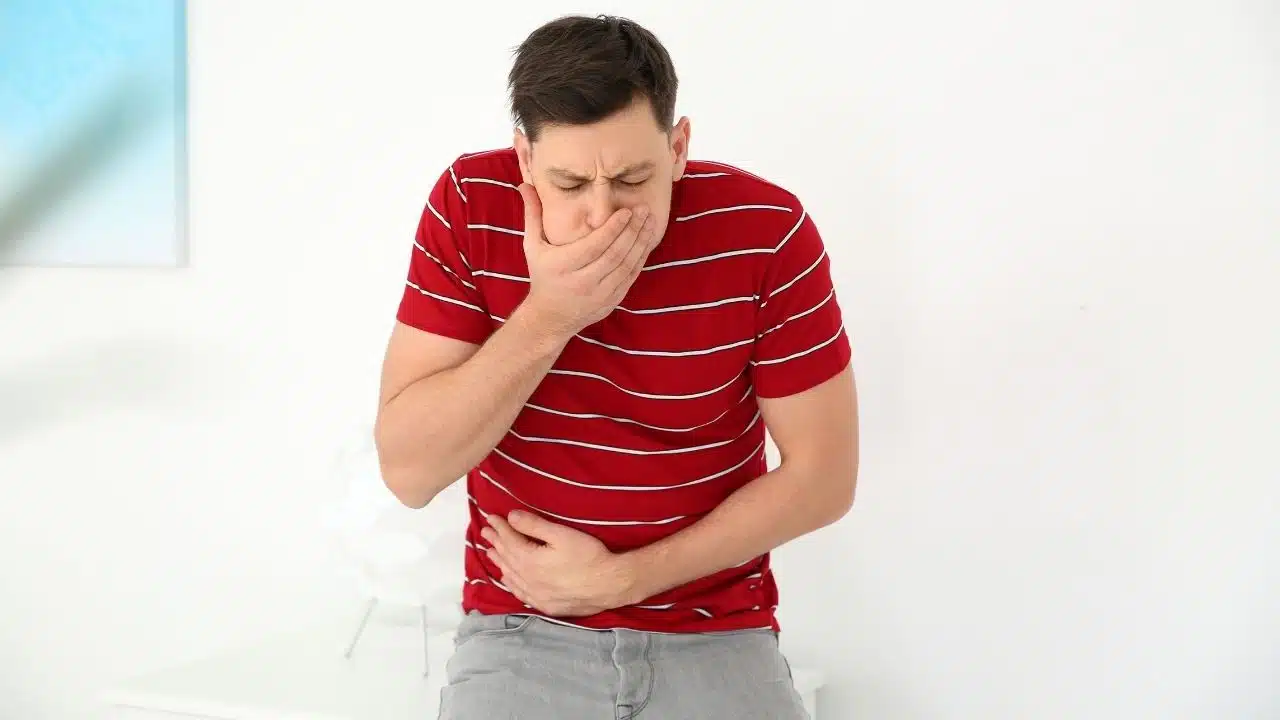
Norovirus, also known as the “winter vomiting disease” or “winter vomiting bug,” is a highly contagious virus that causes inflammation of the stomach and intestines (gastroenteritis). It is one of the most common causes of stomach illness worldwide, especially during the colder months, although it can occur year-round. This virus spreads quickly, particularly in close-contact environments such as schools, nursing homes, and hospitals.
It survives well on surfaces, making it easy to pick up by touching contaminated objects or food. With norovirus cases rising sharply in the United States recently, understanding the virus and how to protect yourself is essential.
What is Norovirus?
Norovirus is a group of viruses that attack the stomach and intestines, leading to sudden bouts of nausea, vomiting, diarrhea, and stomach cramps. Often called the “winter vomiting bug” because it peaks in winter, the infection can cause unpredictable and severe symptoms that disrupt daily life. While it shares some symptoms with the flu or other stomach viruses, norovirus is caused by a different family of viruses and is particularly known for causing rapid outbreaks in communities.
The virus particles are present in enormous numbers in the vomit and feces of infected individuals, which makes any contact with these substances highly infectious. Even after symptoms cease, an infected person can continue to shed the virus for up to two weeks, raising the risk of spreading it unwittingly.
Symptoms of Norovirus
Symptoms typically appear suddenly, within 12 to 48 hours after exposure to the virus, and can last from one to three days. The illness often begins with a wave of nausea followed by violent vomiting without warning. Diarrhea usually develops shortly after, accompanied by sharp, crampy stomach pains that cause significant discomfort. Alongside these core symptoms, individuals may experience a mild fever, headaches, and muscle or body aches, contributing to a general feeling of being unwell.
While many recover quickly without complications, the virus can cause serious dehydration, especially in young children, older adults, and those with weakened immune systems. Dehydration signs like dry mouth, reduced urination, dizziness, and lethargy warrant immediate medical attention.
How Norovirus Spreads?
Norovirus spreads through multiple routes, making it extremely contagious:
- Direct contact with an infected person: Touching the vomit or feces of a sick person or caring for them puts you at high risk.
- Contaminated surfaces: The virus can survive for days or even weeks on surfaces like door handles, tables, and countertops. Touching these followed by touching your mouth or food leads to infection.
- Contaminated food and water: Eating food or drinking liquids that have been handled by an infected person without proper hygiene, or undercooked shellfish, can transmit the virus.
- Aerosolized particles: When an infected person vomits, tiny droplets containing the virus can become airborne, which others may inhale or contact.
This persistence and ease of transmission explain why norovirus outbreaks can spread rapidly, particularly in communal and healthcare settings.
Current Situation of Norovirus in the U.S.
According to the Centers for Disease Control and Prevention (CDC), norovirus cases in the U.S. have nearly doubled recently, with about 14% of tests returning positive compared to 7% three months ago. Over 2,700 tests conducted in a recent time frame identified approximately 380 cases, signaling a robust rise. The virus causes around 2,500 outbreaks yearly in the country, leading to over 100,000 hospitalizations and approximately 900 deaths, mainly among the elderly and young children.
Wastewater monitoring data show a 69% increase nationwide since October, notably impacting states like Louisiana, Michigan, and Indiana. While the current surge is substantial, it is still less severe than spikes seen in some previous years, with norovirus activity following typical seasonal patterns.
Preventive Tips to Stay Safe
Stopping the spread of norovirus relies heavily on personal and environmental hygiene:
- Handwashing: Regularly and thoroughly wash hands with soap and water for at least 20 seconds, especially after using the restroom and before eating or preparing food. Alcohol hand sanitizers are less effective against this virus.
- Disinfection: Clean and disinfect frequently touched surfaces using bleach-based cleaners or products approved by health authorities. This includes kitchen counters, bathroom fixtures, door handles, and light switches.
- Food safety practices: Cook shellfish thoroughly, wash fruits and vegetables well before eating, and avoid raw or undercooked foods that may harbor the virus.
- Isolation when sick: Stay home when symptoms are present and for at least 48 hours after recovery to avoid infecting others. Avoid preparing food for family or friends during this time.
- Hydration: Drink plenty of fluids such as water, oral rehydration solutions, or electrolyte drinks to counter dehydration caused by vomiting and diarrhea.
Managing Norovirus in Healthcare and Community Settings
In hospitals, nursing homes, and childcare centers, controlling norovirus involves strict isolation protocols. Patients with norovirus are separated to prevent cross-contamination, and healthcare workers wear protective equipment like gloves and gowns. Enhanced cleaning routines with effective disinfectants are applied to all exposed surfaces. These measures are vital since enclosed spaces and vulnerable populations increase the risk of rapid outbreaks.
When to Seek Medical Care?
Most people recover without medical intervention. However, if symptoms persist for more than a few days, or dehydration signs worsen, medical help should be sought immediately. High-risk groups, such as infants, elderly, or individuals with weakened immune systems, should be especially cautious and seek prompt care if symptoms worsen.
This detailed information aims to raise awareness about norovirus, its symptoms, transmission, and preventive measures, especially as it spreads rapidly across the U.S. this winter season. Keeping up with hygiene practices and recognizing symptoms early can help reduce transmission, protect vulnerable groups, and manage outbreaks successfully during this heightened period of viral activity.