
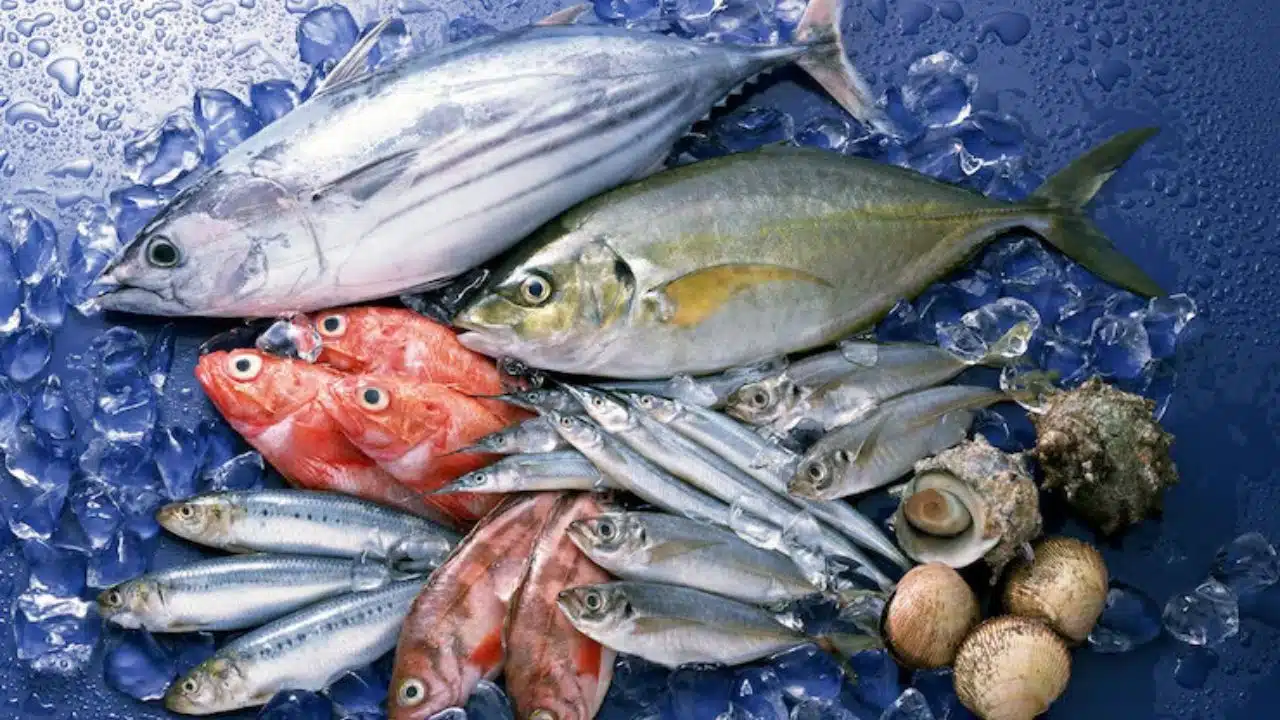
According to the Food and Agriculture Organization (FAO) of the United Nations (UN), consumption of aquatic foods has surpassed population growth over the last few decades, with an average annual growth rate of 3% compared to a population growth rate of 1.6%. This growth in consumption has been followed by a considerable increase in world fish production, which has quadrupled between 1961 and 2017, compared to a doubling in global population. Continuous innovation and the emergence of aquaculture over the last 50 years have contributed to the enormous growth in productivity. Furthermore, the global average per capita consumption of fish has more than doubled during the same time period, owing mostly to increased aquaculture outputs. In 2013, aquaculture’s contribution of world fish production surpassed the wild catch method. The technique of collecting fish and other seafood directly from their natural environments, such as seas, rivers, lakes, or other bodies of water, is referred to as wild catch. Aquaculture, often known as fish farming or aquafarming, on the other hand, is the activity of producing fish and other aquatic organisms in regulated conditions.
Statistics on Seafood Consumption
According to FAO, global seafood consumption has climbed from 9.9 kilograms (kg) in the 1960s to a peak of 20.5 kg in 2019. Moving forward, per capita intake of fish and seafood is predicted to reach 21.4 kg by the end of this decade. Asia is the world’s largest fish consumer, accounting for 72% of total worldwide fish production. As of 2020, the Maldives, located in South Asia, has the greatest per capita fish consumption. Kiribati, Macao, and Hong Kong are also among the top five per capita fish consumers in the world. According to experts, fish will play an important role in food security in the future due to its high protein level and micronutrient richness, particularly in coastal locations. The surge in demand for fish can be ascribed to coastal development, rising household incomes, increased fish production, improved distribution channel efficiency, and increased recognition of fish as a healthy and nutritious offering.
Also Read: Building a Safer Plate: Your Guide to World Food Safety Day 2023
The Economic Influence of the Fishing Industry
The fishing sector contributes significantly to economic growth and global employment. The fishing sector directly employs around 58.5 million people, and fisheries and aquaculture support 600 million livelihoods. Total global fish production hit an all-time high of 214 million tons in 2020, demonstrating the industry’s significant contribution to global food supply. Meanwhile, global aquaculture production reached a record of 122.6 million tons, valued at $281.5 billion.However, global trade in fisheries and aquaculture offerings decreased in 2020, totaling $151 billion, down from $165 billion in 2018. This drop was mostly caused by trade restrictions established during the COVID-19 epidemic, which disrupted global supply lines and harmed international trade. Additionally, you can also read about- Economic Powerhouses 2023: Discover the World’s Top 20 Richest Cities
Overall, by 2030, the share of fish production destined for human consumption is expected to reach 89%. Meanwhile, fish consumption is anticipated to increase by 18% by the end of this decade compared to 2018. These data indicate the favorable outlook on the fishing industry, giving investors plenty of reasons to be bullish on the finest fishing stocks. Mowi ASA (MOWI.OL) is one of the world’s largest publicly traded seafood firms. The $9 billion (NOK 99.26 billion) firm is well-known for its expertise in salmon aquaculture.It is one of the world’s leading producers of Atlantic salmon, with facilities in Norway, Scotland, Canada, Ireland, and Chile. Norway and Ireland are also on our list of countries with the greatest per capita fish consumption in 2020. Aquabounty Technologies Inc (NASDAQ:AQB), Leroy Seafood Group ASA (OTCMKTS:LYSFF), and Bakkafrost P/F (OTCMKTS:BKFKF) are some of the greatest aquaculture stocks, in addition to Mowi ASA (MOWI.OL).
Top 20 countries in terms of fish consumption per capita
1. Maldives
Consumption of fish per capita: 87.30 kg
The Maldives is an archipelago republic in the Indian Ocean known for its gorgeous beaches and abundance of marine life. Fish is a mainstay of Maldivian cuisine. Skipjack tuna is one of the most popular seafood in the Maldives. It is commonly used in popular meals such as mas huni, a classic morning dish composed with shredded tuna, coconut, onions, and chilli. In 2020, the Maldives had the greatest per capita fish consumption.
2. Iceland
Consumption of fish per capita: 84.30 kg
Iceland, an island nation noted for its clear waters and numerous marine resources, has a thriving fishing sector and a long history of seafood consumption. Cod is Iceland’s most popular fish, and it plays an important role in Icelandic cuisine. It can be found in traditional fish stews (plokkfiskur), fish and chips, and pan-fried or grilled fillets.
3. Macao
Consumption of fish per capita: 70.26 kg
Macao is noted for its colorful mix of Chinese and Portuguese cultures, as well as its eclectic culinary scene, which includes a wide range of seafood specialties. The white pomfret, in particular, is a favourite fish in the country. Macao is ranked third on our list of countries with the highest per capita fish intake.
4. Kiribati
Consumption of fish per capita: 69.22 kg
Kiribati, a Pacific island nation made up of 33 coral atolls, has a strong fishing culture and mainly relies on seafood for food. Trevally, a species of jackfish, is popular among Kiribati residents.
5. Hong Kong
Consumption of fish per capita: 65.79 kg
Hong Kong is a Chinese Special Administrative Region (SAR) where seafood plays an important role in the local cuisine. Garoupa, often known as grouper, is a highly valued fish in Hong Kong. It is frequently cooked with ginger and onions to bring out the inherent flavors of the fish. In many Cantonese seafood restaurants, steamed garoupa with soy sauce is a popular dish. In 2020, Hong Kong’s per capita fish consumption was 65.79 kg.
Read Also: Highest Meat Consumption Countries in the World
6. Portugal
Consumption of fish per capita: 59.36 kg
With its large coastline and fishing history, Portugal has a strong affinity for fish and seafood. Bacalhau, or salted cod, is a traditional Portuguese dish. Bacalhau à Brás (shredded cod with potatoes, onions, and eggs), Bacalhau com Natas (cod gratin with cream), or Bacalhau à Gomes de Sá (cod casserole with onions, potatoes, and olives) are common preparations.
7. Antigua and Barbuda
Consumption of fish per capita: 57.12 kg
Because of its coastal position, Antigua and Barbuda, located in the Caribbean, has a significant seafood culture. Snapper, often known as red snapper or yellowtail snapper, is a popular fish in Antigua and Barbuda.
8. South Korea
Consumption of fish per capita: 54.66 kg
South Korea has a significant seafood culture due to its vast coastline and abundant marine resources. Saengseon, also known as Pacific herring, is a popular fish in South Korea, where it is often used to make fish cakes (eomuk) and as a filling for a variety of dumplings and pancakes. South Korea is one of the world’s top fish-consuming countries.
9. Malaysia
Consumption of fish per capita: 53.33 kg
Malaysia, a Southeast Asian country famed for its rich culinary traditions, has a particular fondness for fish and seafood. Ikan Bakar, like its neighbor Indonesia, is a popular dish in Malaysia. Another popular Malaysian meal is Assam Pedas, a tangy and spicy fish stew prepared with tamarind, chilli, lemongrass, and different spices. It is typically prepared with mackerel (ikan kembung), catfish (ikan patin), or snapper (ikan merah) and served with steaming rice.
10. Seychelles
Consumption of fish per capita: 52.89 kg
Seychelles is eighth on our list of countries with the highest per capita fish intake. The country is known for its colorful marine life and delicious seafood, and fish is an important aspect of its cuisine. Red Snapper is a popular fish in Seychelles, and it is frequently prepared in a variety of ways, such as grilled, steamed, or fried.
11. Norway
Consumption of fish per capita: 50.57 kg
Norway has a long heritage of fishing and seafood consumption, thanks to its large coastline and abundance of cold, pure waters. Salmon is one of Norway’s most popular fish. Smoked salmon (rkt laks), gravlax (cured salmon), and grilled salmon fillets are all popular ways to consume it. Salmon is frequently served as a main meal, sandwich filling, or as a topping for open-faced bread.
12. Micronesia
Consumption of fish per capita: 48.61 kg
Micronesia is a large region in the western Pacific Ocean made up of numerous island nations and territories. Given its proximity to the sea, Micronesia’s cuisine frequently features a variety of fish and shellfish. In Micronesia, mahi-mahi, commonly known as dolphinfish, is a popular fish. It is frequently grilled, roasted, or pan-fried and served with rice or vegetables.
13. Japan
Consumption of fish per capita: 46.65 kg
Japan is well-known for its seafood-rich cuisine and a strong affinity for fish. Tuna, particularly bluefin tuna, is highly valued in Japan. It is often used in the preparation of sushi and sashimi. Hamachi, also known as yellowtail, is a famous Japanese fish that is used in a variety of recipes. It can be eaten raw as sashimi, grilled, or as sushi rolls. Japan ranks thirteenth on our list of highest fish intake by country per capita, with a per capita consumption of 46.65 kg.
14. Cambodia
Consumption of fish per capita: 46.65 kg
Cambodia is a Southeast Asian country located on the Indochinese Peninsula’s southern tip. Because of the country’s abundant waterways, such as the Mekong River and Tonle Sap Lake, fish is a prominent ingredient in local cuisine. Fish Amok is a well-known Cambodian dish. Cambodia’s per capita fish consumption was 46.65 kg in 2020.
15. Myanmar
Consumption of fish per capita: 45.85 kg
Myanmar, a Southeast Asian country, has a rich culinary legacy that includes a vast variety of fish dishes. With its wide coastline and river network, fish plays an important role in the country’s cuisine. Mohinga is regarded as Myanmar’s national dish. The country is ranked fifteenth on our list of countries with the highest per capita fish intake.
16. Nauru
Consumption of fish per capita: 44.75 kg
Because of its small land area and surrounding waterways, Nauru, a small island republic in the Central Pacific, has limited fishing resources. Another popular food in Nauru is fish soup. Fish, such as grouper or reef fish, are typically cooked in a delicious broth with vegetables, herbs, and spices. Fish soup is a filling and satisfying dish that is sometimes served with bread or rice.
17. Indonesia
Consumption of fish per capita: 44.71 kg
With its huge archipelago and abundant marine resources, Indonesia boasts a varied range of fish species that are used in its cuisine. Grilled fish, also known as Ikan Bakar in Indonesia, is a popular meal. Residents eat a variety of fish, including snapper, grouper, and mackerel.
18. Samoa
Consumption of fish per capita: 43.97 kg
Samoa is a country in the South Pacific Ocean with a long history extending back over 3,000 years. Grilling is a popular method of preparing fish in Samoa. Fish such as snapper, mahi-mahi, and trevally are marinated in indigenous herbs, spices, and lime juice before being grilled over an open flame. Grilled fish is frequently accompanied with taro or breadfruit.
19. French Polynesia
Consumption of fish per capita: 43.95 kg
French Polynesia is an island group in the South Pacific. Seafood is an important component of the local cuisine. The Poisson Cru is a famous traditional cuisine in French Polynesia that consists of raw fish marinated in lime juice and coconut milk, mainly tuna or mahi-mahi.
20. Barbados
Consumption of fish per capita: 43.88 kg
Barbados is a Caribbean island republic known for its gorgeous beaches and vibrant culture. Tourism and offshore finance are important economic areas for the country. The flying fish, also known as the flying cod, is regarded as a national dish. It is frequently served with cou-cou, a typical Bajan dish made of cornmeal and okra.