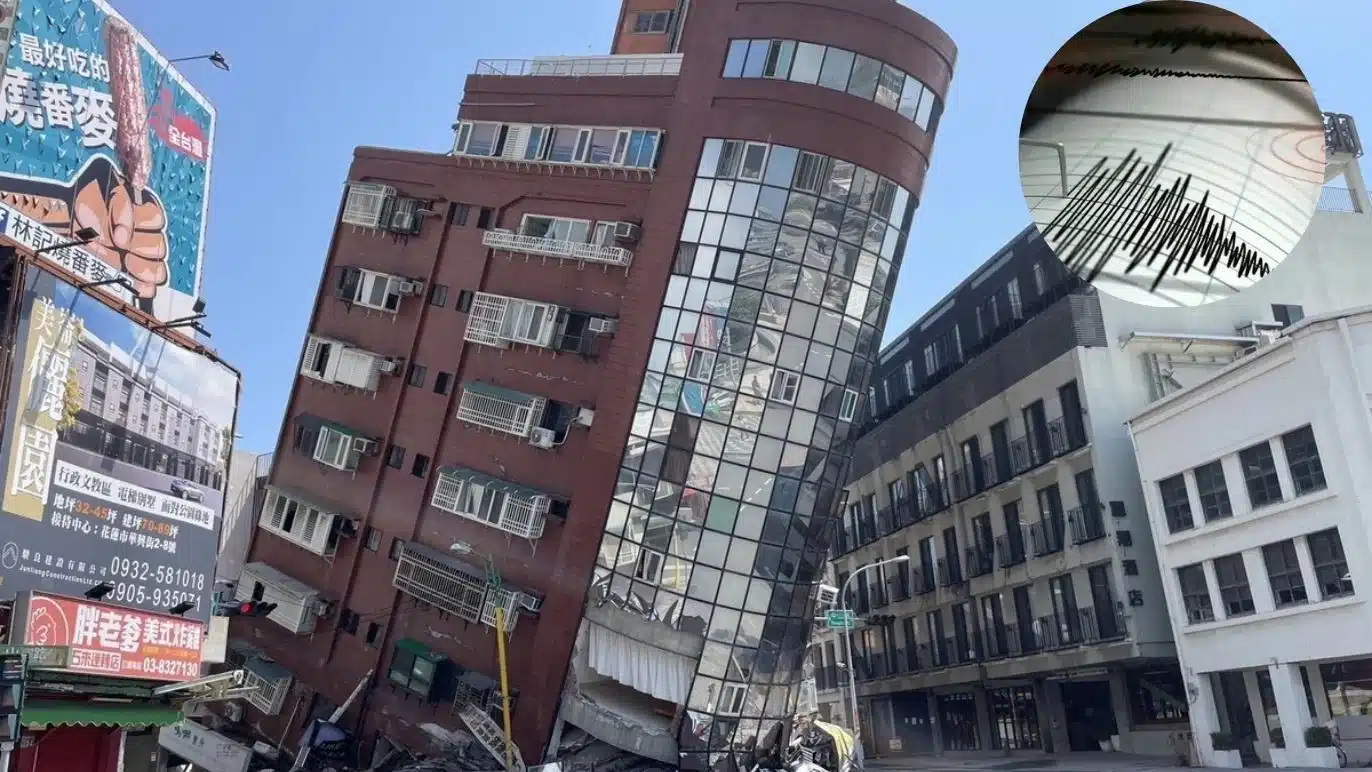
A powerful 7.0 magnitude earthquake jolted Taiwan late Saturday night, marking the second major seismic event to strike the island in just a few days. The tremor, which originated off the northeastern coast near Yilan County, sent buildings swaying across the capital Taipei and was felt throughout much of the island, including major cities and outlying regions. Fortunately, there were no immediate reports of major casualties or structural collapses, but authorities remain vigilant for aftershocks and potential secondary hazards.
Earthquake Details and Impact
The quake struck at 11:05 pm local time, with its epicenter located approximately 32 kilometers (20 miles) off the coast of Yilan, at a depth of about 73 kilometers (45 miles). This deep, offshore origin contributed to the wide distribution of tremors but also limited the potential for catastrophic surface damage. According to Taiwan’s Central Weather Administration (CWA), the earthquake registered an intensity level of 4 on Taiwan’s seven-tier scale in the most affected areas, including Taipei, New Taipei, Taichung, Taoyuan, and several counties.
In Taipei, residents reported buildings shaking for several seconds, prompting many to evacuate to the streets. Footage shared on social media showed people rushing outdoors, with some shelves in supermarkets toppling and minor structural damage reported in isolated locations. While the Taipei city administration confirmed no substantial damage immediately after the quake, there were scattered incidents of gas and water leaks, and minor cracks in some older buildings.
Emergency Response and Infrastructure
Taiwan’s National Fire Agency quickly mobilized to assess the situation and coordinate emergency services. Damage assessment teams were dispatched to Yilan, Hualien, and other areas that experienced higher intensity tremors. The Taiwan Power Company reported that over 3,000 households in Yilan County lost electricity temporarily, but restoration efforts began almost immediately. Train and high-speed rail operators reduced services as a precaution, with some delays and cancellations across northern Taiwan.
President William Lai Ching-te addressed the public via social media, assuring citizens that the situation was under control and urging continued vigilance for possible aftershocks. The CWA warned that aftershocks ranging from 5.5 to 6.0 magnitude could occur within the next 24 hours, advising residents to remain alert and follow safety protocols.
Seismic History and Vulnerability
Taiwan sits at the intersection of the Philippine Sea Plate and the Eurasian Plate, making it highly susceptible to earthquakes. The region has experienced several significant seismic events in recent decades, including a 7.6-magnitude quake in 1999 that resulted in over 2,000 deaths and a 7.4-magnitude earthquake in April 2024 that killed at least 17 people and triggered widespread landslides. The December 2025 quake is the third recorded earthquake of magnitude 7 or higher in Taiwan’s history, underscoring the island’s ongoing vulnerability to major seismic activity.
The depth and offshore location of this quake helped mitigate the risk of catastrophic damage, but experts note that Taiwan’s dense urban areas and aging infrastructure remain at risk during shallower, onshore events. The government has invested heavily in earthquake preparedness, including early warning systems and public education campaigns, but the threat of a major urban quake persists.
Economic and Social Effects
The earthquake had immediate economic impacts, particularly in Yilan and surrounding regions. Temporary power outages disrupted businesses and daily life, while transportation delays affected both commuters and freight services. Major semiconductor manufacturer TSMC reported that a few of its facilities in northern Taiwan reached evacuation levels, but staff were able to return to workstations soon after.
Social media played a key role in disseminating information and providing real-time updates. Residents shared videos and photos of the shaking, while government agencies used mobile alerts to keep the public informed about safety procedures and aftershock risks. Community response was swift, with local volunteers assisting in damage assessment and providing support to affected families.
International Reaction and Scientific Analysis
The earthquake drew attention from international scientific and disaster response communities. The US Geological Survey (USGS) recorded the quake at a magnitude of 6.6, slightly lower than Taiwan’s official measurement, but both agencies agree on the deep, offshore nature of the event. Scientists emphasize that deep earthquakes like this one tend to produce less destructive shaking at the surface but can still trigger significant aftershocks and secondary hazards such as landslides and tsunamis.
Taiwan’s government continues to collaborate with international partners on seismic monitoring and disaster preparedness. The recent events highlight the need for ongoing investment in resilient infrastructure and emergency response systems, particularly as climate change and urbanization increase the risks associated with natural disasters.
Ongoing Vigilance and Recovery
As Taiwan recovers from the immediate effects of the quake, authorities are focused on monitoring aftershocks and supporting affected communities. The CWA has issued ongoing advisories, urging residents to remain cautious and prepared for further tremors. Damage assessment continues, with particular attention to older buildings and critical infrastructure.
The resilience of Taiwan’s people and institutions was evident in the rapid response to this event. While the physical impact of the quake was limited, the psychological and social effects are still being assessed. Community leaders and government officials are working together to ensure that recovery efforts are inclusive and effective, with a focus on supporting vulnerable populations and rebuilding stronger, safer communities.
Final Words
The December 2025 earthquake serves as a stark reminder of Taiwan’s seismic vulnerability and the importance of preparedness. While the deep, offshore nature of this event limited its destructive potential, the island remains at risk from future major quakes. Ongoing investment in early warning systems, resilient infrastructure, and public education will be critical to minimizing the impact of future seismic events and ensuring the safety and well-being of Taiwan’s residents.
This detailed coverage highlights the complexity and significance of seismic events in Taiwan, providing valuable insights for policymakers, scientists, and the general public as the island continues to navigate its earthquake-prone landscape.