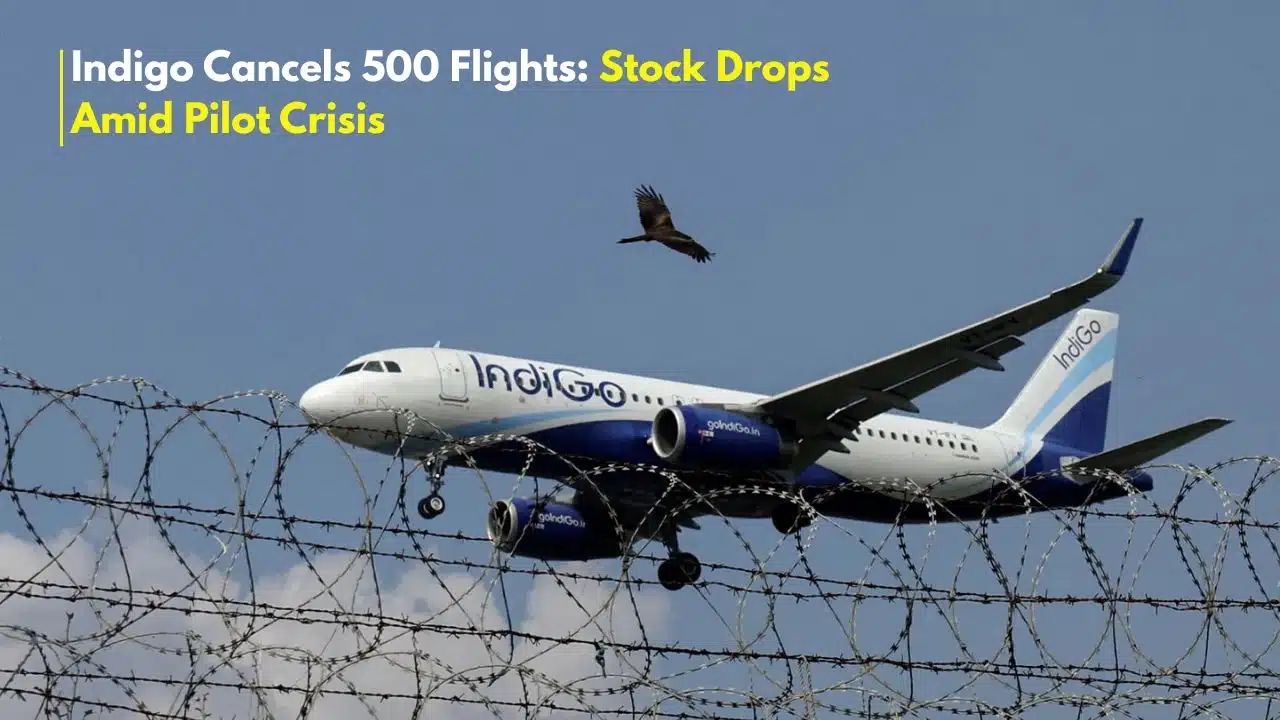
IndiGo, India’s largest airline, has canceled over 500 flights in a single day amid a crisis triggered by newly enforced pilot duty time regulations, leaving thousands of passengers stranded and sending its stock price into a nosedive. The airline has publicly apologized and promised refunds and rescheduling waivers, but the scale of the disruption has shaken confidence in India’s aviation sector and raised urgent questions about operational preparedness and regulatory oversight.
The Crisis Unfolds
On December 5, 2025, IndiGo announced the cancellation of hundreds of flights, affecting major domestic hubs including Delhi, Mumbai, Bengaluru, and Chennai. The cancellations came as a direct result of new pilot duty time limitations (FDTL) introduced by India’s Directorate General of Civil Aviation (DGCA). These rules, designed to enhance aviation safety, restrict pilots to just two night-time landings per week and mandate longer rest periods, drastically reducing the number of available pilots for night operations.
IndiGo, which operates more than 2,300 daily flights and holds around 60% of India’s domestic market share, was caught unprepared for the new norms. The airline’s pilot roster was already stretched thin, and the new rules made it impossible to staff all scheduled flights. In a statement, IndiGo acknowledged “misjudgment and planning gaps” as contributing factors to the crisis.
Impact on Passengers
The cancellations have caused chaos at airports across India. Passengers have faced long queues, confusion, and delays, with some reports of distressed families and business travelers unable to reach their destinations. A viral video showing a father pleading for help at an airport highlighted the human cost of the disruption, with stranded travelers expressing frustration and disappointment.
IndiGo has promised full refunds and waived rescheduling fees for affected flights until December 15. The airline also set up a dedicated customer service helpline and deployed additional staff at major airports to assist passengers. However, with the crisis expected to persist for several weeks, many travelers remain uncertain about their travel plans.
Regulatory Response and Industry Fallout
In response to the crisis, the Indian aviation ministry rolled back some of the new pilot rest rules for IndiGo until February 10, granting the airline temporary exemptions on night-time landing limits and flight duty periods. The government also ordered a high-level probe into the incident, signaling its intent to prevent similar disruptions in the future.
Other major airlines, such as Air India and Akasa, have not been forced to cancel flights due to the new regulations, underscoring the unique operational challenges faced by IndiGo. The airline has indicated that “progressive improvement” in operations will begin from December 6, but a full return to normalcy is not expected until mid-February.
Financial Fallout: Stock Plummets
The crisis has taken a heavy toll on IndiGo’s stock price. Shares of InterGlobe Aviation, the parent company of IndiGo, plunged more than 3% on December 5, marking a 10% decline over the past week. The stock hit an intraday low of Rs 5,265, its lowest level in more than five months. Analysts warn that if cancellations continue, the stock could fall further, potentially reaching Rs 5,150 or even the 200-day EMA near Rs 5,050.
Investors have reacted with concern, citing the airline’s failure to anticipate regulatory changes and the potential for long-term reputational damage. The sharp drop in IndiGo’s share price has also impacted the broader aviation sector, with other airline stocks experiencing mild declines as market sentiment turns cautious.
The Pilot Shortage: Root Causes
The crisis has exposed deeper issues in India’s aviation sector, particularly the persistent shortage of qualified pilots. IndiGo’s pilot pool was already under strain before the new rules, with the airline reporting a shortfall of both captains and first officers for its A320 fleet. The new FDTL norms have exacerbated the problem, requiring a larger number of pilots to cover the same flight schedules.
The airline has signaled its intention to seek further regulatory exemptions and accelerate pilot recruitment to rebuild its roster. However, experts warn that resolving the shortage will take time, as pilot training programs and certification processes cannot be rushed without compromising safety.
What’s Next for IndiGo?
IndiGo has set a target to restore full operations by February 10, but the path to recovery remains uncertain. The airline is working closely with regulators to secure additional waivers and is exploring options to redeploy pilots from less busy routes to high-demand sectors. IndiGo has also pledged to improve its operational planning and risk assessment processes to avoid future crises.
Passengers are advised to check their flight status regularly and monitor official IndiGo communications for updates. The airline has promised to provide timely information and support to affected travelers, but the coming weeks will be critical for restoring trust and confidence in its services.
Broader Implications for Indian Aviation
The IndiGo crisis has sparked a broader debate about the balance between safety regulations and operational flexibility in India’s rapidly growing aviation sector. While the new FDTL norms are intended to enhance safety, their sudden implementation without adequate industry consultation has highlighted the need for more collaborative regulatory approaches.
The incident has also underscored the importance of robust contingency planning and crisis management in the aviation industry. Airlines, regulators, and stakeholders must work together to ensure that future regulatory changes are implemented in a way that minimizes disruption and protects passenger interests.
Final Words
The IndiGo pilot rule crisis has had far-reaching consequences for passengers, investors, and the broader aviation industry. While regulatory intervention and operational adjustments may help restore normalcy in the coming weeks, the incident serves as a stark reminder of the challenges facing India’s aviation sector as it navigates rapid growth and evolving safety standards. IndiGo’s ability to recover from this crisis will depend on its commitment to transparency, operational excellence, and long-term strategic planning.