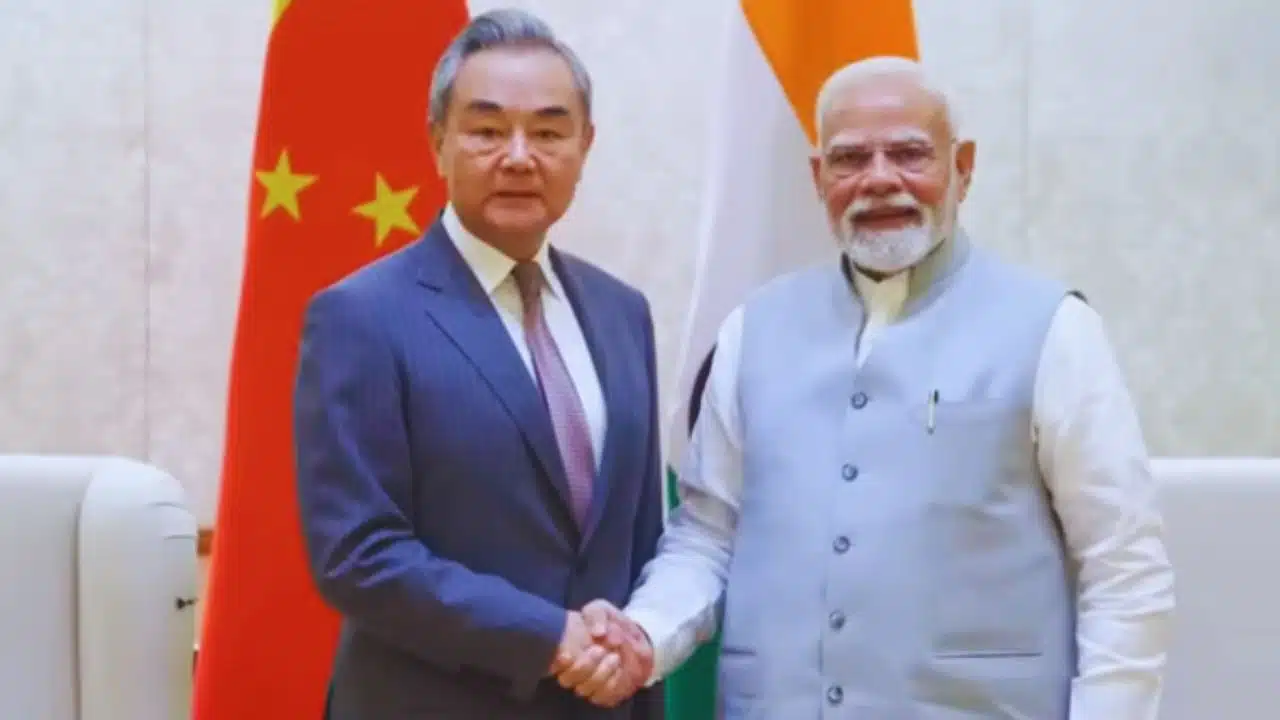
India and China, two of Asia’s most powerful neighbors, are cautiously moving toward reconciliation after years of hostility. During a high-profile visit by China’s top diplomat Wang Yi to New Delhi, both governments highlighted “steady progress” in their relations and pledged to resume cooperation in key areas.
The talks resulted in agreements to:
- Resume direct passenger flights between the two countries.
- Restart visa issuance for journalists, signaling a step back toward transparency.
- Facilitate business exchanges and cultural programs, aimed at repairing strained people-to-people ties.
India’s Prime Minister Narendra Modi, writing on social media, emphasized the importance of “respect for each other’s interests and sensitivities.” Meanwhile, China’s foreign ministry said India and China had “entered a steady development track” and must learn to “trust and support each other.”
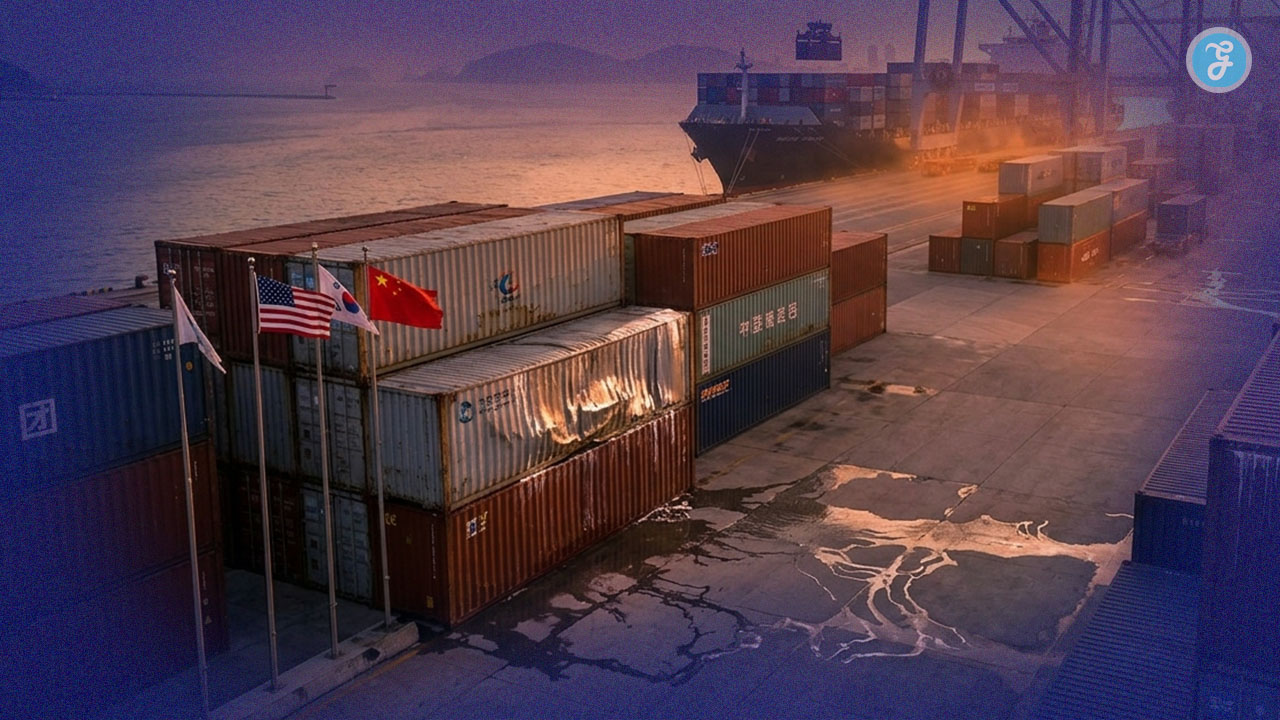
This thaw comes at a time when the global order is being shaken by Donald Trump’s aggressive tariff regime, which has forced countries to re-evaluate alliances and economic strategies.
Border Dispute: A Thorn That Still Remains
A central focus of the meeting was the long-running border conflict in the Himalayas, where relations hit rock bottom in 2020 after deadly clashes.
- That incident saw 20 Indian soldiers and 4 Chinese soldiers killed in brutal hand-to-hand combat, marking the bloodiest encounter between the two nations in decades.
- Since then, both countries have fortified their border positions, but they have also engaged in repeated rounds of military and diplomatic talks.
During Wang Yi’s visit, he met India’s Foreign Minister S. Jaishankar and National Security Adviser Ajit Doval, with discussions centered on:
- De-escalation of tensions at flashpoints along the border.
- Delimitation – the formal marking of boundaries to reduce ambiguity.
- Boundary affairs – building frameworks to prevent accidental clashes.
According to Chinese state media, the two sides even discussed the possibility of reviving boundary demarcation negotiations, something stalled for years.
Wang acknowledged past tensions, saying:
“The setbacks we experienced in the past few years were not in the interest of our peoples. We are heartened to see stability being restored at the borders.”
At the same time, India raised concerns about China’s plans to construct the world’s largest hydropower project on the Yarlung Tsangpo River in Tibet. Delhi fears the dam could affect downstream water supply to India’s northeastern states, particularly Assam and Arunachal Pradesh. This remains an unresolved point of friction.
Trade, Travel, and Trust Building
Beyond the border issue, both nations stressed the importance of economic normalization.
- China reiterated its promise to lift trade restrictions on critical goods like fertilizers, rare earths, and tunneling equipment—materials vital for India’s growing industries.
- Direct flights, suspended during the pandemic and later blocked amid tensions, will soon resume, enabling business communities and tourists to reconnect.
- Cultural diplomacy, such as student exchanges and academic cooperation, is expected to follow.
These steps indicate that despite geopolitical rivalries, both countries recognize the necessity of stable economic and social interactions.
Trump’s Tariffs: A Catalyst for Change
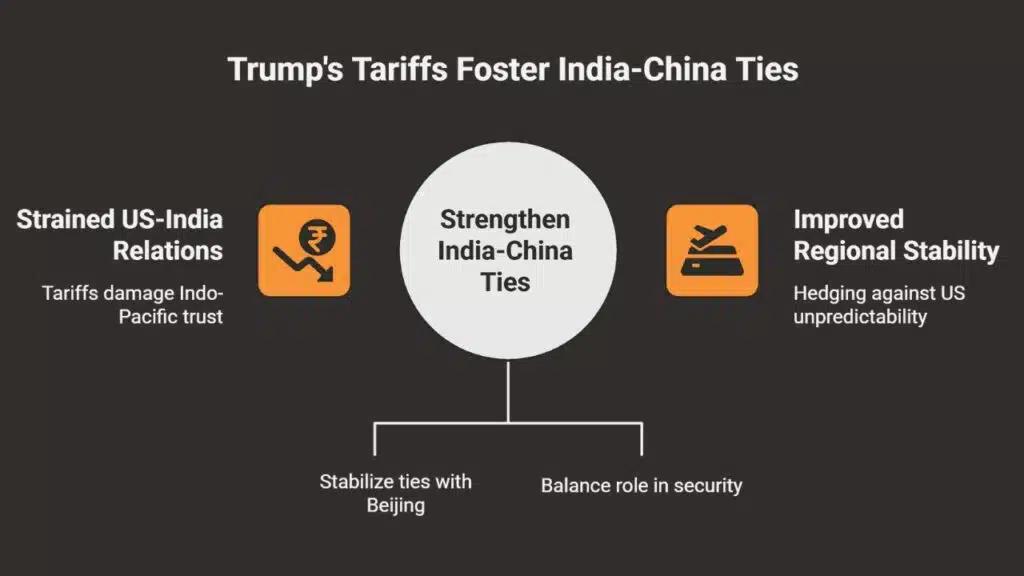
The backdrop of this reconciliation is the Trump administration’s tariff war. Earlier this month, Trump announced a new 25% tariff on Indian goods, specifically targeting its purchase of Russian oil. This move doubled the total punitive tariffs on Indian imports to 50%.
- India responded sharply, labeling the tariffs as “unfair, unjustified, and unreasonable.”
- Delhi warned it would take “all necessary actions” to protect its interests.
Experts argue that Trump’s moves have inadvertently pushed India and China closer together, as both countries seek to hedge against U.S. unpredictability.
According to Sana Hashmi, a fellow at the Taiwan-Asia Exchange Foundation, Trump’s policies have:
- Reduced trust in Washington’s commitment to Indo-Pacific partnerships.
- Accelerated India’s need to stabilize ties with Beijing.
Yet Hashmi also stressed that “core security issues and the overall nature of India-China relations will not change overnight,” noting that India will continue balancing its role in the Quad alliance (with the U.S., Japan, and Australia).
Russia Steps In: Oil, Energy, and Diplomacy
The other major actor in this drama is Russia, India’s longstanding defense and energy partner.
- Roman Babushkin, a senior Russian diplomat in Delhi, confirmed that Moscow will keep supplying oil to India through a “special mechanism,” insulating their trade from U.S. sanctions and tariffs.
- Babushkin also suggested that Russia hopes to revive the trilateral India–China–Russia dialogue, a forum that had once been seen as a counterbalance to Western alliances.
- Russian President Vladimir Putin is expected to visit India later this year to reinforce energy and strategic cooperation.
This shows that while U.S. pressure is mounting, India is diversifying partnerships to maintain autonomy.
Regional Rebalancing: The Pakistan Factor
Wang Yi’s India trip is part of a broader regional tour. After Delhi, he will travel to Pakistan, China’s closest ally and India’s rival.
- China described Pakistan as an “ironclad friend” and “all-weather strategic partner.”
- During recent India–Pakistan clashes, Islamabad used Chinese-made fighter jets and equipment, underscoring Beijing’s deep defense role in the region.
China insists it wants to build friendly ties with both India and Pakistan, but Delhi remains wary of Beijing’s military support to Islamabad.
Strategic Implications
The current thaw does not mean that India and China are moving toward a full alliance. Instead, analysts see it as pragmatic cooperation, shaped by global turbulence.
- India is not abandoning the Quad, but is recalibrating its approach in light of U.S. unpredictability.
- China sees value in reducing border hostilities so it can focus on economic recovery amid slowing growth.
- Russia is quietly benefiting, positioning itself as a bridge between Delhi and Beijing while expanding its own influence.
The bigger question remains: How long will this warming last?
While trade and travel ties are being restored, fundamental disputes—border sovereignty, water security, and regional influence—remain unresolved.
India and China are entering a new phase of engagement. Direct flights, renewed trade, journalist visas, and cultural exchanges symbolize a thaw in relations. Yet beneath the surface, distrust lingers, particularly on security and border issues.
What’s driving this reconciliation is not just bilateral goodwill, but also the larger geopolitical shake-up caused by Donald Trump’s tariffs and Washington’s wavering role in the Indo-Pacific. Russia, meanwhile, is using the moment to strengthen its own ties with India and mediate new regional formats.
For now, India’s strategy appears clear: stabilize tensions with China while navigating a turbulent partnership with the United States. How this plays out will shape not only South Asia, but also the broader balance of power in the 21st century.
The Information is Collected from The Guardian and NBC News.