

The logistics industry in the United States is a critical component of the economy, responsible for ensuring the seamless movement of goods across the country and beyond. However, this sector is highly sensitive to regulatory changes, which can significantly alter operational efficiency, cost structures, and business models.
New laws and policies introduced by federal agencies, environmental bodies, and labor organizations frequently reshape logistics strategies. Staying ahead of these changes is crucial for businesses to maintain profitability and compliance.
In this comprehensive guide, we explore the Top 10 Impacts of Regulatory Changes on U.S. Logistics Operations, offering insights into how businesses can adapt and thrive despite evolving regulations.
What Are Regulatory Changes?
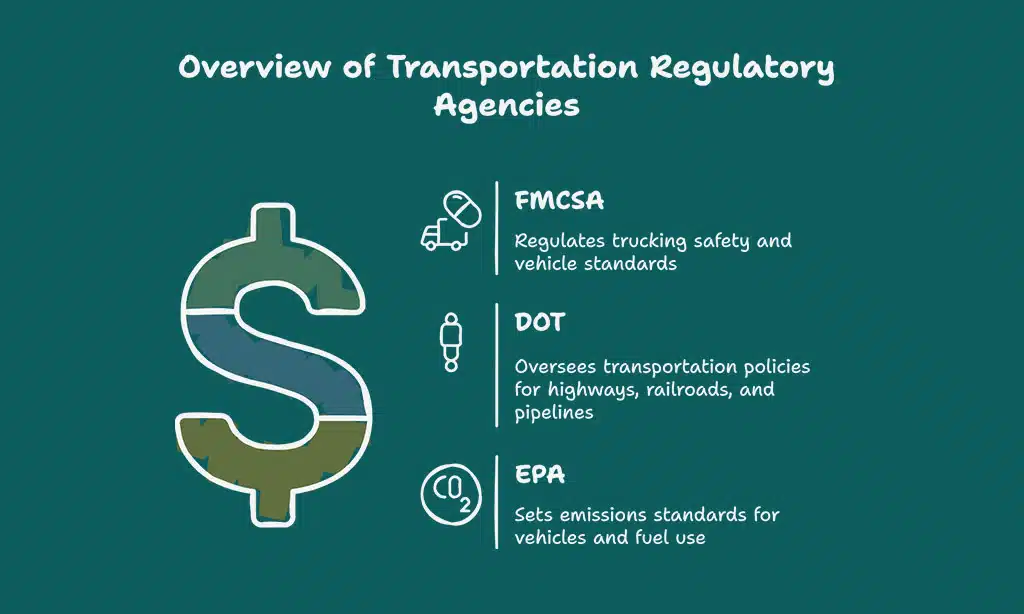
Regulatory changes refer to updates, modifications, or newly implemented laws governing logistics, transportation, and supply chain management. These can stem from federal agencies such as:
- Federal Motor Carrier Safety Administration (FMCSA) – Regulates trucking safety and vehicle standards.
- Department of Transportation (DOT) – Oversees transportation policies affecting highways, railroads, and pipelines.
- Environmental Protection Agency (EPA) – Sets emissions standards for vehicles and fuel use.
- Customs and Border Protection (CBP) – Controls cross-border trade compliance and security.
Why Do Regulations Change?
Several factors drive changes in logistics regulations:
- Safety concerns – Reducing road accidents and improving driver working conditions.
- Environmental goals – Lowering carbon emissions and promoting green logistics.
- Economic shifts – Trade agreements, tariffs, and market conditions.
- Technological advancements – Implementing digital tracking, automation, and cybersecurity measures.
Top 10 Impacts of Regulatory Changes on U.S. Logistics Operations
As regulations in the U.S. logistics sector continue to evolve, businesses must adapt to new compliance requirements, operational constraints, and cost implications. The impact of these changes can be significant, affecting everything from supply chain efficiency to pricing strategies.
Below, we explore the top 10 impacts of regulatory changes on U.S. logistics operations:
1. Increased Compliance Costs
New regulations often come with increased costs for compliance, including investments in safety equipment, reporting systems, employee training, and upgraded technology. Companies must allocate significant resources to meet government-mandated requirements, which can impact their bottom line.
These costs include the purchase of sophisticated fleet management systems, installation of electronic logging devices (ELDs), and enhanced cybersecurity measures to protect sensitive logistics data. In addition, regulatory reporting requirements demand additional administrative staff and technology investments, leading to ongoing operational expenses.
Many small to mid-sized logistics companies struggle to balance compliance costs while maintaining competitive pricing in an increasingly regulated market. Failure to comply with regulations can result in hefty fines, legal issues, and reputational damage, further increasing the financial burden.
| Compliance Factor | Cost Impact |
| ELD (Electronic Logging Device) Mandate | $500–$2,000 per truck |
| Emission Control Compliance | $10,000+ per vehicle upgrade |
| Driver Training & Certification | $1,000+ per driver |
| Data Reporting Requirements | $5,000+ per fleet annually |
Case Study: After the FMCSA enforced the Electronic Logging Device (ELD) mandate, many small trucking businesses faced financial strain due to the high upfront cost of compliance and the operational changes required to adhere to stricter tracking rules.
2. Supply Chain Delays and Disruptions
Regulatory changes can slow down operations due to new compliance checks, border controls, or restrictions on operational hours. Stricter customs policies and increased security measures often result in shipment delays, creating bottlenecks in supply chains. As governments impose stricter rules on documentation, safety inspections, and cargo handling, logistics providers must allocate additional time and resources to ensure regulatory adherence.
Furthermore, changes in international trade agreements and shifting geopolitical relations frequently introduce new tariffs and customs procedures, leading to unexpected shipping delays. These disruptions can force businesses to modify their logistics strategies, explore alternative routes, or increase inventory levels to mitigate risks associated with regulatory delays. In some cases, companies must invest in advanced tracking systems to maintain transparency and enhance communication with customers regarding shipment status.
| Key Disruption | Impact on Logistics |
| Stricter Import/Export Regulations | Increased wait times at ports |
| Labor Law Changes | Reduced workforce availability |
| Infrastructure Inspections | Delayed truck dispatch |
Example: During the COVID-19 pandemic, enhanced safety regulations at major ports caused significant delays, with average container dwell times increasing from 3 days to over a week.
3. Higher Transportation Costs
Freight companies often face higher operational costs due to new fuel taxes, toll increases, and permit requirements, all of which significantly impact their profit margins. Rising fuel costs, driven by stricter environmental regulations, add a substantial burden to transportation expenses.
Additionally, state and federal toll hikes further increase the cost per mile for logistics firms, making long-haul freight transportation more expensive. Compliance with new permit regulations also requires additional administrative resources, leading to further financial strain.
Ultimately, these costs are passed down the supply chain, affecting manufacturers, retailers, and, ultimately, end consumers who see higher prices for goods and services.
| Cost Factor | Percentage Increase |
| Fuel Prices (due to stricter emissions laws) | 15-20% |
| Toll Hikes | 10-15% per route |
| Compliance Permit Fees | 5-10% increase |
4. Digital Transformation and Automation Needs
New compliance measures often require digital tracking, automated reporting, and enhanced cybersecurity protocols to maintain regulatory adherence. Logistics firms are increasingly turning to automation, AI-driven solutions, and IoT-enabled devices to streamline compliance efforts, optimize route planning, and improve overall efficiency.
For example, the use of telematics and electronic logging devices (ELDs) has become essential for tracking driver hours, while blockchain technology ensures secure and transparent record-keeping. Additionally, machine learning algorithms are being deployed to predict and mitigate potential compliance risks before they become major operational issues.
| Technology | Benefits |
| Telematics Systems | Real-time tracking, driver monitoring |
| Blockchain | Secure data sharing, compliance transparency |
| AI-driven Route Optimization | Reduces fuel costs and travel time |
Example: Companies like FedEx and UPS have invested heavily in AI-based predictive analytics to optimize delivery routes and comply with regulatory reporting.
5. Stricter Environmental Regulations

The EPA and state governments are imposing stricter emissions standards, forcing logistics companies to adopt green solutions such as electric and hybrid vehicles, alternative fuels, and carbon offset programs. New policies are encouraging the use of low-emission trucks, setting stricter limits on diesel emissions, and requiring fleets to transition toward sustainable energy sources.
Additionally, companies are investing in route optimization software to minimize fuel consumption and reduce their carbon footprint. As regulatory pressures increase, logistics providers are also partnering with environmental organizations to develop sustainability initiatives that align with government mandates and consumer expectations.
| Regulation | Compliance Requirement |
| Clean Air Act Standards | Adoption of low-emission vehicles |
| Fuel Efficiency Standards | Increased use of alternative fuels |
| Carbon Reduction Mandates | Investment in carbon offset programs |
6. Workforce Challenges and Labor Law Implications
New labor laws influence driver wages, work hours, and employment classifications, significantly altering the logistics workforce landscape. Regulations such as the AB5 law in California have reclassified independent contractors as employees, impacting trucking businesses that heavily rely on owner-operators.
Additionally, federal and state minimum wage increases have raised labor costs, forcing companies to reassess their hiring strategies and operational budgets. Changes in FMCSA’s Hours of Service (HOS) rules also affect driver productivity, limiting driving hours to prevent fatigue but creating scheduling challenges.
These shifts demand that logistics firms implement workforce management strategies that balance compliance with efficiency while ensuring sustainable operations.
| Regulation | Impact |
| AB5 Law in California | Reclassified independent contractors as employees |
| FMCSA Hours of Service | Limits on driving hours |
| Minimum Wage Increases | Higher operating costs for businesses |
7. Changes in Cross-Border Trade and Tariffs
Trade agreements and customs regulations directly impact the movement of goods across borders, influencing tariffs, import/export documentation requirements, and overall supply chain efficiency.
Changes in trade policies can introduce new duties, alter tariff structures, and impose additional compliance checks, all of which contribute to delays and increased costs for logistics providers. For example, agreements such as the USMCA have changed rules regarding country-of-origin requirements, forcing companies to reassess their sourcing and production strategies.
Additionally, evolving customs security measures, including advanced cargo screening protocols, have further complicated international trade logistics. Companies must continuously adapt to these regulatory changes by leveraging digital customs solutions, diversifying supply chain routes, and establishing strategic partnerships to minimize disruptions and maintain operational efficiency.
| Policy | Effect on Logistics |
| USMCA Agreement | Increased documentation requirements |
| China Tariffs | Higher costs for imported goods |
| Brexit Trade Rules | Adjustments in supply chain sourcing |
8. Warehousing and Inventory Management Adjustments
Regulations now affect how warehouses store hazardous materials, maintain safety compliance, and manage labor conditions, leading to increased operational costs and stricter oversight. Warehouses must adhere to new fire codes, environmental safety protocols, and occupational health standards to ensure compliance. Failure to meet these regulations can result in hefty fines and operational shutdowns.
Additionally, automation and robotics are being integrated into warehousing to meet efficiency and compliance requirements while reducing human error in hazardous material handling.
Businesses must invest in advanced warehouse management systems (WMS) and implement rigorous employee training programs to navigate these evolving regulatory demands successfully.
| Warehouse Regulation | Impact on Logistics |
| OSHA Workplace Safety Rules | Increased operational costs |
| Fire Code Compliance | Need for improved storage solutions |
9. Insurance and Liability Cost Increases
Stricter safety regulations lead to increased insurance costs for logistics firms, as they must now meet enhanced vehicle safety standards, driver qualification requirements, and risk management protocols. With the rise in accident liability claims and cargo theft incidents, insurers are imposing higher premiums on freight operators, particularly those with older fleets or high-risk cargo.
Additionally, compliance with evolving Department of Transportation (DOT) safety mandates requires significant investments in monitoring technology, fleet maintenance, and driver training programs. Companies failing to meet these stringent standards may face policy cancellations or exorbitant coverage costs, adding further financial pressure to logistics firms striving to maintain profitability in an increasingly regulated environment.
| Insurance Factor | Cost Increase (%) |
| Accident Liability Claims | 20-30% |
| Vehicle Safety Requirements | 15-25% |
| Cargo Theft Risks | 10-20% |
10. Competitive Landscape Shifts
Smaller logistics firms often struggle to keep up with compliance costs, leading to industry consolidation as larger corporations acquire struggling businesses to expand their market share. The rising expenses associated with regulatory compliance, including vehicle upgrades, driver certification programs, and safety technology, create financial burdens that many independent operators find unsustainable.
Additionally, the increasing complexity of regulatory reporting requirements demands advanced technological integration, which smaller firms may lack the resources to implement.
As a result, these businesses either shut down operations or merge with larger companies that have the capital and infrastructure to absorb compliance-related costs. This trend is reshaping the logistics landscape, reducing competition, and leading to an industry dominated by a handful of major players with the capacity to navigate evolving regulations effectively.
| Trend | Effect on Industry |
| Mergers & Acquisitions | Increased market control by large firms |
| Investment in 3PL Services | Higher reliance on third-party logistics |
Final Words
The Top 10 Impacts of Regulatory Changes on U.S. Logistics Operations reveal the profound influence of laws and policies on costs, workforce management, transportation efficiency, and technological adoption. With regulatory frameworks constantly shifting, logistics firms must remain agile and proactive in their approach to compliance.
Investing in advanced digital tools, strengthening workforce training, and diversifying supply chain strategies can significantly mitigate the risks associated with regulatory changes. Furthermore, fostering partnerships with policy experts and industry organizations can help companies anticipate upcoming regulations and adjust their operations accordingly.
By staying informed, leveraging cutting-edge technology, and adopting resilient strategies, logistics firms can not only navigate these challenges but also position themselves for sustainable growth and long-term success in an evolving market.































