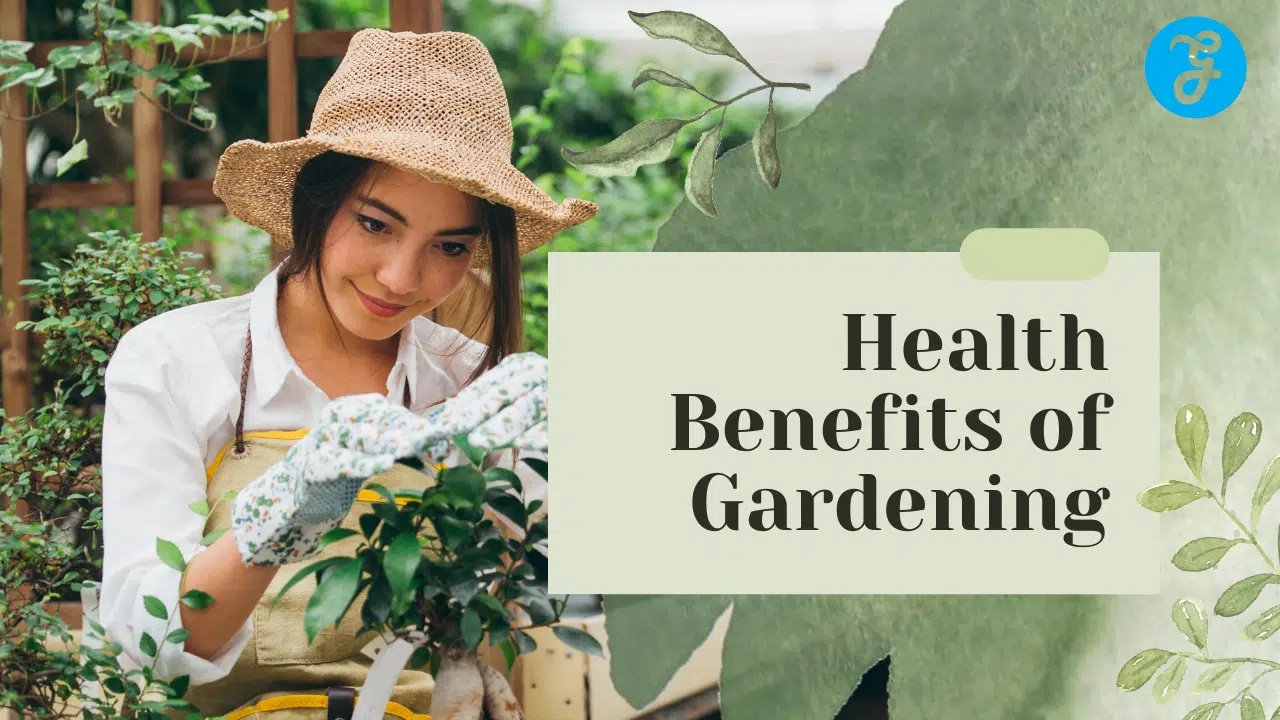
In this modern era, we are so busy with work and other things that we do not have time to maintain a healthy lifestyle. We are always on the go and in search of some relaxation. Home gardening is one of the best ways to relax and spend time with yourself, and the health benefits of gardening are also a lot.
So, are you interested in learning some health benefits of home gardening? If so, continue reading, as we’ve already described everything in this article.
Health Benefits of Gardening
Home gardening is a hobby for some people and has become a way of life for others. It is very good to do, especially if you want to live a healthy lifestyle. Here are some health benefits that you can get from home gardening:
1. Lowered Blood Pressure
When planting in your backyard, you will have less stress and anxiety because you are doing something productive. You don’t need to spend too much money or time to relax, which will help lower your blood pressure.
2. Greater Immunity
While caring for your houseplant in your backyard, you will be exposed to different tropical plants and soil bacteria, which will help boost your immune system and make it stronger. This way, even if some viruses or bacteria attack your body, they won’t be able to get through easily because of your robust immune system.
3. Improved Mental Health
Gardening can also improve one’s mental health by giving one an outlet for emotions. If someone is feeling down or depressed, then he/she can go out into their garden and plant some kinds of home plants like Calathea for therapeutic reasons so that they can feel better about themselves again.
4. Increases Physical Activity
Gardening isn’t just about getting your hands in the dirt. It can also help boost your physical activity levels, which is essential because exercise helps prevent heart disease, diabetes, and other chronic conditions.
Home gardening can give you a workout without even trying. The digging, weeding, and bending will help you build muscle tone. Gardening also allows you to be active outdoors in a natural setting. If you don’t already have a garden or yard space, there are plenty of community gardens where you can get involved with others who love growing their food.
5. Mindfulness
Home gardening can be meditative. You may take deep breaths while looking at your plants or listening to their sounds as they grow. A garden can be an excellent way to practice mindfulness, which is linked with reduced stress levels and better sleep quality.
Gardening lets you relax and enjoy being outside while enjoying nature’s beauty and quietude. You can also take advantage of this activity by practicing yoga poses next to your garden beds or growing flowers on them and in pots.
6. Nutrient-dense Food
Gardening is a great way to produce nutrient-dense food. The benefits are huge as most of us are not getting enough nutrients from our daily diet. You will be able to use your own compost or manure, which is full of good bacteria and other microorganisms that help improve the soil quality. This results in healthier plants and fruits with high levels of minerals and vitamins.
7. Kids Grow Less Fussier About Food
Studies have shown that children who grow up eating fresh homegrown vegetables have an easier time accepting different types of food later in life than those who did not learn about gardening early on in their lives. If you want your kids to grow up eating healthy foods, start them off young by introducing them to gardening so they can learn what goes into growing vegetables and fruits from scratch.
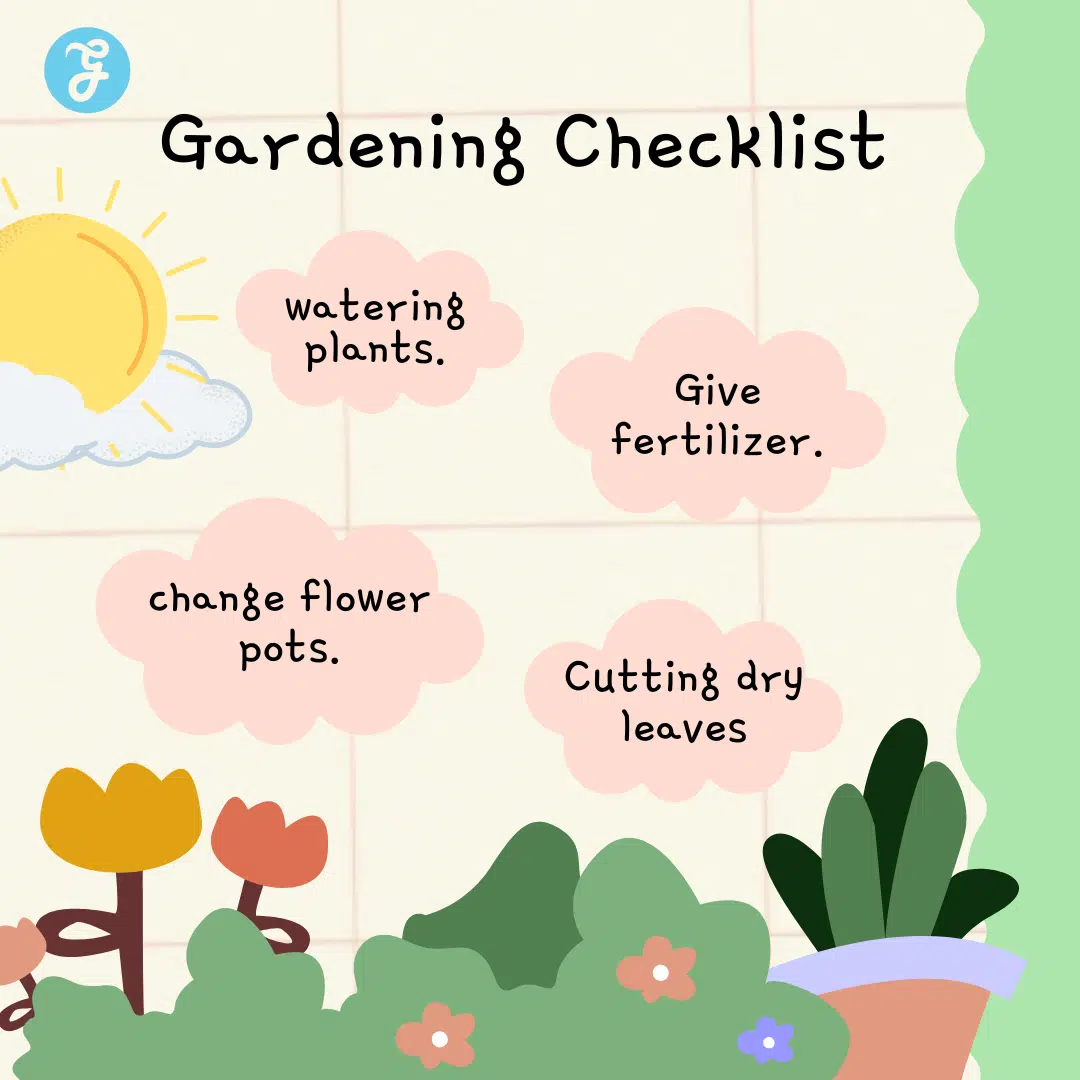
8. Gardening Protects From Osteoporosis
Osteoporosis is a disease where bones become weak and brittle due to a lack of calcium. It affects mainly women after menopause, but it can also affect men who do not get enough calcium in their diet or do not exercise regularly. Growing plants at home is an easy way to get calcium and fight your osteoporosis, as you can eat leaves of spinach and other leafy vegetables that also contain magnesium, iron, folate, and other nutrients essential for bone health.
9. Gardening Provides Relaxation
Gardening is one of the most relaxing hobbies that you can do at home. It allows you to get away from the hustle and bustle of everyday life, enjoy some peace and quiet and unwind from all your worries. If you like to garden, then you will definitely enjoy this hobby as it allows you to unwind from all your worries and relax in your own space.
10. Improves Concentration
Gardening is also great for improving your concentration level as it helps you focus on one thing without any distractions around you. You can focus all your attention on whatever task is at hand without having to worry about anything else happening around you which might distract you from what you are doing at that moment in time.
11. Enhances Quality of Life
Simplicity can bring immense beauty to our lives; gardening is a perfect example. A garden provides an ideal space to appreciate life’s small yet significant aspects.
12. Reduces Stress
Gardening serves as a stress reliever, aiding recovery and resilience following stressful events. Studies indicate that engaging in gardening activities may lead to a reduction in cortisol levels, the stress hormone.
13. Cultivating Mindfulness
Gardening fosters mindfulness, promoting mental stability and the ability to focus on the present moment. By immersing oneself fully in gardening tasks, individuals can experience a state of blissful absorption and spend hours tending to their plants.
14. Boosts the Immune System
Similar to plants that require sunlight for photosynthesis, our bodies also benefit from exposure to sunlight during gardening. Sunlight absorption stimulates vitamin D production, aiding calcium absorption for strong bones and a robust immune system.
16. Calorie Burning
Gardening is a form of exercise, particularly if one has a sizable garden. Engaging in simple gardening activities for an hour daily can burn up to 330 calories, making it an excellent option for low-intensity exercise.
17. Strengthening Bones
Regular gardening can support bone health, especially as we age and face a natural decline in vitamin D and calcium levels. Exposure to sunlight during gardening facilitates vitamin D absorption, promoting healthy bones.
18. Controls Blood Sugar
Gardening is beneficial for individuals with diabetes, as it helps manage blood sugar levels. Studies reveal that combining exercise and a healthy diet can significantly reduce the risk of developing type 2 diabetes.
19. Aids in Addiction Therapy
Green spaces have proven to be beneficial in addiction therapy centers. Plants evoke positive emotions and feelings, contributing to their therapeutic value. Horticulture therapy, which creates a rehabilitation environment centered around plants, is a widely recognized approach in addiction treatment.
20. Promoting Social Connection
Gardening can be a social activity that fosters connections with others. Joining a community garden or participating in gardening clubs and events provides opportunities for interaction, sharing knowledge, and building relationships with like-minded individuals, ultimately enhancing social well-being.
The Easiest Way to Start a Garden
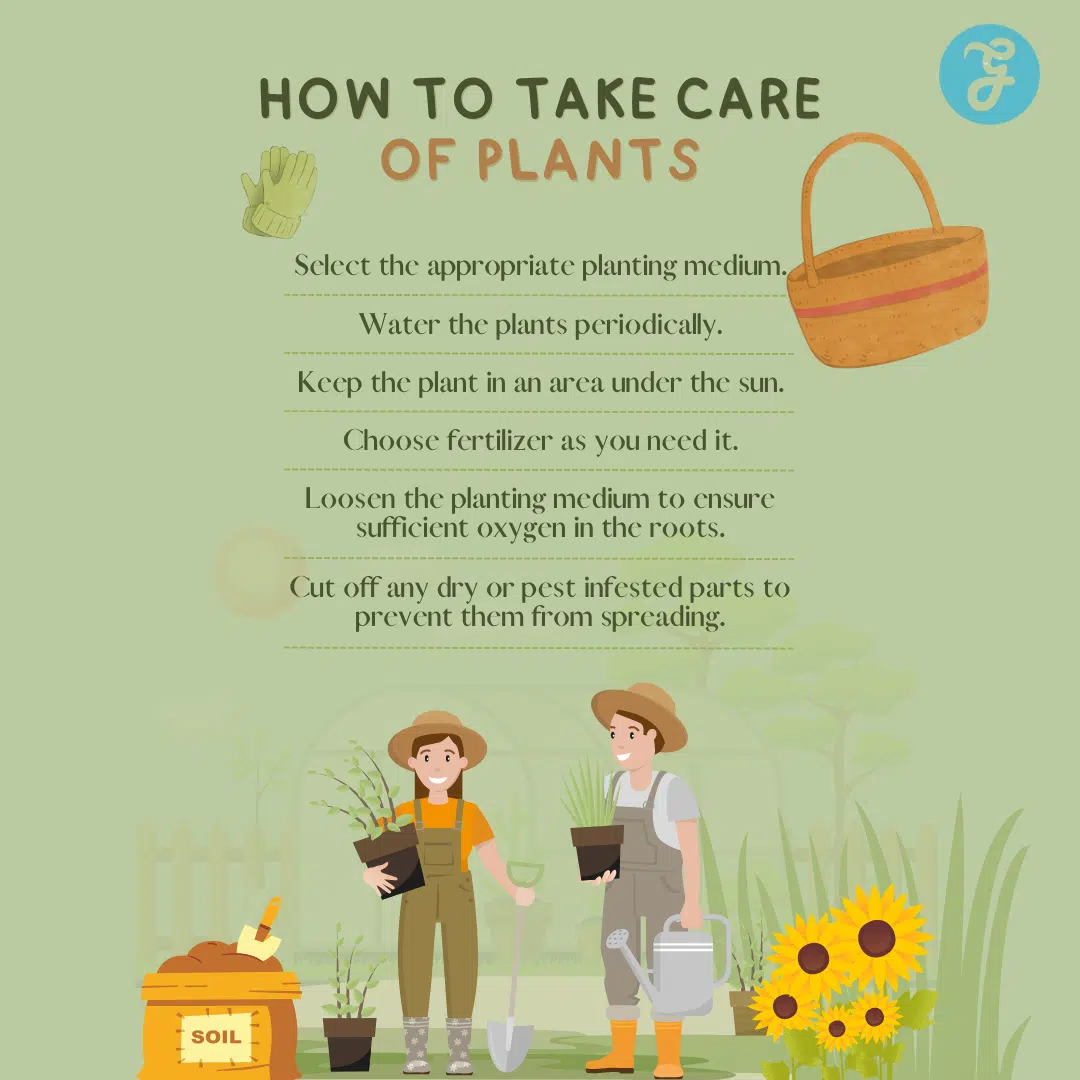
Gardening is a great hobby, and starting your garden can be easy. The best way to get started is to plant seeds, but if you want to start a garden in your home or backyard and don’t have any experience, try these tips.
Get the Right Tools
You’ll need some basic tools before you begin planting. You can purchase these at any hardware store or online. For example, you might want to buy a trowel, pruning shears, and a watering can.
Plant Your Seeds
You can start by planting seeds in pots or directly into the ground. To plant seeds directly into the ground, prepare your soil by mixing compost and adding fertilizer such as tea or fish emulsion. Then make holes about an inch deep in the ground and drop your seeds into them. Water well so that the seeds absorb moisture from the soil around them.
Feed Your Plants Regularly
After you’ve planted your seeds, make sure they get enough water, nutrients, adequate humidity, and optimized air circulation so that they grow correctly. You can use liquid fertilizer once every week or two for small plants such as herbs or flowers; larger ones such as tomatoes may need more frequent fertilizer feedings during their growth phase.
In addition, make sure you add compost to your soil every year before planting. Compost will help your plants get all the nutrients they need and provide them with beneficial microorganisms that help break down organic matter so that plants can use it.
How Do You Maintain Your Garden?
-
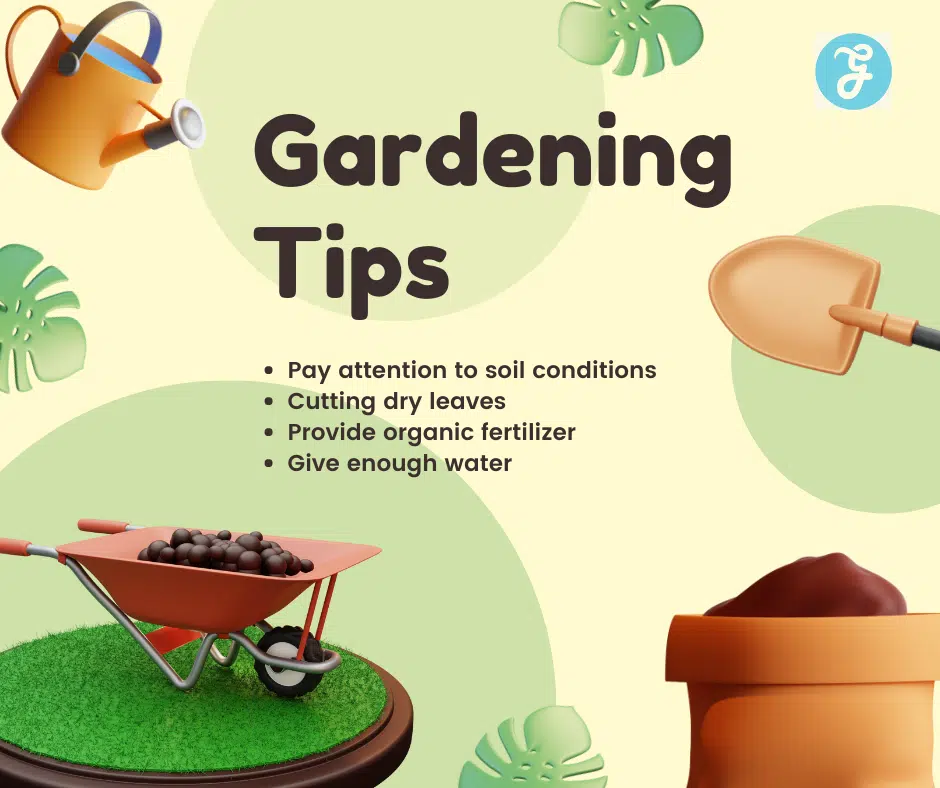
Assess the health of your plants: Regularly inspect your plants for signs of disease, pests, or nutrient deficiencies. Look for wilting leaves, discoloration, or unusual growth patterns.
-
Provide adequate watering: Understand the watering needs of different plants in your garden. Water them deeply and at the right frequency to ensure they receive sufficient moisture without being overwatered.
-
Nurture the soil: Protect your garden soil by enriching it with organic matter such as compost or mulch. This improves its structure, nutrient content, and water retention abilities, promoting healthy plant growth.
-
Clean and maintain your gardening tools: Keep your gardening tools clean and in good condition. Regularly wash them to prevent the spread of diseases and ensure they function properly when you need to use them.
-
Perform routine plant maintenance: Prune overgrown branches, remove dead or yellowing leaves, and support vining or sprawling plants with trellises or stakes. This encourages proper growth and prevents the spread of diseases.
-
Weed control: Regularly weed your garden to prevent unwanted plants from competing with your desired plants for nutrients, water, and sunlight. Remove weeds by hand or use appropriate weed control methods.
-
Protect from animals: Safeguard your garden from animals that may damage or consume your plants. Install barriers, fences, or netting to keep out pests like rabbits, deer, or birds. Use organic deterrents or traps if necessary.
-
Support for plants: Some plants grow taller or produce heavy fruits, so they may require support to prevent them from toppling over. Use stakes, cages, or trellises to keep plants upright and ensure proper airflow.
-
Monitor and adjust sunlight exposure: Understand the sunlight requirements of your plants and ensure they receive the appropriate amount of light. Monitor changes in the garden’s light conditions and consider adjusting the placement of your plants if needed.
-
Stay observant and responsive: Continuously observe your garden for any changes or signs of problems. Be proactive in addressing issues promptly, such as adjusting watering schedules, applying organic pest control measures, or providing additional care based on the specific needs of your plants.
Frequently Asked Questions (FAQs)
Now let’s move on to the FAQ segment.
Is gardening a lifestyle activity?
Yes, it’s one of the most rewarding hobbies you can choose. Gardening is not only relaxing and fun, but you’ll also be able to enjoy the fruits of your labor.
Gardening is an excellent way to get exercise while enjoying the outdoors. It can help improve physical fitness and reduce stress. A good garden will also help you save money on groceries because you’ll have fresh vegetables and fruit right outside your door!
Is gardening good for mental health?
Yes, gardening has been proven to be good for mental health because it helps reduce stress levels by letting us relax outdoors in nature among beautiful plants and flowers that grow all around us naturally without having to do much work ourselves except for watering our plants every day or so depending on how much rain there’s been in an area.
Why is gardening so relaxing?
When you garden, you get to enjoy nature while spending time outdoors. The benefits of spending time outside have been well documented by scientists: fresh air helps reduce stress. It improves moods while surrounded by greenery has been shown to lower blood pressure and relieve depression.
Final Words
Providing your food is one of the most sustainable things you can do economically and environmentally. In short, home gardening can also be effective in allowing you to live a healthy lifestyle. You will be able to enjoy the fresh, unpolluted vegetables that you grow in your home garden. Your plants will be protected from pests, too. As you invest in getting and growing your own vegetable seeds and plants, you can also keep other insects and pests away from your house.