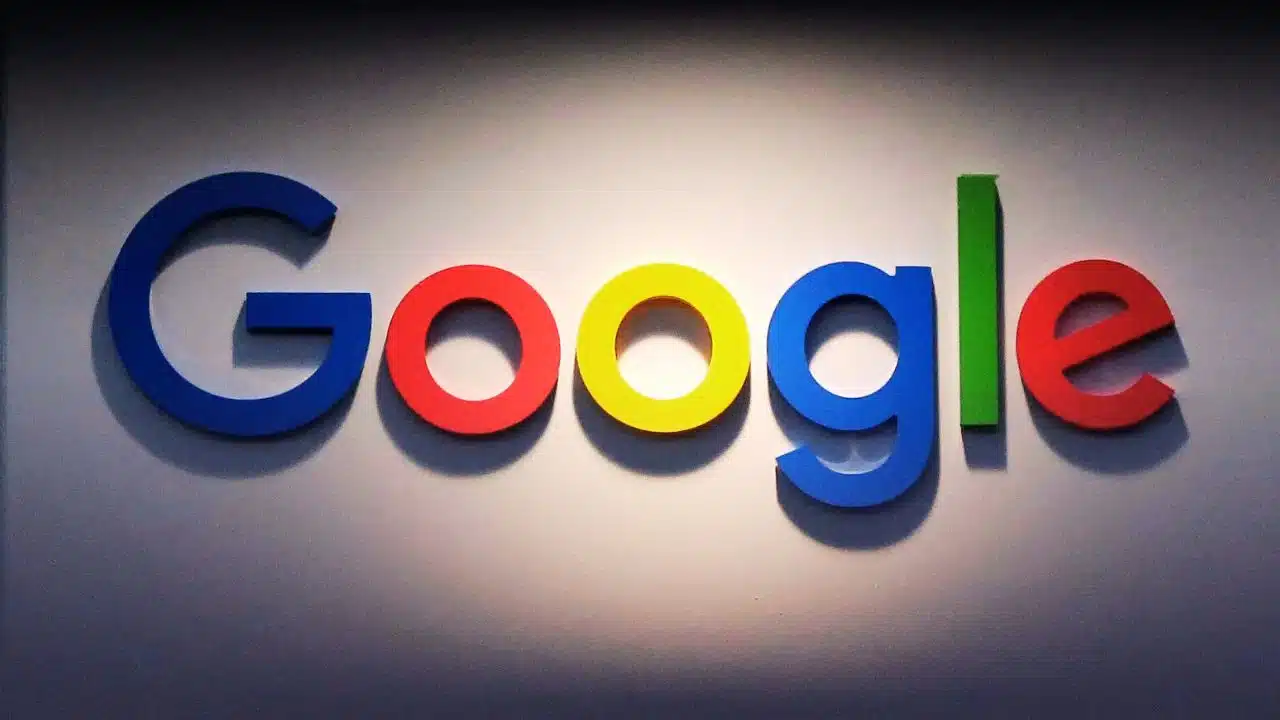
Google is preparing to pay a massive $700 million settlement to resolve long-standing allegations that it used its dominance in the Google Play Store to stifle competition and unfairly profit from developers and consumers. The legal action, spearheaded by Utah Attorney General Derek Brown and supported by 52 other state attorneys general, accused the tech giant of anticompetitive conduct related to payment processing and app distribution on Android devices.
The coalition argued that Google entered into exclusive contracts and employed restrictive practices that prevented competing app stores and payment systems from gaining traction. According to the complaint, this behavior led to higher prices, limited choices, and reduced innovation in the mobile app marketplace. For years, consumers had little option but to pay through Google’s own billing system, which charged high fees to developers and often resulted in inflated app and in-app purchase costs.
Utah, which played a central role in leading this case, is expected to receive approximately $10 million as part of the broader settlement package. Other states involved will receive a combined total of $70 million for their sovereign claims and litigation expenses. The remaining bulk—about $630 million—will go directly to consumers who were affected by Google’s alleged monopolistic conduct between August 2016 and September 2023.
The payment to consumers will be automatic. Eligible users who made app purchases or in-app payments during the affected period will not need to file claims. Instead, refunds will be distributed directly through PayPal, Venmo, ACH transfer, or check, depending on user preference. This structure ensures swift and direct restitution for millions of Android users who, according to the case, paid inflated prices due to Google’s restrictive billing ecosystem.
Utah Attorney General Derek Brown praised the result as a major victory for consumers and small businesses across the country. He stated that Google’s actions “hurt everyday Americans and small businesses by jacking up prices and limiting choices,” emphasizing that the settlement delivers tangible relief. “The bulk of this settlement goes directly to consumers who were overcharged for in-app purchases. I’m proud that Utah has been a leader on the national stage in holding Google accountable for its conduct,” Brown said in a press statement.
The lawsuit dates back to 2021, when Utah first led a bipartisan coalition of 37 attorneys general in suing Google. The complaint claimed that Google illegally monopolized the Android app distribution and payment processing markets. It accused Google of signing contracts that blocked other app stores from being preloaded on Android devices, buying off key app developers who might have created rival stores, and using technical barriers to discourage users from downloading apps directly from outside sources. Over time, the case expanded, gaining traction as more states joined the coalition, eventually reaching the current 53-state alliance.
In 2023, the coalition and Google announced a preliminary settlement, but final details were pending court approval. The agreement now officially mandates that Google overhaul its business practices and introduce structural changes designed to increase transparency and competition in the app ecosystem.
Major Changes Google Must Implement Under the Settlement
As part of the settlement, Google is required to reform its Play Store operations in ways that could reshape how Android users and developers interact for years to come.
For a minimum of five years, developers will be allowed to offer alternative billing systems within their apps. This means that users will be able to choose between Google Play Billing and third-party payment options—often with lower processing fees. Developers will also be permitted to offer discounted prices to consumers who choose these non-Google payment methods.
In addition, Google must allow developers to advertise cheaper pricing for subscriptions or in-app purchases directly within their apps if consumers pay using an alternative billing platform. For years, such practices were prohibited under Google’s policies, which required developers to use its own billing system and discouraged them from steering users toward other options.
The company is also barred from entering contracts that make the Play Store the exclusive pre-loaded app marketplace on Android devices or on a device’s home screen for at least five years. This change opens the door for mobile manufacturers and software developers to install or promote third-party app stores, creating a more competitive environment similar to what exists on desktop operating systems.
Another significant reform requires Google to allow installation of third-party apps from sources outside the Play Store for a period of at least seven years. In addition, the tech giant must revise and reduce warning messages that currently appear when a user attempts to download such apps. These messages, which often deter users by implying that non-Play Store apps are unsafe, will be reworded to be more balanced and transparent.
Google will also be obligated to maintain system-level support for third-party app stores, including features like automatic updates, for a minimum of four years. During that time, Android must continue to facilitate the installation, management, and updating of apps from non-Google sources, ensuring a fair playing field for alternative platforms.
Developers will not be required to launch their apps on the Play Store simultaneously with releases on other app stores for at least four years, giving them more freedom to explore different markets and partnerships. Moreover, Google must regularly submit compliance reports to an independent third-party monitor who will oversee these changes for at least five years to ensure the company adheres to its new obligations.
Utah’s Department of Commerce Executive Director Margaret Busse described the settlement as a turning point in restoring consumer trust. “Today marks an important milestone in restoring trust in the app store marketplace. This settlement addresses the harm caused to consumers by Google’s deceptive practices and paves the way for a more transparent and fairer environment for all users,” she said.
The agreement, which still awaits final court approval, sets a powerful precedent for regulating digital marketplaces. For developers, it offers greater freedom and flexibility in pricing, payment integration, and distribution. For consumers, it promises more choice, better prices, and improved competition across Android’s app ecosystem.
Broader Implications for the Tech Industry and Future Oversight
The $700 million settlement represents one of the most significant U.S. state-led actions against a major technology company in recent years. It underscores growing concerns among regulators about monopolistic control within the mobile ecosystem, where just a handful of tech giants—Google and Apple in particular—dominate app distribution and payment flows.
For developers, this outcome could reshape business models. Many small and mid-sized app creators have long argued that Google’s 15–30% commission fees were unsustainable, eating into profits and limiting growth. With alternative billing now permitted, they can experiment with direct-to-consumer payment channels that offer lower costs and potentially greater engagement. Consumers, in turn, are expected to see price reductions as developers pass along savings.
From a regulatory standpoint, the deal reinforces the trend toward increased antitrust scrutiny in the tech industry. It follows other high-profile cases, including the Epic Games v. Google trial, which similarly challenged Google’s control over app payments and distribution. While Epic’s case is separate, the evidence and findings from this state settlement may influence broader policy discussions and future litigation.
The settlement also raises important questions about how digital platforms balance user security with market openness. Google has historically justified its restrictions on third-party app installations as measures to protect users from malware and data breaches. The mandated changes will test whether Android can maintain its security standards while allowing greater freedom for developers and consumers alike.
In the coming years, Google will operate under close regulatory supervision. The independent compliance professional appointed under the settlement will have broad oversight powers, ensuring that Google cannot revert to anticompetitive practices once public attention fades.
Beyond the legal sphere, this case signals a paradigm shift in how governments approach digital market regulation. The success of Utah’s coalition demonstrates that state-level initiatives can drive significant change even against the world’s largest corporations.
Ultimately, the $700 million agreement may serve as a template for future antitrust settlements, balancing accountability with reform. By enforcing meaningful structural changes rather than mere fines, the deal seeks to reshape the competitive landscape of mobile commerce.
For everyday consumers, this means a fairer, more open app economy—one where choice and innovation are not dictated solely by the platforms controlling distribution, but by the creativity and value that developers bring to users. The ripple effects of this settlement are likely to extend far beyond the United States, influencing global debates about digital fairness, transparency, and competition across the tech industry.
The Information is Collected from KSL and Yahoo.