Hey there, are you curious about how crypto fits into German politics, but feel lost in all the noise? You’re not alone, my friend; tons of folks are scratching their heads, trying to figure out who in the government even cares about blockchain technology or crypto assets.
Guess what? With the 2025 German federal election coming up, Bitcoin and digital currencies are becoming a hot topic among voters, especially with parties like the Free Democratic Party (FDP) pushing hard for innovation in the crypto industry.
So, let’s cut through the clutter together. In this post, I’ll walk you through 10 German politicians and policymakers who are rooting for crypto, from supporting Bitcoin adoption to shaping smart crypto regulation.
Stick around, it’s gonna be a quick ride!
Key Takeaways
- Christian Lindner (FDP) pushes for Germany as a crypto hub, supports Bitcoin as “digital gold,” and suggests tax exemptions for profits held over a year.
- Frank Schäffler (FDP) backs a national Bitcoin strategy, tax breaks after one year, and opposes Proof-of-Work bans by 2025.
- Thomas Heilmann (CDU) promotes blockchain for transparency but agrees with strict crypto rules like wallet registration.
- Katja Hessel (FDP) fights for tax reforms, including exemptions on Bitcoin profits after one year, to boost the crypto industry.
- Annalena Baerbock (Greens) supports sustainable crypto mining and aims to scrap the one-year tax break on Bitcoin gains.
Christian Lindner (FDP) – Advocate for Financial Innovation
Christian Lindner, the head of the Free Democrats (FDP), is a big name in the German political scene pushing for fresh ideas in finance. He sees Bitcoin as “digital gold,” a tool with a fixed supply that fights inflation.
His vision? Make Germany a hub for the crypto industry by cutting red tape.
Lindner also backs a “crypto sandbox” to test flexible rules, helping startups grow without heavy burdens. Add to that, he supports tax exemptions for Bitcoin profits if you hold them for over a year.
On top of it all, he even suggests Bitcoin as a strategic reserve asset for Germany, a bold move for financial markets. What do you think, folks, could this spark a new era for money in Europe?
Frank Schäffler (FDP) – Strong Proponent of Crypto-Friendly Policies
Hey folks, let’s chat about Frank Schäffler from the FDP, a real champion for the crypto industry in Germany. He’s pushing hard for policies that make life easier for Bitcoin fans and investors.
Imagine having a buddy in politics who gets why digital cash matters; that’s Frank for you. He supports tax exemptions for Bitcoin gains after just a one-year holding period, much like gold gets a pass.
How cool is that?
Digging deeper, Schäffler backs open-source tech and even wants a national Bitcoin strategy. He’s not shy about opposing Proof-of-Work bans, arguing Bitcoin can help stabilize energy grids.
Plus, he’s floated the idea of Bitcoin as a backup reserve for the Bundesbank and the European Central Bank to mix up currency reserves. With German political parties often split on crypto regulation, his bold stance is a breath of fresh air for decentralized finance fans.
What do you think about his push for Bitcoin in big finance?
Thomas Heilmann (CDU) – Supporter of Blockchain Integration
Thomas Heilmann, a key figure in the CDU, stands out for his push to blend blockchain into Germany’s systems. He sees this tech as a game-changer, not just a passing fad. While his party, the CDU/CSU, often focuses on stricter crypto regulation and views cryptocurrencies as tools for criminal acts like money laundering or terrorist financing, Heilmann takes a different path.
He champions blockchain for its power to boost transparency and efficiency.
Dig this, folks, he isn’t blind to the risks, though. Heilmann nods to the CDU/CSU stance on tough rules, like registration for self-custody wallets and automated retrieval setups for crypto assets.
Still, he argues blockchain can transform sectors beyond finance, like supply chains or public records. His vision is clear: balance safety with innovation in the crypto industry. What a tightrope to walk, right?
Katja Hessel (FDP) – Promoter of Tax Reforms for Crypto Investors
Moving from blockchain integration with Thomas Heilmann, let’s discuss another significant figure in the crypto space. Katja Hessel, a prominent advocate in the FDP, strongly advocates for tax reforms to support crypto investors in Germany.
She remains committed to creating fairer regulations, particularly for individuals investing in Bitcoin and altcoins. Her priority? Reducing the tax load to encourage growth in the crypto industry.
Hessel champions bold proposals like tax exemptions for Bitcoin profits if held for more than a year. She also endorses the FDP’s efforts to establish clear VAT guidelines for Bitcoin transactions.
These measures are intended to remove obstacles and drive progress for startups in the cryptoasset sector. Hey, envision your earnings increasing without a heavy tax cut, sounds great, doesn’t it? Stay with us as we explore more leaders in crypto regulation and innovation!
Stefan Berger (CDU) – Advocate for EU Crypto Regulations
Stefan Berger, a key figure in the CDU, stands tall in the push for crypto regulation across Europe. He’s not just sitting on the sidelines; he’s actively shaping rules to tackle issues like money laundering and terrorist financing.
His focus? Making sure the crypto industry plays by strict guidelines. Berger believes cryptocurrencies often tie into criminal activities, so he’s all for tighter controls. Hey, it’s like putting a leash on a wild dog, right?
On top of that, Berger backs the CDU/CSU stance on tough measures. Think bans on crypto mixers and cash-crypto exchanges. He also supports registration for self-custody wallets to track shady deals.
With his voice in the mix, EU policies might get a firm grip on this digital frontier. Stick around, folks, his work could change how we see Bitcoin and beyond in Germany!
Manuel Höferlin (FDP) – Encouraging Blockchain Adoption in Germany
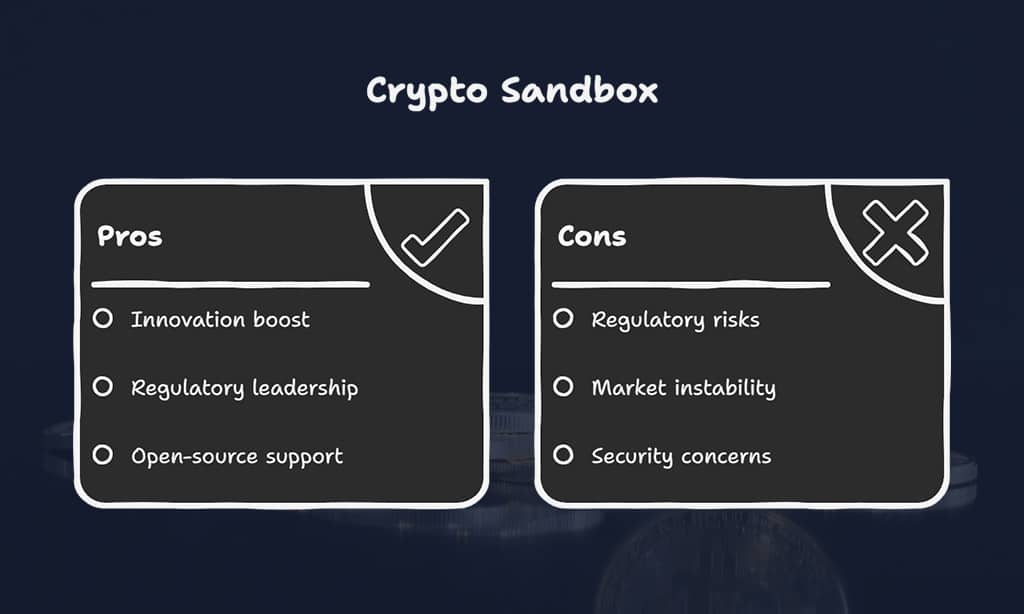
Manuel Höferlin, a key figure in the FDP, pushes hard for blockchain growth in Germany. He sees this tech as a game-changer for many sectors. His big idea? A “crypto sandbox” to ease rules for startups.
This setup lets new companies test ideas without heavy red tape, sparking fresh projects in the crypto industry.
Höferlin also cheers for open-source tools and a bold national Bitcoin strategy. He wants Germany to lead in crypto regulation, not lag behind. Picture a garden where new plants get space to grow; that’s his vision for blockchain firms.
Got thoughts on this? Drop a comment, let’s chat about how this could shape the future!
Linda Teuteberg (FDP) – Supporter of Blockchain in Education and Research
Moving from Manuel Höferlin’s push for blockchain adoption, let’s chat about another FDP star making waves. Linda Teuteberg is a big name in German politics, and she’s all in on using blockchain for education and research.
She sees this tech as a game-changer, a bit like finding a hidden treasure map. Her goal? Get students and scholars to dig into this digital gold.
Linda backs the FDP’s drive for educational programs on Bitcoin and blockchain technology. She wants schools and universities to teach this stuff, making sure Germany stays ahead in the crypto industry.
With parties like the CDU and FDP showing interest in Bitcoin learning offers, her vision is catching on. It’s like planting seeds for a tech-savvy future, don’t you think?
Johannes Vogel (FDP) – Advocate for Reducing Bureaucratic Barriers in Crypto
Johannes Vogel from the FDP is a big name in the fight for easier crypto rules in Germany. He’s all about cutting red tape that slows down Bitcoin companies. Hey, why make things harder than they need to be, right? Vogel pushes for fewer bureaucratic hurdles, believing this will draw more crypto industry players to set up shop here.
His party, the FDP, stands firm on market-driven solutions for Bitcoin’s legal and financial status. That’s a breath of fresh air for innovators!
On top of that, Vogel isn’t shy about challenging heavy-handed EU crypto regulations. He also speaks out against high energy costs that hurt Bitcoin mining. Think of him as a friend to those in the crypto space, trying to smooth out the rough edges.
His goal is simple: let the industry grow without getting tangled in endless rules. Now, let’s shift gears and talk about Peter Altmaier from the CDU next.
Peter Altmaier (CDU) – Proponent of Blockchain for Renewable Energy
Hey there, readers, let’s chat about Peter Altmaier from the CDU, a big name in German politics. He’s got a keen eye for blending blockchain with renewable energy. Imagine using tech to track green power, making sure every watt is accounted for.
Altmaier pushes for this kind of smart system, especially in Germany’s energy shift.
Now, while the CDU often focuses on stricter crypto regulation, seeing cryptocurrencies as tied to criminal activities, Altmaier stands out. His vision taps into sustainable ideas, much like how the Greens suggest using surplus renewable energy for Bitcoin mining to steady the power grid.
Pretty neat, right? Let’s move on to see how Annalena Baerbock ties into this crypto conversation.
Annalena Baerbock (Greens) – Supporting Sustainable Crypto Mining
Annalena Baerbock, a key figure in the Green Party, pushes hard for sustainable crypto mining. She knows the crypto industry, especially Bitcoin mining, gobbles up tons of energy with Proof-of-Work systems.
Her stance? Make it green or rethink it altogether.
On top of that, Baerbock and the Greens want to tackle other issues too. They’re eyeing the one-year tax break on Bitcoin profits, aiming to scrap it and possibly tax gains at income tax rates.
Plus, they’re hot on tracking crypto-related crimes like money laundering, ensuring the industry doesn’t become a shady playground. Stick with her ideas, folks, and you might see a cleaner, tighter crypto scene in Germany.
Mario Brandenburg (FDP) – Focused on Innovation in Blockchain Technology
Mario Brandenburg, a key figure in the FDP, is pushing hard for blockchain growth in Germany. He sees this tech as a game-changer for the crypto industry. His focus is on sparking new ideas, making sure Germany stays ahead in the digital race.
Think of him as a gardener, planting seeds for future innovation. Got a thought on how blockchain can transform things? Mario’s all ears!
His party, the FDP, backs open-source tools and even a national Bitcoin strategy. They’re also fighting for tax breaks on Bitcoin profits after just one year of holding. Plus, they want more learning programs on blockchain and Bitcoin.
Mario’s drive ties into these goals, aiming to build a strong base for digital cash in Germany. How cool is that for the future of money?
Takeaways
Hey there, folks, let’s wrap this up with a quick nod to these German leaders pushing crypto forward. Isn’t it wild how many, from different parties, see the spark in blockchain and Bitcoin? Their support could light the path for cool changes in Germany’s money scene.
So, keep an eye on these names as the 2025 election nears. They might just shake things up with digital cash!
FAQs
1. Hey, who are some German politicians backing the crypto industry?
Well, folks from the Social Democratic Party (SDP), Alliance 90/The Greens, and even the Left Party have shown support for cryptocurrencies. It’s a mixed bag, but they’re diving into this digital wave with gusto, often pushing for smart regulation of cryptocurrencies.
2. Do any German political parties worry about money laundering with crypto?
Oh, you bet they do. Parties like the AfD and even some in Angela Merkel’s old circle raise red flags about money laundering and terrorist financing tied to digital coins like BTC. They’re all for compliance, wanting to keep the crypto game clean as a whistle.
3. What’s the deal with German policymakers and bitcoin reserves?
Some policymakers, especially from the Social Democratic Party, are curious about bitcoin reserves, taking a page out of El Salvador’s playbook under Nayib Bukele. They’re not fully on board yet, but the idea of holding BTC as a national asset is stirring up chatter.
4. Are German leaders cool with bitcoin mining, or is it a hard no?
Listen up, bitcoin mining gets a nod from a few bold leaders in German political parties, though they’re picky about energy use. They want to balance innovation in the crypto industry with green goals, often clashing with central banks over monetary policies. It’s like walking a tightrope, isn’t it?
5. How do German politicians view crypto regulation compared to places like El Salvador?
Well, unlike Nayib Bukele’s all-in approach with BTC in El Salvador, German leaders across parties like Alliance 90/The Greens prefer a cautious path. They’re hashing out crypto regulation to dodge risks like terrorist financing. It’s less of a wild west here, more like a fenced-in backyard.