Hey there, ever wondered how the cars you drive could get smarter and safer? Maybe you’re frustrated with issues like fake car parts or tricky ownership transfers. These problems can be a real headache, making you question the reliability of the automotive industry.
Guess what? German car manufacturers are stepping up with a cool fix called blockchain technology. In fact, Porsche was the first automaker to test this tech in their vehicles, paving the way for others.
This isn’t just a passing trend; it’s a game-changer for how cars work in markets, from supply chains to electric vehicles.
Stick with me, and I’ll show you six awesome ways this tech is shaking things up. You’ll see how it tackles your car worries head-on, from tracking parts to charging electric cars with ease.
Ready for the ride? Let’s go!
Key Takeaways
- German car makers like BMW use blockchain to track cobalt for electric vehicle batteries, ensuring ethical sourcing from places like Australia and Canada, where 20% of Congo’s cobalt may involve child labor.
- Porsche was the first automaker to test blockchain, leading the way for others in the industry.
- Volkswagen Financial Services and BigchainDB support Carpass, using telematics to log a car’s life events for better security.
- Ernst & Young launched Tesseract in August 2017, a blockchain platform for easy vehicle ownership sharing and fleet management.
- Toyota Research Institute created AVDEX, a blockchain platform for secure data sharing in autonomous vehicles, rewarding users with Datacoin tokens.
Streamlining Supply Chain Management
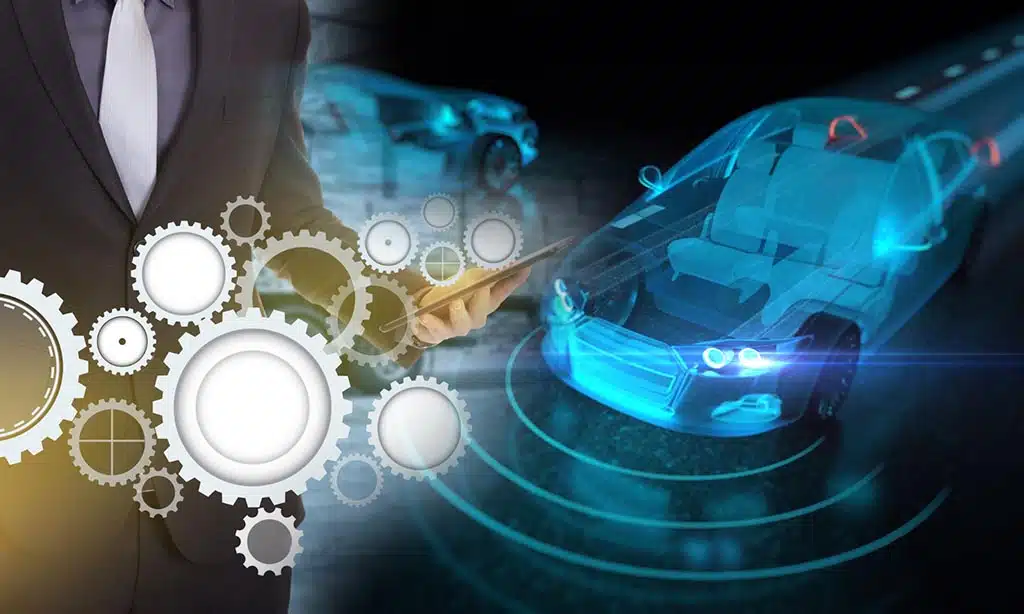
Moving from our intro to a key area, let’s talk about how German car makers are revamping their systems with blockchain. These companies, like BMW, are tackling supply chain management with this tech to keep things smooth and clear.
Imagine a giant puzzle with pieces scattered everywhere; blockchain helps snap them together fast. It creates a digital trail for every part, so there’s no guesswork about where stuff comes from or where it’s headed.
Now, picture the cobalt in electric vehicle batteries, a big deal for the automotive sector. About two-thirds of the world’s cobalt hails from the Democratic Republic of Congo, and sadly, 20% might involve child labor in artisanal mines.
BMW teamed up with Circulor to track cobalt, starting with supplies from Australia and Canada, making sure it’s ethically sourced. Blockchain technology logs every step on a distributed ledger, cutting down on fraud and boosting trust.
With smart contracts, deals happen automatically when rules are met, saving time and hassle in supply chain chaos. How cool is that?
Ensuring Parts Authenticity and Tracking
Shifting from smoother supply chains, let’s talk about how German car makers handle parts authenticity and tracking with blockchain. Think about buying a used car, and you’re unsure if the engine is genuine.
That’s a real problem, isn’t it? Blockchain comes in as a reliable ally, ensuring every part has a transparent history. It serves as a digital record, a type of distributed ledger technology, that tracks every component from the factory to your garage.
No counterfeits can sneak past. This technology maintains honesty in the automotive industry and fosters confidence with buyers like you and me.
Now, imagine this chaos: a recalled part creating issues on the road. That’s alarming! German giants, working alongside blockchain startups, monitor parts using tools like RFID tags for precise accuracy.
Take Innogy SE, for example; they’re developing a Digital Twin platform to replicate physical car components in a virtual environment. Each nut and bolt receives a digital identity, making it easy to follow its journey.
Plus, initiatives like Carpass, supported by Volkswagen Financial Services and BigchainDB, use telematics data to record a vehicle’s life events. This enhances data protection, reduces fraud, and keeps our vehicles secure on busy streets.
Vehicle History and Provenance Verification
Hey there, folks, ever wonder how you can trust a car’s full story? German car makers are tapping into blockchain technology to track vehicle history and provenance, making sure every detail from assembly to disposal shines with clarity.
This isn’t just a fancy trick; it’s a game-changer for transparency and safety in the automotive industry. Imagine having a digital diary for every car, one that can’t be faked or altered.
That’s what blockchain, a type of distributed ledger technology, brings to the table. It logs every step, right from the factory floor to the last owner, so you know exactly what you’re getting.
Now, let’s chat about why this matters to you. With blockchain networks, counterfeit issues get kicked to the curb, since every part and every move is verified. Picture buying a used car and knowing its entire journey, no shady secrets hiding in the trunk.
German manufacturers are leading this charge, using secure transactions to build trust in markets like electric vehicles and connected cars. Plus, this tech boosts data security, keeping sensitive information safe from prying eyes.
Stick around as we explore more ways this innovation revs up the industry!
Simplifying Ownership Transfer and Digital Titles
Moving from tracking a car’s history to making ownership swaps easy, let’s talk about how blockchain is transforming the landscape. German car makers are embracing this technology to streamline the process of buying and selling vehicles.
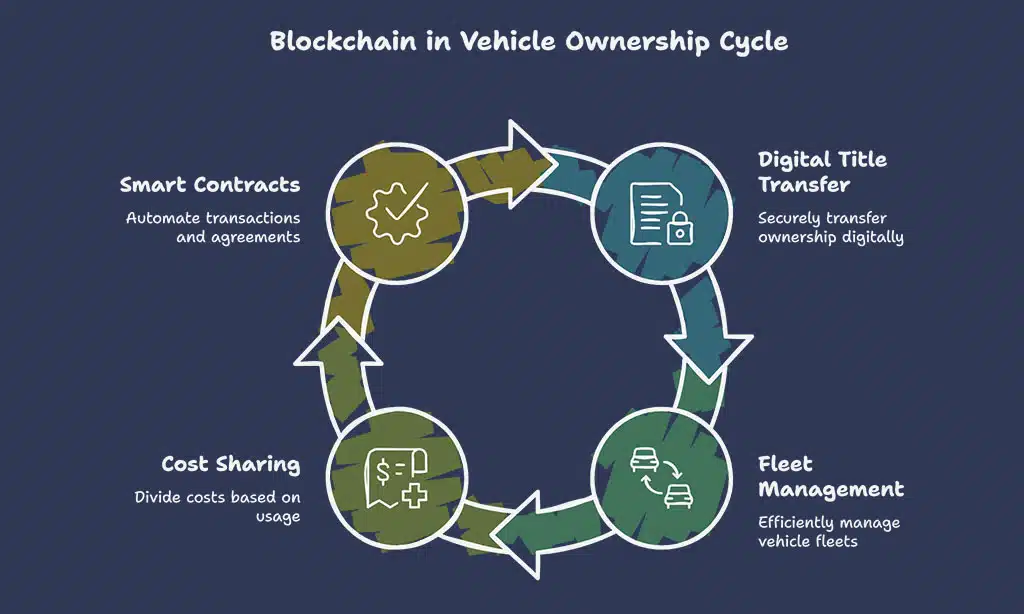
Envision replacing stacks of paperwork with a swift digital title transfer, all secured on a decentralized blockchain. It’s like handing off the baton in a relay race, only quicker and without any missteps.
Now, imagine a solution like Tesseract, introduced by Ernst & Young in August 2017. This blockchain platform enables people to manage vehicle fleets and even share ownership, for instance, in a large residential complex.
You could divide costs per mile or pay according to usage, all via protected transactions and smart contracts. It’s an innovative approach to managing electric vehicles or ride-sharing arrangements, reducing the inconvenience of traditional methods.
Enhancing Electric Vehicle Charging and Payments
Hey there, folks, let’s talk about how German car makers are enhancing electric vehicle charging and payments with blockchain technology. Envision pulling up to a charging station, and just like that, your payment is processed instantly through smart contracts.
No need to search for cards or apps, just a fast, secure transaction that gets you back on the road. This tech, often referred to as distributed ledger technology, ensures every cent is tracked without any issues.
Now, imagine you’re not only charging your electric vehicle, or EV, but also managing parking fees or tolls with the same simplicity. Blockchain comes in to simplify these payments, making ride-sharing or even cargo monetization effortless.
It’s like having a reliable partner that handles all the financial details at charging spots or parking lots. German brands are leveraging this to elevate your brand experience, keeping everything seamless while you cruise in your eco-friendly ride.
Improving Vehicle Data Sharing and Security
Moving from electric vehicle charging solutions, let’s explore how blockchain enhances vehicle data sharing and security. Think of your car as a fortress of private information, storing trip details and personal data.
Blockchain, with its distributed ledger technology, safeguards this information from hackers by eliminating central servers. Without a single point of vulnerability, the risk of data breaches drops significantly.
It’s like securing your valuables in a vault that only you can access, no matter your location.
Now, envision this with autonomous vehicles. Blockchain enables these self-driving cars to exchange trip data securely, accelerating the journey to full autonomy, or level-five as the experts define it.
Consider Toyota Research Institute as an example. They developed AVDEX, a unique platform leveraging blockchain technology for autonomous vehicle data exchange. It shields information with strong encryption and even compensates data providers with Datacoin tokens, which can be converted into real money.
So, your car’s data remains protected, and you might gain a small reward in the process!
Takeaways
Hey there, let’s conclude with a quick shout-out to the incredible ways German car makers are exploring blockchain tech. Think of it as a digital toolkit, streamlining everything from supply chains to electric vehicle charging.
Isn’t it amazing how a tech like this can increase confidence in car data and even promote eco-friendly driving? Stay tuned, folks, because the future with blockchain in the automotive industry looks incredibly promising!
FAQs on German Car Brands Embrace Blockchain
1. How are German car manufacturers tapping into blockchain for supply chain tracking?
Hey, let’s chat about this cool trick! German giants in the automotive industry are using blockchain technology to keep tabs on their supply chain, making sure every part, from electric vehicles (EVs) to tiny bolts, is sourced with sustainable practices. It’s like having a digital detective ensuring sustainable sourcing and data integrity, no matter where the pieces come from, even places like the DRC.
2. What’s the deal with blockchain and secure transactions for autonomous cars?
Picture this, my friend, blockchain technologies are like a vault for secure transactions in autonomous vehicles. German manufacturers are weaving distributed ledger technology into autonomous driving systems to lock down payments and data management for ride-hailing services or taxi fleets. It’s all encrypted, so your self-driving vehicle stays safe from prying eyes on the internet.
3. Are German automakers using blockchain for smart contracts in the automotive sectors?
You bet they are! They’re rolling out smart contracts via blockchain startups to automate deals for used cars or ride sharing, cutting out the middleman faster than you can say “vroom.”
4. How does blockchain tie into environmentally friendly driving with electric vehicles?
Listen up, because this is neat. German car makers are linking blockchain with peer-to-peer energy trading for electric vehicles (EVs), letting drivers swap energy sources on a grid for a smart city setup. It’s like trading baseball cards, but for power, supporting energy transition and corporate social responsibility under environmental regulations.
5. Can blockchain boost information security for Industrie 4.0 in the automotive industry?
Absolutely, pal, it’s a game-changer. Blockchain offers top-notch information security for Industrie 4.0, blending with artificial intelligence (AI) and the Internet of Things to guard databases in automation. Think of it as a digital fortress for General Motors (GM) or Ford’s high-tech plans, keeping audits and regulatory compliance tight as a drum.