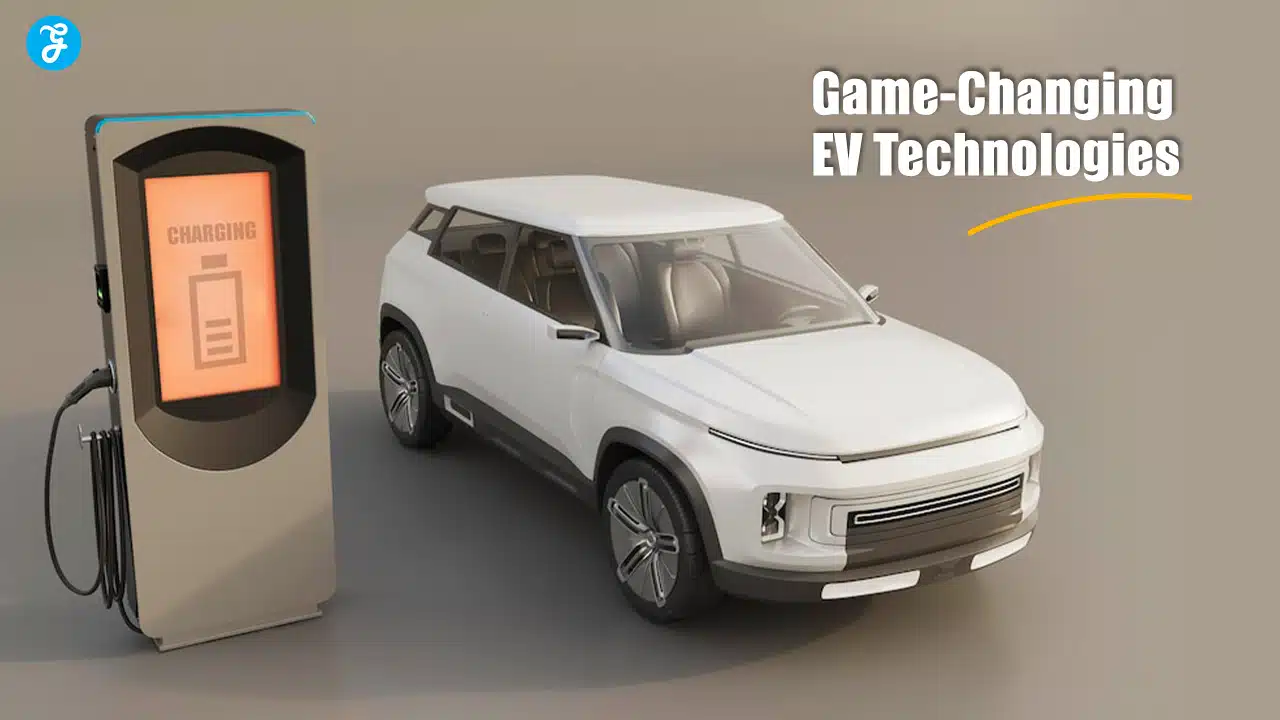
As electric vehicles (EVs) continue to gain popularity, the automotive industry is undergoing a massive transformation.
Breakthroughs in EV technology are not only making electric vehicles more efficient and affordable but also paving the way for sustainable transportation.
With advancements ranging from battery innovations to autonomous driving, these technologies are set to redefine the future of electric vehicles.
In this comprehensive guide, we’ll dive into the 10 game-changing EV technologies to watch, exploring how each innovation works, its impact on the EV market, and what it means for the future of mobility.
1. Solid-State Batteries
Solid-state batteries are widely regarded as one of the most promising EV technologies of the future.
Unlike traditional lithium-ion batteries, which use liquid electrolytes to facilitate the flow of ions between the anode and cathode, solid-state batteries use solid electrolytes.
This change in material results in several key advantages, including higher energy density, faster charging times, and improved safety.
Benefits of Solid-State Batteries
- Increased Energy Density: Solid-state batteries can store more energy, allowing EVs to travel longer distances on a single charge.
- Faster Charging: With a more efficient design, these batteries can charge at higher rates, reducing downtime for EV owners.
- Enhanced Safety: Solid-state batteries are less prone to overheating and thermal runaway, making them safer than traditional lithium-ion batteries.
The Future Impact of Solid-State Batteries
Solid-state batteries have the potential to significantly reduce the cost of EVs by lowering battery prices while also extending range and improving overall performance.
Major automakers, including Toyota and Volkswagen, are investing heavily in this technology, with expectations of commercialization in the coming years.
By 2030, solid-state batteries could become the industry standard for electric vehicles.
2. Wireless Charging for EVs
One of the most exciting developments in the EV space is wireless charging technology.
This system allows electric vehicles to charge their batteries without the need for physical cables.
Instead, wireless charging relies on magnetic resonance or induction to transfer energy between a charging pad and the EV, making it a convenient and user-friendly option for charging.
How Wireless Charging Works
- Magnetic Resonance: An EV’s coil picks up a magnetic field from a charging pad on the ground, transferring energy to the battery.
- Ease of Use: Drivers simply park their car over the charging pad, and charging begins automatically—no need to plug in.
Future Applications of Wireless Charging
While wireless charging is still in its early stages, automakers like BMW, Mercedes-Benz, and Hyundai are already experimenting with the technology.
Future developments could include dynamic wireless charging systems embedded in roads, allowing EVs to charge while driving.
This technology could significantly reduce range anxiety and help make EVs more accessible to the mass market.
3. Ultra-Fast Charging Networks
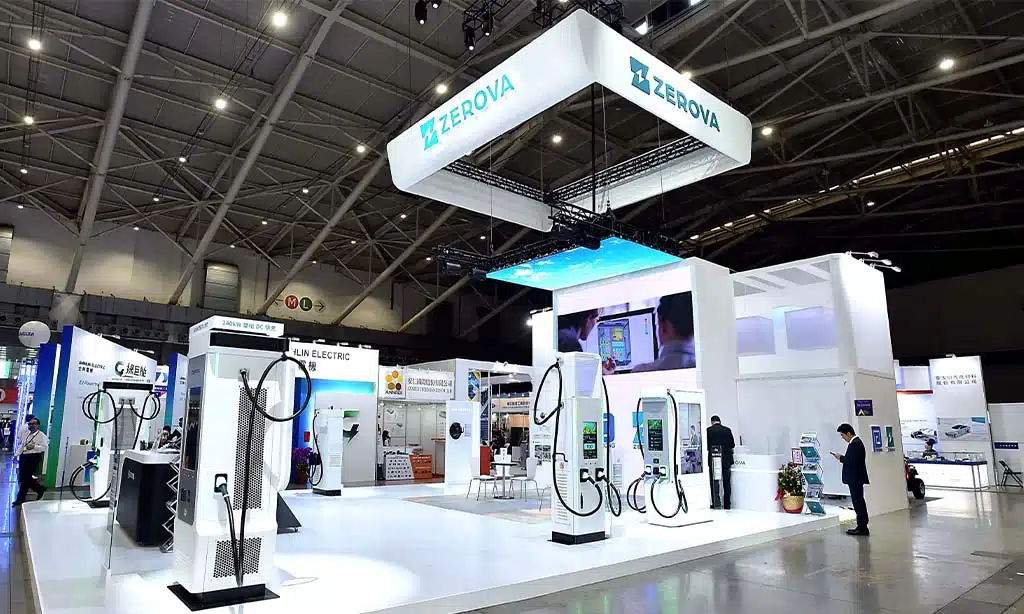
Charging infrastructure is one of the most critical factors in EV adoption, and ultra-fast charging networks are poised to change the game.
Ultra-fast chargers, such as 350 kW chargers, can replenish an EV’s battery in a matter of minutes, similar to the time it takes to refuel a gasoline car.
These chargers use high-voltage systems to deliver a significant amount of power in a short period, making long-distance travel more feasible for EV owners.
Key Features of Ultra-Fast Charging Networks
- 350 kW Chargers: These chargers can deliver up to 350 kilowatts of power, significantly reducing charging times.
- Widespread Deployment: Companies like Tesla, Electrify America, and Ionity are rapidly expanding their ultra-fast charging networks to cover highways and major urban areas.
- Long-Distance Travel: Ultra-fast chargers are strategically placed along highways, enabling EV drivers to travel long distances without long waits for recharging.
The Future of Charging Speed
With ultra-fast chargers becoming more common, EV adoption is expected to rise as range anxiety diminishes.
Future advancements may push charging times even lower, with researchers working on charging technologies that could fully recharge an EV in under 10 minutes.
This development would make EVs even more attractive to consumers who are used to the convenience of gasoline vehicles.
4. Vehicle-to-Grid (V2G) Technology
Vehicle-to-grid (V2G) technology is set to revolutionize how electric vehicles interact with the power grid.
V2G allows EVs to not only draw power from the grid but also send power back to it.
This two-way energy flow can help stabilize the grid during peak demand times and enable EV owners to earn money by selling excess energy stored in their vehicles back to the utility companies.
How V2G Technology Works
- Bidirectional Charging: V2G-enabled EVs use bidirectional chargers that allow electricity to flow both into and out of the vehicle’s battery.
- Grid Stabilization: During periods of high electricity demand, EVs can supply stored energy back to the grid, helping prevent blackouts and reducing the need for additional power plants.
- Earnings for EV Owners: In some regions, EV owners can earn credits or payments from utilities by contributing energy to the grid.
The Future of V2G Technology
V2G technology has the potential to transform the relationship between transportation and energy production.
By enabling EVs to act as mobile energy storage units, V2G could play a critical role in supporting renewable energy sources like wind and solar, which are inherently variable.
Automakers such as Nissan and Mitsubishi are already exploring V2G capabilities in their vehicles, and this technology could soon become a standard feature in electric cars.
5. Battery Recycling and Second-Life Applications
As more electric vehicles hit the roads, the issue of battery disposal and recycling has become increasingly important.
Battery recycling technologies are being developed to reclaim valuable materials, such as lithium, cobalt, and nickel, from used EV batteries.
In addition to recycling, second-life applications for EV batteries are emerging, where batteries that are no longer suitable for use in vehicles can be repurposed for energy storage systems in homes and businesses.
Benefits of Battery Recycling and Second-Life Use
- Resource Recovery: Recycling EV batteries helps recover valuable materials, reducing the need for environmentally harmful mining activities.
- Second-Life Applications: EV batteries can be used in stationary energy storage systems, providing backup power or storing renewable energy for later use.
- Environmental Impact: Properly recycling and reusing batteries can significantly reduce the environmental footprint of electric vehicles.
The Future of Battery Recycling and Second-Life Use
As the number of EVs continues to grow, the demand for sustainable battery disposal solutions will increase.
Companies like Tesla, Redwood Materials, and Li-Cycle are at the forefront of battery recycling innovation, developing processes to recover up to 95% of valuable materials.
At the same time, second-life applications are gaining traction, offering a new lease on life for used EV batteries in residential and commercial energy storage systems.
6. Autonomous Driving Technology
Autonomous driving technology has the potential to revolutionize the EV market by making electric vehicles smarter, safer, and more efficient.
With companies like Tesla, Waymo, and Cruise leading the charge, self-driving EVs are becoming a reality.
Autonomous driving technology relies on a combination of sensors, cameras, and artificial intelligence to navigate roads, avoid obstacles, and make real-time driving decisions without human intervention.
Levels of Autonomous Driving
- Level 2 autonomy: The driver is still in charge, but systems like lane-keeping and adaptive cruise control help.
- Level 3 Autonomy: The vehicle can take over most driving functions, but the driver must be ready to intervene if needed.
- Level 4/5 Autonomy: Fully autonomous vehicles can operate without human input, even in complex environments.
The Future of Autonomous Driving in EVs
While fully autonomous EVs are still a few years away from widespread adoption, advancements in autonomous driving technology are accelerating rapidly.
Autonomous electric vehicles have the potential to reduce traffic accidents, improve fuel efficiency, and change the way we think about vehicle ownership, particularly with the rise of mobility-as-a-service (MaaS) models where people can summon self-driving cars on demand.
7. Solid-State Supercapacitors
Solid-state supercapacitors are emerging as a complementary technology to traditional EV batteries.
While batteries store energy over a long period, supercapacitors excel in fast energy discharge and rapid charging cycles.
Supercapacitors can absorb and release energy quickly, making them ideal for applications like regenerative braking, where energy is captured and stored momentarily before being used again.
Advantages of Solid-State Supercapacitors
- Rapid Charging: Supercapacitors can charge and discharge energy almost instantly, offering quicker power delivery than traditional batteries.
- Durability: They have a longer lifespan and can handle more charge and discharge cycles without degrading.
- Energy Efficiency: Supercapacitors can improve the overall energy efficiency of electric vehicles by optimizing energy use during acceleration and braking.
The Future of Supercapacitors in EVs
Supercapacitors are not expected to replace traditional EV batteries but rather complement them by providing faster power delivery and greater durability.
Companies like Maxwell Technologies and Skeleton Technologies are leading the development of solid-state supercapacitors, and their integration into future EVs could further enhance performance and range.
8. Solar-Powered Electric Vehicles
While most EVs rely on charging stations for power, solar-powered electric vehicles (SPEVs) aim to generate energy directly from the sun.
With photovoltaic panels integrated into the roof and body of the vehicle, SPEVs can supplement traditional charging methods and extend the driving range by converting sunlight into electricity.
Solar energy won’t entirely replace traditional charging, but it can help reduce dependency on charging infrastructure and make EVs more sustainable.
Key Features of Solar-Powered EVs
- Photovoltaic Panels: SPEVs are equipped with solar panels that generate electricity from sunlight, which is stored in the vehicle’s battery.
- Extended Range: While solar power won’t fully charge the vehicle, it can extend the range by a few miles per day, depending on weather conditions.
- Sustainability: Solar-powered EVs reduce reliance on the electrical grid, promoting a more sustainable energy ecosystem.
The Future of Solar-Powered EVs
While still in the experimental stage, solar-powered EVs are gaining attention as a potential solution to range anxiety and energy sustainability.
Companies like Aptera, Lightyear, and Sono Motors are developing solar-powered electric vehicles with the aim of reducing the need for frequent charging.
In the future, SPEVs could become a viable option for eco-conscious consumers seeking to minimize their carbon footprint.
9. Bi-Directional Charging
In addition to V2G technology, bi-directional charging allows EVs to power devices or even serve as backup power for homes.
In this scenario, the electric vehicle’s battery can supply power to a home during a blackout or be used to offset electricity consumption during peak hours.
This makes EVs not just a mode of transportation but also a mobile energy solution.
Benefits of Bi-Directional Charging
- Backup Power: EVs with bi-directional charging capabilities can provide power during outages, acting as a mobile generator.
- Energy Savings: By supplying power during peak hours, bi-directional charging can help lower electricity bills by reducing the need to draw power from the grid.
- Sustainable Energy Use: This technology supports renewable energy systems by enabling EVs to store and release excess solar or wind energy for home use.
The Future of Bi-Directional Charging
Bi-directional charging technology is still in its early stages, but it has the potential to change the way we think about energy storage and consumption.
Nissan’s Leaf-to-Home system is one of the first examples of this technology in action, and other automakers are exploring similar solutions.
As more homes adopt solar power, bi-directional charging could become a key component of a sustainable energy ecosystem.
10. Artificial Intelligence (AI) in EV Management
Artificial intelligence is playing a critical role in optimizing EV performance, from battery management to driving efficiency.
AI algorithms can analyze driving patterns, predict maintenance needs, and adjust power usage in real-time to maximize battery life and improve range.
Additionally, AI is used to manage autonomous driving systems, making EVs smarter and safer on the road.
AI Applications in EVs
- Battery Optimization: AI can monitor and optimize battery performance, predicting when to charge and how to maximize energy efficiency.
- Predictive Maintenance: AI systems can alert drivers to potential issues before they become serious, reducing downtime and repair costs.
- Autonomous Driving: AI powers the sensors, cameras, and decision-making processes that enable autonomous driving in EVs.
The Future of AI in Electric Vehicles
AI’s role in electric vehicles is expected to expand rapidly, with advancements in machine learning and big data analytics.
In the near future, AI could help reduce charging times, optimize energy consumption, and even offer personalized driving experiences.
Tesla’s AI-powered Autopilot is already leading the way in autonomous driving, and other automakers are developing AI solutions that could make electric vehicles even more efficient and user-friendly.
Conclusion: The Road Ahead for EV Technologies
The future of electric vehicles is bright, with innovations like solid-state batteries, wireless charging, and AI-powered systems driving the industry forward.
These 10 game-changing EV technologies are set to reshape the automotive landscape, making electric vehicles more accessible, efficient, and sustainable.
As these technologies continue to evolve, we can expect to see even greater advancements in the years ahead, paving the way for a cleaner, smarter, and more connected future.