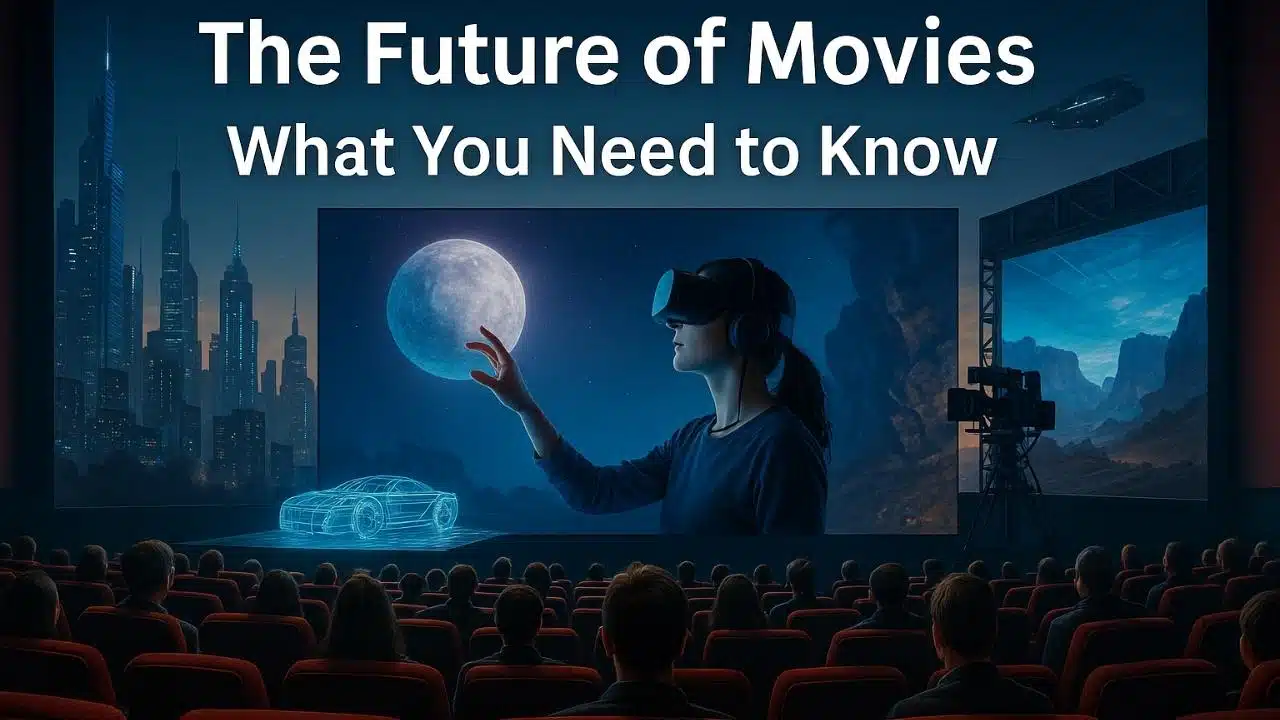
Movies are entering a new era shaped by technology, streaming, and changing audience habits. The way films are made and watched today is very different from what it was a decade ago. Viewers want faster, richer, and more personal entertainment experiences. Studios want to reduce costs and reach global audiences. New tools like AI, VR, and virtual production are helping them do both.
In this article, you will discover how the future of movies is forming step by step. You will see what changes are coming, why they matter, and how they affect both viewers and filmmakers. This guide uses simple language, clear structure, and SEO-focused writing to help readers understand every part of this important shift.
How Technology Is Transforming the Future of Movies
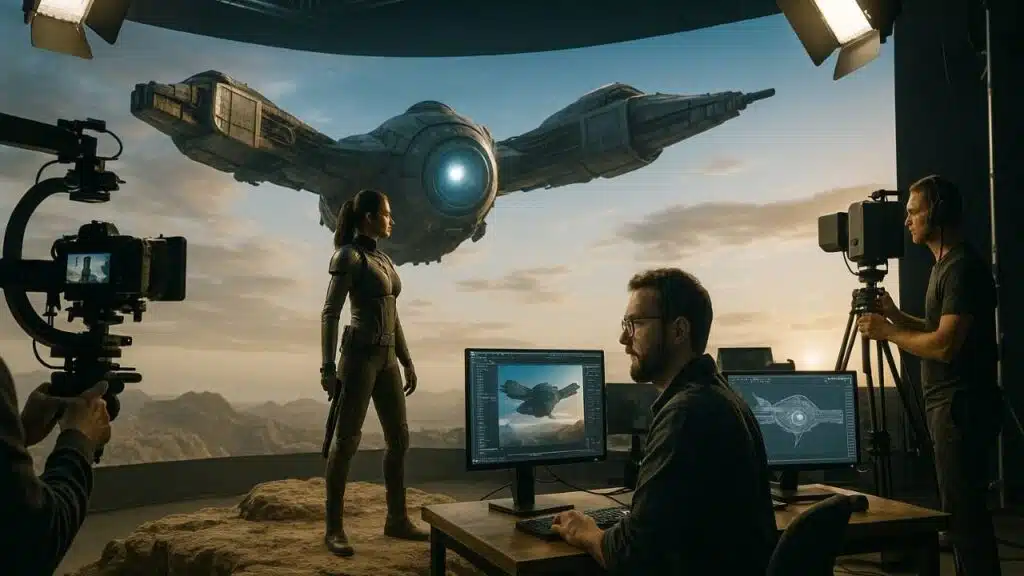
Technology is changing every stage of filmmaking. It shapes how stories are written, how scenes are created, and how audiences watch movies. New tools reduce production time, improve visuals, and open creative doors that once seemed impossible. The future of cinema will depend heavily on how well the industry adapts to these innovations.
AI-Driven Production and Scriptwriting
AI is helping writers and filmmakers speed up the creative process. Tools can now analyze patterns in successful films, test story ideas, and suggest improvements in dialogue. AI also helps detect plot holes and improves pacing in early drafts. Writers still control the story, but AI increases efficiency and saves time.
Producers use AI for audience prediction. AI studies past movie data and global trends to forecast which genres will succeed. These insights help studios reduce financial risk and shape marketing strategies. AI also assists with subtitles, translations, and dubbing by creating efficient and accurate language outputs.
How AI Supports Filmmaking
| Process | AI’s Role | Benefit to Production |
| Scriptwriting | Suggests ideas, edits dialogue | Faster, cleaner drafts |
| Pre-production | Forecasts audience interest | Better planning and budgeting |
| Localization | Automates translation and dubbing | Faster global releases |
| Editing | Scene sorting and rough cut assistance | Shorter post-production time |
Virtual Production and LED Stage Technology
Virtual production is a major trend shaping the future of cinema. Instead of shooting on physical sets, filmmakers use LED walls that display high-resolution virtual environments. This allows actors to perform inside realistic digital worlds. Directors can adjust lighting, scenery, and weather instantly.
These LED stages reduce travel costs and improve control over the filming environment. They also increase creative freedom, allowing films to create locations that would be too costly or impossible to visit. Virtual production will be used in more movies as the technology becomes cheaper and more accessible.
Table: Virtual Production vs Traditional Filming
| Feature | Traditional Filming | Virtual Production |
| Location cost | High travel and setup expenses | Lower due to digital environments |
| Lighting control | Difficult outdoors | Fully controllable |
| Realism | Limited by physical sets | Highly detailed virtual worlds |
| Production speed | Weather delays possible | Smooth, uninterrupted workflow |
3D, 4D, and Immersive Cinema Experiences
Theaters are improving their offerings to compete with streaming. Advanced technologies like 3D, 4D, and motion-based experiences create a new way of watching movies. Moving seats, wind effects, water sprays, and scent machines immerse audiences deeper into the story. These features help theaters offer something viewers cannot get at home.
Interactive and sensory cinema formats attract people who want excitement and social experiences. Theaters also upgrade screens, sound systems, and seating to deliver premium entertainment. These immersive options aim to revive the big-screen culture.
Immersive Cinema Features
| Format | Experience | Viewer Benefit |
| 3D | Enhanced depth and realism | More engaging visuals |
| 4D | Seats move, environmental effects | Physical immersion in action scenes |
| Laser projection | Sharper and brighter images | Better clarity and color |
| Premium sound | High-quality audio systems | Stronger emotional impact |
Digital Actors, CGI, and the Rise of Synthetic Performers
Digital actors and CGI tools have advanced rapidly. Filmmakers can create digital doubles for dangerous scenes. They can also de-age actors or bring back beloved characters from older films. CGI worlds, creatures, and effects look more realistic each year, making fantasy and science fiction more immersive.
Synthetic actors, based on AI and motion capture, will appear more often in future films. This raises ethical concerns about actor rights and digital ownership. Still, many productions rely on these tools to reduce risk, save money, and explore new creative possibilities.
Growth of Digital Performance Technologies
| Technique | Purpose | Benefit |
| Digital doubles | Replace actors in risky scenes | Ensures actor safety |
| De-aging CGI | Creates younger versions of characters | Expands storytelling options |
| Motion capture | Captures lifelike movement | Helps build realistic CGI characters |
| Synthetic actors | Fully digital performers | Lower long-term production costs |
The Streaming Revolution and Its Impact on Movies
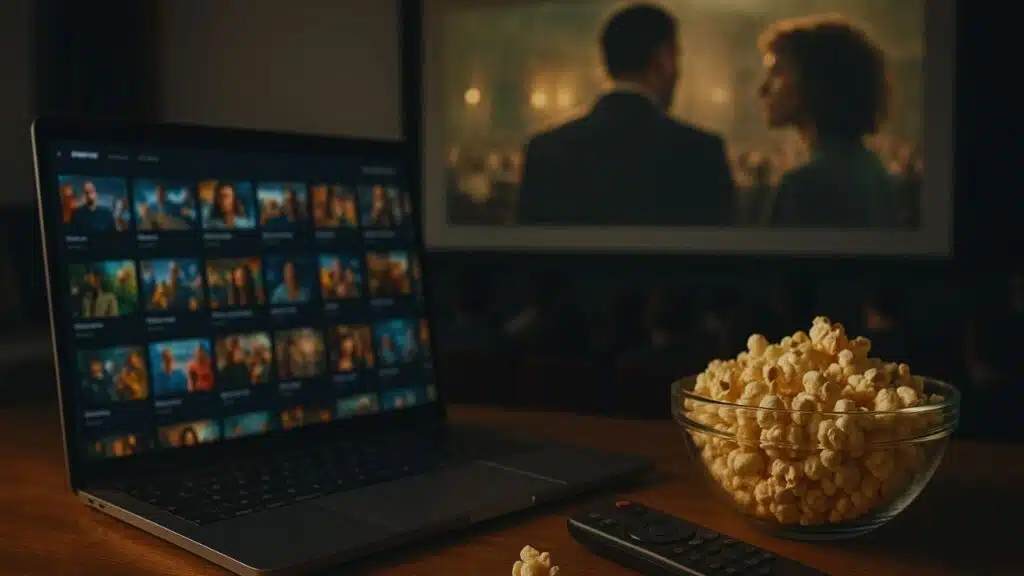
Streaming has become a major part of the global entertainment landscape. It gives viewers instant access to thousands of movies and shows. This shift has changed how films are released, produced, and consumed. The competition among streaming platforms also pushes studios to create more exclusive content.
Streaming vs Theaters: Changing Viewing Habits
The popularity of streaming platforms has changed viewing habits forever. People can watch movies on TVs, tablets, and phones anytime they want. This convenience challenges theaters, which offer a fixed schedule and location. Many viewers prefer the comfort of home, especially for dramas or comedies.
However, theaters still attract crowds for big action films and event releases. The future will likely include both formats. Studios now use hybrid release models, where movies premiere in theaters and appear on streaming platforms soon after.
Differences Between Streaming and Theaters
| Factor | Theaters | Streaming |
| Convenience | Fixed showtimes | Watch anytime |
| Experience | Big screen, premium sound | Personal devices |
| Cost | Ticket and snacks | Monthly subscription |
| Access to content | Limited to current films | Huge library of movies and shows |
Personalized Recommendations and AI in Streaming
Streaming platforms use AI to personalize the viewer experience. Algorithms study what users watch, how long they watch, and what genres they prefer. Based on this data, platforms recommend movies that match their taste. This makes it easy for viewers to find content they enjoy.
This level of personalization shapes the future of film distribution. Data helps platforms decide which movies to fund. It reveals what viewers want to see and what themes or genres generate the most engagement.
How AI Personalization Works
| Data Collected | Purpose | Result for Viewers |
| Viewing history | Understand film preferences | Better movie suggestions |
| Watch duration | Measure interest level | More accurate recommendations |
| Genre patterns | Identify favorite categories | Tailored content feeds |
| Device activity | Optimize app experience | Smooth and fast streaming |
Subscription Fatigue and Platform Competition
With many streaming services available, viewers face “subscription fatigue.” Paying for multiple platforms can become expensive. As a result, users switch between services more often or choose cheaper plans with ads. Platforms respond by offering bundles, deals, and flexible pricing models.
The rise of ad-supported streaming shows that viewers want more affordable choices. The future of streaming may combine free content, premium subscriptions, and exclusive releases. Companies are also merging or partnering to stay competitive.
Streaming Business Models
| Model Type | Description | Viewer Benefit |
| Subscription | Monthly fee, no ads | Clean viewing experience |
| Ad-supported | Free or low-cost with ads | Affordable access |
| FAST channels | Scheduled free content | TV-like viewing |
| Bundled plans | Multiple platforms in one package | Better value |
The Future of Movie Theaters
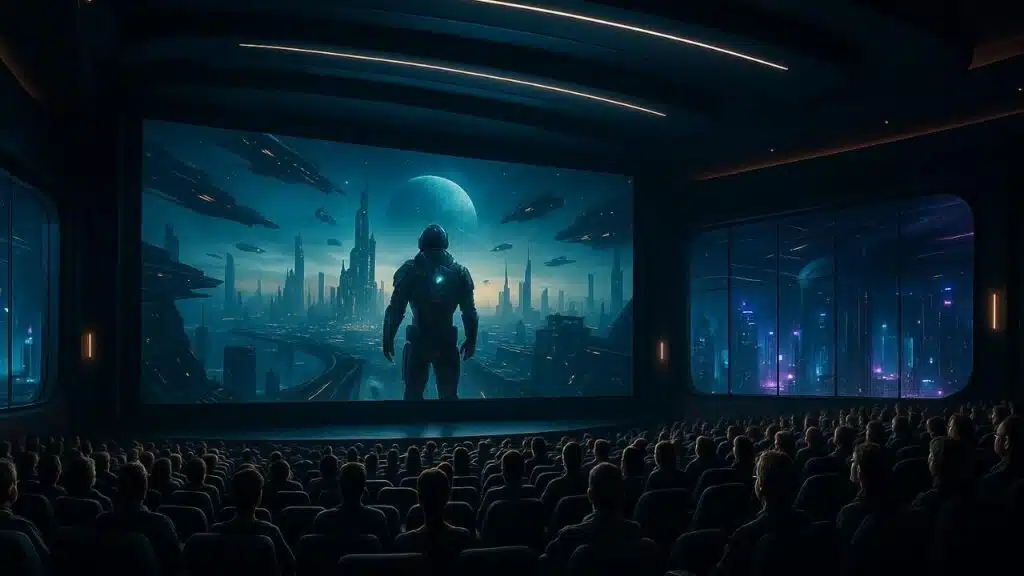
Movie theaters will continue to exist, but they must evolve to stay relevant. They offer a social, immersive experience that streaming cannot fully replace. To survive, theaters are improving their facilities, adding premium features, and hosting more diverse events.
Premium Cinema Experiences for Modern Audiences
Modern theaters now offer high-quality screens, advanced sound, luxury seating, and special effects. These upgrades provide a unique experience that cannot be matched at home. VIP lounges, gourmet foods, and comfortable recliners make theater visits feel more like premium outings.
These innovations attract audiences who want something more than just a movie. Theaters also invest in local engagement, offering themed nights, special screenings, and interactive shows.
Popular Premium Features in Theaters
| Feature | Description | Viewer Benefit |
| Recliner seats | Spacious seating with full leg support | Higher comfort |
| Large-format screens | IMAX, Dolby, giant panoramic views | Greater visual impact |
| Enhanced sound | Surround and 3D audio | Improved immersion |
| Special effects | Moving seats, vibrations, scents | Strong emotional connection |
Eventization: Turning Movies Into Major Experiences
Event-style movie releases are becoming more common. Studios organize global premieres, fan screenings, and special preview nights. These events build excitement and create a community feel around movie launches. Fans enjoy being part of an exclusive moment.
The trend is especially strong for superhero films, fantasy sagas, and major sequels. These movies often come with merchandise, themed experiences, and interactive content that deepen fan engagement.
Event Cinema Elements
| Event Type | Example Activity | Audience Impact |
| Global premieres | Worldwide synchronized launches | Shared excitement |
| Fan preview nights | Early access screenings | Strong fan loyalty |
| Interactive events | Q&A sessions, cast appearances | Deeper engagement |
| Tie-in promotions | Merch, collectibles | Enhanced fan experience |
Theaters as Multi-Purpose Entertainment Centers
To survive competition from streaming, theaters are expanding their offerings. They now host live concerts, gaming events, sports finals, and community programs. Some theaters also collaborate with streaming platforms for limited big-screen runs of hit shows and movies.
This multi-use approach keeps theaters busy even when big releases are not available. It attracts a wider audience and creates extra revenue streams.
New Uses for Theaters
| Activity Type | Example | Benefit to Theater |
| Live events | Concerts, esports | Attracts younger crowds |
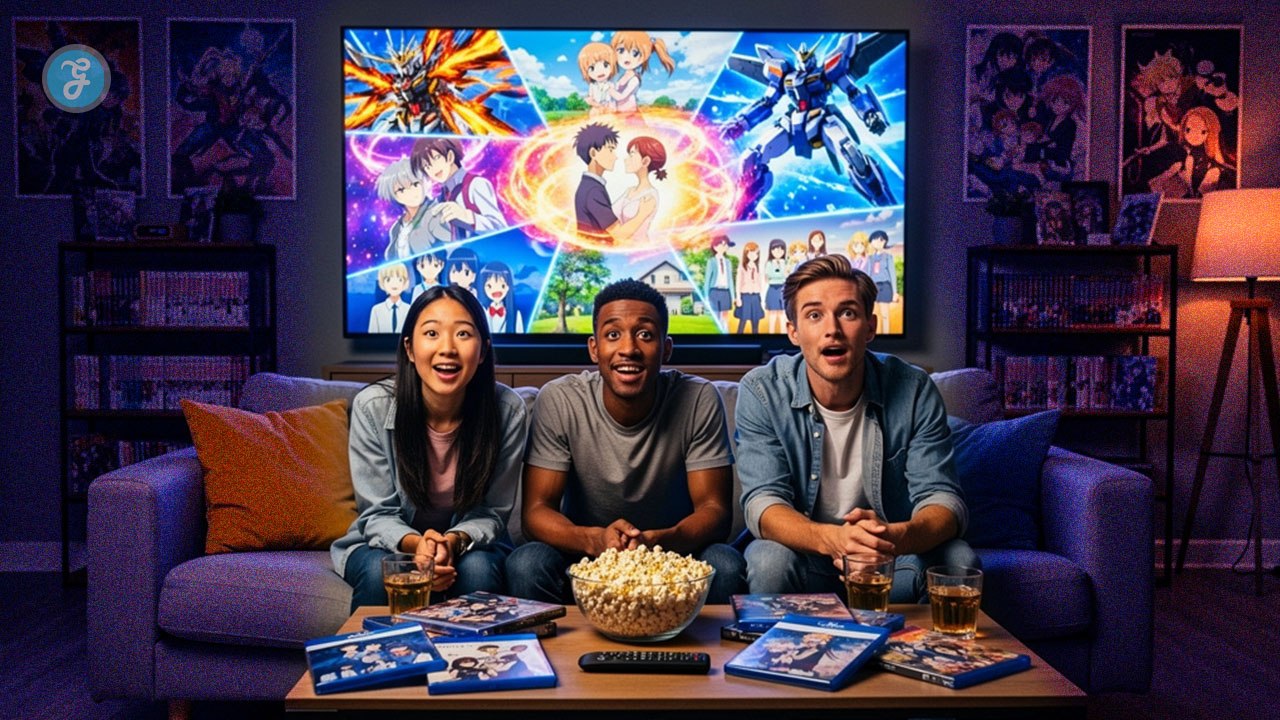
| Special screenings | Classic films, anime nights | Community building |
| Streaming partnerships | Limited theatrical releases | Draws fans of streaming content |
| Local programs | Festivals, school events | Stronger local support |
Changing Audience Expectations in the Coming Decade
Audience expectations are shaping the future of movies. Younger generations prefer flexible formats and interactive storytelling. They want more diversity in films and enjoy stories from different cultures. These changes push the film industry to evolve faster.
Gen Z and Gen Alpha: New Viewing Habits
Younger viewers watch videos on many platforms, from streaming apps to short-form content like TikTok. They enjoy fast-paced storytelling and prefer engaging visuals. Movie studios adapt by creating more dynamic, visually rich films and shorter, punchier scenes.
This generation also loves cross-platform entertainment. They enjoy movies linked to video games, social media, and digital communities. This blended media environment shapes the future of cinema.
Viewing Habits of Younger Audiences
| Habit | Example | Impact on Movies |
| Short-form content | TikTok, YouTube Shorts | Faster pacing in films |
| Multi-screen use | Watching while using phones | Need for stronger visual hooks |
| Cross-platform | Games, apps, social communities | Expanded movie universes |
| Social engagement | Online discussions and theories | Higher fan-driven marketing |
Representation and Global Storytelling
Audiences worldwide want movies that reflect real life and diverse cultures. Representation is now a key expectation. Films with inclusive casting and authentic narratives perform better with global audiences.
International films are also gaining more popularity. Movies from Korea, India, Japan, and other regions attract global audiences thanks to streaming platforms. Hollywood also collaborates more with foreign studios to appeal to different markets.
Trends in Representation
| Trend | Explanation | Viewer Benefit |
| Inclusive casting | More diverse actors and characters | Wider audience connection |
| Authentic storytelling | Respect for cultural details | More meaningful narratives |
| Global collaborations | Shared productions across countries | Richer and varied content |
| Non-English hits | Foreign films reaching global audiences | Broader access to new stories |
Fandom Culture and Community-Driven Movies
Fans today have strong voices. They discuss movies online, create theories, and influence movie decisions. Studios listen to fan reactions on social media to decide on sequels, casting choices, or new story directions.
Fandom culture creates long-lasting interest in movie franchises. Fans share content, organize events, and support their favorite characters. This community involvement is shaping the future of storytelling.
How Fandom Influences Movies
| Influence Area | Example Activity | Impact on Movies |
| Casting | Fan approval or backlash | Studio decisions may change |
| Story direction | Fans demand more of certain characters | Extended storylines created |
| Marketing | Fan-made memes and videos | Free promotion |
| Franchise growth | Strong fan communities | Longer franchise lifespan |
Economic Shifts Shaping the Future of Movies

The movie industry faces major economic changes. Costs are rising, but new opportunities are emerging. Streaming revenue, global markets, and independent filmmaking are reshaping the financial landscape.
Budget Inflation and the Blockbuster Model
Big movies now cost more to make due to advanced effects, global marketing, and extended production times. Blockbusters often require huge investments, making them risky but potentially profitable.
Studios rely heavily on worldwide audiences to recover costs. They create sequels and franchises because they offer more predictable returns. However, this reduces space for original stories.
Economic Challenges in Big Films
| Challenge | Explanation | Result for Studios |
| High budgets | Costly sets, CGI, long production cycles | Greater financial risk |
| Marketing spend | Global campaigns | Expensive promotional budgets |
| Franchise pressure | Need for sequels and spin-offs | Less experimentation |
| Competition | Many platforms and formats | Divided audience attention |
Independent Filmmaking and New Creative Freedom
Indie filmmakers benefit from cheaper technology and global distribution platforms. Cameras, editing software, and sound tools are now affordable. This lets creators produce high-quality movies with limited budgets.
Streaming platforms also support independent films by giving them global exposure. This helps audiences discover unique stories from smaller studios or individual creators.
Independent Filmmaker Advantages
| Advantage | Explanation | Impact on Creativity |
| Lower costs | Affordable equipment | More people can create films |
| Digital platforms | Easy distribution worldwide | Wider audience reach |
| Creative control | More freedom without studio pressure | Unique and bold storytelling |
| Niche markets | Targeted audience segments | Strong community support |
The Rise of Global Film Markets
Countries around the world are investing in film production. Asia, the Middle East, and Africa are developing strong film industries. Hollywood still leads, but global markets now influence storylines, casting, and production strategies.
This shift encourages cross-cultural filmmaking and international partnerships. Studios design movies with global appeal to maximize profits.
Growth of Global Cinema Markets
| Region | Strength | Influence on Future Movies |
| Asia-Pacific | Large and growing audience | More global releases |
| Europe | Strong festival culture | Higher art-house visibility |
| Middle East | New studios and investments | Emerging production hubs |
| Africa | Expanding local storytelling | New voices in world cinema |
The Role of Emerging Technologies in Filmmaking
Emerging technologies will shape the next generation of films. They influence how stories are created, how scenes are built, and how audiences experience movies. These tools expand creative possibilities and open new entertainment formats.
VR and AR Films for Immersive Storytelling
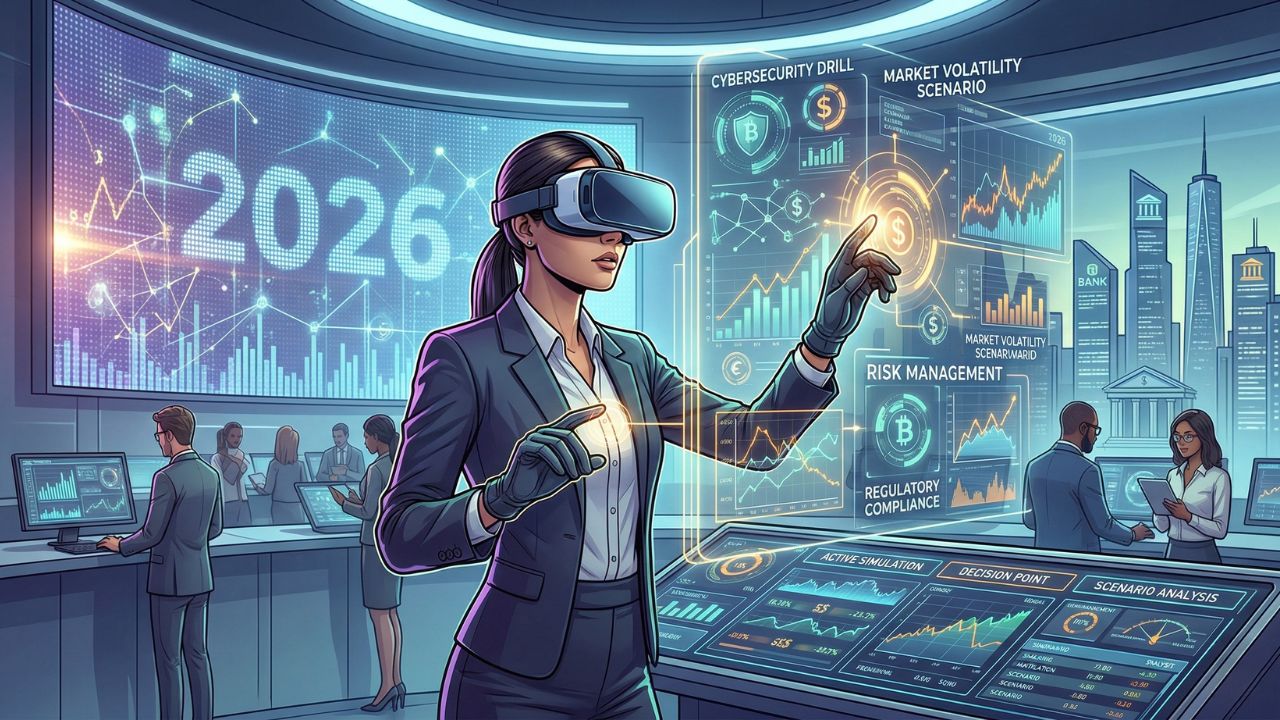
Virtual Reality (VR) and Augmented Reality (AR) create interactive experiences that traditional films cannot match. VR places viewers inside a story, allowing them to look around and engage with the environment. AR adds digital elements to real-world surroundings, creating mixed media experiences.
Studios are experimenting with VR short films, immersive bonus content, and interactive storytelling. As VR headsets become more popular, VR cinema will continue to expand.
VR and AR in the Future of Cinema
| Technology | Experience | Benefit to Viewers |
| VR | Fully immersive 360° worlds | Complete involvement in story |
| AR | Digital overlays on real world | Interactive storytelling |
| Mixed Reality | Blend of physical and digital environments | Hybrid entertainment |
| VR theaters | Group viewing with headsets | Shared virtual experience |
Blockchain, NFTs, and Digital Ownership Trends
Blockchain technology is influencing how movies are funded and owned. NFT movie passes, digital collectibles, and tokenized memberships allow fans to support films in new ways. Blockchain can also help track revenue and protect creative rights.
These tools are still new, but they offer interesting opportunities for financing and fan engagement. As the technology matures, more filmmakers may adopt blockchain-based systems.
Uses of Blockchain in Film Industry
| Use Case | Description | Benefit |
| Digital ownership | NFTs for movie merch or collectibles | Exclusive fan rewards |
| Smart contracts | Transparent payment tracking | Fair revenue distribution |
| Tokenized funding | Fans can support film development | New financing options |
| Digital security | Protects rights and creative assets | Reduced piracy |
Metaverse and the Future of Movie Experiences
The metaverse opens new ways to experience movies. Virtual worlds allow viewers to watch films together as avatars, explore story locations, and interact with digital objects. Movie-themed metaverse spaces can host virtual premieres, live Q&As, and fan events.
This blending of cinema and gaming creates deeper immersion. As virtual platforms grow, movie studios will develop content that lives both inside and outside the traditional screen.
Metaverse Uses in Cinema
| Feature | Example Activity | Viewer Benefit |
| Virtual theaters | Watch movies with others globally | Social engagement |
| Story worlds | Explore digital sets | Deeper connection to characters |
| Virtual events | Concerts, interviews, launches | Interactive entertainment |
| Digital avatars | Meet fans and creators | Enhanced community feel |
Ethical Challenges in the Age of Tech-Driven Movies
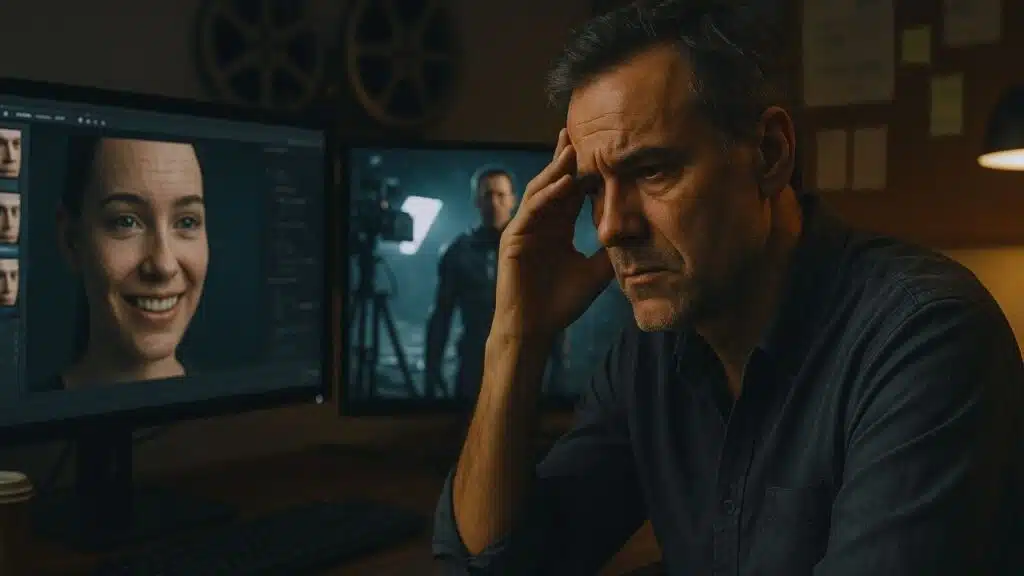
As technology shapes cinema, new ethical challenges appear. These issues affect actors, creators, and viewers. The industry must address these concerns to protect privacy, creativity, and fairness.
AI Copyright and Creative Ownership Concerns
AI tools raise questions about who owns the final product. If AI generates part of a script or visual sequence, creators must define ownership. Studios also need new contracts to clarify how AI contributions are credited.
Writers and artists worry about their work being used to train AI without permission. The industry is working on rules to ensure that AI supports creativity without replacing human talent.
Key AI Copyright Issues
| Issue | Explanation | Concern |
| Data training | AI uses existing works | Risk of unauthorized use |
| Authorship | Who owns AI-created content | Unclear legal rights |
| Attribution | Credit for AI involvement | Transparency needed |
| Worker protection | Impact on writer and artist jobs | Risk of reduced opportunities |
Deepfake Risks and Media Authenticity
Deepfake technology allows the creation of lifelike but fake videos. In movies, deepfakes help with effects like de-aging or replacing faces in stunts. However, the same technology can be misused for harmful purposes.
Entertainment companies work to detect deepfakes and add digital watermarks to authentic content. Actors also include clauses in contracts to protect their digital identities.
Deepfake Challenges
| Risk Category | Example | Industry Response |
| Identity misuse | Fake videos of public figures | Detection tools |
| Fraud | Fake voice calls or videos | Stronger verification |
| Consent issues | Using actor likeness without approval | Legal protections |
| Public trust | Hard to tell real from fake | Authenticity markers |
Data Privacy and Digital Behavior Tracking
Streaming platforms gather detailed viewer data to personalize content. While this improves recommendations, it raises privacy concerns. Users want to know how their data is used and protected.
Companies are adopting stricter data policies and giving viewers more control. Clear communication about data usage builds trust and ensures ethical practices.
Viewer Data and Privacy Concerns
| Data Type | Platform Use | Viewer Concern |
| Watch history | Personalized suggestions | Profile tracking |
| Demographic data | Targeted content | Sensitive information management |
| Device activity | Technical optimization | Possible device tracking |
| Behavior insights | New content development | Reduced privacy |
What the Future of Movies Means for Viewers
The future of cinema offers more choice, more convenience, and more immersive experiences. Viewers will enjoy content across many formats and platforms. These changes will shape how people interact with stories and entertainment.
More Choice and Convenience for Everyone
Viewers will have access to thousands of movies across platforms. They can watch in theaters, at home, or in virtual worlds. Personalized feeds make it easier to discover content that fits individual tastes. This abundance of choice increases satisfaction but can also overwhelm viewers.
Streaming companies will create tools to help manage content and simplify decision-making. This will make entertainment more manageable and enjoyable.
Viewer Benefits in the Future
| Benefit | Explanation | Result for Viewers |
| Greater access | Huge libraries across platforms | More stories to explore |
| Flexible viewing | Watch anytime, anywhere | Convenience and comfort |
| Personalization | Tailored recommendations | Better content discovery |
| Multiple formats | 2D, 3D, VR, AR | Choice of experience |
Blending Digital Worlds with Cinema
Movies will connect with games, social media, and other digital platforms. A story may begin in a film, continue in a game, and finish in a series. This cross-platform storytelling creates deeper worlds and long-term fan engagement.
These blended experiences allow fans to participate in the story. They can explore virtual sets, follow character journeys, or interact in the metaverse.
Cinema in Mixed Digital Environments
| Medium | Contribution to Story | Benefit to Fans |
| Movies | Main storyline | Core experience |
| Games | Interactive exploration | Deeper world involvement |
| Social media | Fan community and engagement | Active participation |
| Metaverse worlds | Virtual interactions and events | Immersive entertainment |
A Golden Age for Creators and New Voices
Digital tools make filmmaking accessible to more people. Creators can produce high-quality content with small budgets. Online platforms give them global audiences without traditional gatekeepers.
This leads to a greater variety of films and creative voices. Independent storytellers can thrive in niche genres. Fans enjoy discovering fresh stories and unique filmmaking styles.
Why This Is a Golden Age for Creators
| Advantage | Explanation | Industry Impact |
| Affordable tools | Cameras and software are cheaper | More filmmakers enter the industry |
| Global audiences | Online platforms reach worldwide viewers | Diverse storytelling |
| Creative freedom | Fewer studio restrictions | Bold and original films |
| Niche markets | Fans support specific genres | Increased variety |
A Dynamic and Exciting Future for Movies
The future of movies will blend technology, creativity, and global collaboration. Theaters will evolve, streaming will expand, and new digital tools will reshape the way stories are made. Audiences will enjoy more choices and more immersive experiences than ever before.
Artificial intelligence, virtual production, and the metaverse will transform filmmaking. Ethical challenges will arise, but the industry will work to protect creators and viewers. This era will bring new opportunities for filmmakers and new experiences for fans.
What remains constant is the human desire for stories. Technology may change how movies look and feel, but storytelling will always stay at the heart of cinema. The future of movies is bright, diverse, and full of possibility.
Final Thoughts
The future of movies is not about replacing old habits. It is about adding new ways to experience stories. The big screen will survive, streaming will grow, and immersive formats like VR and AR will find their own place. All of these will coexist and give you more choice than ever before.
At the center of this change, one thing stays the same: people still want powerful stories that make them feel, think, and connect. Technology, AI, and virtual worlds are simply tools that help storytellers reach you in new and exciting ways. As long as there are creators with something to say—and audiences ready to listen—the future of cinema will remain bright, diverse, and full of possibility.
FAQs
1. What will movies look like in the future?
Movies will increasingly incorporate AI, virtual production, interactive storytelling, and immersive formats like VR/AR.
2. Will movie theaters disappear?
Unlikely. They will evolve into premium entertainment hubs offering enhanced, immersive experiences.
3. How will streaming platforms change the film industry?
They will drive personalization, shorten theatrical windows, influence budgets, and reshape global content distribution.
4. Will AI replace actors and filmmakers?
AI may automate tasks and support creativity, but human emotion, direction, and storytelling remain essential.
5. What technologies will shape the future of cinema?
AI, VR/AR, blockchain, metaverse environments, and advanced CGI will play major roles.