
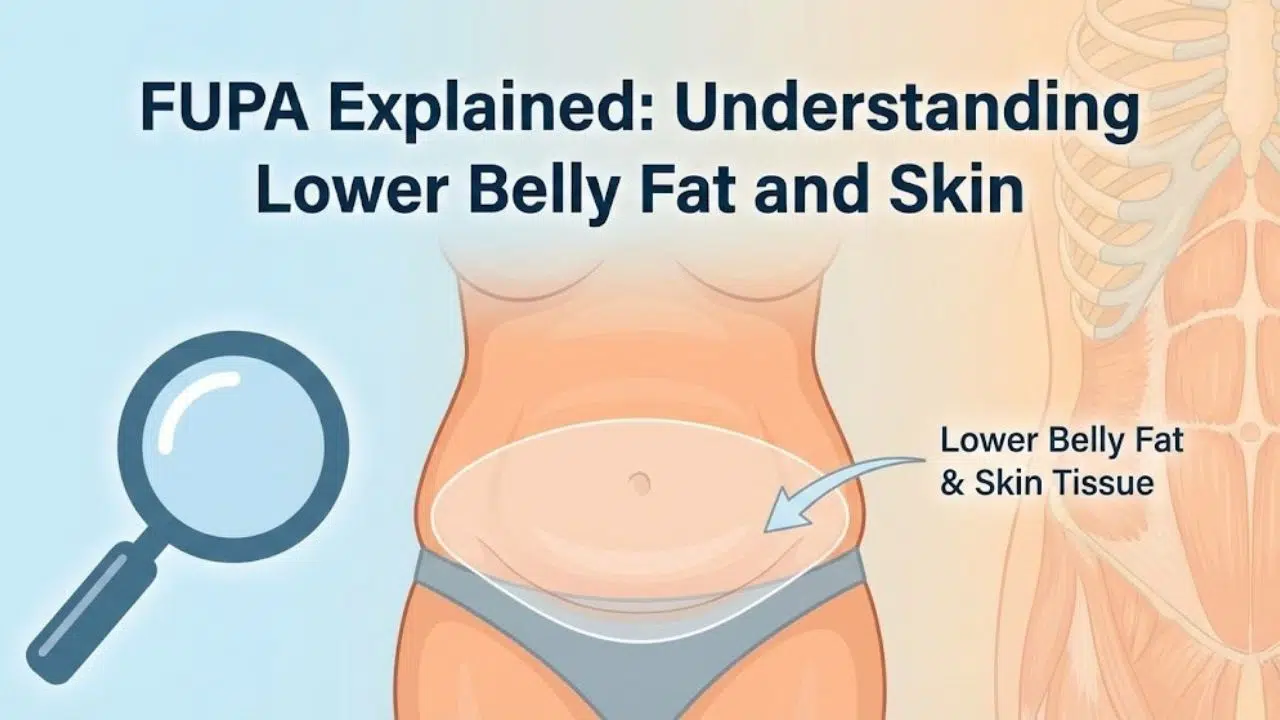
A belly bulge above the pubic bone – often called fupa – is how people commonly describe it, though doctors see it as stored fat under the skin plus loose tissue below the navel. What began as casual talk has turned into something many look up when checking on health or body shape.
Metabolically speaking, this region reacts strongly to hormones and has deep survival roots. Scans like DEXA and BIA reveal how fat below the abdomen acts unlike internal fat – changes take longer when cutting calories or doing cardio by itself.
Fupa Area Resists Biological Changes
Down low in the belly, fat sticks around longer due to strong reactions to estrogen, cortisol, and insulin. This spot gets less blood moving through it. Fat there also holds a smaller number of beta-adrenergic receptors – so breaking it down slows way down.
A belly pouch might stick around even if someone is lean. Hormones often decide where fat stays put. By 2026, studies on glands showed that slightly high estrogen levels link closely to stored fat below the waist. Stress that lasts a long time makes this pattern stronger.
Insider observation:
FUPA sticks around in fit women who show abs – sleep fixes and lower stress often resolve it, cutting more calories usually does not. Though training hard matters, rest patterns shift body composition just as much. When recovery improves, changes appear without diet tweaks. Hard effort alone rarely shifts stubborn areas. Fixing nightly rhythm sometimes works where food limits fail. Stress markers dropping can do what calorie math cannot.
Fupa Versus Belly Fat Different Types of Abdominal Fat
Most of the time, belly fat means visceral fat – the kind hugging your organs, quick to shrink when you lose weight. On the flip side, a fupa involves fat under the skin or slack connective tissue, things that don’t react quite the same way.
This difference is why some shed inches at the waist yet notice little shift below. By 2026, more are searching “fupa fat vs belly fat,” hinting at growing annoyance with one-size-fits-all tips.
Extra fat around lower belly area causes fupa
Pregnancy and Postpartum Body Changes
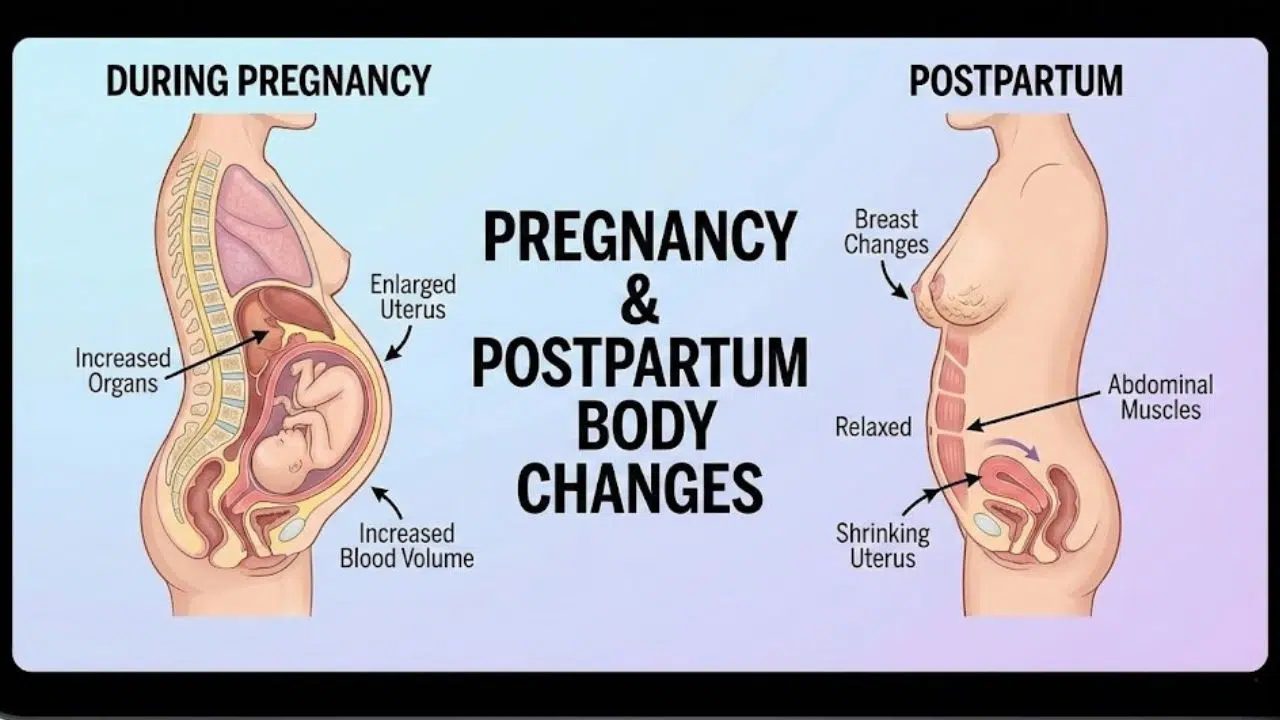
After having a baby, the connective tissue in the belly area often changes for good. Though someone might lose the extra pounds gained during pregnancy, the skin and structure below the waist rarely snap back completely.
Insider observation:
Fupa that shows up after childbirth usually isn’t mostly fat – loose connective tissue plays a bigger role, so hours on the treadmill won’t fix it.
Weight Cycling and Fast Fat Loss
Falling and rising in weight harms skin support fibers. That is why people at the same BMI might show very different belly shapes.
Genetics Influence Body Shape
Fat around the lower belly often runs in families. Research on twins, released toward the end of 2025, suggests more than fifty percent of where fat settles near the pelvis comes down to genes.
Getting Rid of a Fupa Without Surgery?
True – yet solely via reshaping the entire body, never by targeting one spot. The aim sits in shedding total fat even as muscle structure strengthens alongside tougher connective fibers.
Nutrition Beyond Calories
Every now and then, eating more than 1.6 grams of protein per kilogram helps hold on to muscle while keeping metabolism active. On days when blood sugar stays steady through food choices, fat gain slows down – especially where estrogen plays a big role.
By 2026, new findings show that syncing carb timing with strength workouts beats cutting carbs completely when aiming to reduce lower belly fat.
Fupa Area Exercises That Work
Fat cannot be shed from one spot by any workout, yet focused routines strengthen core stability, which lessens belly pooch appearance. Though specific moves do not erase localized fat, consistent effort builds muscle firmness underneath, helping flatten the midsection outline.
Starting with anti-extension work builds serious value fast. Posture gets better when the backside muscles gain strength, so changes show up early. Sometimes you stand taller before any weight shifts happen at all. Short bursts of gentle movement boost results without strain along the way.
Insider observation:
A shift in focus toward back-body muscles often brings visible shifts around the belly area, long before any number on the scale moves. What shows up in posture can appear well ahead of what shows up in measurements.
Placement of a visual explainer
- A diagram showing hormones vs fat storage zones
- A comparison chart of natural vs medical fupa reduction timelines
- A choice map sorting beauty issues from health problems
Medical And Non Invasive Choices By 2026
These days, reshaping your body without surgery works better than before. Cold-based treatments, along with heat-driven methods, quietly shrink stubborn fat pockets by roughly a fifth in clinical studies. Results show up gradually where it matters most – no scalpels needed.
Surgical options such as liposuction remain effective but should be framed as contouring procedures, not solutions for metabolic health.
How People Think and Act Together
Most people typing in “fupa” aren’t chasing weight change – they want peace with their body. Instead of guilt, ideas like gentle care or staying neutral about looks are catching on. Still, deep down, the push to measure up doesn’t fade easily.
Fat under the belly button isn’t labeled in medical books. Only matters if it shows up with trouble burning energy, discomfort, or stiff joints.
When a Fupa Could Mean a Health Problem
Belly fat showing up fast or unevenly could point to hormone issues, trouble with blood sugar control, or long-term internal irritation. What’s happening inside counts more than how things look on the outside – doctors need clues from how you feel, not just shape or size. The real story often hides behind daily signals, never just a mirror.
A bump below the belly button? Totally normal. Hormones play a role, sure. Genes matter too. So does getting older. Pregnancy changes things, clearly. It sticks around sometimes. That makes sense, actually. Learning how it forms helps. From there, shifting body makeup becomes clearer. Maybe work on connective tissue specifically. Other options exist quietly – like subtle shaping treatments. All just pieces of a bigger picture.
A fupa isn’t a sign of failing at health – real progress happens when eating right meets lifting weights, proper rest ties in, and hormonal balance gets attention. When you work with how your body actually works, aiming for what research supports, less stubborn belly pooch becomes possible without losing sight of lasting wellness or self-assurance.
Your lower belly isn’t who you are – what matters is what you know, how steady you stay, because proven steps shape results.
Frequently Asked Questions
Q. Can diet alone remove a fupa?
Fat loss happens across the body, never just one spot. Though eating less helps shrink fat overall, it skips commands like “trim only below.” The belly responds when the rest does – no special pass for bottom layers.
Q. Is a fupa mostly fat or loose skin?
Most times it’s a mix, though loose skin shows up more after having babies or shedding pounds.
Q. How long does improvement usually take?
Most people start seeing differences after about three months of steady effort. A few might need closer to half a year, depending on how things unfold day to day.
Q. Do fupa exercises really work?
Good posture comes easier with them, yet fat in specific areas stays unchanged. Still, they help alignment even if spot reduction isn’t happening.
Q. Is fupa removal permanent?
Lasting change holds just when daily habits, body chemistry, and energy balance stay steady.