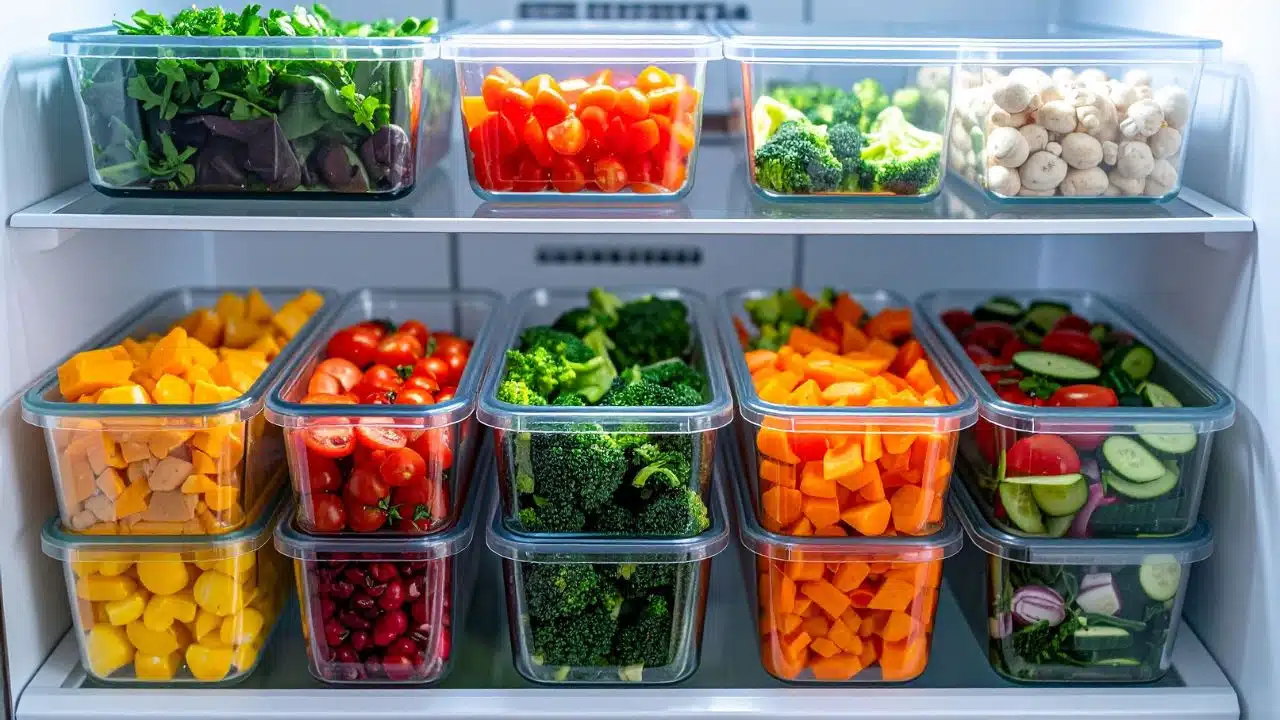
Your fridge is designed to slow bacterial growth and preserve freshness, but it isn’t a universal solution. Some foods actually lose nutrients, flavor, or texture when refrigerated.
In some cases, chilling even accelerates decay. Storing foods correctly can make the difference between crisp, flavorful meals and disappointing, spoiled ingredients. Below is a comprehensive, expanded guide to foods you should keep out of the fridge and the science behind it.
1. Potatoes
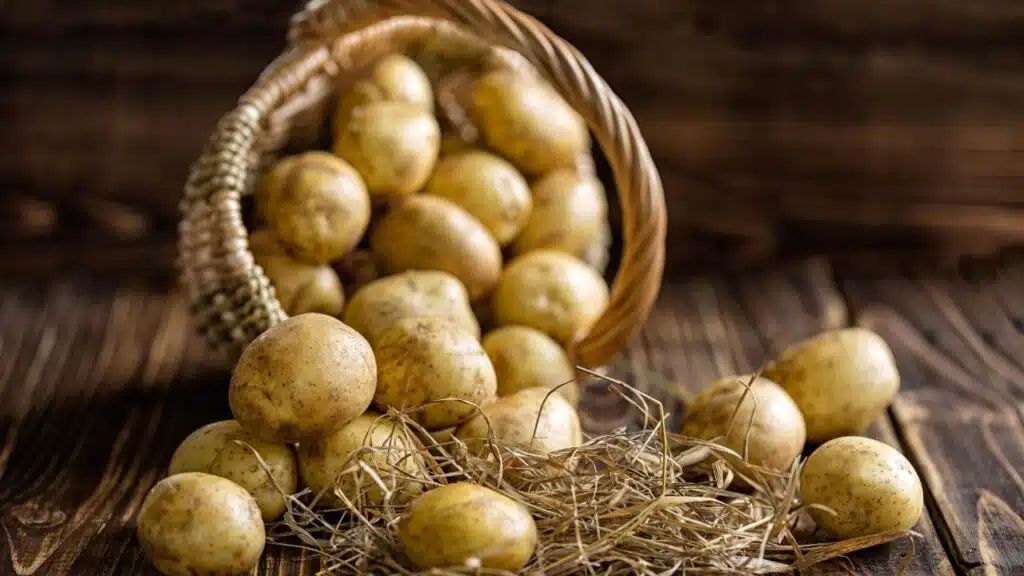
Potatoes are a global staple, found in everything from French fries to comforting mashed dinners. Because they’re so versatile, most households buy them in bulk, meaning storage is crucial. Many people assume the fridge is safest, but potatoes behave differently in cold air than most vegetables. In fact, improper storage can shorten their shelf life, alter their taste, and even affect cooking results. This is especially important for those who enjoy baking or frying, where texture makes a big difference. Farmers and chefs have long warned against chilling spuds for these reasons. Even nutritionists emphasize that starch changes in cold potatoes may not be ideal for health. Understanding how they react to temperature can help you make the most of this essential crop.
How to store instead:
- Keep them in a paper or mesh bag (never plastic).
- Place in a cool, dry, dark area such as a pantry or cupboard.
- Separate them from onions, which release gases that trigger premature sprouting.
2. Bananas
Bananas are one of the world’s most popular fruits, loved for their sweetness and convenience. They’re also a key source of potassium and quick energy, making them a favorite snack. But their delicate nature means they don’t handle cold storage well. Supermarkets often display bananas prominently in baskets or racks, never in refrigerators, for good reason. Many families make the mistake of chilling them too early, only to find them blackened the next day. Understanding how bananas ripen is vital if you want to enjoy them at their best. They are climacteric fruits, meaning they continue to ripen after harvest. The enzymes responsible for this process are disrupted by cold. By respecting their natural cycle, you can keep your bananas fresher, tastier, and healthier for longer.
How to store instead:
- Leave them at room temperature to ripen naturally.
- To slow ripening slightly, hang them on a banana hook or separate individual bananas.
- Only refrigerate once they’re fully ripe and you want to extend their life for a day or two.
3. Whole Melons
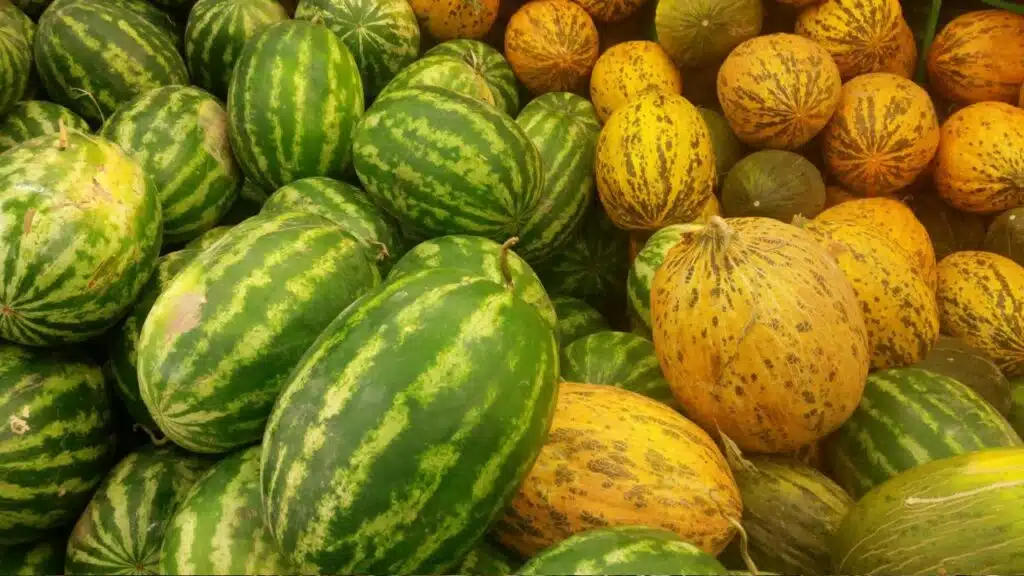
Whole melons, from juicy watermelons to fragrant cantaloupes, are summer favorites across cultures. They’re often served chilled at parties, but interestingly, experts don’t recommend refrigeration before cutting. Uncut melons have thick rinds that naturally protect their sweet interior. When stored incorrectly, though, they can lose nutrients and spoil faster. Many people don’t realize that antioxidant levels are actually higher when kept at room temperature. Refrigerating them too early can damage the flesh and make them less enjoyable. Buying melons in bulk also means you need good storage practices to avoid waste. Chefs and nutritionists alike suggest ripening them fully before thinking of chilling. This approach keeps both flavor and nutrition at peak levels.
How to store instead:
- Keep whole melons in a cool, dry spot.
- Once cut, cover tightly in plastic wrap or an airtight container and refrigerate.
4. Basil
Basil is more than just an herb; it’s a cultural icon in kitchens worldwide. From Italian pasta sauces to Thai curries, its aroma and flavor elevate simple meals into something special. Many people buy basil fresh and assume the fridge is the best place to keep it, but that’s a mistake. Unlike heartier herbs such as rosemary or thyme, basil is delicate and reacts badly to cold. Storing it incorrectly can mean throwing away half a bunch within days. Chefs often treat basil like fresh flowers, keeping it in water on the counter. Doing this preserves not only its green color but also its essential oils, which are responsible for its signature scent. If you want your basil to last, proper storage is just as important as the cooking method you use it in.
How to store instead:
- Trim the stems and place in a glass of water (like cut flowers).
- Loosely cover the top with a plastic bag.
- Keep on a counter, away from direct sunlight.
5. Onions
Onions are essential in almost every cuisine, providing a savory base for countless dishes. Whether raw, sautéed, or caramelized, they are kitchen workhorses. Yet, many households make the mistake of tossing onions into the fridge. At first glance, this seems logical—after all, refrigeration works for most vegetables. But onions thrive in drier, warmer conditions. Cold, damp air in the fridge promotes mold and sliminess. Farmers have long stored onions in cellars, proving centuries-old wisdom about air circulation and temperature. Another overlooked factor is how onions interact with other produce, particularly potatoes. Keeping these two staples together is a common error that shortens their life span. Learning how to separate and store onions properly saves money and prevents waste.
How to store instead:
- Keep in a mesh bag, basket, or paper bag in a dry, cool area.
- Never store near potatoes—they release moisture and gases that spoil each other.
6. Coffee (Beans & Grounds)
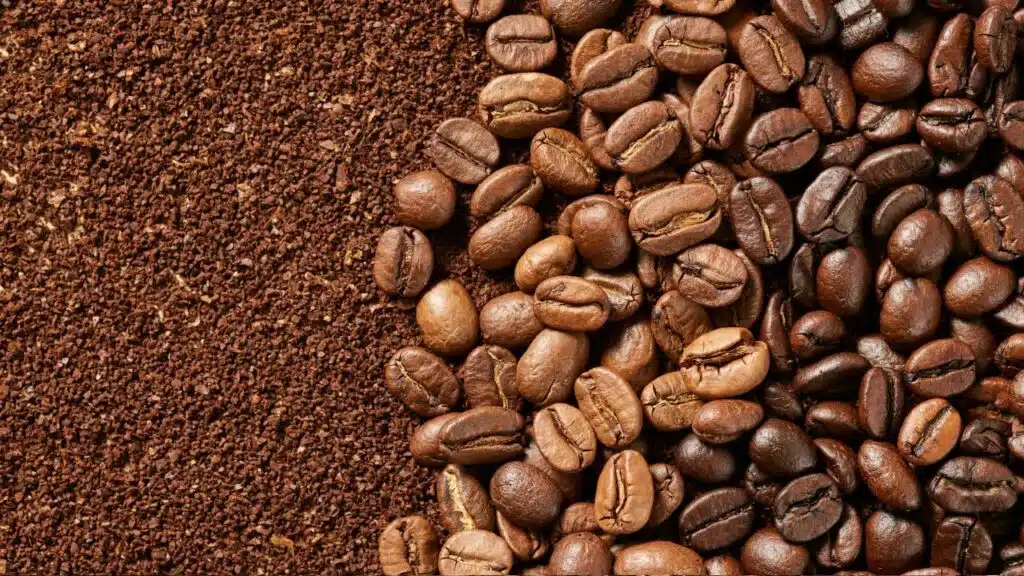
Coffee is not just a drink—it’s a daily ritual for millions. The flavor and aroma of freshly brewed coffee come from delicate compounds that need protection. Many people, hoping to keep beans fresh, put them in the fridge. Unfortunately, this backfires. Coffee is porous and easily absorbs odors, meaning it can start tasting like last night’s leftovers. Cold, damp air also accelerates staleness. Baristas and coffee roasters strongly discourage refrigeration, recommending airtight storage instead. Freshness is one of the biggest factors in a great cup of coffee, second only to quality beans. Grinding just before brewing also helps lock in aroma. Understanding coffee storage makes every cup richer and more satisfying.
How to store instead:
- Use an airtight, opaque container.
- Keep in a dark, dry cupboard, away from heat.
- Grind beans just before brewing for maximum freshness.
7. Garlic
Garlic is prized for its pungent flavor and health benefits, often used to boost both taste and immunity. Its bulbs have a papery skin that protects the cloves inside. People often toss garlic into the fridge thinking it will last longer, but this is misleading. Cold air triggers sprouting, which changes its taste and texture. Worse, moisture encourages mold that can spread unseen inside the cloves. Historically, garlic was stored in open-air baskets or clay jars, never in refrigeration. Cooks around the world know that sprouted garlic tastes bitter and loses its punch. Learning the right way to store it keeps this kitchen essential ready whenever you need it. Garlic is proof that natural, dry storage beats modern convenience in some cases.
How to store instead:
- Store whole bulbs in a ventilated basket or mesh bag.
- Keep in a cool, dry area (not airtight).
- Once peeled or chopped, refrigerate in a sealed container for short use only.
8. Hot Sauces & Vinegar-Based Condiments
Hot sauce is more than a condiment; for many, it’s a passion. Fans often collect bottles of Tabasco, Sriracha, or homemade blends. Because sauces come in bottles, people assume refrigeration is required after opening. Yet, hot sauces are usually vinegar-based, which naturally preserves them. Chilling can actually mute their bold flavors. That’s why restaurants keep hot sauces on the table without concern. Vinegar and salt act as natural barriers to bacteria. Refrigeration may extend shelf life slightly, but it sacrifices intensity. For people who love spice, bold flavor is everything. Keeping sauces at room temperature is both safe and better for taste.
How to store instead:
- Store sealed bottles in the pantry.
- After opening, most remain safe at room temperature—just check the label.
9. Bread
Bread is one of humanity’s oldest foods, baked in countless varieties across cultures. Its soft crumb and crispy crust are what make it so comforting. But when stored incorrectly, bread loses these qualities quickly. The fridge, despite good intentions, accelerates staling. Cold temperatures cause starch molecules to crystallize faster, making bread dry and hard. This is why bakers and chefs recommend keeping it at room temperature. Traditional bread boxes weren’t just decorative—they kept loaves fresh naturally. For longer storage, freezing works far better than refrigerating. Understanding this can save households from wasting loaves that go stale too fast. Bread deserves better than the chill of a fridge..
How to store instead:
- Keep fresh bread in a breadbox or cloth bag.
- For long storage, slice and freeze.
10. Oils
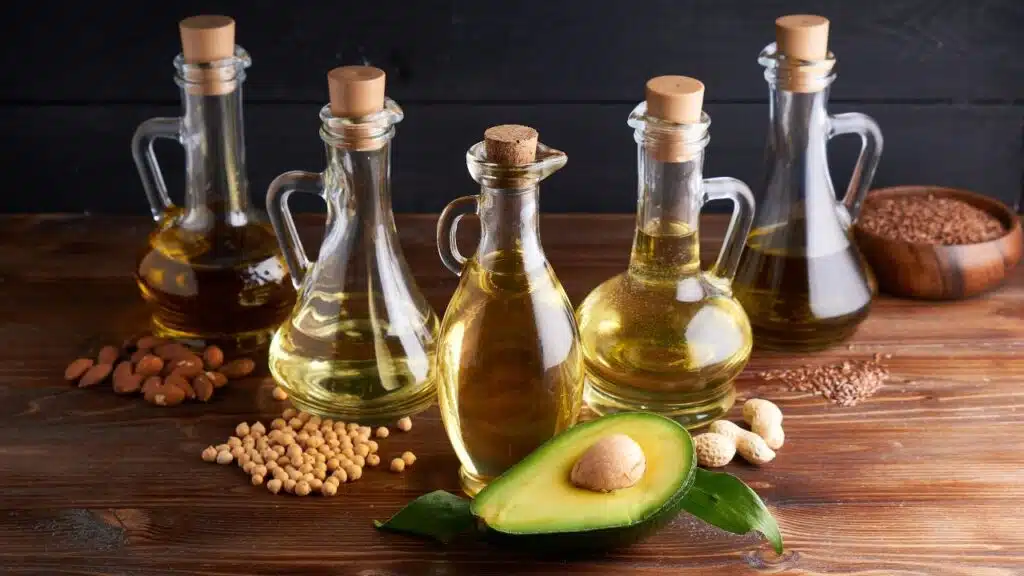
Cooking oils like olive, avocado, or sesame are staples in healthy diets. Many people, worried about spoilage, keep them in the fridge. But cold changes oil’s texture, making it cloudy and thick. While harmless, this makes pouring and cooking difficult. Exposure to light and heat, not room temperature, is the real enemy of oils. This is why high-quality oils often come in dark glass bottles. Refrigeration offers no real benefit for most oils, except a few delicate nut oils. For olive oil lovers, flavor preservation depends on pantry storage. Once people understand this, they stop wasting fridge space unnecessarily. Good oil deserves thoughtful handling to maintain its richness.
How to store instead:
- Keep oils tightly sealed in a cool, dark cupboard.
- Use tinted glass bottles to protect against light.
11. Honey
Honey has been called “liquid gold” for centuries. Ancient jars found in Egyptian tombs were still edible thousands of years later. Its natural antibacterial properties make it one of the longest-lasting foods on earth. Yet, many modern households put honey in the fridge. The result? Crystallization. Refrigeration causes honey to harden, making it difficult to scoop or spread. Honey is best left sealed in a cool, dry cupboard. If it does crystallize, gentle warming restores its liquid form. No other sweetener offers the longevity and resilience of honey. Storing it correctly lets you enjoy it at its smooth, golden best.
How to store instead:
- Store in a sealed jar at room temperature.
- If crystallized, gently warm the jar in hot water.
12. Tomatoes
Tomatoes are among the most debated foods when it comes to storage. Some people like them chilled, while chefs insist they belong on the counter. Science backs the chefs. Cold interrupts the natural ripening process, which develops their sugars and flavors. Refrigerated tomatoes often taste bland and have a grainy texture. Farmers and markets always keep tomatoes at room temperature for this reason. A ripe tomato is one of nature’s sweetest gifts, but only if treated right. Once cut, refrigeration is necessary, but whole tomatoes deserve warmth. For salads, chill briefly before serving, but don’t make cold storage the norm. Flavor always wins over convenience.
How to store instead:
- Keep tomatoes on the counter, stem side down.
- Once fully ripe, refrigerate briefly only if necessary.
13. Tropical Fruits (Mango, Pineapple, Papaya, etc.)
Tropical fruits are adapted to hot, humid environments. From mangoes to pineapples, they ripen best at room temperature. Putting them in the fridge too early halts ripening, leaving them bland. Their natural sugars and juicy texture come from warm conditions. In many countries, these fruits are sold and eaten straight from outdoor markets without chilling. Once ripe, refrigeration may help extend life by a day or two, but it also changes texture. Pineapple flesh becomes watery, while mangoes turn mushy. Storing tropical fruits properly preserves their exotic flavor. If you want maximum sweetness, let them ripen naturally. These fruits remind us that sometimes, warmth is part of the recipe.
How to store instead:
- Leave on the counter until ripe.
- Refrigerate only once cut.
14. Chocolate

Chocolate is a delicacy with a delicate structure. Its smoothness comes from carefully controlled temperature during production. Cold storage disrupts this, leading to sugar bloom—a white coating that forms on the surface. Many people assume the fridge keeps chocolate fresh, but it actually damages quality. That’s why supermarkets never refrigerate chocolate bars. Moisture in the fridge can also cause it to absorb odors, ruining its taste. Proper storage means a cool, dry place away from sunlight. Even white chocolate, despite being less “real,” reacts badly to cold. Chocolate deserves to be savored at its best, not dulled by fridge air. Treat it right, and every bite remains indulgent.
How to store instead:
- Store in a cool, dry, dark cupboard.
- Wrap tightly to protect from odors.
15. Citrus Fruits
Citrus fruits—like oranges, lemons, and limes—are sunshine in edible form. They grow in warm regions and ripen best in similar conditions. Refrigerating them too soon makes them hard and dry. Citrus skin protects the juicy inside, but only if left at room temperature. Cold storage can dull their natural sweetness. Farmers’ markets usually display citrus in crates, not coolers, for a reason. At home, a fruit bowl is the best storage option. Refrigeration is only useful if you want them chilled right before eating. For zest, juice, and flavor, warmth is the citrus fruit’s friend.
How to store instead:
- Keep in a fruit bowl at room temperature.
- Refrigerate only if you want them chilled before eating.
16. Cucumbers & Carrots
Cucumbers and carrots seem like they’d belong in the fridge, but looks can be deceiving. Both are sensitive to cold injury, which ruins their texture. Cucumbers turn watery, while carrots lose crispness and become rubbery. Many people notice cucumbers shrivel faster in the fridge. Storing them at room temperature extends their life. Carrots, too, retain moisture better outside the fridge. Farmers often keep them in sand or sawdust to prolong freshness. These vegetables may feel refreshing when chilled, but refrigeration should only be temporary. Storing them properly saves flavor and reduces waste.
How to store instead:
- Store in a cool pantry, wrapped loosely in paper towels.
17. Cheese (Certain Types)
Cheese is one of the most varied foods in the world. Some types, like Brie, need refrigeration, but others don’t. Hard, aged cheeses such as Parmesan or Gouda are stable at room temperature before cutting. These cheeses lose texture and flavor in the fridge’s moist air. Traditional cheese rooms in Europe keep wheels unrefrigerated for months. Once cut, proper wrapping becomes more important than temperature. The fridge is not a one-size-fits-all solution for dairy. Understanding which cheese belongs where can improve your tasting experience. Storing quality cheese properly makes all the difference.
How to store instead:
- Keep wrapped in wax or parchment paper in a cool cupboard.
18. Eggs (Depends on Country)
Egg storage is one of the most debated food topics. In the U.S., eggs are washed, removing their natural protective coating, so refrigeration is required. But in Europe, Asia, and many other regions, eggs remain unwashed and safe at room temperature. Cold storage here is unnecessary and may even cause condensation, which fosters bacteria. This explains why supermarkets abroad sell eggs on shelves, not in fridges. Cultural practices around egg storage differ widely. Knowing your country’s regulations helps you decide correctly. Eggs show that food safety is not always universal—it depends on handling before sale.
19. Spices
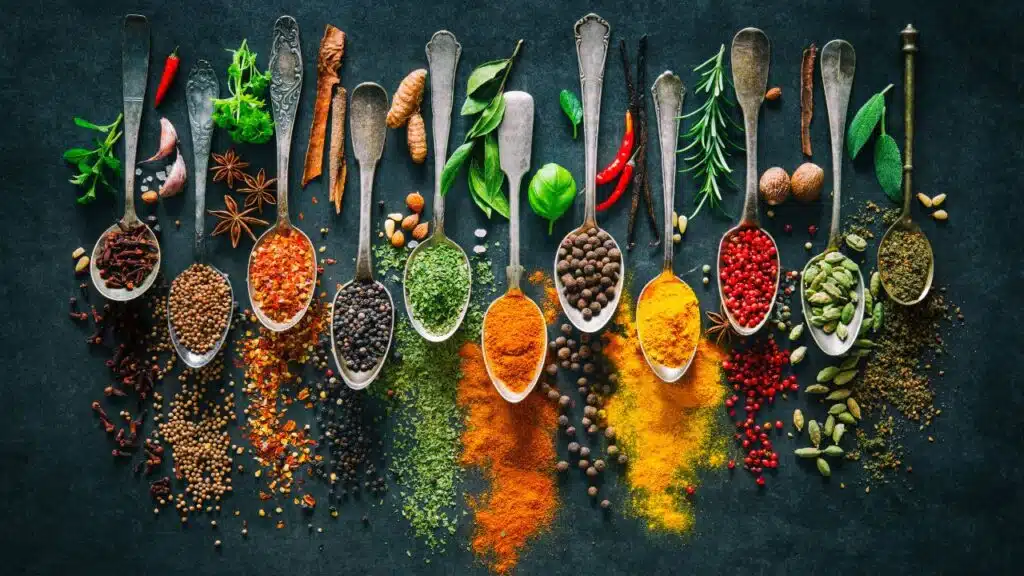
Spices are small but mighty when it comes to flavor. From cinnamon to cumin, they add depth to cooking. Most spices last for years when stored correctly. Refrigeration, however, is not one of those correct methods. Cold, damp conditions make spices clump and lose aroma quickly. Instead, airtight jars in a cupboard preserve their potency. This is why spice racks are designed for the kitchen wall or counter, not the fridge. Even centuries ago, spices were prized and stored carefully without refrigeration. Modern mistakes shorten their life and weaken flavor. Treating spices properly keeps your meals bold and vibrant.
How to store instead:
- Store in airtight jars in a cool, dark cupboard.
20. Cereal & Dry Goods
Cereal is a quick breakfast favorite for children and adults alike. But its crunch is its greatest charm. The fridge robs cereal of this quality by introducing unwanted moisture. Instead of staying crisp, flakes or puffs go limp. Packaging is designed for room temperature, not cold. Once opened, simply sealing the bag properly is enough. Refrigerating cereal doesn’t extend its shelf life—it shortens it. Keeping it dry is the real key. Understanding this saves you from soggy mornings and wasted boxes. Let cereal stay where it belongs: on the pantry shelf.
How to store instead:
- Keep in sealed containers in a cupboard.
Practical Takeaway: The No-Fridge List
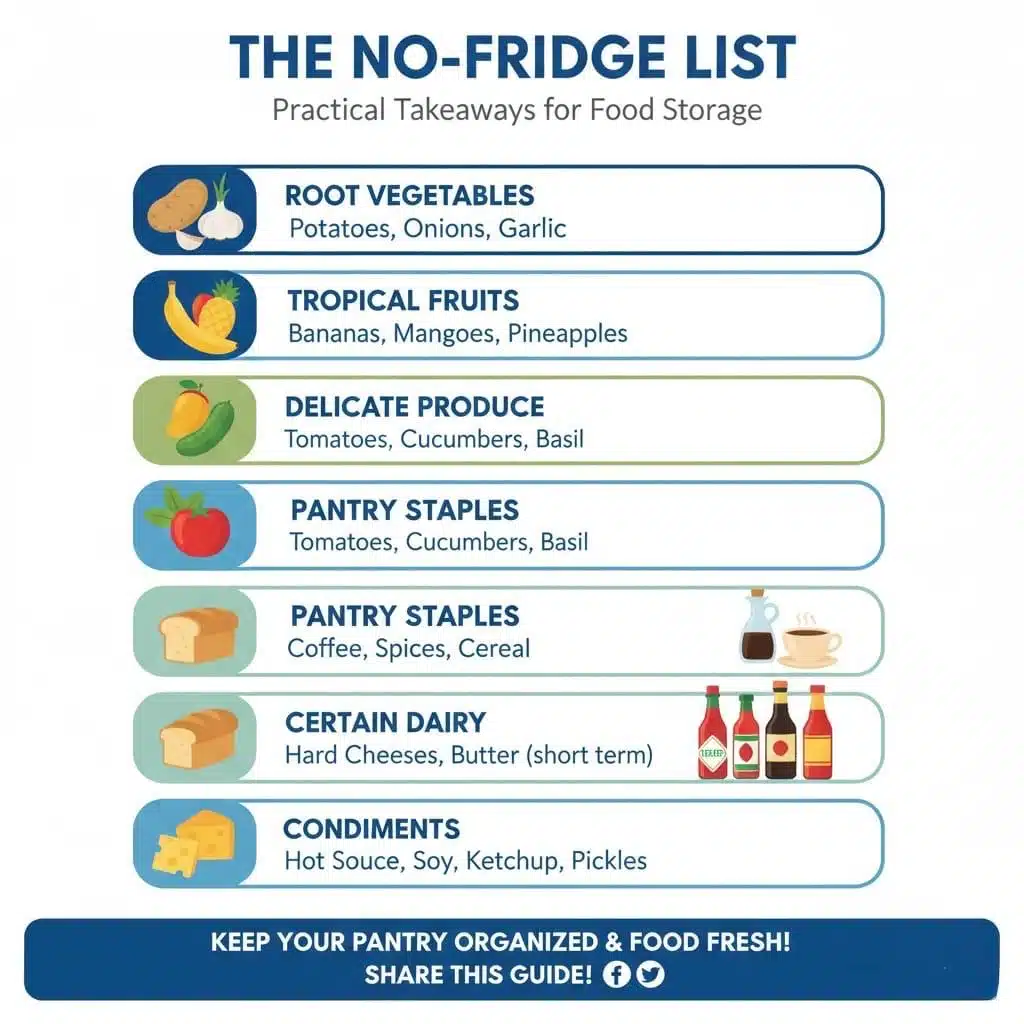
- Root Vegetables: Potatoes, onions, garlic
- Tropical Fruits: Bananas, mangoes, pineapples
- Delicate Produce: Tomatoes, cucumbers, basil
- Pantry Staples: Bread, oils, honey, coffee, spices, cereal
- Certain Dairy: Hard cheeses, butter (short term)
- Condiments: Hot sauce, soy sauce, ketchup, pickles
Takeaways
Not all foods thrive in the fridge. Some lose taste, texture, or nutritional value, while others spoil faster. Understanding how and why certain foods react badly to cold helps you reduce waste, save money, and enjoy better flavor.