Israel’s unprecedented recognition of Somaliland as an independent state on December 26, 2025, has ignited a fierce international backlash, with the European Union swiftly reaffirming its support for Somalia’s territorial integrity. This bold move by Prime Minister Benjamin Netanyahu, the first by any nation since Somaliland’s 1991 declaration of independence, risks destabilizing the fragile Horn of Africa region amid escalating geopolitical tensions. Somalia’s government has vowed to pursue all diplomatic and legal measures to defend its sovereignty, while global powers weigh in on a dispute that could reshape alliances and security dynamics near the vital Red Sea corridor.
Israel’s Historic Recognition
On December 26, 2025, Israel became the first country to formally recognize Somaliland as a sovereign nation, marking a dramatic shift in its foreign policy toward Africa. Prime Minister Benjamin Netanyahu announced the decision in a joint declaration with Somaliland President Abdirahman Mohamed Abdullahi, commonly known as “Irro,” pledging immediate cooperation in agriculture, health, technology, and economic development. Netanyahu congratulated Abdullahi on his leadership and extended an invitation for him to visit Israel, framing the accord as an extension of the Abraham Accords that normalized ties with several Arab and Muslim-majority states during Donald Trump’s first presidency.
Somaliland’s leadership hailed the recognition as a “historic moment,” with President Abdullahi expressing Somaliland’s intent to align with the Abraham Accords to promote regional peace, mutual prosperity, and stability across the Middle East and Africa. The self-declared republic, which has operated autonomously for over three decades, views this as a breakthrough toward international legitimacy and access to global markets. Netanyahu also indicated he would advocate for Somaliland during his upcoming meeting with U.S. President Donald Trump, signaling potential broader support.
This step aligns with Israel’s strategic calculus in the Red Sea region, where proximity to the Bab al-Mandeb Strait offers opportunities for monitoring shipping lanes, countering threats like Yemen’s Houthi rebels, and securing access to minerals and operational bases. Analysts note that Israel seeks allies amid Iranian influence and Houthi disruptions, positioning Somaliland—stable relative to Somalia—as an ideal partner for security, economic, and diplomatic gains.
EU’s Swift Reaffirmation of Somalia’s Unity
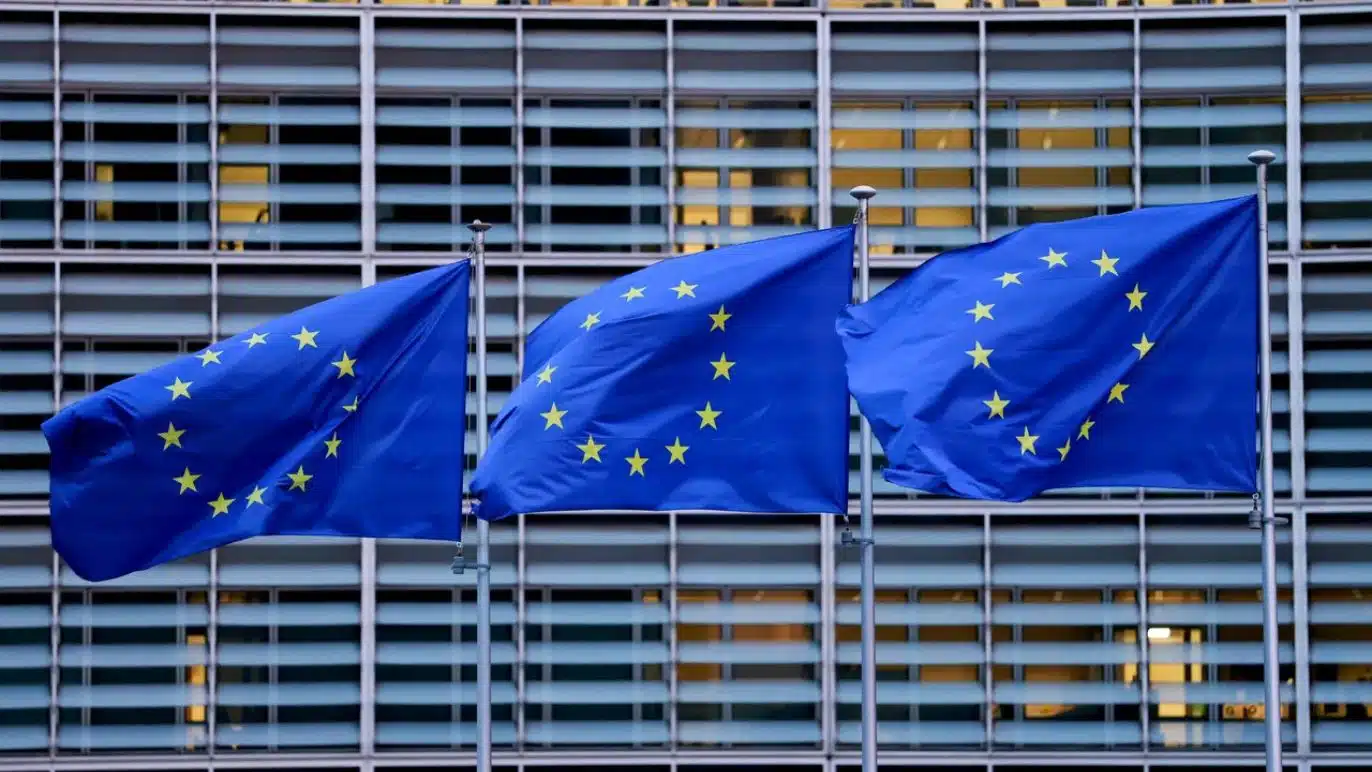
The European Union responded decisively on December 27, 2025, with a statement from foreign affairs spokesperson Anouar El Anouni emphasizing the bloc’s commitment to Somalia’s unity, sovereignty, and territorial integrity under its constitution, the African Union Charter, and UN principles. “This is key for the peace and stability of the entire Horn of Africa region,” El Anouni declared, urging “meaningful dialogue” between Somaliland and Somalia’s federal government to resolve longstanding differences.
EU officials made clear they do not recognize Somaliland as independent and view Somalia as a single sovereign entity, a stance echoed across Brussels’ diplomatic circles. This position underscores Europe’s longstanding policy of upholding post-colonial borders to prevent separatist precedents that could unravel fragile states across Africa. By backing Mogadishu, the EU aims to maintain stability in a region critical for migration flows, counter-terrorism efforts against al-Shabaab, and trade routes carrying 12% of global commerce through the Red Sea.
The EU’s call for restraint reflects broader concerns over escalation, including potential disruptions to humanitarian aid corridors and refugee movements already strained by Yemen’s crisis and Somali instability.
Somalia’s Fierce Denunciation
Somalia’s federal government in Mogadishu erupted in outrage, labeling Israel’s action a “blatant violation” of its sovereignty and an “illegal aggression” aimed at legitimizing secession. President Hassan Sheikh Mohamud accused Israel of breaching international law, insisting Somaliland remains an “inseparable part” of Somalia. Prime Minister’s office statements vowed “all necessary diplomatic, political, and legal actions” to protect internationally recognized borders.
Foreign Minister Ali Omar, in an Al Jazeera interview, demanded Israel retract the recognition, calling it “state aggression” and meddling in internal affairs. Mohamud later escalated rhetoric, terming it a “naked invasion” and warning of threats to global security if unchallenged. Somalia plans to rally support through the UN, African Union, and Arab League, viewing the move as a direct assault on its post-1960 union with former British Somaliland.
This response taps into Somalia’s ongoing struggles with federalism, where clan rivalries and al-Shabaab insurgencies already test governance, making external endorsements of breakaways particularly incendiary.
Waves of International Condemnation
The backlash extended far beyond Somalia and the EU, with over 20 Arab, Islamic, and African nations issuing a joint statement via the Organization of Islamic Cooperation rejecting Israel’s move as having “serious repercussions” for regional security. Egypt, Turkey, Djibouti, and Gulf Cooperation Council members condemned it outright, warning of Horn of Africa destabilization and Red Sea threats.
The African Union Commission Chairperson Mahmoud Ali Youssouf firmly rejected any recognition efforts, reaffirming Somaliland’s integral status within Somalia per AU principles on inherited borders. “Any attempt to undermine Somalia’s unity risks a dangerous precedent for continental peace,” Youssouf stated, pledging full support for Mogadishu’s institutions.
The U.S. reiterated recognition of Somalia’s territorial integrity, including Somaliland, while IGAD echoed calls for unchanged borders. Houthi leaders threatened any Israeli presence in Somaliland as a target, amplifying fears of proxy escalations.
| Key Condemning Entities | Stance Summary | Date of Statement [web:id] |
|---|---|---|
| European Union | Reaffirm Somalia’s integrity; urge dialogue | Dec 27, 2025 |
| African Union | Rejects recognition; supports Somalia’s unity | Dec 26, 2025 |
| Egypt, Turkey, Djibouti | Total rejection; threaten regional stability | Dec 26, 2025 |
| OIC (20+ nations) | Warns of security repercussions | Dec 27, 2025 |
| United States | Recognizes Somalia’s full territory | Dec 27, 2025 |
Somaliland’s Long Quest for Recognition
Somaliland declared independence on May 18, 1991, reviving its brief 1960 sovereignty as former British Somaliland after collapsing the union with Somalia amid civil war atrocities by Siad Barre’s regime. The Somali National Movement (SNM) led the Burao Grand Conference, where clan elders restored the republic, establishing relative peace, multi-party elections, and stability contrasting Somalia’s chaos.
Home to about 6 million people, Somaliland boasts a GDP of roughly $7-7.6 billion (2024 est.), driven by livestock exports (50% of GDP), remittances, and ports like Berbera, now partly UAE-operated. Despite democratic milestones—like Irro’s 2024 victory—it lacks UN recognition, barring World Bank/IMF loans and full trade access. Hargeisa pushes foreign policy independently, securing deals with Ethiopia, Taiwan, and now Israel.
Challenges persist: disputed eastern regions with Puntland, youth unemployment, and economic fragility, yet its hybrid clan-governance model has sustained peace, drawing interest from powers eyeing its 850km Gulf of Aden coastline.
Strategic Calculations Behind Israel’s Move
Israel’s recognition stems from multifaceted interests. Geopolitically, Somaliland’s position enables surveillance of Houthi threats and Iranian proxies via Bab al-Mandeb, a chokepoint for 30% of container shipping. Reports suggest Israel eyes bases for operations, minerals like rare earths, and alliances countering anti-Israel sentiment.
Economically, collaborations in agrotech, health, and ports align with Israel’s expertise, while diplomatically, it burnishes ties with Muslim democrats, echoing Abraham Accords. UAE facilitation—via Berbera investments—bolsters this, potentially paving U.S. or others’ involvement under Trump.
Risks include alienating Arab states and fueling anti-Israel protests, but Netanyahu’s calculus prioritizes forward positioning in a volatile Red Sea theater amid Yemen’s war spillover.
Broader Geopolitical Ripples in the Horn
The Horn of Africa simmers with rivalries: Ethiopia’s Somaliland port deal irks Mogadishu, Turkey trains Somali forces, UAE/China eye Berbera, and Russia/Iran exploit fractures. Red Sea attacks by Houthis have spiked shipping costs 400%, underscoring stakes.
Israel’s gambit could embolden other separatists (e.g., Ethiopia’s Tigray) or prompt proxy escalations, complicating AU-led anti-al-Shabaab efforts. EU backing Somalia reinforces multilateralism, but unilateralism tests post-colonial norms.
For emerging markets like those in Latin America, Africa, and Asia—key foci for global content creators—this saga highlights how tech-savvy diplomacy intersects with resource races, potentially reshaping trade from Singapore to Nigeria.
Implications for Regional Stability and Global Trade
Immediate fallout includes Somalia’s diplomatic offensives and possible sanctions pushes, straining Israel-Africa ties. Somaliland gains legitimacy boosts for FDI, but isolation risks if no cascade recognitions follow.
Long-term, dialogue per EU/AU appeals remains elusive amid mistrust; failure could spike piracy, migration, and terror. For the Red Sea—vital for EU energy imports—stability hinges on de-escalation.
This episode underscores shifting power dynamics: Israel’s assertiveness under Netanyahu, Africa’s border sanctity, and multipolar meddling. As President Trump observes from Washington, the Horn’s flashpoint could redefine alliances into 2026