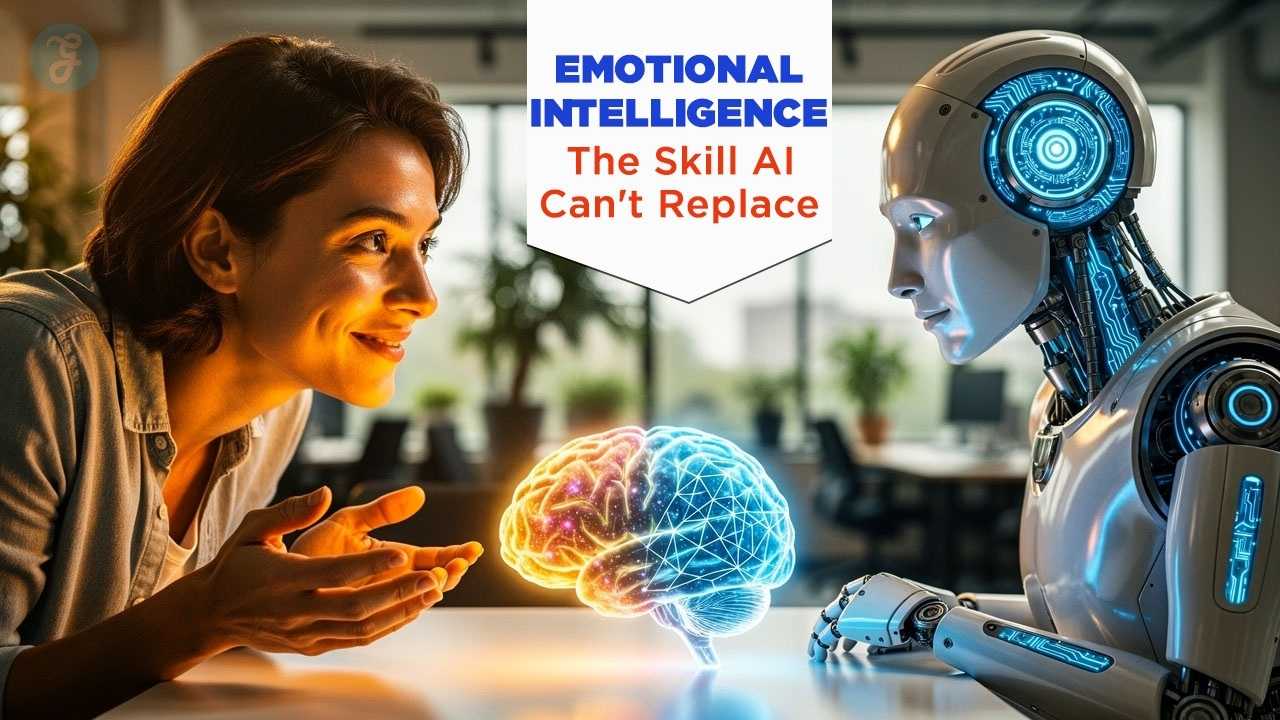
Have you ever felt like people at work just don’t “get” you? Maybe a friend shut down during a tough talk. Or your boss seemed more like a robot than a person, leaving you feeling lost or unheard. You aren’t the only one facing these daily hurdles. It feels lonely when no one understands how we feel. Emotional Intelligence is the skill that sets humans apart from machines and computers. Studies show that jobs needing strong emotional skills are less likely to be replaced by AI or robots.
I’m going to walk you through why Emotional Intelligence skill matters and how it can give you an edge in life, friendships, teamwork, and leadership roles. Let’s look at what robots can’t do, but you can excel at.
What is Emotional Intelligence (EQ)?
Emotional intelligence, or EQ, helps people understand their own feelings and the emotions of others. EQ includes noticing how you feel, knowing what those feelings mean, and managing them well.
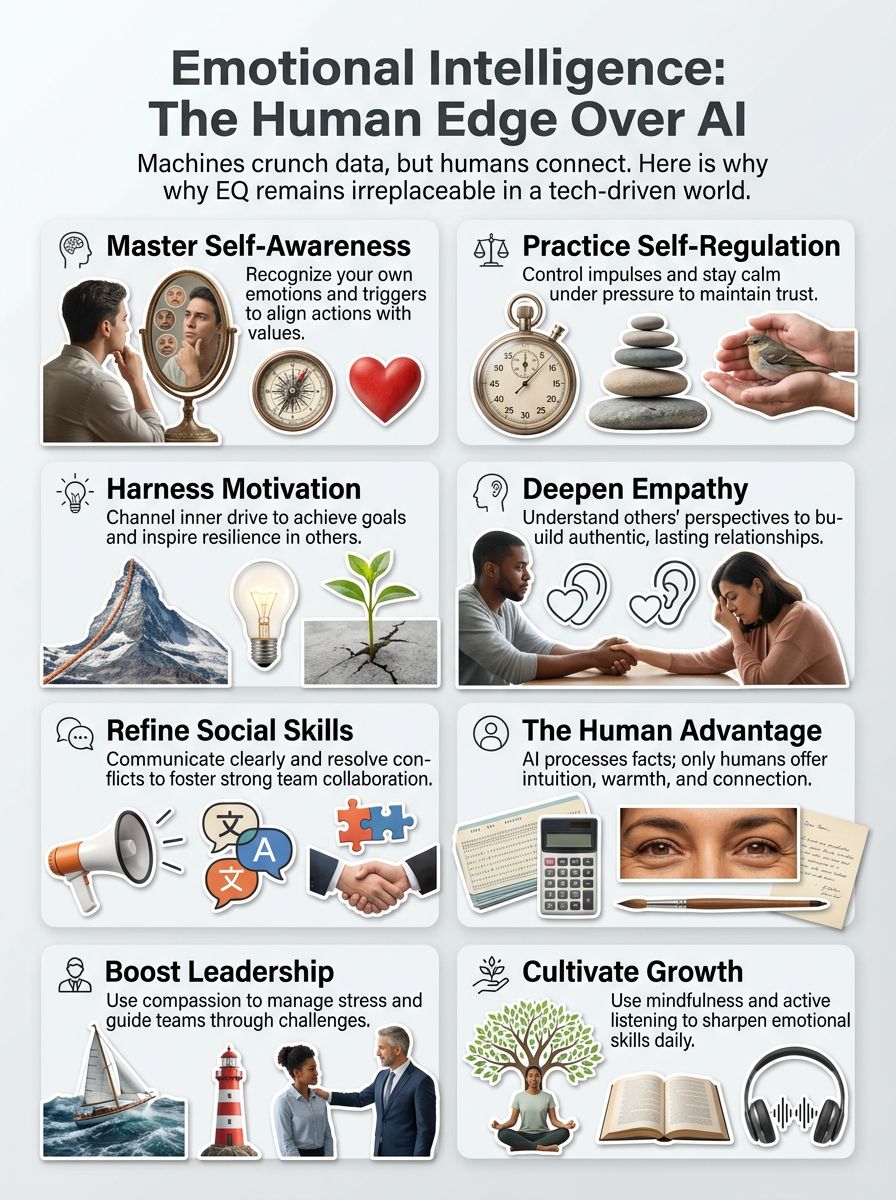
It centers on empathy, self-control, trust, compassion, and good communication. Some people call it street smarts for the heart because it guides how we build relationships at home or work.
A person with high emotional skills can read a room like a book. They know when someone feels left out just by seeing their face or hearing their tone. While AI can process data in milliseconds, it cannot match a human’s intuition or ability to comfort a friend during tough times.
Expert Insight: According to the World Economic Forum’s Future of Jobs Report 2025, emotional intelligence remains one of the top 10 skills required for workers to thrive in the age of AI. While technical skills get you hired, EQ is often what gets you promoted.
Leaders with strong EQ inspire teams to do better through connection and support rather than orders alone. Trust grows naturally where empathy leads the way.
The Key Components of Emotional Intelligence
Think of emotional intelligence as a toolbox filled with skills for life and work. Each tool shapes how we connect, lead, and respond to others every single day.
Self-Awareness
Self-awareness means you notice your own feelings and actions. You pay attention to what makes you happy, sad, or frustrated. This helps you act in ways that match your values and goals.
Most people overestimate this skill. Organizational psychologist Tasha Eurich found in her research that while 95% of people believe they are self-aware, only 10% to 15% actually are. This gap creates a huge opportunity for those who are willing to do the work.
Good leaders use self-awareness to build trust and honest communication. Imagine a team leader like Maya Angelou once said, “If you don’t like something, change it. If you can’t change it, change your attitude.” You listen to how others see you, then use this information for better decisions at work or home.
Self-Regulation
After spotting your feelings in self-awareness, the next step is learning how to manage them. Self-regulation means you control sudden reactions and avoid hurtful words or actions.
Psychologists call the loss of this control an “Amygdala Hijack,” where your brain’s emotional center takes over. A practical tip to stop this is the 6-second pause. Pausing for just six seconds allows your logical brain to catch up with your emotional brain.
Picture a leader keeping calm even as stress rises, guiding a team smoothly through tough times. Good self-control builds trust at work and home. People want to be around someone who can stay cool under pressure.
Children start building these emotional skills early in life, but adults need them just as much. Take deep breaths during heated moments; pause before replying if tempers flare. Machines might process data fast, but they cannot stop themselves from snapping or showing patience as people do.
Motivation
Motivation helps people keep moving, even when life gets hard. It is the spark that pushes us to get out of bed and go to work, study for tests, or care for others.
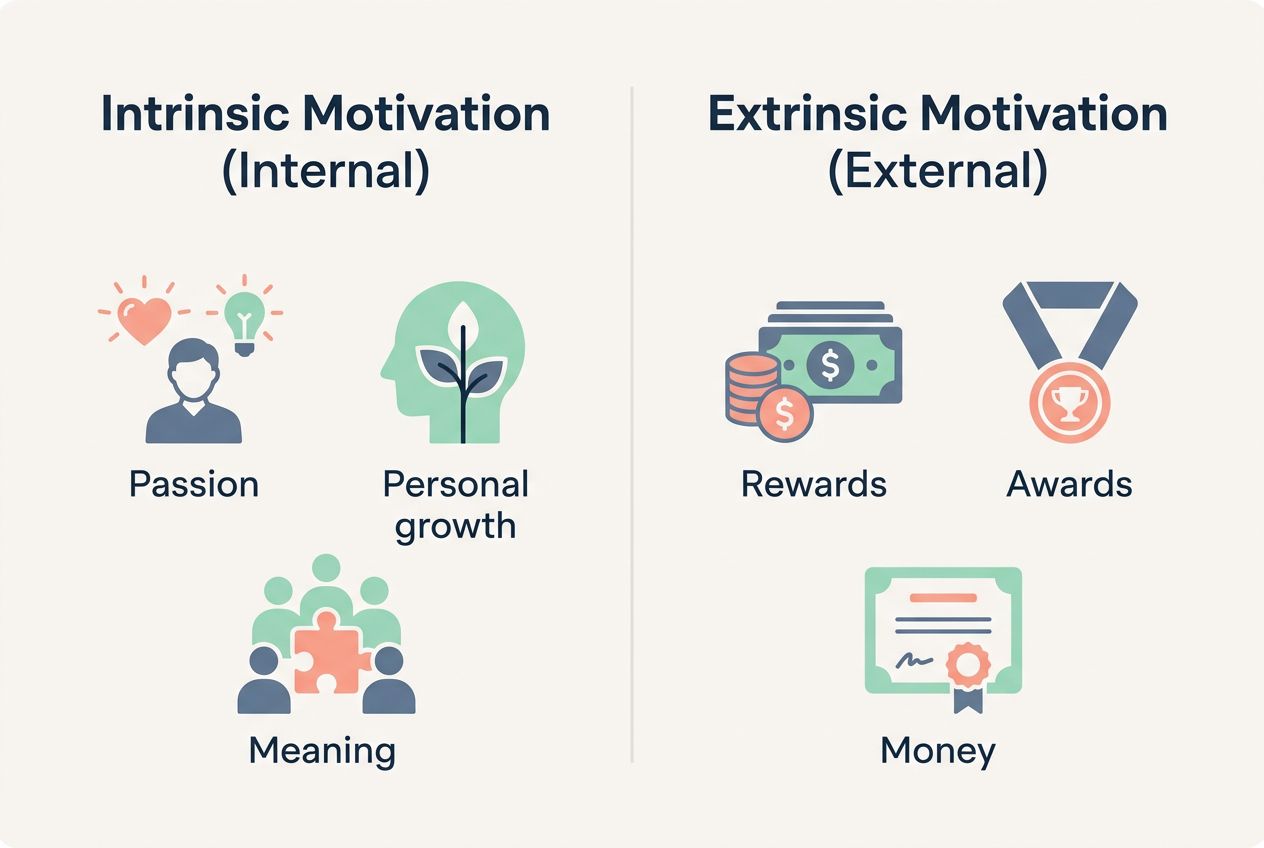
A strong sense of motivation leads to better decision-making, sharp focus, and lasting drive. To understand this better, it helps to look at the two main types of motivation:
| Intrinsic Motivation (Internal) | Extrinsic Motivation (External) |
|---|---|
| Doing something because it feels meaningful or satisfying. | Doing something to earn a reward or avoid punishment. |
| Examples: Passion projects, volunteering, learning a new hobby. | Examples: Paychecks, bonuses, fear of being fired. |
Machines can follow orders, but do not feel purpose or passion like real people. Great leaders use emotional intelligence to inspire teams by tapping into that internal drive. They show why a goal matters; they cheer for small wins and lift spirits during tough times.
Empathy
Empathy means seeing life from another person’s shoes. It involves noticing feelings, reading faces, and understanding pain or joy without words. A good friend may spot when you are sad, even if you pretend otherwise.
In offices, leaders with high empathy build trust and help teams work well together. AI can read text and mimic polite replies, but it lacks affective empathy, the ability to actually feel what another person is feeling. AI can detect anger in an email, but it cannot care that you are angry.
People connect through eye contact, quiet hugs, or small acts of kindness in tough times. This skill helps strengthen relationships at home and work because it creates honest connections that technology cannot fake.
Social Skills
Strong empathy feeds into social skills like sunshine helps a garden grow. Good social skills let people build trust and friendship, even on busy teams or in new places. Smiling, making eye contact, and using kind words matter more than you think.
People with strong interpersonal communication skills work better with others, solve problems peacefully, and lift each other up. Here are three social habits of high-EQ individuals:
- Active Listening: They listen to understand, not just to reply.
- Conflict Resolution: They look for “win-win” solutions rather than trying to dominate an argument.
- Non-Verbal Cues: They pay attention to body language, which often says more than words.
You can spot someone who has great relationship management almost anywhere, at school, at work meetings, or just chatting with friends. They listen actively instead of waiting to talk next. These folks communicate clearly and notice what makes others happy or upset.
Why Emotional Intelligence is Crucial in the Modern World
People connect best when they understand feelings, both their own and others’. Machines can crunch numbers, but only humans can read a room or calm a storm with just a smile.
Building Stronger Relationships
Empathy builds trust in any friendship or partnership. Listening with care and showing real interest can turn a normal chat into something special. Jokes, stories, even a simple “How are you?” let people know they matter.
The Gottman Institute, famous for relationship research, found that stable relationships maintain a 5:1 ratio of positive to negative interactions. For every one negative moment, there needs to be five positive ones to keep the bond strong. Emotional intelligence is what allows you to maintain that balance.
Emotional intelligence helps spot feelings others might try to hide. A friend who notices you’re sad before you say a word feels like gold. Sharing emotions creates true human connections that no machine or app can match.
Enhancing Workplace Collaboration
People with strong emotional intelligence boost teamwork. They listen, show compassion, and help everyone feel seen. Someone who can read feelings smooths over tension, keeping the work mood positive even on rough days.
Ever notice how a simple smile or kind word from a coworker changes the whole room? That’s a real human connection in action. According to LinkedIn’s Global Talent Trends 2024, 69% of U.S. executives say they prioritize soft skills like collaboration over hard technical skills when hiring.
Workers who use emotional skills make hard talks easier and solve conflicts fast. Trust grows between team members, which sparks better ideas and smoother decision-making. No machine will ever share a laugh at lunch or offer support after a tough meeting like people do each day.
Improving Leadership Skills
Strong workplace collaboration often leads to better leadership. Leaders with high emotional intelligence guide teams using empathy and patience. They listen with care, react calmly under pressure, and inspire everyone around them.
Google proved this with their famous “Project Oxygen” study. After analyzing thousands of manager reviews, they found that technical skills ranked last among the top qualities of a good manager. The top spots went to soft skills like being a good coach and communicating well.
A manager who shows compassion can turn tough days into learning moments for the group. Open communication builds trust between a leader and staff. Someone who reads emotions well creates stronger human connections and supports fair decision-making every day.
Managing Stress Effectively
Stress sneaks up like a shadow, especially at work or in busy life moments. People with strong emotional intelligence spot these feelings early. They pause, breathe deeply, and use empathy to cool down hot emotions before they boil over.
A powerful technique used by high-performers, from CEOs to Navy SEALs, is Box Breathing:
- Inhale for 4 seconds.
- Hold your breath for 4 seconds.
- Exhale for 4 seconds.
- Hold your empty lungs for 4 seconds.
Simple choices make a big difference. Take short walks outside, listen to music that lifts your spirits, or laugh at small things during the day. Setting limits on phone use can calm your mind, too. Even five minutes of quiet time boosts resilience and self-awareness, a real edge that artificial intelligence cannot match in daily decision-making and human connection.
Emotional Intelligence vs. Artificial Intelligence
Machines can process data fast, but they cannot sense your feelings or read a room. People shine where empathy and human connection matter most, skills no robot has yet touched.
Why EQ is Irreplaceable by AI
AI can scan huge amounts of data and spot patterns fast, but it cannot feel emotions. It does not sense joy during a win or notice a teammate’s worry after bad news. People use empathy in tough talks; computers only work with programmed responses.
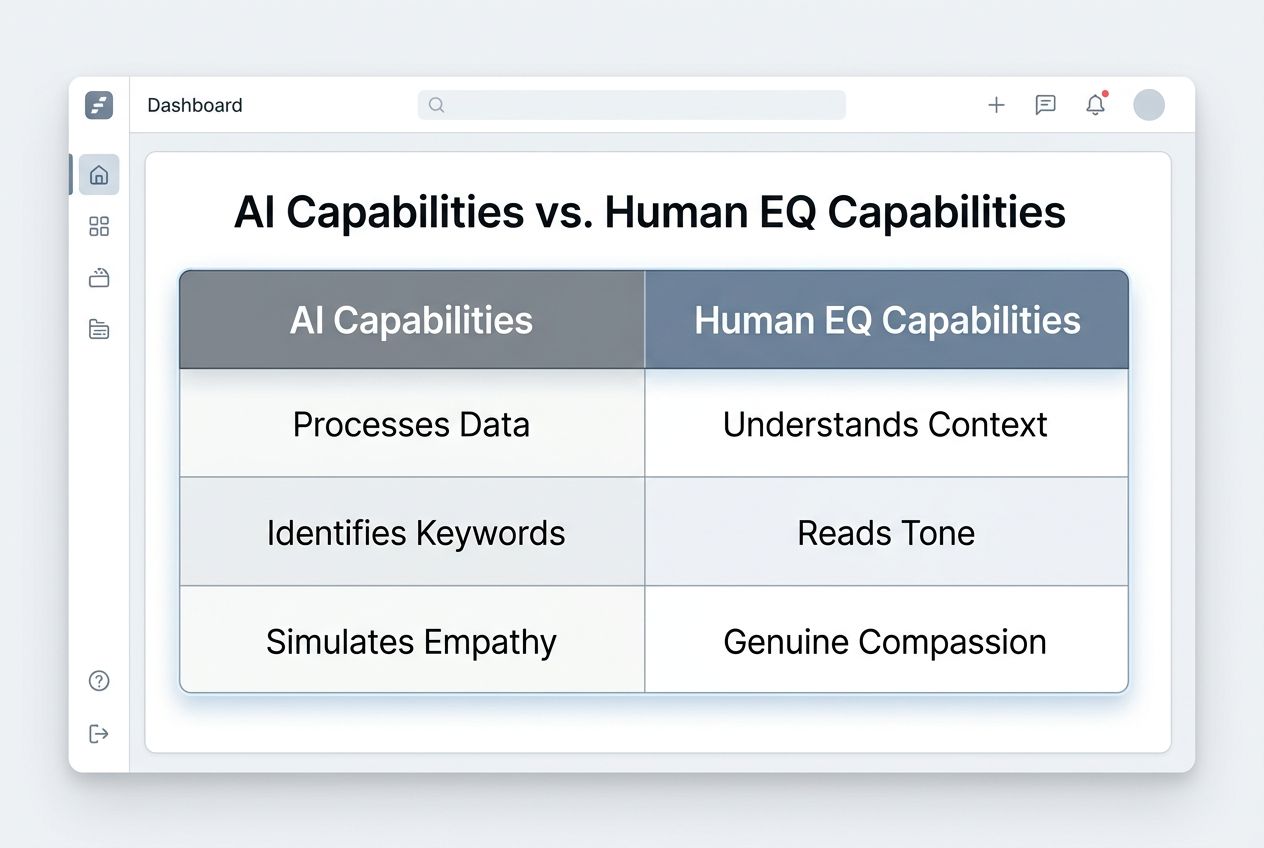
That missing emotional spark changes everything. Human connection helps build trust and makes coworkers feel heard, even on busy days full of stress. Here is a clear comparison of where humans still have the advantage:
| AI Capabilities | Human EQ Capabilities |
|---|---|
| Processes data and logic rapidly. | Understands context and nuance. |
| Identifies keywords in text. | Reads tone, body language, and silence. |
| Simulates empathy based on patterns. | Experiences genuine compassion and care. |
A machine might flag possible conflict in an email chain, yet only people sense the tone behind each word or know when to offer kindness over logic. Emotional Intelligence guides leaders through hard decisions because it includes compassion, resilience, humor, and insight, not just facts or stats from 2024 business reports.
The Role of Emotional Intelligence in a Tech-Driven World
Moving from why emotional intelligence skill is irreplaceable by AI, the need for human connection stands out in our tech-driven world. Machines handle data fast, but people bring empathy and intuition to every interaction.
An email might send information quickly, yet a caring voice soothes nerves during a tough day at work. Leaders use strong emotional skills to read the room, solve problems with heart, and build trust among teams.
Automation powers through tasks that are repetitive or complex. People handle moments filled with emotion, confusion, or conflict much better than any system ever could. A nurse calming an anxious patient illustrates this well; no chatbot can match her warmth or patience.
As technology grows smarter each year, empathy remains vital for good leadership and healthy collaboration at work. With digital tools everywhere now, those who build true relationships keep their competitive edge while machines do the heavy lifting behind the scenes.
Emotional Intelligence Skill in Workplace Dynamics
Offices can feel like wild jungles, with personalities clashing and alliances forming over coffee breaks. Stories of quick thinking and soft skills often shape how people work together each day.

Resolving Conflicts and Managing Teams
Conflicts pop up at work like dandelions in spring. Good leaders solve problems and bring their teams together with emotional intelligence.
- People with high emotional skills sense tension early, before it turns into a storm.
- Strong leaders use empathy to step into another person’s shoes, making team members feel heard.
- Calm words and kind gestures defuse hot tempers faster than long emails ever could.
- Listening carefully builds trust between coworkers, helping everyone find common ground.
- Honest feedback keeps misunderstandings from growing, nipping drama in the bud.
Leaders who manage stress set the tone for others, showing that tough times can be handled with grace. Smart managers encourage open communication, which helps keep small issues from snowballing into big ones. Team members feel safer sharing ideas when respect is part of every group discussion.
Increasing Morale and Productivity
People crave respect and kindness at work. A leader who shows empathy can lift spirits fast, even on tough days. Teams with strong emotional skills often get more done because everyone feels valued.
Workers share ideas without fear, so creative sparks fly. A kind word or a simple thank you can do wonders for trust. Managers who listen boost collaboration and cut down stress in the office.
Smiles spread like wildfire, making each day brighter, while human connection keeps people loyal and eager to give their best effort. In these spaces, productivity rises naturally since happy workers tend to stick around and contribute more willingly.
How to Cultivate Emotional Intelligence
Growing your emotional skills starts small, like planting a seed. Little by little, with steady effort, you can see real change in how you relate to yourself and others.
Practicing Self-Reflection
Self-reflection means stopping to notice your own thoughts and feelings. Each day, take a few minutes to ask yourself, “How did I feel today? What made me happy or upset?” This helps build self-awareness and emotional skills that machines like AI just cannot match.
Journaling can help, too. A simple exercise is to write down three things that went well at the end of each day. This trains your brain to notice positives and understand your own reactions better.
Notice trends over time; maybe strong emotions pop up in certain meetings or with specific people at work. Practice honest thinking without judging yourself harshly. Self-reflection sharpens intuition, gives you a better shot at wise decision-making, and strengthens empathy.
Developing Active Listening Skills
Active listening means giving your full attention to the person speaking. Put away your phone, turn off distractions, and make eye contact. Nodding or saying “I understand” shows respect.
Sometimes a simple smile can break the ice. Listen for feelings behind the words; tone matters as much as what is said. People feel safe when you show real empathy during a conversation.
Try repeating back what you hear in your own words, like “So you felt left out at work?” Small actions build trust fast. Good listeners ask open questions such as “How did that make you feel?” This helps deepen human connection and builds stronger relationships both at home and in places like offices where teamwork rules the day.
Using Mindfulness to Increase Awareness
Mindfulness helps you pause before reacting. It keeps your mind in the present, not lost in worries or old hurts. Take a few deep breaths and notice your feelings, like checking the weather inside yourself.
You can train your brain to spot sadness, anger, or joy as they show up. Apps like Headspace or Calm have made this easier, offering short guided sessions that fit into a lunch break.
People who use mindfulness often handle pressure better at work and at home. A leader who listens with their full attention builds trust and respect. Even five quiet minutes each morning can spark positive change in how well you understand others’ emotions, and your own.
The Role of Emotional Intelligence in Personal and Professional Success
Emotional intelligence shapes how people act at home and at work. Someone with strong emotional skills can sense what others feel, even when words fall short. They read faces, spot mood changes, build trust, and bring groups together for real collaboration.
In 1995, Daniel Goleman shared that leaders high in empathy make better decisions and strengthen teams faster than those who ignore feelings. Today, the data backs this up even more strongly.
Fact Check: According to TalentSmart, people with high emotional intelligence earn an average of $29,000 more per year than those with low EQ. In fact, for every single point you increase your EQ, your annual salary can jump by $1,300.
Good emotional skills help you handle stress without blowing a fuse or shutting down. People with this edge climb the career ladder faster because they know when to lead and when to listen.
Employees who show compassion connect deeply with coworkers and clients alike, building bonds that no machine or automation can copy. Real human connection turns ordinary meetings into moments of inspiration; it takes more than smart code to turn conflict into teamwork or fear into action.
Wrapping Up
AI can crunch numbers and follow trends, but it feels nothing. Day by day, empathy and human connection shape strong leaders. A boss who listens with care or a friend who spots sadness in your voice shows what machines lack.
Stories at work grow deeper roots when trust blooms through open communication. Great teams feed off real emotions, not just data or code.
Friendship is formed around the water cooler, not from an algorithm’s script. People use intuition to make decisions that charts cannot predict. Empathy gives us a competitive edge that no robot can match in relationship management or ethical decision-making.