The demand for sustainable living has surged in recent years, and 2025 is set to be a pivotal year for eco-friendly home innovations.
As environmental concerns grow, homeowners and builders alike are incorporating features that reduce energy consumption, conserve natural resources, and minimize environmental impact.
This article delves into the 12 must-have eco-friendly features every green home should include in 2025, offering a comprehensive guide for those committed to creating sustainable living spaces.
Whether you’re building a new house or upgrading your current one, these eco-friendly features for green homes will inspire a sustainable transformation.
Eco-Friendly Features Every Green Home Should Have in 2025
Building a sustainable home means incorporating features that reduce your carbon footprint. Check out the 12 eco-friendly features for green homes:
1. Solar Power Systems: The Future of Renewable Energy
Harnessing solar power is a cornerstone of eco-friendly living. By converting sunlight into electricity, solar panels provide a renewable energy source that significantly reduces reliance on fossil fuels.
This technology has advanced significantly, making it more affordable and efficient for homeowners.
How Solar Panels Work in Residential Settings
Solar panels, typically installed on rooftops, absorb sunlight and convert it into direct current (DC) electricity. An inverter then transforms this DC electricity into an alternating current (AC) for home use. Excess energy can be stored in batteries or fed back into the grid.
Benefits of Using Solar Energy
- Cost savings: Reduced electricity bills over time.
- Environmental impact: Solar energy is clean and sustainable, lowering your carbon footprint.
- Energy independence: Protects against rising energy costs.
| Key Details | Information |
| Average Installation Cost | $10,000 – $25,000 (after tax credits) |
| Lifespan of Solar Panels | 25-30 years |
| Energy Savings | Up to 70% reduction in utility bills |
Tips for Choosing the Right Solar Power System
- Assess your home’s energy needs.
- Evaluate local solar incentives and rebates.
- Consider battery storage options for energy backup.
2. Energy-Efficient Insulation: Keeping Homes Comfortable Year-Round
Proper insulation ensures minimal heat loss in winter and reduces cooling demands in summer.
Energy-efficient insulation is a key component of green home design, improving indoor comfort while reducing energy costs.
Materials for Eco-Friendly Insulation
- Recycled denim: Made from post-consumer jeans, offering excellent thermal performance.
- Wool: A natural insulator with moisture-regulating properties.
- Cellulose: Composed of recycled paper, providing effective soundproofing.
| Material | R-Value per Inch | Environmental Benefits |
| Recycled Denim | 3.5 | Diverts waste from landfills |
| Wool | 3.7 | Biodegradable and renewable |
| Cellulose | 3.2-3.8 | Made from 80-85% recycled paper |
Long-Term Savings and Energy Conservation
Investing in high-quality insulation reduces energy usage, leading to lower utility bills and a smaller environmental footprint.
Well-insulated homes also retain property value better over time.
3. Smart Thermostats: Balancing Comfort and Efficiency
Smart thermostats optimize home temperature settings, balancing comfort with energy efficiency.
These devices are a must-have eco-friendly feature for green homes, allowing for precise control of heating and cooling systems.
Features of Smart Thermostats
- Remote control: Adjust settings via smartphone apps.
- Energy usage insights: Real-time data helps identify savings opportunities.
- Learning capabilities: Adapts to your routine to optimize energy use.
Top Smart Thermostat Brands in 2025
- Ecobee: Offers integration with other smart home devices.
- Nest: Features AI-driven learning for enhanced efficiency.
- Honeywell: Affordable options with robust functionality.
| Brand | Key Feature | Price Range |
| Ecobee | Voice control capability | $200 – $300 |
| Nest | Self-learning technology | $150 – $250 |
| Honeywell | Budget-friendly options | $100 – $200 |
4. Rainwater Harvesting Systems: Conserving Water Sustainably
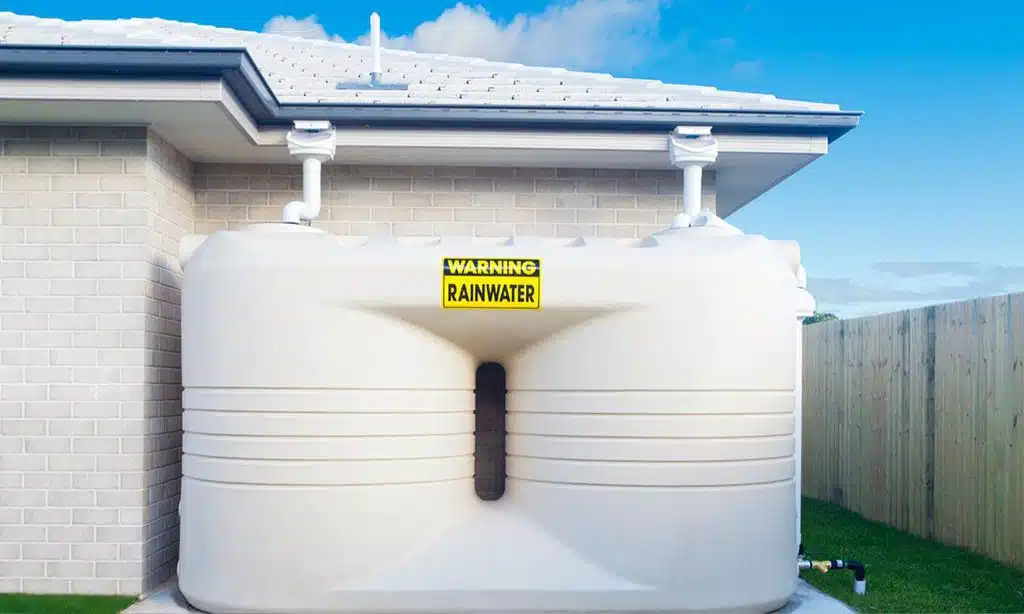
With water scarcity on the rise, rainwater harvesting systems are becoming indispensable. They provide an innovative way to conserve water and reduce dependency on municipal supplies.
Benefits of Collecting Rainwater
- Reduces dependency on municipal water supplies.
- Provides a sustainable source for irrigation and household use.
- Lowers water bills.
Components of a Rainwater Harvesting System
- Catchment area: Roofs or other surfaces to collect rain.
- Gutters and pipes: Direct water to storage tanks.
- Storage tanks: Safely store collected rainwater.
| Component | Function | Considerations |
| Catchment Area | Captures rainfall | Ensure it’s clean and debris-free |
| Gutters and Pipes | Directs water to storage tanks | Use durable, non-toxic materials |
| Storage Tanks | Stores collected water | Opt for UV-resistant tanks |
5. LED Lighting: Brightening Homes with Less Energy
Switching to LED lighting is a simple yet impactful eco-friendly choice. These lights use advanced technology to deliver bright illumination with minimal energy consumption.
Advantages of LED Bulbs Over Traditional Bulbs
- Use up to 75% less energy.
- Last significantly longer, reducing waste.
- Available in various color temperatures to suit any ambiance.
Best LED Lighting Design Tips for Green Homes
- Incorporate dimmable LEDs for flexibility.
- Use task lighting for workspaces.
- Install motion sensors to minimize energy use.
| Feature | LED Bulbs | Traditional Bulbs |
| Energy Usage | Low | High |
| Lifespan | 15,000-25,000 hours | 1,000 hours |
| Environmental Impact | Minimal | High (hazardous waste) |
6. Smart Home Integration: Control at Your Fingertips
Integrating smart technology in homes enhances energy efficiency and convenience. Smart devices work together to create a cohesive, eco-friendly living environment.
Devices That Enhance Energy Efficiency
- Smart plugs: Monitor and reduce standby power.
- Motion sensors: Automate lighting and reduce waste.
Importance of Seamless Smart Home Connectivity
Centralized control systems allow homeowners to manage all smart devices via a single interface, ensuring optimal energy usage. For instance, linking a smart thermostat with automated blinds can maximize energy efficiency during different times of the day.
| Device | Primary Benefit | Price Range |
| Smart Plugs | Eliminates phantom power usage | $20 – $50 |
| Motion Sensors | Reduces unnecessary lighting | $15 – $60 |
| Centralized Hub | Simplifies smart device control | $100 – $300 |
7. Sustainable Flooring Options: Eco-Friendly Materials for Every Room
Flooring choices can make a significant environmental impact. Opt for sustainable materials to create a green home that aligns with eco-friendly principles.
Popular Eco-Friendly Flooring Choices
- Bamboo: Rapidly renewable and highly durable.
- Cork: Harvested sustainably from cork oak trees.
- Reclaimed wood: Reduces demand for new timber.
Durability and Aesthetic Appeal of Green Flooring
Sustainable flooring not only lasts longer but also adds unique character to living spaces, making it both practical and stylish. It’s a key example of eco-friendly features for green homes, combining functionality and beauty.
| Material | Lifespan | Environmental Impact |
| Bamboo | 20-25 years | Renewable and biodegradable |
| Cork | 15-20 years | Harvested without harming trees |
| Reclaimed Wood | 50+ years | Reduces need for new deforestation |
8. Low-Flow Water Fixtures: Saving Water Without Compromising Comfort
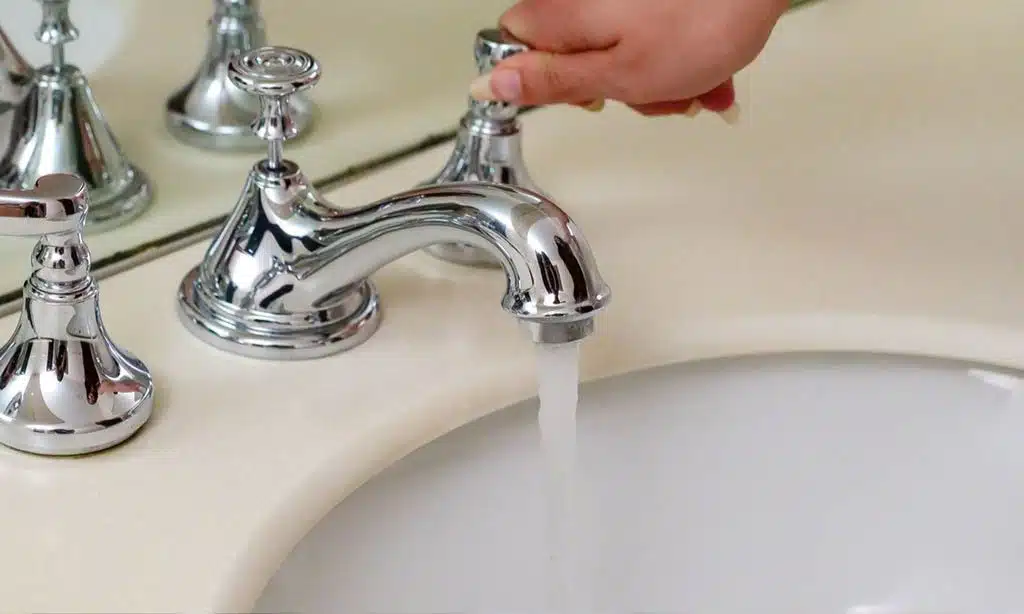
Water conservation is essential, and low-flow fixtures offer an effective solution. These fixtures use advanced aeration techniques to maintain water pressure while reducing flow rates.
Types of Low-Flow Fixtures
- Toilets: Use 1.6 gallons or less per flush.
- Faucets: Flow rates under 1.5 gallons per minute.
- Showerheads: Deliver powerful sprays with minimal water usage.
How to Install Low-Flow Fixtures in Your Home
- Choose certified WaterSense products.
- Hire a professional for complex installations.
| Fixture Type | Water Savings | Cost |
| Low-Flow Toilets | Up to 4,000 gallons/year | $150 – $500 |
| Aerated Faucets | 30-50% less water usage | $20 – $100 |
| Efficient Showerheads | Saves up to 2 gallons/minute | $25 – $150 |
9. Passive Design Strategies: Harnessing Nature’s Power
Passive design strategies leverage natural elements to regulate indoor temperatures, improve air quality, and enhance energy efficiency without relying on mechanical systems.
Key Elements of Passive Design
- Window Placement: Strategically positioned windows maximize natural light and ventilation.
- Thermal Mass Materials: Concrete or brick absorbs heat during the day and releases it at night.
- Shading Techniques: Overhangs, awnings, and trees provide shade to reduce heat gain.
Benefits of Passive Design in Reducing Energy Costs
Passive design can reduce heating and cooling energy needs by up to 50%. Homes built with these strategies are not only eco-friendly but also more comfortable to live in.
| Feature | Function | Cost Implication |
| Window Placement | Enhances natural light/airflow | $200 – $500 per window |
| Thermal Mass Materials | Stabilizes indoor temperatures | $1,500 – $5,000 |
| Shading Techniques | Reduces cooling needs | $500 – $2,000 |
10. Green Roofs: Aesthetic and Environmental Benefits
Green roofs are increasingly popular as an eco-friendly feature for green homes. These systems involve growing vegetation on rooftops to improve insulation, reduce runoff, and enhance biodiversity.
Advantages of Green Roofs
- Improved Insulation: Keeps homes cooler in summer and warmer in winter.
- Stormwater Management: Reduces water runoff by up to 80%.
- Biodiversity Support: Creates habitats for pollinators and small wildlife.
Maintenance Tips for Green Roofs
- Schedule regular weeding and inspections.
- Use lightweight soil and drought-resistant plants to minimize upkeep.
- Ensure proper drainage to avoid waterlogging.
| Type of Green Roof | Advantages | Cost Range |
| Extensive (Shallow) | Low maintenance, lightweight | $10 – $25 per sq. ft. |
| Intensive (Deep) | Versatile planting options | $25 – $50 per sq. ft. |
11. Composting Systems: Turning Waste into Nutrient-Rich Soil
Composting systems are an essential feature for reducing household waste and creating organic fertilizer for gardening. These systems are practical, sustainable, and easy to incorporate into daily routines.
Types of Composting Systems for Homes
- Indoor Composters: Ideal for apartments, featuring odor-control systems.
- Outdoor Bins: Larger setups suited for gardens and yards.
- Vermicomposting: Uses worms to accelerate composting, great for food scraps.
Benefits of Composting in a Green Home
- Diverts organic waste from landfills.
- Produces nutrient-rich compost for healthier plants.
- Reduces methane emissions from decomposing organic matter.
| System Type | Ideal For | Setup Cost |
| Indoor Composters | Small spaces | $50 – $150 |
| Outdoor Bins | Gardens/Yards | $100 – $300 |
| Vermicomposting | Food scrap disposal | $50 – $200 |
12. Energy Star Appliances: Efficient and Reliable Options
Energy Star-rated appliances are synonymous with eco-friendly homes. These appliances use advanced technologies to deliver superior performance while consuming less energy.
What to Look for in Energy Star Appliances
- Efficiency Ratings: Check the energy consumption details on labels.
- Compatibility: Ensure the appliance fits your home’s specific needs.
- Warranty and Longevity: Prioritize products with long-term reliability.
The Most Eco-Friendly Appliances of 2025
- Refrigerators: Use up to 40% less energy than standard models.
- Washing Machines: High-efficiency washers save water and energy.
- Dishwashers: Use smart sensors to minimize water and energy use.
| Appliance Type | Annual Energy Savings | Cost Range |
| Refrigerators | $50 – $100 on energy bills | $1,000 – $3,000 |
| Washing Machines | $30 – $80 on water/energy | $500 – $1,500 |
| Dishwashers | $20 – $60 on water/energy | $400 – $1,200 |
Benefits of Eco-Friendly Features for Green Homes
Adopting eco-friendly features offers homeowners a variety of benefits, including:
- Environmental Impact: Reduces greenhouse gas emissions and reliance on non-renewable resources.
- Cost Efficiency: Lower energy and water bills over time.
- Health Improvements: Promotes better indoor air quality and reduces exposure to harmful chemicals.
- Increased Property Value: Green homes are increasingly sought after in real estate markets.
- Sustainability: Contributes to global efforts in combating climate change and preserving natural resources.
Takeaway
Creating a green home in 2025 is no longer just an option but a necessity for a sustainable future.
By incorporating these 12 eco-friendly features for green homes, you can enjoy a more efficient, comfortable, and environmentally conscious lifestyle.
From installing solar panels to integrating smart home technologies, each feature contributes to a greener planet and a better quality of life.
Start your journey today and take pride in building a home that aligns with the values of sustainability and innovation.