Daily Mail and General Trust (DMGT), the publisher behind some of the UK’s most influential news brands, has entered an exclusive agreement to acquire The Telegraph Media Group in a deal valued at roughly £500 million (about $650 million). The move marks one of the most significant shake-ups in Britain’s media industry in recent years and could reshape the country’s right-leaning press landscape for the decade ahead.
DMGT confirmed that both sides have now entered a formal exclusivity period, during which they will finalise transaction terms and prepare regulatory submissions. The company stressed that the deal fully complies with the UK’s strengthened “Foreign State Influence” rules, noting that no foreign government-linked capital or financing will be used in the acquisition.
The deal comes at a pivotal moment. Only a week earlier, RedBird Capital Partners, the US-based investment firm that had long been in talks to purchase the Telegraph titles, withdrew from its bid after months of regulatory delays and internal resistance from the Telegraph newsroom. RedBird had attempted to restructure its partnership with Abu Dhabi-backed International Media Investments (IMI) to avoid breaching UK rules limiting foreign state influence in national newspapers. Under the revised plan, IMI would have been capped at a maximum 15% minority stake. However, the clearance process remained slow, and concerns persisted about the long-term impact of foreign-linked investment on British media independence.
A source close to RedBird said that the approval timeline was becoming increasingly uncertain and that ongoing newsroom opposition within The Telegraph contributed to the firm’s decision to walk away. That exit opened the door for DMGT—one of the few UK-owned media groups with both the financial capacity and industry influence to secure such a purchase—to step in and formalize a deal.
DMGT has a long history of interest in acquiring The Telegraph, having previously signaled its willingness to enter the bidding process in 2023. Reports earlier this year suggested DMGT was even in talks to purchase a 9.9% stake in the Telegraph titles as a strategic foothold. Today’s agreement signals a major escalation of that ambition and demonstrates DMGT’s intention to consolidate its presence across the British media market.
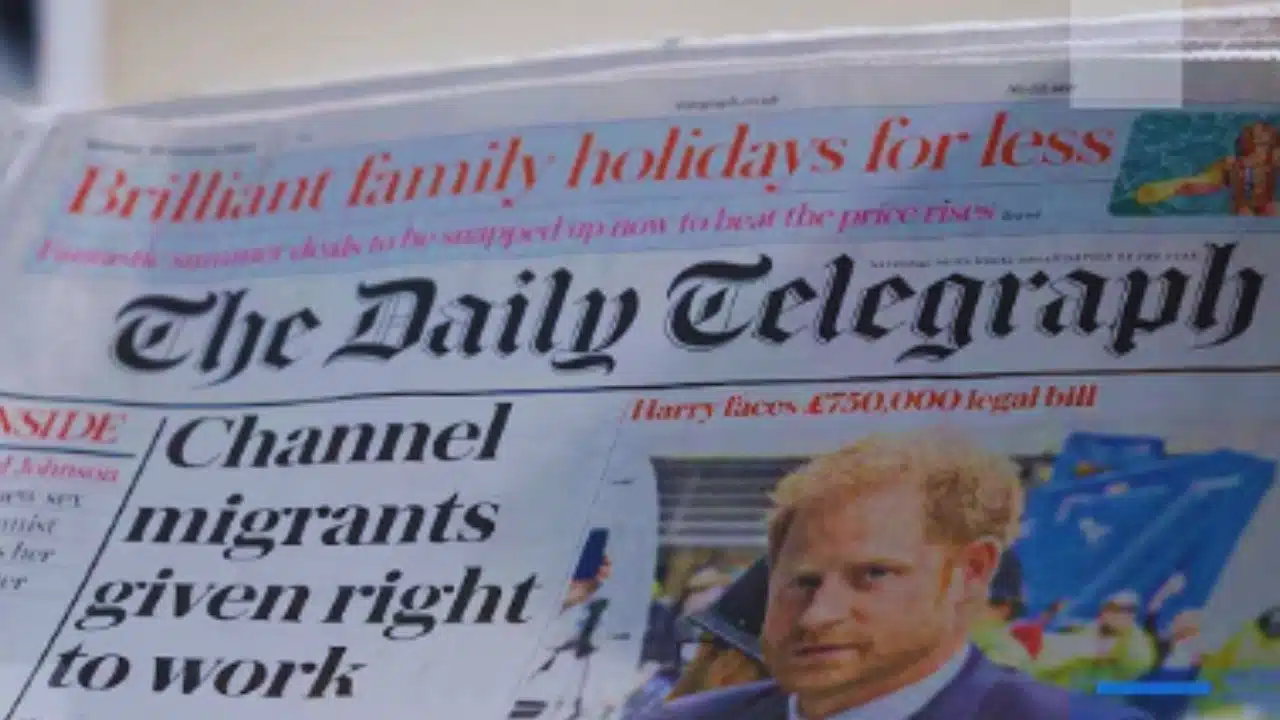
With this acquisition, DMGT would gain ownership of the Daily Telegraph, Sunday Telegraph, and associated digital operations. These titles are among the UK’s most influential right-of-centre publications with a large and loyal subscriber base, strong brand identity, and significant political influence. DMGT already owns the Daily Mail, Mail on Sunday, Metro, The i, and New Scientist—making this deal a powerful expansion of its portfolio.
However, DMGT moved quickly to emphasize that The Telegraph would remain editorially independent from its existing titles. This assurance is key to navigating both regulatory scrutiny and public concerns about media plurality. Consolidation on this scale inevitably raises questions over the diversity of voices within the UK’s print and digital news sector, and regulators are expected to examine the transaction closely to ensure market competition and editorial independence are preserved.
The decision by RedBird IMI to support DMGT’s takeover—rather than challenge or counterbid—signals a pragmatic shift after months of regulatory friction. RedBird IMI acknowledged the fast and cooperative work done to reach this agreement and confirmed it will submit the transition arrangements to the Secretary of State shortly.
The road ahead will now focus on regulatory reviews by UK authorities, including potential oversight from the Department for Culture, Media and Sport and other bodies responsible for media plurality. While DMGT has expressed confidence that approvals will move swiftly, the heightened sensitivity around ownership of national news outlets means the process will be thorough.
For the broader UK media landscape, the deal represents a major consolidation during a period of industry uncertainty. Advertising pressures, rising operational costs, and the rapid shift toward subscription-based digital revenue models have led to intense competition among publishers. For DMGT, acquiring The Telegraph could unlock efficiencies in printing, distribution, technology, and commercial operations while allowing targeted investment into high-value digital growth.
For The Telegraph itself, new ownership may bring financial stability and renewed strategic direction following years of complex ownership disputes dating back to the former owners, the Barclay family. The newsroom will be watching closely to see how committed DMGT remains to its promise of hands-off editorial oversight.
As the deal moves toward completion, several questions remain. How will the integration be handled behind the scenes? What editorial safeguards will be put in place to guarantee independence? And how might this consolidation influence political coverage, investigative reporting, and public trust?
What is clear is that this is more than just a business transaction—it is a landmark moment in the evolution of Britain’s media ecosystem. The combination of The Telegraph with DMGT’s powerful publishing network will reshape the balance of influence in the UK press, potentially steering both political narratives and commercial strategies for years to come.