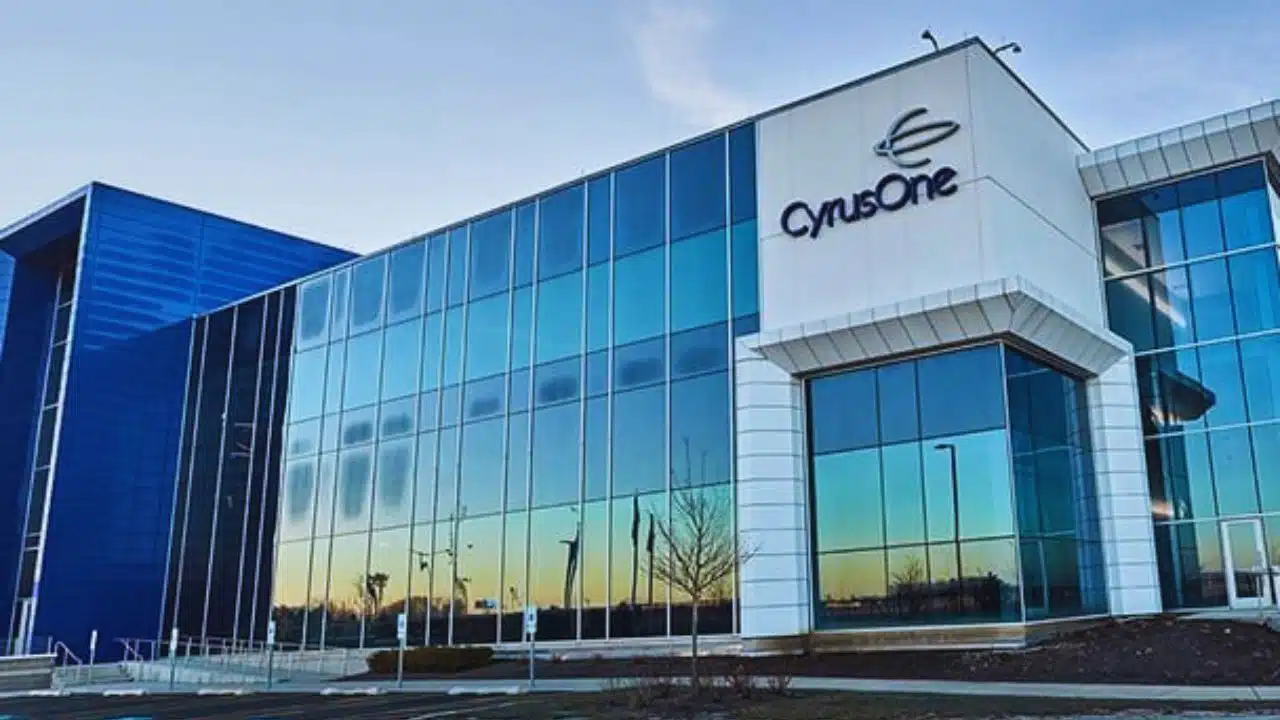
CyrusOne has installed additional backup cooling systems at the Illinois data center that hosts CME Group’s primary trading infrastructure, after a cooling failure there triggered a lengthy outage that froze much of the global futures market last week. The company says operations at the Aurora, Illinois “CHI1” facility are now stable and that extra redundancy has been built into the cooling chain to prevent a repeat of the incident.
Backup cooling added at CME hub
CyrusOne told media it has boosted backup cooling capacity and added redundancy to the systems that keep servers at safe temperatures in its Chicago-area site, which houses critical CME Group trading platforms. The operator described the data center as having returned to “stable and secure” service, with the new cooling backup designed specifically to strengthen continuity for large exchange and financial clients. CME relies on the Aurora campus as its main matching engine location for futures and options across equities, commodities, treasuries, foreign exchange and crypto-linked contracts.
Ten-hour outage roiled markets
The upgrade follows a failure on November 27 at the CyrusOne CHI1 facility, when a chiller plant malfunction hit multiple cooling units and led to overheating servers, forcing automatic shutdowns to protect hardware. CME halted trading across key futures and options markets, telling customers via public statements that its markets were suspended because of a cooling issue at CyrusOne’s data centers. The disruption stretched for around 10 hours and affected trading in U.S. equity index futures, commodities, foreign exchange products and crypto derivatives, unsettling participants from Asia to Europe during a normally thin, post-Thanksgiving session.
What went wrong in Aurora
According to CyrusOne, the root of the incident was a mechanical failure in the systems used to cool the computer halls, specifically the chiller infrastructure serving multiple cooling units. As temperatures in parts of the facility surged above safe thresholds, systems initiated shutdowns; engineers then restarted some chillers at limited capacity and rapidly brought in temporary cooling equipment to stabilize conditions while permanent systems were restored. Reports on the Aurora campus note that the site already advertised redundant cooling and the ability to leverage outside air in cold weather, raising questions about how existing safeguards interacted with the failure.
High stakes for private-equity-owned facility
The Aurora data center, once owned by CME and later sold to CyrusOne, is now controlled by private equity firms including KKR & Co. and Global Infrastructure Partners, underscoring how essential market infrastructure increasingly depends on third‑party colocation providers. The outage highlighted the concentration risk in such arrangements, as a single site in a Chicago suburb managed to halt or disrupt trading in benchmark contracts used to hedge and price risk worldwide. Market participants and analysts say the episode will intensify scrutiny of how exchanges structure failover to alternate data centers and how rigorously operators test worst‑case scenarios such as simultaneous power and cooling failures.
Pressure for stronger resilience
While trading has largely resumed and CME has stressed that systems are back online, the event has prompted calls in the trading community for greater transparency about business-continuity plans and the speed with which operations can be shifted to backup locations. Industry coverage notes that the cooling failure also disrupted price discovery in newer areas such as crypto derivatives, DeFi‑linked feeds and structured products that reference CME benchmarks, emphasizing how digital finance depends on traditional data center reliability. With CyrusOne now adding permanent backup cooling and extra redundancy, both the operator and CME face pressure to demonstrate that safeguards are sufficient to prevent another outage that could freeze global markets in the middle of volatile trading conditions.