Many expats struggle to pick the right health insurance in Germany. The German healthcare system lets policyholders choose public health insurance or private health insurance, and it gives them a European health insurance card.
This guide lists 10 top insurance companies, from TK and Barmer to feather insurance, and it shows costs, benefits, and how to use an insurance broker. Read on to find the best plan.
Key Takeaways
- TK has 11.8 million members and a 2.38 percent annual growth; a 30-year-old earning €24 000 pays €219/month and one earning €73 800 pays €602; members get English support, a €400 bonus program, and an EHIC.
- Barmer serves 8.6 million people, charges a 17.89 percent rate for 2025, and bills €227/month for a €24 000 income or €625/month for €73 800; it offers strong family perks, free child checkups, and an online portal with English support.
- DAK-Gesundheit sets a 17.4 percent contribution rate in 2025, awards up to €500 in annual bonuses, and levies €222/month (for €24 000) or €612/month (for €73 800); it includes English support, an EHIC, and a broker hotline.
- Private insurers like Allianz, HanseMerkur, Ottonova, and Feather Insurance list transparent plans from €498 to €732 per month, cover dental, vision, alternative therapy, repatriation, and worldwide care, and deliver English-speaking service via digital portals.
- To choose wisely, compare GKV vs private based on your income and status, use online calculators, read Trustpilot ratings, test insurer apps for claims, confirm EHIC and English support, and consult a health insurance broker.
Techniker Krankenkasse (TK)
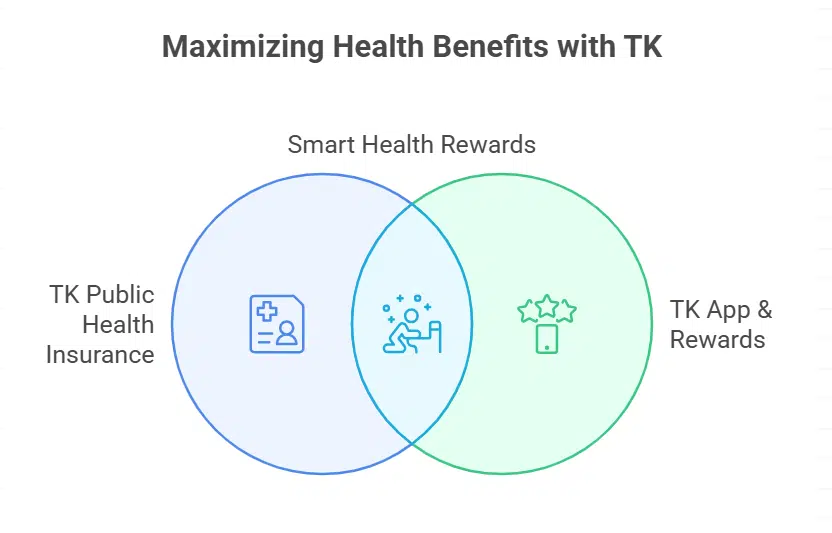
Techniker Krankenkasse shines with English support, pairing public health insurance with the TK app for easy claims. You can snag rewards for gym visits and dental checkups, then click here to explore your savings in the GKV system.
Why TK is ideal for expats
This public health insurance provider welcomes expats with English-speaking support and clear guidance. It covers doctor visits, hospital care, and preventive screenings under statutory health insurance law.
More than 11.8 million people trust this fund, with a 2.38 percent growth rate each year since 2015. Review portal Trustpilot shows a 3.9 out of 5 rating.
Members receive a European Health Insurance Card for trips in the EU. Plans include long-term care insurance and medical aids. The online portal lets you pay premiums by bank transfer or direct debit.
You get fast customer service and simple claim handling.
Bonus programs and additional benefits
TK rewards members up to €400 a year through a bonus program. You earn points for gym visits, check-ups and vaccination, and cash flows back to your bank through the public health insurance fund.
A 30-year-old earning €24,000 per year pays €219 a month. Someone with a salary of €73,800 sees a premium of €602 monthly.
Perks stretch beyond cash. You get english-speaking support and online health coaching. The European Health Insurance Card offers care across Europe without extra fees. Parents score subsidies on baby supplies and lactation classes.
Civil servants, freelancers and au pairs find offers that ease medical expenses and lighten your load. These extras link to the social security system and curb healthcare costs.
Barmer
Barmer wins high marks among public health insurers for family plans and extra health perks. It uses a modern portal for fast claims and English-language support.
Best for families
Membership has held at 8.6 million since 2015. Kids get free checkups and dental visits. Families save on monthly insurance premiums when they enroll together. The European health insurance card comes as standard.
Multilingual teams answer calls in English and German. Trustpilot shows 39% of users rate five stars and 51% give one star. These stats help parents weigh pros and cons in the statutory health insurance system.
Comprehensive coverage options
Barmer covers a wide range of medical care services and rehabilitation. The statutory health insurance plan funds doctor visits, dental checkups, prescription medicine, psychotherapist sessions and preventive screenings.
Expats get an electronic health card and an online portal. They can use telemedicine, health apps and a European Health Insurance Card for travel.
The contribution rate stands at 17.89 percent for 2025, the highest among public health insurance providers. A 30-year-old earning €24,000 per year pays €227 per month, while one with a €73,800 salary pays €625.
This fee covers sick leave, social security benefits and standard inpatient and outpatient treatments under Germany’s universal healthcare system.
DAK-Gesundheit
DAK-Gesundheit has a bonus plan for gym visits, checkups, and healthy meals. Its software and website speed up claims and its GKV plan works with the EHIC for EU travel.
Known for its rewarding bonus program
Its bonus plan delivers up to 500 euros per year. This public health insurance provider tracks gym sessions, screenings, and dental check-ups. It credits your account after you submit proof.
Statutory health insurance rules cover the process. The program even links to your European health insurance card for travel checks.
A 30 year old earning 24,000 euros pays 222 euros each month. Someone making 73,800 euros per year pays 612 euros monthly. The plan offers English speaking support and an insurance broker line.
Many expats rate customer satisfaction very high under this scheme.
Affordable pricing for expats
DAK-Gesundheit sets the contribution rate for 2025 at 17.4%. Expats on a work visa pay this share from each paycheck. The public health insurance provider issues a European Health Insurance Card (EHIC) for EU travel.
The insurance company holds a 2.6/5 Trustpilot rating. Many policyholders praise low premiums, broad drug coverage and savings over private health insurance. It covers hospital stays, general practitioner visits and preventive care.
Allianz
Allianz leads the pack with private health insurance plans and a vast network of med pros, so keep reading to see if you fit their mold.
Renowned global health insurance provider
The German Financial Institute gave an excellent rating to Allianz private medical insurance. These ActiMed tariffs come as compact, comfort, and premium packages. Students, self-employed, and civil servants can find a fitting plan.
The company ranks among the top health insurance providers in Germany for expatriates and digital nomads. Customers enjoy english-speaking support and broad coverage under statutory and private health insurance.
That year saw recognition as one of the top 10 health insurance in Germany options for expat health insurance. Many people review their coverage needs before they sign a contract. An insurance broker can cut through red tape and match personal needs to a plan.
This step reduces confusion over health insurance premiums and medical insurance details.
Extensive network of healthcare providers
Allianz excels in expat health insurance, linking you to clinics, hospitals, and specialists across Germany. You can find English-speaking doctors with their mobile tool, book a visit, and check costs in a few taps.
They offer telemedicine visits and home care bookings via their app.
They take your EHIC or connect to your public health plan. You get English-speaking support for claims on meds, scans, or hospital stays.
Hallesche Krankenversicherung

Hallesche Krankenversicherung gives expats solid private health coverage, with flexible add-ons and English-speaking support, so read on to learn more.
Tailored private insurance options
Three full private health insurance plans suit employees and self-employed expats. Each tariff blends budget-friendly and enhanced coverage.
Expats earn comprehensive benefits for dental, vision, and alternative practitioner treatments. They secure worldwide coverage outside the EU and apply easily via insurance brokers or direct online portals that meet German insurance rules.
Ottonova
Ottonova works via an online portal, and a cell phone app, so you can sign up in a snap. It links you to telecare visits, stores your EU health card, and even lets you chat with a doc in English.
Digital-first approach for modern expats
Digital-first expat health insurance uses an online platform. It offers 24/7 english-speaking support and instant claims. You book video calls with doctors and get e-prescriptions.
A digital ID card stores in your device wallet. It makes private health insurance benefits clear at a glance.
Business Class Pro at €676/month includes 80-100% dental and €1,000 alternative practitioner coverage each year. First Class Pro+ at €730/month adds a private room, 90-100% dental, €2,000 alternative practitioner coverage and six months of worldwide cover outside the EU.
You upload receipts in seconds and watch reimbursements land in your bank. The system works on a web hub and device tool. It feels like carrying coverage in your pocket.
Easy application process in English
Ottonova offers a straightforward online signup for English-speaking expats. The form asks for passport, address and salary details. Consultants handle cases with pre-existing conditions.
The platform walks you through each step in plain English. You finish in under ten minutes.
Applicants can apply solo or with a broker. Consultants vet details to prevent coverage gaps. Accurate info saves claim delays. Early sign-up nets lower monthly rates and bonus credits.
You tap English-speaking support for private expat health insurance in Germany.
DR-Walter
DR-Walter serves expats, travelers, and nomads with clear expat health insurance and travel medical cover, all handled in English. Find out how their European Health Insurance Card access and insurance broker support can keep you safe abroad.
Specialized insurance for expats and travelers
One insurer matches expat health insurance and travel insurance needs in Germany. This provider, DR-WALTER, serves students, new hires, and wanderers with short stays or long visa options.
Its coverage fits statutory health insurance and private plans. An agent guides you through EHIC rules and social insurance claims. The team offers english-speaking support at every step.
Flexibility drives its top rank among health insurance providers. Clients praise the easy online portals and clear pricing. They find private health insurance benefits with no hidden fees.
This provider cuts the red tape and wins nods from agents across Germany.
Strong reputation in the expat community
DR-WALTER wins praise across the expat community in Germany. The company offers flexible policies for short and long stays, with English-speaking support at every step. It uses an online quote tool, so newcomers can estimate costs fast.
The firm also guides users through the European Health Insurance Card process to boost access to the German healthcare system.
The insurer blends international insurance solutions with local know-how. It stands in the top 10 health insurance companies for expat health insurance. Clients cite clear communication and a handy claim portal in feedback surveys.
This customer-centric firm eases the shift to German public health insurance or private health insurance.
Feather Insurance
Feather Insurance keeps pricing clear, with its neat calculator and a user dashboard that runs like clockwork. You file claims fast on its digital application, and you book telemedicine visits with a tap.
Simplified insurance plans
Simplified plans cut through jargon and fine print. Users pay one fee per month. The online portal lists every cost with transparent pricing and no hidden fees. It matches public health insurance providers on core cover while adding private health insurance extras.
It works like a policy dashboard in a mobile app. Claims show up instantly for expat health insurance members.
This provider offers two clear options. At €647 a month, the Plus option covers 80 to 100 percent of dental. It gives €300 toward glasses every two years. It adds €1,200 for alternative practitioner visits.
The Premium option runs €732 a month. It pays 90 to 100 percent of tooth work. It offers €450 in vision aid every two years. It covers €2,400 for natural therapy.
Feather Insurance uses plain pricing, no hidden fees. The Standard plan starts at €498 per month, with zero deductibles. The Plus plan costs €647 monthly, and it omits deductibles.
The Premium plan runs €732 per month, and it has no hidden costs. This clear model helps expat health insurance buyers set a budget fast.
All plans include coverage outside the EU, so you stay covered on trips. You will not find surprise bills for emergency care or trip delays. This private health insurance beats many public health insurance providers at transparency.
You see every charge up front, and that means peace of mind for your wallet.
How to Choose the Right Provider for Your Needs
Expats need a clear path to the best policy. Good steps cut cost and stress.
- Check statutory health insurance (gesetzliche krankenversicherung, GKV) or private health insurance based on your income and employment status and civil servant perks.
- Use online calculators or compare portals to weigh contribution rates, research total cost, and spot budget fits.
- Read customer satisfaction ratings and response times for each insurer to judge support quality and English-speaking support.
- Seek extra benefits like bonus programs, coverage for prescription drugs, and the European Health Insurance Card (EHIC) for travel.
- Confirm English-speaking support so you can call or email without mixups.
- Talk to an insurance broker or health insurance broker who knows the German healthcare system and expat health insurance options.
- Test claim process via the provider app or portal, check speed on medications or specialist visits if you need chronic care.
- Pick a policy with clear fees, no hidden costs, like the simplified plans at Feather Insurance, or another transparent insurer.
- Find out if your local doctors, hospitals, and pharmacies join that provider network in healthcare in Germany.
- Look at retirement cover, unemployment benefits, and liability insurance options to plan for future life events.
Takeaways
Pulling it all together, you see a lively health cover scene in Germany. Public health plans like TK or Barmer offer solid cover. Private options like Ottonova or Allianz deliver slick perks and English-speaking support.
You can swipe the European Health Insurance Card while you roam Europe. A quick chat with a health insurance broker clears doubts and points to the best deal. This way, you kick off life in Germany with a trusty health ally by your side.
FAQs on Best Health Insurance Providers in Germany
1. What is the difference between public health insurance and private health insurance in Germany?
Public health insurance, or gesetzliche krankenversicherung (GKV), covers most workers in the German health care system, it feels like a solid, no-frills highway. Private health insurance fits civil servants, self-employed people, and high earners, with extra perks but higher fees. Each lane has its own rules, so pick the path that fits your job and wallet.
2. Which providers offer English-speaking support for expats?
Techniker Krankenkasse, a public insurer, and Signal Iduna, a private carrier, both have teams that speak English. Feather Insurance also helps expats find the right plan, with clear guidance in English. These health insurance companies walk you through forms, answer your questions, and keep things simple.
3. Can civil servants, self-employed people, or those who are chronically ill find special plans?
Yes, civil servant health insurance plans offer lower rates and extra cover. Many public health insurance providers and private health insurance benefits also serve self-employed people. If you are chronically ill, some statutory funds give you special support and faster appointments, so you get care without extra hassle.
4. How do I use the European Health Insurance Card before I join a German plan?
Your European Health Insurance Card (EHIC) gives you temporary cover for urgent care in Germany until you get compulsory insurance. You show it at public healthcare centers or hospitals, like a temporary pass. Then you finish your full sign-up with a statutory fund or a private insurer.
5. How can an insurance broker help with health insurance in Germany?
A health insurance broker knows the system, they compare public health insurance providers, private plans, and expat health insurance in minutes. They guide you through identification, registration, and paperwork, so you skip the guesswork. A good broker saves time and might find offers you missed on your own.