Scandinavian winter driving is a different sport. Temperatures drop fast, and roads can change in minutes. One hour you have wet asphalt, and the next you have packed snow and black ice. Wind, darkness, and slush add extra stress. If you drive an EV, winter also affects range and charging speed.
This guide explains what to look for and why it matters. It ranks eight winter-friendly EVs that make sense for Nordic conditions. It stays objective and focuses on real driving needs. You will also get tips that improve winter comfort and safety, no matter what EV you own. If you are searching for the best EVs for winter driving, this is built to help you choose with confidence.
| What You’ll Learn | Why It Matters In Scandinavia |
| What “winter-ready EV” actually means | Winter is not just cold; it is slush, ice, wind, and darkness |
| How range and charging change in freezing temps | Your trip plan can change a lot in winter |
| Which features matter most | Heat pumps, preconditioning, AWD tuning, winter modes |
| 8 EV picks with clear pros and cons | Helps you match the EV to your life, not hype |
| Practical winter routines | Small habits can protect range and reduce stress |
A winter-ready EV is an EV that behaves calmly when conditions are harsh. It should warm the cabin without draining the battery too fast. It should keep the battery in a healthy temperature range. It should feel stable when you hit slush at highway speed. It should also fast-charge reliably after long cold-soaked parking.
Many people think AWD is the main winter requirement. AWD helps, but it is not the full story. Winter driving is about traction, braking, predictability, and visibility. It is also about comfort, because fatigue is a safety risk. A good winter EV makes all of these easier.
| Winter-Ready EV Trait | What It Does For You |
| Efficient heating | Keeps you warm with less range loss |
| Battery temperature control | Helps range, protects the pack, improves charging |
| Stable traction systems | Reduces wheelspin and improves control in slush |
| Predictable regen behavior | Helps avoid surprise slowing on slick roads |
| Reliable fast charging | Shorter stops and fewer “slow charging” shocks |
| Practical winter design | Clear visibility, good defrosting, usable cargo space |
The 6 Must-Have Winter Features
Winter EV features are not about luxury. They are about reducing energy waste and improving safety. They also protect your schedule on long drives. A few features can make a bigger difference than a bigger battery. Focus on the things that improve real winter behavior. These will matter every day.
- Heat pump or very efficient cabin heating system
- Battery preconditioning for DC fast charging
- AWD with good traction control tuning
- Winter drive mode or adjustable regen settings
- Strong defrosting and heated mirrors
- Heated seats and heated steering wheel for efficient comfort
Cold Weather Reality Check (What To Expect)
Winter range drops are normal. Even strong EVs will use more energy in freezing weather. You spend more power heating the cabin and keeping the battery warm. Slush increases rolling resistance and can eat range quickly. Headwinds do the same at highway speeds. Short trips can be worse because the car spends more time warming up.
You can still travel confidently in winter with an EV. You just plan a little differently. You keep a buffer instead of chasing “perfect” range. You use preconditioning and smart heating habits. Once you do that, winter EV life becomes simple.
| Winter Reality | What To Do About It |
| Range can drop in freezing temps | Build a buffer and plan charging stops |
| Charging may slow if the pack is cold | Precondition the battery before fast charging |
| Slush and wind can hit range hard | Slow down a bit and keep extra margin |
| Cabin comfort matters for safety | Use seat and wheel heat efficiently |
How We Chose The 8 Best EVs (Unbiased Criteria)
This list is built around Scandinavian conditions, not marketing claims. Winter driving exposes weaknesses quickly. A car that feels fine in mild weather may feel frustrating in deep cold. The best winter EV is not always the one with the biggest battery. It is the one that uses energy wisely and stays stable on messy roads.
We used a practical filter. The vehicle must be easy to live with in winter. It must have strong traction options. It must have good heating and defrosting. It must support predictable winter road trips. It must also be a model that people can realistically buy in many markets.
| Selection Factor | Why It Matters In Winter |
| Winter efficiency | Lower consumption means more usable range |
| Thermal management | Helps range, comfort, and charging performance |
| AWD and stability tuning | Improves control in snow and slush |
| Cabin comfort | Defrosting and heating reduce fatigue and risk |
| Software maturity | Better preconditioning logic and energy planning |
| Practicality | Cargo, seating, visibility, winter-ready ergonomics |
Winter performance is multi-layered. Traction is only one part. Comfort and visibility can matter just as much. Charging behavior can decide whether long trips feel smooth or stressful. We also considered how easily a car fits real Nordic routines. That includes school runs, outdoor gear, and winter road maintenance.
- Real-world winter efficiency and range retention
- Battery preconditioning and charging consistency
- AWD performance and winter drive modes
- Cabin comfort, insulation, and defrosting speed
- Predictable regen and stable braking feel
- Practical space for winter gear and family needs
Data Signals We Consider In A Winter EV
In winter, “paper specs” are not enough. You want signals that reflect real use. Look for cold-weather charging support and strong thermal control. Look for winter tire-friendly wheel sizes. Look for stable highway manners and low cabin noise. Look for reliable driver assistance behavior in snow. Also consider the local service footprint.
| Winter Data Signal | Why You Should Care |
| Heat pump availability | Can reduce heating-related energy waste |
| Battery preconditioning | Helps avoid slow fast charging |
| Wheel and tire options | Impacts grip, comfort, and winter safety |
| AWD tuning | Some systems handle slush better than others |
| Defrosting and visibility | Critical in dark, wet winter conditions |
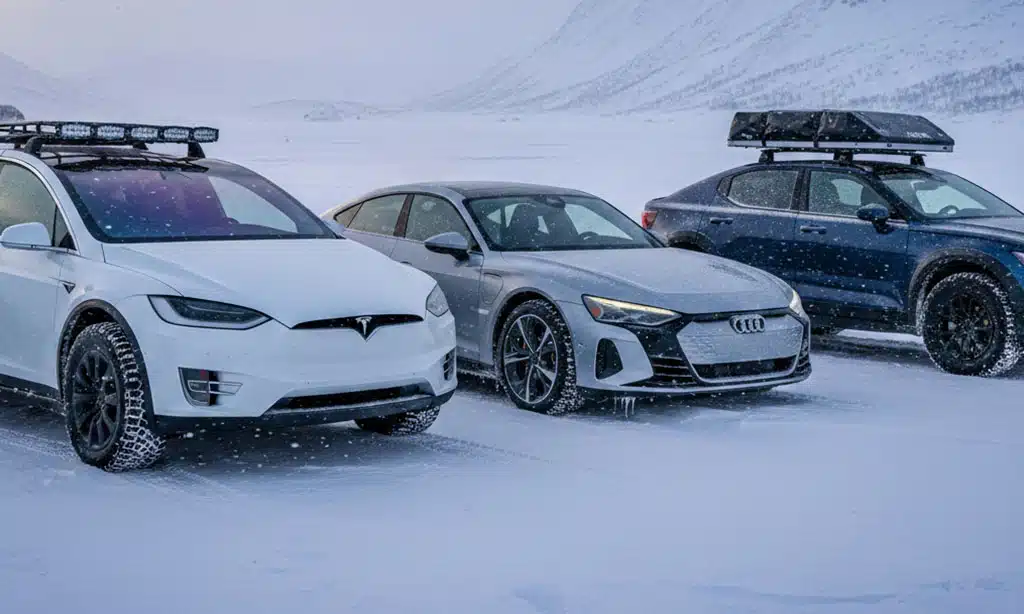
This section ranks the eight picks and explains why each one works. Every model has strengths and tradeoffs. The goal is not to crown a single “perfect” winner. The goal is to help you pick the best match for your winter life. Some are better for long highway trips. Some are better for city life and tight parking. Some are best for deep snow and outdoor travel.
Use the “Best For” line under each model to choose faster. Then compare your own routes, charging access, and parking situation. That is where the best decision usually becomes obvious.
| How To Use This List | Quick Tip |
| Start with your lifestyle | City, rural, road trips, outdoor use |
| Check your charging reality | Home charging changes everything |
| Choose tires before accessories | Tires matter more than add-ons |
| Plan a winter range buffer | Stress drops when you stop chasing the maximum |
1. Tesla Model Y Long Range (Dual Motor AWD)
The Model Y is popular in cold climates for a reason. It blends space, efficiency, and strong trip-planning tools. It can feel like a simple “one car for everything” choice. In winter, its efficiency helps reduce the pain of range loss. It also has a large owner base, so winter setups are easy to copy.
Still, it is not magic. Winter range drops still happen. Driving speed and slush can hit consumption fast. The key is to use preconditioning and keep a buffer. If you do that, it becomes a very practical winter EV.
| Tesla Model Y Winter Summary | Notes |
| Main strengths | Efficiency, space, AWD traction, trip planning |
| Main tradeoffs | Range still drops in cold; comfort depends on wheels/tires |
| Best for | Families and frequent winter highway trips |
Why It Works In Nordic Winters
Efficiency is a winter superpower. An efficient EV needs less energy per kilometer, which protects range in cold conditions. That matters on windy highways and slushy roads. The Model Y’s practical shape and strong energy management can help. It also tends to have strong cabin heating performance in many trims.
It is also easy to live with day to day. Storage space fits winter gear well. Seating is practical for families. Driver assistance can reduce fatigue on long drives, but you still need full attention in winter. Overall, it is a balanced winter tool.
Winter Strengths
The Model Y feels like a strong “daily winter machine.” It handles commuting and long trips without changing your whole life. It also has good cabin space for bulky winter clothing. With the right tires, traction and stability can feel confident. It can also feel efficient even when temperatures drop.
- Efficient overall energy use for its size
- AWD traction for snow and slush
- Practical cargo space for winter gear
- Strong cabin heating and fast defrosting feel in many conditions
- Good road-trip planning support for charging stops
Watch-Outs
Winter setup matters. Wheel size and tire choice can change comfort and traction. Regen behavior can feel strong if you are not used to it. Also, winter range can drop quickly at high speed in headwinds. If you drive long rural routes, plan extra buffer.
- Range can drop more than expected in deep cold and slush
- Bigger wheels can reduce winter comfort and grip
- Regen can feel aggressive on slick surfaces without careful control
- Charging speed can vary if the battery is not warm enough
- Always prioritize winter tires for safety
Best For
It fits drivers who want one EV for most winter scenarios. It works well for families, commuters, and frequent highway drivers. It is also good for people who want a large support community for winter tips. If your winter includes lots of mixed road surfaces, it can be a strong choice.
2. Polestar 3 (Dual Motor)
Polestar 3 is built as a premium SUV with a strong Scandinavian identity. That matters because Nordic buyers often value stability, comfort, and safety design. In winter, a calm and predictable SUV can reduce driver fatigue. The Polestar 3 aims for that “confident, planted” feel. It also targets long-distance comfort, which matters for winter travel.
This is not a budget pick. It is for drivers who want premium refinement and strong winter capability. If you do many highway kilometers in dark and cold weather, comfort becomes more than a luxury. It becomes a safety benefit.
| Polestar 3 Winter Summary | Notes |
| Main strengths | Premium comfort, stable highway manners, AWD traction |
| Main tradeoffs | Price, availability, winter efficiency depends on wheels/tires |
| Best for | Drivers who want premium winter confidence and comfort |
Why It Works In Nordic Winters
Polestar leans into Scandinavian driving reality. That includes wet cold, slush, and long dark highways. A stable, quiet cabin reduces stress. Good seat heating and defrosting improve comfort quickly. Strong traction and balanced handling help when conditions change suddenly. It is a “confidence car” for many drivers.
It also suits a winter lifestyle. Space helps with skis, boots, and winter bags. Ride comfort can reduce fatigue on rough roads. If you prioritize comfort and control over maximum efficiency, it can be a great match.
Winter Strengths
This model is built for comfort and stability. It can feel composed at speed. It is designed to carry people and gear easily. Cabin warmth can be strong, which matters during long winter nights. With good tires, traction can feel secure.
- Stable handling and planted highway feel
- Premium cabin comfort for long winter drives
- Strong AWD traction for slush and snow
- Practical space for winter gear and family use
- Good visibility and refined defrosting behavior
Watch-Outs
Premium SUVs can be heavy, and weight can cost energy in winter. Large wheels can reduce winter grip and comfort. Trim selection matters, especially for heating and battery features. Availability and service footprint can also vary by country. Always check local support before you commit.
- Efficiency can vary based on wheel and tire setup
- Bigger wheels can reduce winter comfort and tire options
- Price is high, so it must match your needs
- Cold-weather charging experience depends on battery management features
- Always plan winter range buffer on long routes
Best For
It suits drivers who want a premium winter SUV with Nordic design values. It is a strong match for long commutes and highway travel. It also fits families who want comfort and control in winter. If your budget allows and you value refinement, it can be a top pick.
3. Audi Q8 e-tron (Quattro)
Audi’s winter reputation is strong, and Quattro is a familiar name in snow regions. The Q8 e-tron focuses on comfort, quietness, and stability. In Scandinavian winter, that calm experience matters. A quiet cabin reduces fatigue. Strong defrosting helps visibility. Predictable handling helps when roads are wet, icy, or full of slush.
This is for drivers who want a luxury winter cruiser. It is not built as the most efficient EV in the world. It is built to feel solid and refined. If you spend long hours on highways in winter, that can be a worthy trade.
| Audi Q8 e-tron Winter Summary | Notes |
| Main strengths | Quattro traction feel, luxury comfort, stable winter manners |
| Main tradeoffs | Efficiency varies by spec; heavier vehicles can lose more range |
| Best for | Comfort-first drivers who still need strong winter traction |
Why It Works In Nordic Winters
Audi tends to prioritize comfort and stability. In winter, those two things lower stress. Good seats and quiet cabins help you stay fresh and focused. Strong traction control helps in slush where grip changes quickly. High-quality defrosting systems matter when temperatures hover around freezing and humidity is high.
This model also fits a winter lifestyle. It offers a premium interior for long trips. It can carry gear comfortably. It feels confident in mixed conditions. If you want a refined winter experience, it delivers that vibe.
Winter Strengths
This is a winter comfort specialist. It aims to feel composed. It often offers strong seat comfort and cabin warmth. Its traction behavior can feel confident on slippery roads. Visibility support and defrosting can be strong, which is crucial in Nordic darkness.
- Confident traction and stability feel in mixed conditions
- Quiet cabin that reduces fatigue on long winter drives
- Strong climate control and defrosting performance
- Comfortable ride quality over rough winter roads
- Premium interior that stays pleasant in deep cold
Watch-Outs
Heavier EVs can consume more in slush and wind. Large wheels can hurt winter comfort and limit tire choices. Efficiency may not match the best of the best, so planning becomes important. Also, premium maintenance and tires can cost more. In winter, the “right setup” matters even more.
- Winter efficiency can be lower than lighter rivals
- Wheel size and tire selection strongly affect winter grip
- Slush, wind, and speed can hit range quickly
- Charging behavior depends on battery temperature management
- Budget for high-quality winter tires and service
Best For
It is ideal for drivers who want comfort and traction in winter, with luxury refinement. It suits long highway travel and frequent winter trips. It also fits drivers who want a familiar premium feel with strong stability.
4. Hyundai Ioniq 5 AWD (With Heat Pump And Preconditioning Trims)
The Ioniq 5 is popular because it is practical and easy to live with. It offers good interior space and a comfortable ride. With the right winter-focused trim, it can also offer strong heating and battery features. Its design suits real life, including families and winter gear. It can be a strong “value meets capability” choice in Nordic winters.
Winter performance depends on configuration. Some trims include heat pump and battery preconditioning features that improve winter usability. If you want a winter-ready Ioniq 5, check that the trim includes the winter essentials. With the right setup, it can be an excellent daily winter EV.
| Ioniq 5 AWD Winter Summary | Notes |
| Main strengths | Space, comfort, winter-friendly features on right trims |
| Main tradeoffs | Winter charging depends on battery temperature and settings |
| Best for | Practical buyers who want comfort and good road-trip potential |
Why It Works In Nordic Winters
A practical EV often wins in winter. You carry more gear. You want a cabin that warms fast. You want a ride that handles rough winter roads without stress. The Ioniq 5 can deliver that. Heated seats and steering wheel can help you stay warm with less energy use. Smart preconditioning can help charging feel smoother.
It also offers good everyday usability. It is roomy for its footprint. It is easy to load. It works well for commuting and weekend travel. If you drive in mixed conditions often, the AWD variant is the better winter choice.
Winter Strengths
This model focuses on comfort and usability. It can feel stable and calm. It often provides strong winter comfort features on appropriate trims. Cabin space is excellent for bulky coats and bags. With the right tires, it can feel confident on snow.
- Spacious cabin for winter clothing and gear
- Comfortable ride for rough winter roads
- Heated features that reduce heating energy waste
- AWD traction for snowy and slushy roads
- Good trip comfort for families and longer drives
Watch-Outs
The biggest winter frustration for many EV drivers is slow fast charging with a cold battery. That is why preconditioning matters. If your trim lacks it, winter road trips can feel slower. Also, tire choice matters. Avoid sporty tires in winter. Choose winter-rated tires and a sensible wheel size.
- Confirm heat pump and preconditioning on your trim
- Cold-soaked batteries can charge slower without warm-up
- Wheel and tire setup can change winter comfort a lot
- Winter range still drops; keep a buffer
- Snow and slush demand strong tires and careful speed
Best For
It is best for drivers who want space, comfort, and everyday value. It suits families and commuters. It also works for winter trips when equipped correctly and used with smart preconditioning habits.
5. Kia EV6 AWD
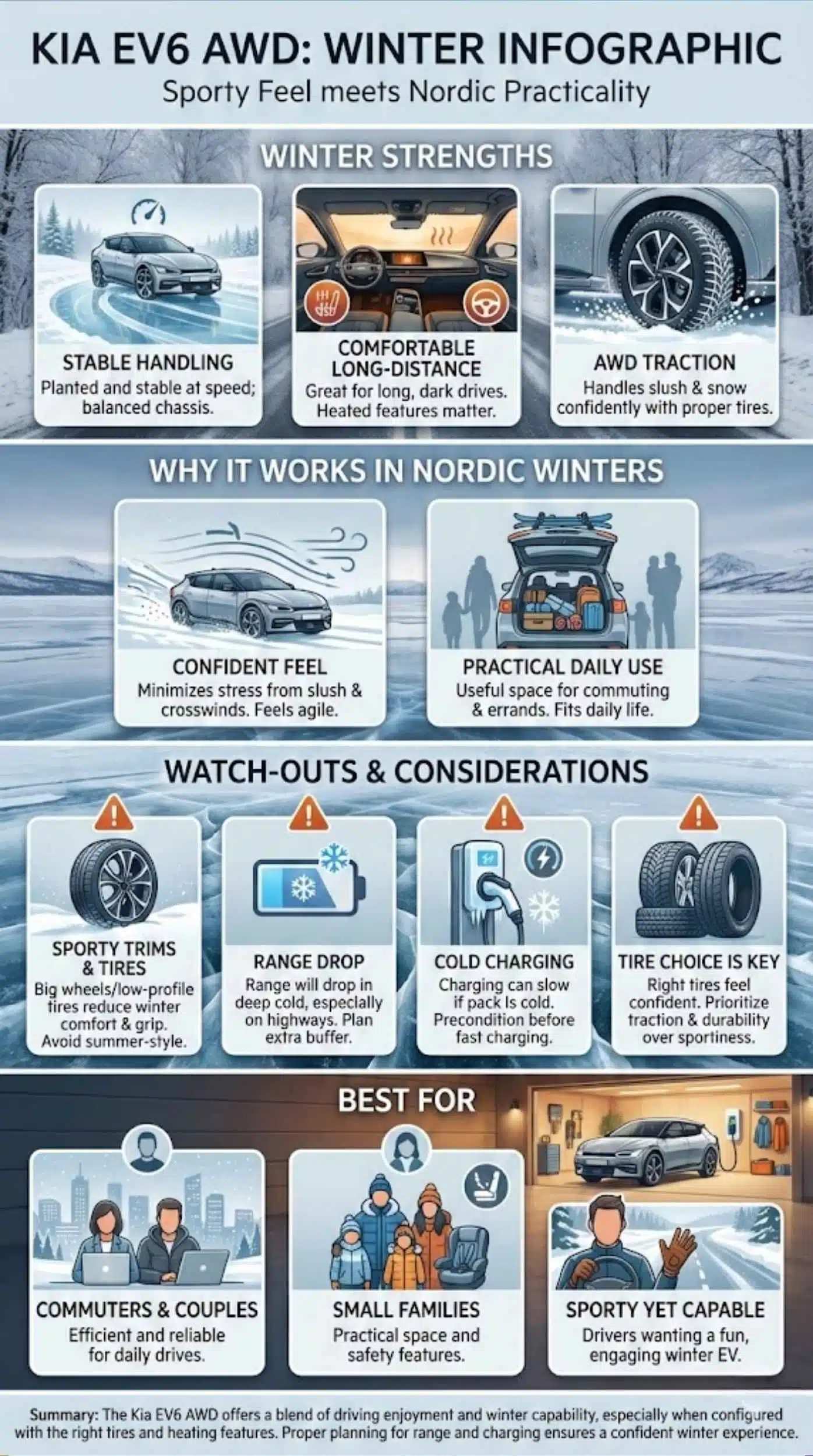
The EV6 is a good option for drivers who want a sporty feel without giving up winter practicality. It often feels agile and stable. With AWD, it can handle snowy conditions well with proper tires. It is also a comfortable long-distance EV for many drivers. In winter, that long-distance comfort matters more than most people expect.
Like many EVs, winter behavior depends on setup. The right tires make it feel confident. The right heating features improve comfort and range. The right charging habits reduce delay in the cold. If you want a winter EV that still feels fun to drive, EV6 can fit that role.
| Kia EV6 AWD Winter Summary | Notes |
| Main strengths | Stable handling, strong comfort, good winter usability |
| Main tradeoffs | Sporty trims may use tires less ideal for winter roads |
| Best for | Drivers who want a lively feel with winter capability |
Why It Works In Nordic Winters
An EV that feels stable at speed is valuable in winter. Slush can pull at your steering. Crosswinds can add stress. A balanced chassis helps you stay relaxed. EV6 tends to deliver a confident driving feel when configured well. Cabin comfort features also matter on long dark drives.
It is also practical enough for daily use. Cargo space and seating are useful. It can handle commuting and errands easily. With AWD and winter tires, it can handle typical Scandinavian winter conditions confidently.
Winter Strengths
This model balances everyday life and driving enjoyment. It can feel planted and stable. It can be comfortable for long winter trips. Heated features help reduce energy waste. With AWD, traction can feel secure in snow.
- Stable winter driving feel with good tires
- Comfortable cabin for longer cold-weather trips
- Heated features for efficient warmth
- AWD traction for slushy city streets and rural roads
- Practical daily usability with sporty personality
Watch-Outs
Sporty trims can come with big wheels and low-profile tires. That is a winter risk for comfort and grip. Also, range will still drop in deep cold, especially on highways. Charging can slow if the pack is cold. Good planning solves most of these.
- Avoid summer-style tires and overly sporty setups in winter
- Choose sensible wheel size for winter comfort and durability
- Plan extra range buffer for wind and slush
- Precondition before fast charging in deep cold
- Always prioritize traction and braking over speed
Best For
It is best for drivers who want a winter-capable EV that still feels engaging. It suits commuters, couples, and small families. It also fits drivers who want a sporty vibe without losing winter practicality.
6. Volvo EX30 (AWD Variant Where Available)
The Volvo EX30 is a strong match for Nordic city life. Smaller vehicles can feel easier in winter. They are easier to park when snow eats curb space. They are easier to control on narrow winter streets. They can also be efficient, which helps range in cold conditions.
Volvo’s brand identity aligns with Scandinavian safety culture. That matters in winter because visibility, stability, and predictable behavior reduce risk. If you want a compact EV that can still handle snowy weekend trips, an AWD-capable EX30 can be appealing.
| Volvo EX30 Winter Summary | Notes |
| Main strengths | Compact for cities, safety focus, efficient everyday use |
| Main tradeoffs | Smaller battery versions may need more winter charging stops |
| Best for | Urban and suburban drivers who still need winter traction |
Why It Works In Nordic Winters
Compact size can be a winter advantage. It helps control and reduces stress. A smaller EV can also warm up quickly and use less energy in stop-and-go. The EX30’s design focus can suit daily winter driving. Heated features and defrosting support can improve comfort fast.
It also fits weekend life. People in Scandinavia often travel for skiing, cabins, or outdoor time. A compact EV can still do that with planning. AWD helps if your route includes snowy roads and steep driveways.
Winter Strengths
This model aims to make winter driving feel manageable. It can be easier to place on icy roads. It can handle city streets well. It can also feel efficient, which helps winter range. With the right tires, traction can feel secure.
- Compact size for snowy parking and narrow winter streets
- Safety-first focus that matches Nordic driving priorities
- Efficient daily driving that can reduce winter range stress
- AWD option for traction in slush and snow
- Practical interior for daily commuting and short trips
Watch-Outs
Battery size matters more in winter. If you choose a smaller battery version, you need more planning for longer trips. Also, compact EVs can feel more affected by strong crosswinds depending on weight and design. The solution is simple: keep a buffer and slow a bit in harsh conditions.
- Smaller batteries can feel tight in deep winter on highways
- Plan charging stops more carefully on longer routes
- Choose high-quality winter tires for best results
- Expect higher consumption in headwinds and slush
- Make sure winter heating features match your needs
Best For
It is best for city drivers and commuters. It also suits people who want a second household car that handles winter well. With AWD and the right tires, it can also handle weekend winter travel confidently.
7. Rivian R1S (Dual Or Quad Motor, Where Available)
If your winter includes deep snow, unplowed roads, or remote travel, you may want a more rugged EV. The Rivian R1S is designed for outdoor life. It offers strong traction options and practical space. It also offers ground clearance that can be useful when snow piles up. For some lifestyles, that is the difference between “maybe” and “go.”
This is not for everyone. It is large, and large vehicles often use more energy. In winter, that can mean more charging or less range. Availability and service support may also vary. But for drivers who need real winter capability, it can be a standout.
| Rivian R1S Winter Summary | Notes |
| Main strengths | Deep-snow ability, ground clearance, space, strong traction systems |
| Main tradeoffs | Market availability, size, and winter energy use |
| Best for | Rural regions and outdoor-heavy winter lifestyles |
Why It Works In Nordic Winters
Some winter conditions demand more than “AWD and hope.” Deep snow and uneven roads need clearance and strong control. The R1S is built for that. It can handle cabin trips, ski trips, and gear-heavy travel. It can also help drivers who need to tow or carry lots of equipment.
It also offers comfort for long winter drives. Space and seating can reduce stress. Higher driving position can help visibility. With good tires, traction can be strong. If your winter is adventurous, it fits.
Winter Strengths
This model is built for harsh conditions. It can handle deep snow better than many EVs. It can carry lots of gear easily. It can also feel stable on rough winter roads. If your winter life includes remote travel, that matters.
- Strong traction capability for snow and slippery roads
- Ground clearance for deeper snow and rutted slush
- Large interior space for families and winter gear
- Useful for outdoor travel and cabin routes
- Confident presence on rough winter surfaces
Watch-Outs
A larger EV can consume more energy in winter. That means you must plan routes and charging more carefully. Service support matters because winter problems are not fun if help is far away. Also, large tires and heavy weight can be expensive. Choose your winter setup carefully.
- Higher winter energy use compared to smaller EVs
- Plan charging and range buffer for remote routes
- Availability and service footprint can vary by market
- Tires and maintenance may cost more
- Size can be less convenient in tight winter cities
Best For
It is best for rural drivers and outdoor-heavy families. It is also great for cabin travel and deep snow routes. If your winter is rugged and your budget allows, it can be one of the most capable options.
8. Subaru Solterra (AWD)
Subaru is known for winter-friendly traction, and the Solterra keeps that identity with standard AWD positioning. It can be appealing to drivers who prioritize predictable winter control. It is also a simple, practical choice for commuting and daily winter driving. For many people, winter confidence matters more than chasing the biggest range number.
Still, you must be honest about your needs. If you do frequent long highway trips in deep winter, efficiency and charging behavior matter. For city and suburban driving with home charging, it can feel much easier. If your routes are moderate and you value traction confidence, it can fit well.
| Subaru Solterra Winter Summary | Notes |
| Main strengths | AWD traction mindset, predictable winter behavior, simple daily use |
| Main tradeoffs | Range and efficiency may lag some rivals; planning helps |
| Best for | Commuters who want winter confidence and straightforward ownership |
Why It Works In Nordic Winters
Many winter drivers want a vehicle that feels stable and predictable. The Solterra aims for that kind of confidence. With the right tires, it can handle winter commuting well. AWD can help in snow and slush. Winter driving is also about reducing stress, and predictable control helps.
It can also suit daily life well. It is practical in size. It can handle errands and commuting comfortably. If you charge at home, winter becomes much easier. For many drivers, that is the key.
Winter Strengths
This model is built around winter traction as a core identity. It can feel secure in poor weather. It can be comfortable for daily driving. It can also be a good choice for drivers who prefer a straightforward approach to winter conditions.
- AWD traction focus for snow and slush
- Predictable control that can reduce winter stress
- Practical daily size for commuting and errands
- Works well with proper winter tires
- Simple winter ownership experience for many drivers
Watch-Outs
If you do many long winter highway trips, efficiency matters. Charging and winter range planning can become more important. Also, winter comfort depends on heating features and preconditioning support. Make sure you check the trim and the winter features before you buy.
- Winter range planning matters more on long highway routes
- Efficiency may be lower than top winter efficiency leaders
- Cold-soaked charging can be slower without strong thermal support
- Choose winter tires and correct tire pressures
- Plan a winter buffer for wind, slush, and heat use
Best For
It is best for commuters and everyday winter drivers who value traction confidence. It also suits drivers who have home charging. If your winter driving is mostly local to regional, it can be a practical fit.
Winter Range And Charging: What Actually Changes Below 0°C
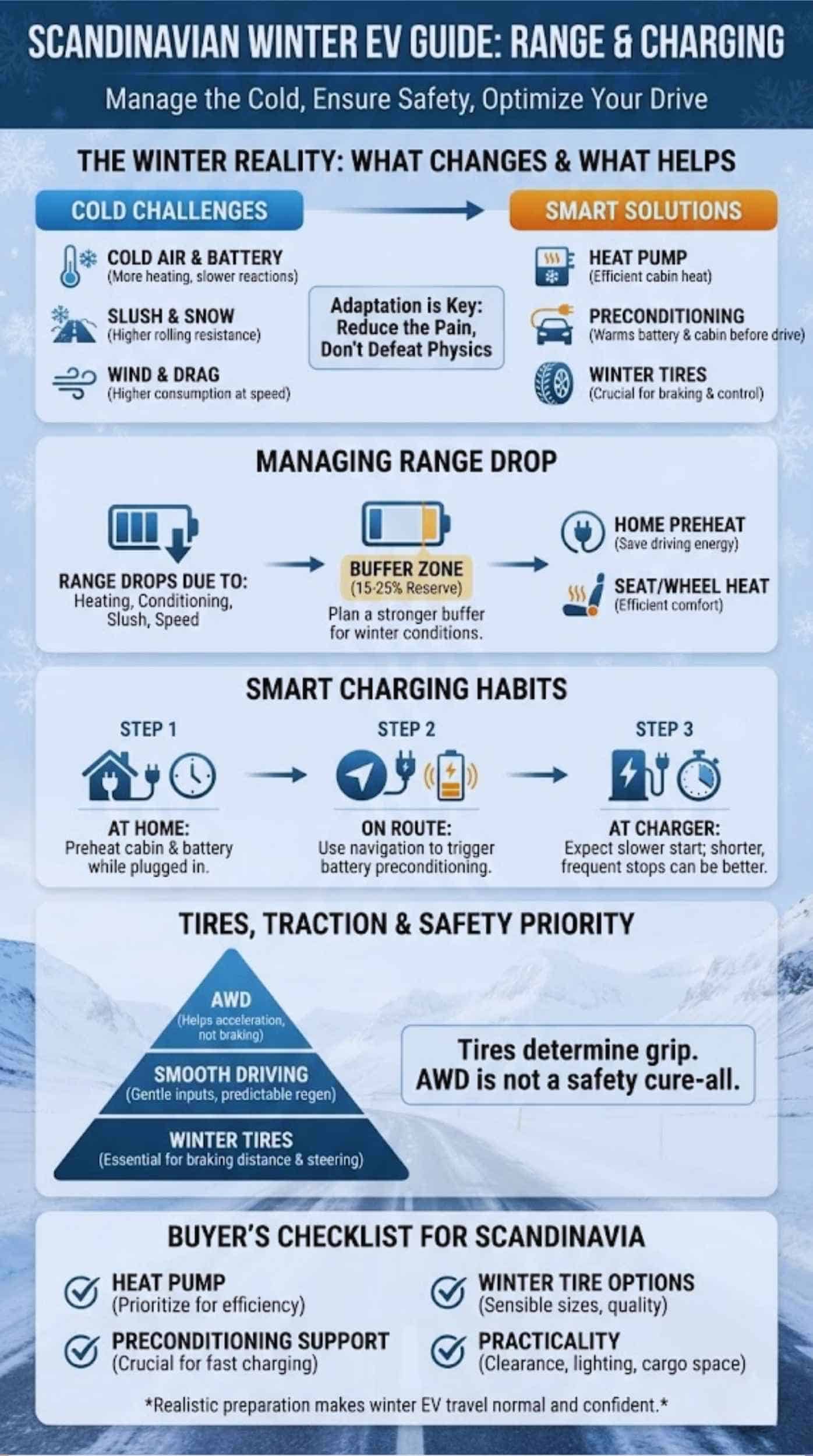
Winter changes EV behavior in predictable ways. The battery chemistry works best in a moderate temperature range. Cold slows down the chemical reactions inside the pack. The car also spends energy warming the pack and the cabin. On top of that, winter roads often have more resistance due to slush and snow. All of this adds up.
The good news is that you can manage most of it. You cannot “defeat” winter physics, but you can reduce the pain. Smart heating habits help. Preconditioning helps. Better tires help. Planning helps. Once you adapt, winter EV travel becomes normal.
| Winter Factor | What Changes | What Helps |
| Cold air | More heating demand | Heat pump, seat and wheel heat |
| Cold battery | Slower charging, lower performance | Battery preconditioning |
| Slush/snow | Higher rolling resistance | Slower speed, correct tire pressure |
| Wind | Higher drag at highway speeds | Buffer range, adjust speed |
| Short trips | More warm-up energy per km | Preheat while plugged in |
Why Range Drops (And How Much)
Range drops because the car uses more energy for heat and battery conditioning. The colder it gets, the more the car works to stay warm. Range loss also grows at higher speeds. Slush and snow can hit range hard. This is why two winter trips can have very different results, even at the same temperature.
Short trips can be the worst. The car spends a lot of energy warming the cabin and pack. By the time it is efficient, the trip ends. If you only do short trips, home charging and preheating make a big difference.
Practical winter advice is simple: plan a buffer. If your summer comfort zone is arriving with 10%, consider arriving with 15% to 25% in winter, depending on route and conditions.
Heat Pump Vs Resistive Heating
Resistive heating turns electricity directly into heat. It works well, but it can use a lot of energy. A heat pump moves heat instead of creating it in the same way. That usually makes it more efficient in many winter temperatures. In practical terms, that can mean more usable range and less anxiety.
Heat pumps are not perfect in every condition. In very deep cold, systems may rely more on backup heating. Still, for typical Scandinavian winter temperatures, a heat pump often helps. If you road trip often, it is a feature worth prioritizing.
If your EV lacks a heat pump, you can still do winter well. You just use more seat heating, preheat when plugged in, and plan a stronger buffer.
Why Fast Charging Slows Down In The Cold
Fast charging needs the battery to be warm enough. A cold battery will limit charging power to protect itself. That is why you might see slow charging after the car sits outside for hours. It is also why preconditioning is so valuable. Preconditioning warms the pack before you arrive at a fast charger.
Highway driving can help warm the pack, but not always enough. If you navigate to a fast charger in many EVs, the car may automatically prepare the pack. That can turn a slow charging stop into a normal one. If your EV supports this, learn how it works.
Also remember that charging speed is a curve, not a fixed number. Cold can lower the peak and shorten the strong part of the curve. You may need an extra few minutes. That is normal in winter.
Winter charging gets easier if you build a routine. The goal is to keep the battery warmer and reduce wasted heating energy. Small habits help a lot. You do not need complicated tricks. You just need consistency.
- Preheat the cabin while still plugged in at home
- Use route planning so the car can precondition for fast charging
- Arrive at chargers with enough buffer so you are not forced to rush
- Do shorter, more frequent charging stops if charging speed is reduced
- Keep snow and ice away from charge ports and door seals
| Winter Charging Tip | Benefit |
| Preheat while plugged in | Saves battery energy for driving |
| Precondition before DC charging | Improves charge speed and consistency |
| Keep a buffer | Reduces stress if conditions worsen |
| Shorter charging sessions | Often more time-efficient in cold |
| Keep ports clear | Prevents delays and connection issues |
Tires, Traction, And Safety (The Real Winter Upgrade)
If you want winter confidence, start with tires. Tires determine braking distance and steering control. AWD does not change braking physics. Winter roads punish cheap tires and worn tread. In Scandinavia, winter tires are not just a “nice to have.” They are a safety tool.
Winter also changes driving style. Smooth inputs matter. Gentle acceleration matters. Calm steering matters. Predictable regen matters too. A good winter EV helps you drive smoothly. But your tires and habits do most of the work.
| Winter Safety Priority | Why It Matters Most |
| Winter tires | Better braking, steering, and traction |
| Correct tire pressure | Improves stability and reduces drag |
| Smooth driving style | Reduces slip and improves control |
| Clear visibility | Crucial in dark, wet winter conditions |
Winter Tires Vs All-Season: What Matters Most
All-season tires are a compromise. In real winter conditions, that compromise can become risky. Winter tires use rubber that stays flexible in low temperatures. They also have tread patterns designed for snow and slush. This usually means shorter stopping distances and better control.
If you drive on packed snow or ice often, winter tires make the EV feel like a different vehicle. They also help reduce traction control “fighting” because the tire itself grips better. That can improve stability and reduce stress.
Also pay attention to tread depth. Winter traction drops fast when tread is low. Do not wait until tires are nearly worn out.
Studded Vs Studless (Nordic Tradeoffs)
Studded tires can provide strong grip on glare ice. They can be helpful in regions with frequent ice and less salted roads. They also come with tradeoffs. They are louder. They can wear roads more. Some cities restrict them in certain periods.
Studless winter tires can be excellent in mixed conditions. They often feel smoother and quieter. They can perform very well on snow and wet cold roads. On pure ice, studs may still have an edge. The right choice depends on where you drive most.
If you commute in a city that salts roads often, high-quality studless tires may be a great match. If you live rural with frequent ice, studs may make sense.
Regenerative Braking On Ice
Regen is useful, but in winter it needs respect. Strong regen can feel like sudden braking when you lift off the accelerator. On ice, sudden braking can trigger slip. Many EVs allow you to reduce regen or activate a snow mode that softens torque and regen behavior.
A smart winter habit is to keep inputs smooth. Ease off the accelerator gently. Increase following distance. Use friction brakes smoothly when needed. If your EV allows “low regen” in winter, try it on icy days.
Also remember that traction control and stability systems help, but they cannot create grip. Tires create grip. Smooth driving preserves it.
AWD Myths
AWD helps you accelerate without spinning as much. That is helpful in snow. But AWD does not shorten braking distance the same way tires do. The biggest winter risk is not “getting stuck.” It is losing control or not stopping in time. That is why tires and speed matter most.
Also, AWD systems differ. Some respond faster than others. Some feel smoother in slush. But even the best AWD cannot overcome poor tires. If you want true winter confidence, do tires first, then choose AWD.
| AWD Myth | Reality |
| AWD makes you safe on ice | Tires and braking control matter more |
| More power solves winter | Smooth control is more important than power |
| Range is the only EV winter issue | Charging and stability also matter |
| Winter mode is optional | It can improve predictability on slick roads |
Buying a winter EV gets easier when you start with your real life. Where do you drive most? How often do you go long distances? Do you have home charging? Do you park outside? Do you carry ski gear often? These questions shape what “best” means.
Many people choose an EV based only on battery size. That can be a mistake. A smaller battery EV with strong efficiency, heat pump, and home charging can feel easier than a bigger battery EV that wastes energy in winter.
Use this checklist to avoid regrets. It is built to match real Scandinavian use cases.
| Checklist Item | What To Check |
| Heating system | Heat pump, heated seats, heated wheel, defrost strength |
| Battery management | Preconditioning support and how it is activated |
| Traction | AWD availability and winter drive mode behavior |
| Tires and wheels | Winter tire options, sensible wheel sizes |
| Charging access | Home charging, workplace charging, nearby fast chargers |
| Practicality | Cargo, roof rails, tow needs, visibility, ground clearance |
If You Live In A City
City winter driving is often about short trips and frequent stops. That can increase heating demand per kilometer. It also means parking can be tight when snow piles up. A smaller EV can be easier. Efficient heating matters a lot. Heated seats can keep you warm without blasting cabin heat. Good defrosting matters because city air is often humid.
A city EV also benefits from easy maneuverability. Parking in snow is stressful enough. A compact shape helps. If you rarely do long trips, you can prioritize ease and comfort over huge battery size.
If You Live Rural
Rural winter driving changes the priority list. Distances are longer. Chargers may be farther apart. Roads may be less maintained after storms. Ground clearance can matter more. Strong winter tires matter even more. Range buffer becomes a daily habit, not a rare one.
If you live rural, prioritize winter reliability. You want stable highway manners. You want battery preconditioning for fast charging. You also want a practical cabin that stays warm without wasting too much energy.
If You Park Outside Overnight
Outdoor parking adds a “cold-soak” effect. The car and battery start colder. Cabin warm-up takes more energy. Fast charging may start slower because the pack is cold. This is where preconditioning and preheating routines become essential.
If you park outside, build a winter routine. Preheat the cabin before leaving. Use seat heating. Keep door seals clean. Keep the charge port area clear of ice and snow. These small steps can prevent annoying problems.
If You Tow Or Carry Winter Gear Often
Winter travel often includes gear. Skis, boards, boots, bags, and heavy clothing take space. Roof boxes and racks can add drag and reduce range. Towing also reduces range. In winter, those effects stack with cold-weather consumption.
If you tow or carry gear often, prioritize cargo space and roof rails. Also prioritize a strong winter range buffer. Choose an EV that stays stable under load. And plan charging with extra margin, especially on windy highways.
Questions To Ask Before You Buy
These questions prevent most winter regrets. Ask them before you sign anything. Ask them again when choosing a trim. Ask them when selecting wheels. Winter comfort often depends on trim-level details.
- Does this trim include a heat pump?
- Does it support battery preconditioning before DC fast charging?
- Can you reduce regen or enable a snow mode?
- What winter wheel and tire sizes are best for this model?
- How far do you drive between chargers in winter conditions?
| Question | Why It Matters |
| Heat pump included? | Can reduce winter heating energy use |
| Preconditioning supported? | Helps fast charging consistency |
| Regen adjustable? | Improves predictability on ice |
| Winter tire options? | Tire availability affects safety |
| Real winter route mapped? | Prevents range anxiety surprises |
Common Mistakes That Ruin Winter EV Experience
Most winter EV frustration is avoidable. People often blame the EV when the real issue is routine or setup. The biggest mistakes are predictable: wrong tires, no preconditioning, unrealistic speed expectations, and poor heating habits. Winter is harsh, but it is also consistent. If you adapt, EV winter driving becomes simple.
This section is here to save you time and stress. If you avoid these mistakes, you will likely enjoy winter EV life. You will also protect your battery and improve safety.
| Common Mistake | What Happens | Better Habit |
| Skipping preconditioning | Slow charging and higher energy use | Preheat and precondition consistently |
| Wrong tires | Poor braking and steering | Quality winter tires, correct pressure |
| Over-speeding in slush | High consumption and higher risk | Smooth driving and sensible speed |
| Using cabin heat inefficiently | Faster range drop | Seat and wheel heat + smart cabin temp |
| No buffer | Stress and rushed decisions | Keep extra margin in winter |
Not Preconditioning (Then Blaming The Charger)
Many drivers arrive at a fast charger with a cold battery. The charger is ready, but the battery is not. The car limits charging to protect the pack. That feels like “the charger is slow,” but it is often a battery temperature issue.
The fix is simple. Use route planning so the car can warm the battery. If your EV has a manual preconditioning option, learn it. Also, do not wait until the battery is very low in winter. Arriving with a small buffer gives you flexibility.
Preconditioning also improves comfort. You can warm the cabin while plugged in at home. That saves battery energy for driving.
Underestimating Slush And Headwinds
Slush acts like drag on your tires. It increases rolling resistance. Strong headwinds increase air drag, especially at highway speeds. Together, they can push consumption much higher than expected. This is why winter range can feel unpredictable if you do not plan for conditions.
The best solution is speed management and margin. Dropping speed slightly can protect range a lot. Keeping a buffer reduces stress. Also, avoid last-minute detours with a low battery in harsh weather. Winter is the season for planning.
Buying The Wrong Wheels And Tires
Big wheels can look great, but winter is not a fashion show. Bigger wheels often mean thinner tire sidewalls. That can reduce comfort on rough winter roads and increase the risk of wheel damage. It can also limit your winter tire options.
A sensible winter setup usually includes smaller wheels with thicker tire sidewalls. It improves comfort and durability. It can also improve traction and control. Always choose tires and wheels based on winter needs first.
Heating The Cabin Inefficiently
Cabin heating uses energy. If you blast heat at maximum, range drops faster. A better approach is to use heated seats and a heated steering wheel. These warm your body directly and can feel comfortable at lower cabin temperatures.
Also, preheat while plugged in. That gives you a warm cabin without spending driving energy. Use defrost wisely. Keep windows clean and dry. These small habits make winter driving easier and safer.
Choosing the right EV for a harsh Scandinavian winter is about matching features to real life. You want stable traction, efficient heating, and a battery that can prepare itself for fast charging. You want good defrosting and visibility in darkness and wet cold. You also want practical space for winter routines, from boots to skis.
The best EVs for winter driving are not always the ones with the biggest batteries. They are the ones that waste less energy, charge more predictably, and feel calm on slushy roads. Winter tires remain the single biggest upgrade for safety. Preheating and preconditioning reduce stress and protect range. A sensible buffer turns winter driving into a normal routine.
FAQs
Range loss depends on temperature, speed, wind, slush, and heating use. A mild winter day around freezing can reduce range moderately. A deep cold day with strong wind can reduce it more. Highway driving increases losses because air drag rises fast with speed. Short trips can also be inefficient because the car spends energy warming up.
The simplest advice is to plan a winter buffer. Treat winter range as a different season of driving. Once you do that, anxiety drops.
Also remember that different EVs handle winter differently. Efficiency, thermal management, and heating system design all matter.
Which EV Has The Best Winter Range Retention?
There is no single winner for everyone. EVs that are efficient and manage heat well tend to retain range better. Heat pumps can help in many winter conditions. Battery preconditioning and good thermal control also support winter usability.
The best way to choose is to match the EV to your routes. If you do long highway drives, prioritize efficiency and thermal features. If you do mostly city driving with home charging, smaller and efficient EVs can feel great.
Do I Really Need A Heat Pump For Nordic Winters?
You do not “need” it, but it often helps. A heat pump can reduce how much energy the car spends on heating in many winter conditions. That means better usable range and sometimes better comfort. If you park outside a lot or do frequent long trips, it becomes more valuable.
If your EV does not have a heat pump, you can still do winter well. You just rely more on preheating while plugged in and using seat and wheel heating.
What’s The Best EV For Snow And Ice—AWD Or Tires First?
Tires first. Tires affect braking and steering, which are the safety-critical parts of winter driving. AWD helps you accelerate and avoid getting stuck, but it does not replace good grip. If you want the biggest winter improvement, buy great winter tires and keep them in good condition.
After that, AWD can add confidence, especially in slush and deeper snow.
How Do I Fast-Charge An EV In Sub-Zero Temperatures?
Use battery preconditioning whenever possible. Navigate to the charger using the car’s route planner if it triggers pack warming. Avoid arriving with a cold-soaked battery after hours of parking. If you must fast charge after a cold soak, expect a slower start and a longer stop.
Also keep your charge port and cable area free from ice. Winter is the season for small practical habits.
Are EVs Reliable When Parked Outside Overnight In Extreme Cold?
They can be reliable, but you must adapt. Cold reduces efficiency and can slow charging until the pack warms. Preheating and a buffer solve most issues. Keep door seals clean, keep the car reasonably charged, and use winter-rated washer fluid and wipers.
If you park outside daily, prioritize models with strong thermal management and practical winter design.