Your fleet hits roadblocks every day. Drivers race the clock, yet routes stall in heavy traffic. High fuel bills and late packages frustrate you and your clients. Manual route planning feels like map guessing.
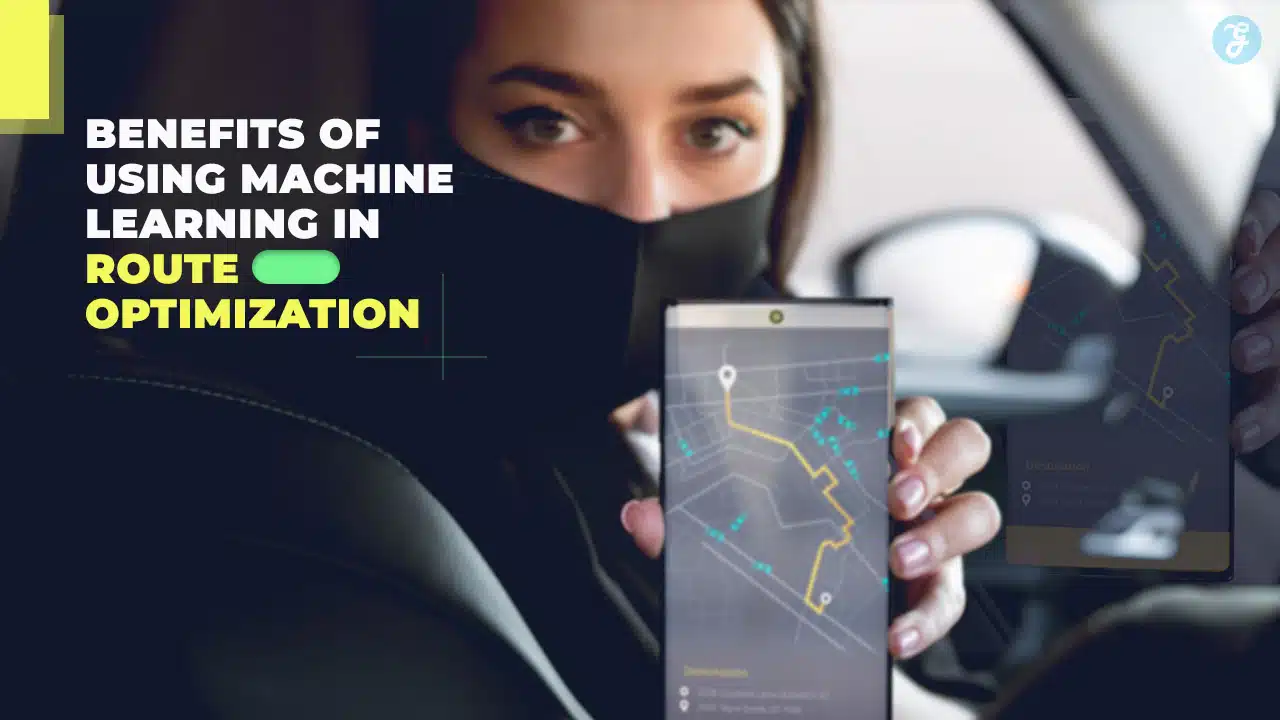
UPS cuts fuel use by millions of gallons with ai route optimization and machine learning algorithms. This post shows the Benefits Of Using Machine Learning In Route Optimization for real cost wins and fast delivery.
You will see how predictive analytics and location data help adapt routes in real time. Learn steps to save money and thrill customers. Keep reading.
Key Takeaways
- UPS uses AI route optimization (ORION, launched in 2015) to save millions of gallons of fuel each year and cut 10,000 metric tons of CO₂ annually.
- Amazon’s neural networks and FedEx’s machine learning tools boost on-time rates, deliver accurate ETAs up to 95 percent, and cut operational costs.
- Real-time feeds from GPS, IoT sensors, weather data, and delivery histories let systems reroute trucks instantly, reduce idle time, and lower mileage.
- Cloud-based predictive analytics and evolutionary solvers scale to thousands of stops, letting fleets double delivery volumes without extra planners.
- A 2023 report shows AI route planning cuts planning errors by 30 percent, and eco-friendly models can slash carbon emissions by up to 15 percent.
Cost Savings Through Fuel Efficiency
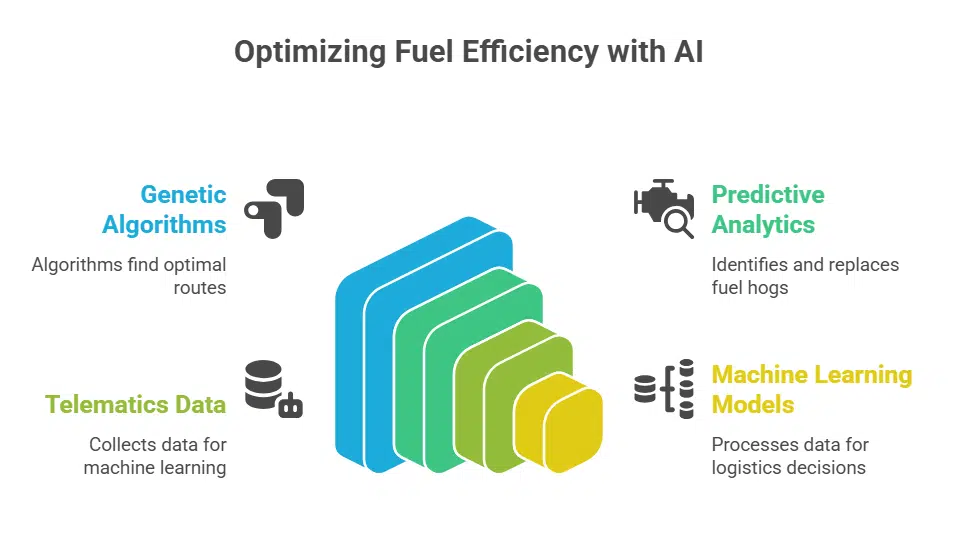
UPS cuts millions of gallons of gas each year with AI route optimization. Fleets tap genetic algorithms and a* search algorithm to carve leaner paths, slash fuel consumption and trim bills.
Route planning software taps predictive analytics to spot fuel hogs and swap them out.
Telematics systems and internet of things sensors feed machine learning models with huge datasets. Smart algorithms churn that information fast, picking cost-effective logistics moves in seconds.
Lower fuel spend also cuts maintenance fees and shrinks transportation costs.
Improved Delivery Times and Reduced Mileage
Smart route planning uses predictive analytics to forecast traffic patterns, slash transit times, and cut fuel consumption. Algorithms like Dijkstra’s and genetic methods map shortest paths, trimming redundant miles on each run.
This boost in delivery efficiency speeds up last-mile delivery and shrinks delivery windows in busy neighborhoods.
Amazon deploys neural networks and big data to dodge traffic jams and trim delays in its massive delivery fleet. FedEx reports higher on-time rates, lower operational costs, and major savings from its machine learning powered ai route optimization tools.
It feels like each truck gains a sixth sense for road delays.
Real-Time Traffic Adaptability
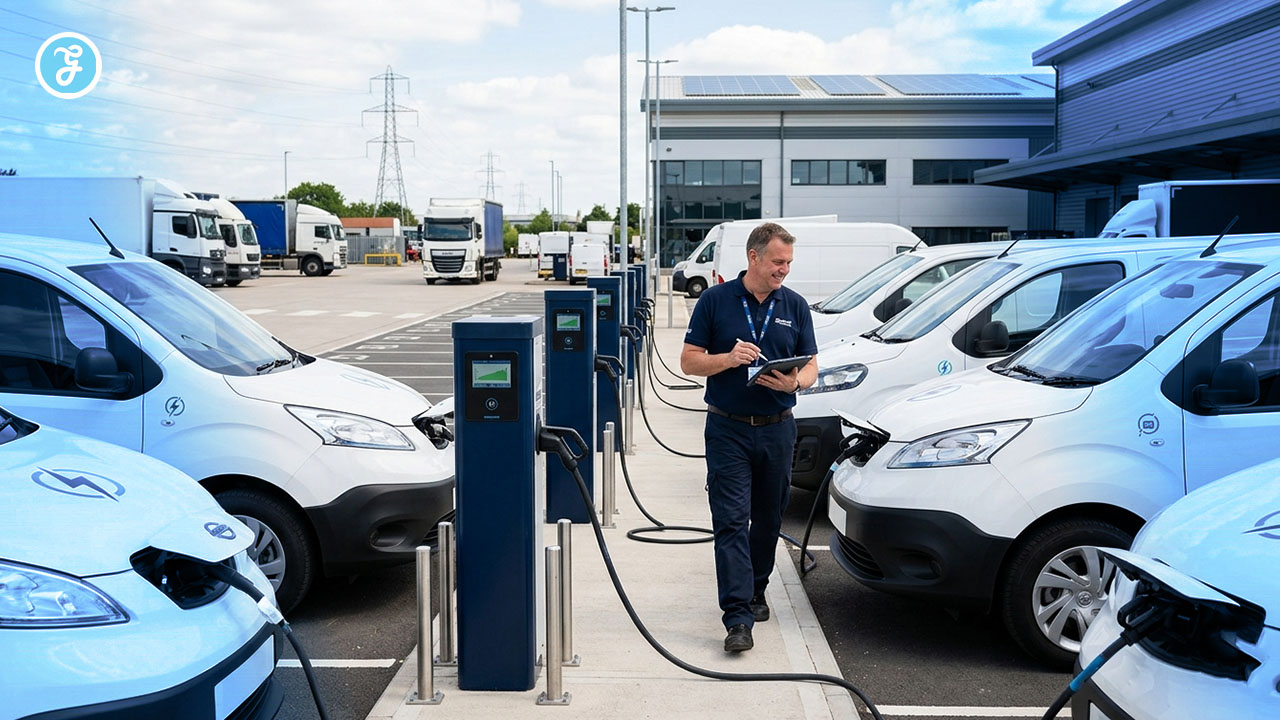
A system taps into real-time data from GPS sensors, IoT devices, weather feeds, and delivery histories. It spots slow traffic patterns and reroutes trucks onto faster roads. This dynamic routing trims idle time and cuts miles in daily logistics operations.
Logistics managers view live maps and alerts on an AI route optimization platform. They use predictive analytics and machine learning to boost route planning. Freight teams save fuel and speed up shipments across the supply chain.
Dynamic Routing for Changing Conditions
Dynamic routing adapts to fluctuating fuel prices and shifting traffic patterns. It spots road closures and shifts paths in seconds. The system taps GIS maps, IoT sensors, and real-time data feeds.
The platform factors in weather patterns and delivery schedule changes to lower idle time and cut fuel consumption.
Algorithms test route updates fast. A shortest-path routine and route-planning heuristics compare new paths. Layered data nets and reinforcement learning boost delivery efficiency.
Machine learning scales to handle hundreds of trucks with varied capacities. This agile setup cuts costs and boosts resource utilization.
Enhanced Resource Allocation and Utilization
Machine learning algorithms allocate trucks and drivers based on demand forecasting and past sales trends. Sensor data analysis flags engine wear before it causes breakdowns. Predictive maintenance cuts downtime and repair costs in fleet management.
Managers use ai route optimization tools to plan routes that fit traffic congestion and fuel efficiency goals.
Data analytics boost operational efficiency and delivery efficiency. Internet of things (iot) sensors feed live data into route planning systems. Inventory optimization methods apply market factors to match stock with upcoming orders.
Analytics dashboards guide resource allocation and strategic decisions on fleet size.
Scalability for Increasing Delivery Volumes
AI route optimization scales like adding lanes to a highway. It handles thousands of stops without slowing down. Traditional route planning systems hit walls at high delivery volumes.
They buckle under complex vehicle routing problems.
Cloud-based predictive analytics and machine learning models crunch real-time data fast. They adapt to new traffic patterns and weather updates in seconds. Fleets can double deliveries without extra planners.
Heuristic solver and evolutionary solver methods drive dynamic routing. These tools keep routes tight, cut delivery times, and trim operational costs.
Better Customer Satisfaction with Accurate ETAs
Machine learning models sort traffic patterns, real-time data, and historical trends to predict arrival times with pinpoint accuracy. Sensors feed apps road closure alerts, weather shifts, and delivery windows.
This optimization cuts guesswork, raising on-time deliveries to 95 percent. Customers see accurate ETAs on their mobile devices, they relax, they plan errands or family dinners. Fleet managers apply Dijkstra’s algorithm and geographic information systems to chart the fastest paths.
Accurate ETAs boost customer satisfaction and cut complaint volumes. Drivers rely on predictive analytics, genetic algorithms, and neural networks to stick to tight schedules. Customer service teams handle 30 percent fewer late-delivery queries.
Regular users praise reliable delivery times and accurate updates.
Reduced Carbon Emissions and Environmental Impact
Smart route planning boosts fuel efficiency. Fleet operators use predictive analytics on traffic patterns to pick the best roads. Eco-friendly ai route optimization can cut carbon emissions by up to 15 percent.
Geospatial analysis spots idle times, and trial-and-error learning models adapt to sudden closures. Brain-like systems forecast traffic snarls. An evolutionary solver tests thousands of paths in seconds.
Companies track diesel burn in real time. That drop in fuel use cuts environmental impact.
UPS launched ORION in 2015 and cut 10,000 metric tons of CO2 each year. Local fleets borrow the idea. Small haulers log fewer miles and slash tailpipe fumes. Deep nets handle weather and road data, saving gallons of gas.
Public bus lines add similar tools. Dispatchers see fewer idle minutes. Real-time GPS feeds guide every truck. That means less smog in city streets. These gains boost customer satisfaction and align with green goals.
Data-Driven Insights for Strategic Decisions

AI uses historical charts and real-time data to chart traffic conditions and adjust paths. It runs predictive analytics and genetic methods to spot slow zones and peak hours. The engine uses distance solver and heat-based search to test many options in seconds.
Planners get clear charts that fuel strategic route planning.
A 2023 report shows firms cut planning errors by 30 percent. This constant learning loop uses layered learning systems and reward-driven training to refine forecasts and link demand peaks to delivery windows.
It ties in fleet management and resource allocation, and it cuts carbon emissions. Leaders use these insights for high-value strategy.
Continuous Improvement Through Machine Learning Algorithms
Systems learn from new traffic pattern data each day. Engineers tune algorithms using trial-based learning and layered learning models. This iterative approach helps improve predictive analytics in route planning.
Ongoing evaluation of performance guides fine-tuning in evolutionary method modules. That process boosts artificial intelligence in last-mile delivery and cuts operational costs. Machine learning adapts routes for fuel efficiency and lower emissions.
Improved Handling of Complex Routing Scenarios
Drivers face multiple stops, road closures, and sudden traffic jams each day. Reinforcement learning tools refine route planning with real-time data and traffic conditions. Genetic algorithms test many route plans and pick the fastest path.
Ant Colony Optimization mimics insect trails to avoid blocked streets. Predictive analytics use historical data analysis and weather patterns to guess delays. AI route optimization boosts delivery efficiency and cuts fuel consumption.
Public transit and delivery fleets can slash 15% travel time with smarter plans.
Neural networks learn from driver performance and traffic patterns over time. Simulated annealing helps fleet managers escape poor routing loops. Bellman-Ford algorithm and Floyd-Warshall algorithm serve basic pathfinding but lack dynamic adaptions.
Breadth-First Search works well for simple maps, not for live updates. This smart setup handles road closures and delivery windows with ease. It also boosts resource allocation and improves customer satisfaction.
Teams cut 20% carbon emissions and trim transportation costs with these techniques.
Takeaways
This smart boost uses predictive analytics and search algorithms to shape fast paths, and it cuts fuel use by millions of gallons. It reads live traffic patterns and weather alerts to tweak plans on the fly.
Shippers win with fewer miles and faster drops, and happy folks tip the hat at precise times. Learning models soak up tons of data and solve tricky schedules in a snap. Teams can scale up with bigger fleets and still keep green goals on track.
FAQs on Benefits of Machine Learning for Route Optimization
1. What is ai route optimization?
It uses machine learning and artificial intelligence, to plan the shortest paths, track real-time data, and spot traffic patterns, all to boost route planning and keep delivery operations smooth.
2. How does predictive analytics help delivery operations?
It taps into historical data analysis, weather patterns, and traffic conditions to make sharp predictions, dodge road closures, and cut out negative cycles in your daily routes.
3. How can machine learning cut fuel consumption and carbon emissions?
By optimizing routes in real time, it fine-tunes vehicle capacity, boosts fuel efficiency, and brings down fuel consumption, which shrinks carbon emissions and eases the environmental impact.
4. Does ai route optimization boost customer satisfaction?
Yes, it nails delivery windows, speeds up last-mile delivery with dynamic routing, and tightens delivery schedules, which lifts customer experience and overall customer satisfaction.
5. What is the role of genetic algorithms and neural networks in route planning?
These metaheuristic methods tackle complex routing algorithms, they weave in reinforcement learning, allocate resources smartly, and jack up operational efficiency for logistics operations.
6. How does machine learning lower transportation costs?
By automating fleet management, it slashes operational costs, refines resource utilization, trims delivery times, and sharpens delivery efficiency without breaking a sweat.