Sustainability is no longer a luxury reserved for large corporations. Small businesses, too, are stepping up their eco-friendly initiatives, driven by the need to reduce costs, comply with regulations, and appeal to environmentally conscious consumers.
The good news? Going green doesn’t have to be expensive.
Implementing affordable green upgrades can significantly lower your operational costs, reduce your environmental impact, and enhance your business’s reputation. With the right strategies, you can create a sustainable workspace that benefits both the planet and your bottom line.
In this article, we’ll explore eight affordable green upgrades for small businesses, offering actionable tips and highlighting their potential impact.
Why Green Upgrades Matter for Small Businesses?
Before diving into the specific upgrades, let’s explore why sustainability should be a priority for small businesses.
Benefits of Going Green
- Cost Savings: Energy-efficient systems and waste reduction practices can lower utility bills and operational costs.
- Brand Reputation: Consumers are more likely to support businesses with eco-friendly practices.
- Regulatory Compliance: Adopting green practices helps businesses stay ahead of environmental regulations.
- Employee Satisfaction: Sustainable workplaces foster a positive work environment and attract talent.
1. Switch to Energy-Efficient Lighting
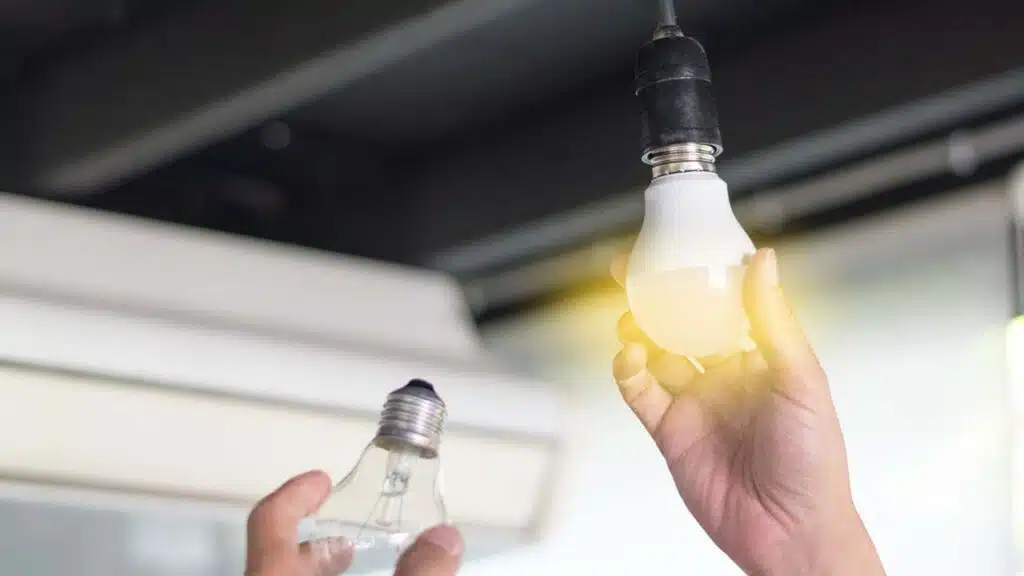
Energy-efficient lighting is one of the easiest and most impactful green upgrades for small businesses. Traditional incandescent bulbs consume a significant amount of energy and need frequent replacements, increasing both energy bills and operational costs.
Replacing them with energy-efficient options like LED (Light Emitting Diode) or CFL (Compact Fluorescent Lamp) bulbs can drastically reduce energy consumption. LEDs, for instance, use up to 75% less energy and last up to 25 times longer than traditional bulbs.
Beyond reducing electricity bills, energy-efficient lighting also decreases your business’s carbon footprint. With advancements in lighting technology, you can even explore options like dimmable LEDs, smart lighting systems, or motion sensors to further optimize energy use.
These systems ensure that lights are only on when needed, saving even more energy and costs. Adopting energy-efficient lighting not only benefits the environment but also contributes to significant long-term savings.
Benefits
- Energy Savings: LED bulbs use up to 75% less energy than incandescent bulbs.
- Longer Lifespan: LEDs last 25 times longer, reducing replacement costs.
- Reduced Carbon Footprint: Lower energy usage translates to fewer greenhouse gas emissions.
Cost Breakdown
| Lighting Type | Energy Consumption | Lifespan | Cost Savings Over Time |
| Incandescent Bulbs | High | 1,200 hours | Minimal |
| LED Bulbs | Low | 25,000 hours | Significant |
Implementation Tips
- Conduct a lighting audit to identify inefficiencies.
- Prioritize high-traffic areas for LED installation.
- Utilize motion sensors or timers to minimize unnecessary lighting.
2. Install a Programmable Thermostat
Heating and cooling systems are among the largest energy consumers in any workplace, often accounting for a significant portion of a small business’s utility bills.
A programmable thermostat is a cost-effective solution that allows you to control the temperature of your space more efficiently. These thermostats can be pre-set to lower or increase the temperature during specific hours, such as after work hours or during weekends, ensuring no energy is wasted when the space is unoccupied.
Advanced programmable models, including smart thermostats, allow for remote control via mobile apps, providing greater flexibility. They also provide real-time insights into energy usage, enabling small businesses to identify patterns and make further adjustments.
By optimizing heating and cooling schedules, a programmable thermostat can reduce energy bills by up to 10–15%. This upgrade is an easy step towards a more sustainable and energy-efficient workspace.
Benefits
- Energy Efficiency: Optimizes heating and cooling schedules.
- Cost Savings: Reduces energy bills by up to 10–15%.
- Convenience: Easy to adjust remotely using smart technology.
Cost Breakdown
| Thermostat Type | Average Cost | Potential Savings |
| Traditional | $50–$100 | Limited |
| Programmable/Smart | $100–$250 | High |
Implementation Tips
- Set the thermostat to lower heating or cooling during off-hours.
- Use zoning systems to control temperatures in specific areas.
- Monitor energy usage via smart features for further optimization.
3. Adopt a Paperless Office Policy
The idea of a paperless office has become increasingly practical and beneficial in the digital age. Transitioning to digital workflows not only reduces paper consumption but also streamlines operations, saving both time and money.
Small businesses can implement paperless practices by using cloud-based platforms for file storage, digital signatures for contracts, and electronic invoicing for billing. The environmental benefits are substantial—less paper usage reduces deforestation and the energy-intensive processes of paper production.
Moreover, a paperless office minimizes the clutter and cost associated with printing, storing, and managing physical documents. Employees can easily access and share information digitally, improving collaboration and productivity.
While the transition may require some initial training or investment in software, the long-term advantages far outweigh the costs. A paperless office is not only a step toward sustainability but also an enhancement of operational efficiency.
Benefits
- Waste Reduction: Minimizes paper usage and associated waste.
- Cost Savings: Reduces expenses on paper, ink, and maintenance of printers.
- Improved Organization: Digital files are easier to manage and retrieve.
Implementation Tips
- Use cloud-based platforms like Google Drive or Dropbox for file storage.
- Implement e-invoicing and digital signatures to streamline workflows.
- Educate employees on the benefits of reducing paper usage.
4. Install Low-Flow Water Fixtures
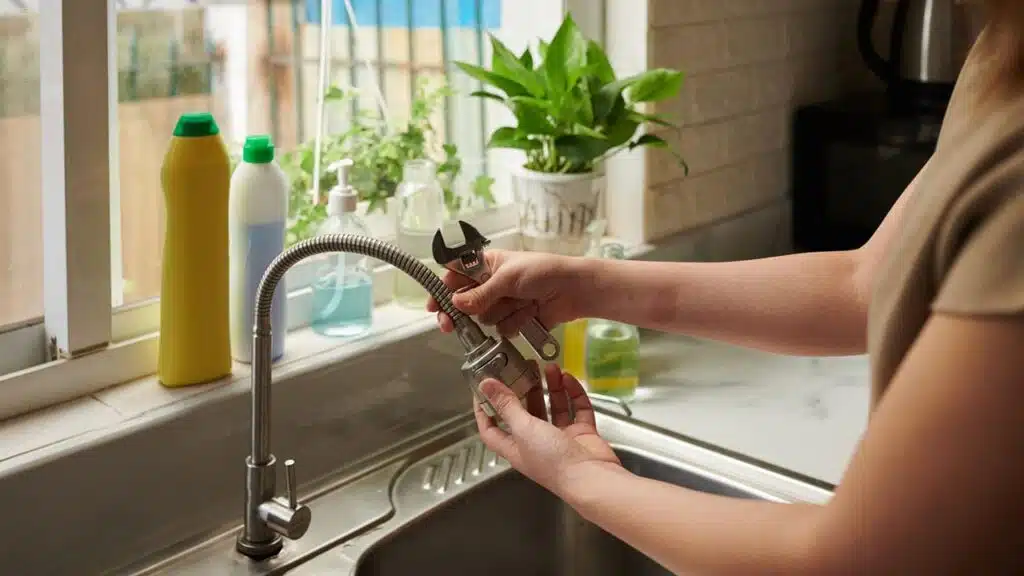
Water conservation is a critical component of any sustainability initiative, and installing low-flow water fixtures is an affordable and effective way for small businesses to make an impact.
Low-flow faucets, showerheads, and toilets use advanced technology to maintain strong water pressure while reducing water consumption by up to 50%. These fixtures are ideal for offices, retail spaces, or any business with bathroom or kitchen facilities.
Beyond conserving water, they also reduce water bills, offering financial savings alongside environmental benefits. Touchless or sensor-based fixtures further enhance efficiency by ensuring water flows only when needed, reducing wastage caused by human error.
In regions prone to droughts or water shortages, low-flow fixtures demonstrate your business’s commitment to sustainability. They are easy to install, durable, and provide immediate returns through cost savings and improved resource efficiency.
Benefits
- Water Savings: Reduces water consumption by up to 50%.
- Cost Savings: Lowers water bills.
- Environmental Impact: Helps conserve a valuable natural resource.
Cost Breakdown
| Fixture Type | Water Savings | Cost Range |
| Standard Faucet | Moderate | $30–$50 |
| Low-Flow Faucet | High | $50–$100 |
Implementation Tips
- Replace outdated fixtures with low-flow alternatives.
- Conduct regular maintenance to fix leaks promptly.
- Consider touchless fixtures for added convenience and hygiene.
5. Incorporate Sustainable Office Supplies
Switching to sustainable office supplies is an easy yet meaningful way to align your business operations with eco-friendly practices.
From using recycled paper to purchasing refillable pens and biodegradable cleaning products, there are countless ways to make your office greener. Sustainable supplies often have the added benefit of being durable, reducing the need for frequent replacements.
For example, opting for energy-efficient printers or durable filing systems minimizes waste and costs in the long run. Additionally, sourcing supplies from eco-conscious vendors demonstrates your business’s commitment to sustainability, which can resonate positively with employees, customers, and clients.
Encouraging employees to embrace sustainable practices, such as using both sides of a sheet of paper or opting for digital notes, further amplifies the impact. By auditing your current supply usage and making mindful purchases, your small business can make a significant environmental difference without significant costs.
Benefits
- Waste Reduction: Encourages the use of recycled materials.
- Cost Savings: Many sustainable products are durable and cost-effective.
- Brand Image: Demonstrates a commitment to sustainability.
Examples of Sustainable Supplies
- Recycled paper products.
- Refillable pens and markers.
- Energy-efficient appliances.
Implementation Tips
- Audit current supply usage and identify areas for improvement.
- Communicate with suppliers to source eco-friendly products.
- Promote a culture of sustainability among employees.
6. Use Renewable Energy Sources
Incorporating renewable energy sources into your business operations is a powerful way to reduce your environmental impact and long-term energy costs. While the upfront investment for solar panels might seem daunting, many government incentives and tax rebates are available to offset installation costs.
Once installed, solar panels can significantly reduce electricity bills, providing free energy from a sustainable source. If solar panels aren’t feasible, purchasing green energy from a renewable energy provider is another affordable option.
This involves choosing an electricity plan that sources power from wind, solar, or hydroelectric energy.
These initiatives not only decrease your reliance on fossil fuels but also enhance your business’s reputation as an environmentally conscious organization. Renewable energy sources are a long-term investment in both your business and the planet, offering financial and ethical returns.
Benefits
- Energy Savings: Solar panels generate free electricity after installation.
- Tax Incentives: Government grants and rebates often offset installation costs.
- Environmental Impact: Reduces dependence on fossil fuels.
Cost Breakdown
| Energy Source | Installation Cost | Long-Term Savings |
| Solar Panels | $5,000–$15,000 | High |
| Green Energy Purchase | Varies by provider | Moderate |
Implementation Tips
- Start with small-scale solar systems to power specific equipment.
- Explore local subsidies and incentives for renewable energy.
- Monitor energy production and usage to maximize efficiency.
7. Recycle and Compost Waste
Establishing a recycling and composting program is a straightforward yet impactful way for small businesses to embrace sustainability. By separating recyclable materials like paper, plastics, and metals, businesses can reduce landfill waste and minimize their environmental footprint.
Composting organic waste, such as food scraps and coffee grounds, further diverts waste from landfills and can even produce nutrient-rich compost for landscaping or community gardens.
Implementing these programs requires minimal investment—clearly labeled bins and employee training can go a long way in ensuring success. Partnering with local recycling and composting services simplifies the process and ensures proper disposal of waste.
Beyond the environmental benefits, recycling and composting programs also reduce waste disposal costs and enhance your business’s reputation as an eco-friendly entity.
Benefits
- Waste Reduction: Diverts recyclable and organic waste from landfills.
- Cost Savings: Reduces waste disposal fees.
- Employee Engagement: Encourages staff to participate in green initiatives.
Implementation Tips
- Provide clearly labeled bins for recycling and composting.
- Partner with local waste management companies for regular pickups.
- Educate employees on proper recycling and composting techniques.
8. Invest in Energy-Efficient Appliances
Replacing outdated appliances with energy-efficient models is a highly effective green upgrade for small businesses. Modern appliances, such as refrigerators, air conditioners, and office equipment, consume significantly less energy while offering improved performance.
Products with high Energy Star ratings guarantee energy efficiency and durability. For example, upgrading to an energy-efficient HVAC system not only reduces electricity usage but also ensures a more comfortable workspace.
Although the initial cost of these appliances may be higher, the long-term savings on energy bills and maintenance more than justify the investment. Government incentives and rebates for energy-efficient upgrades can further reduce upfront costs.
By conducting an energy audit, small businesses can identify inefficient appliances and prioritize replacements, making this upgrade both strategic and impactful.
Benefits
- Cost Savings: Lower energy consumption results in reduced utility bills.
- Environmental Impact: Reduces greenhouse gas emissions.
- Durability: Energy-efficient appliances often last longer.
Implementation Tips
- Prioritize replacing outdated appliances with energy-efficient models.
- Conduct an energy audit to identify inefficient equipment.
- Utilize government incentives for upgrading to eco-friendly appliances.
Final Thoughts
Adopting affordable green upgrades is a win-win for small businesses. Not only do these initiatives reduce environmental impact, but they also lower operating costs, improve brand reputation, and create a healthier workplace for employees. By implementing even a few of the strategies outlined above, small businesses can make a big difference.
Sustainability is no longer optional—it’s essential. Start small, track your progress, and watch as your business reaps the rewards of going green.
Let me know if you’d like additional details or refinements!