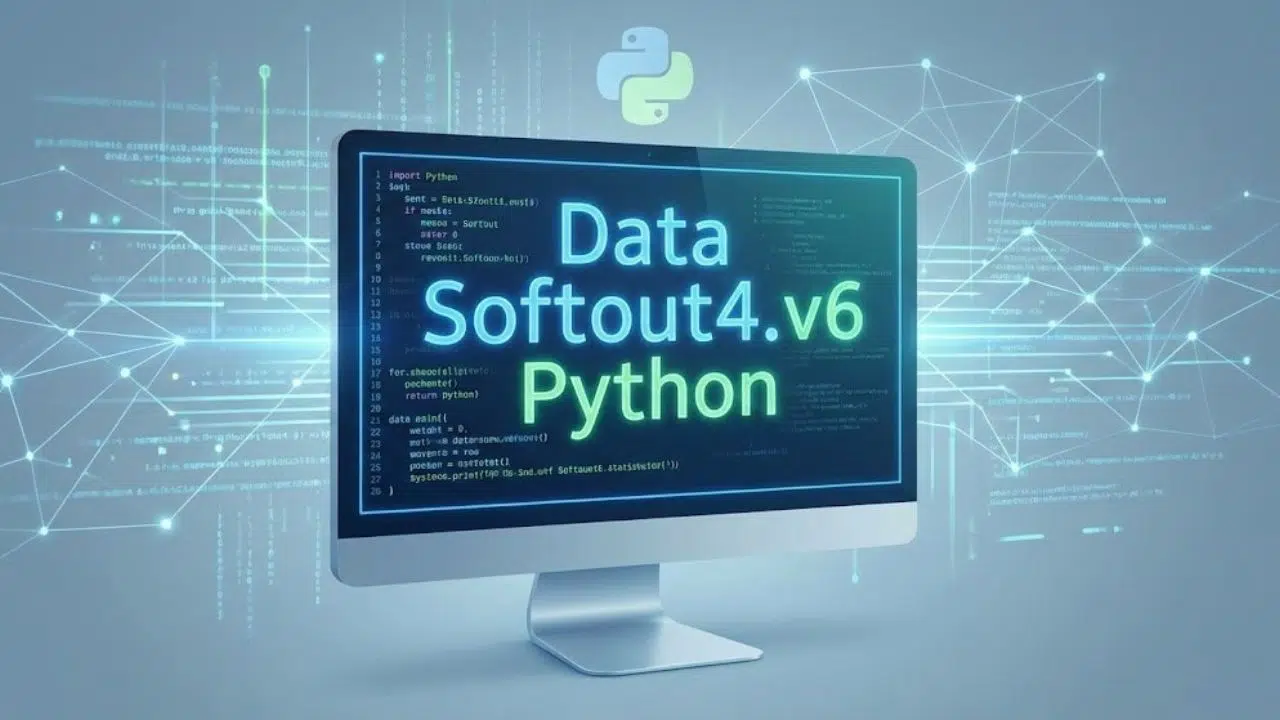
Modern organizations rely on reliable data pipelines, automation, and repeatable analytics to stay competitive. As datasets grow and workflows become more complex, teams need tools that balance flexibility, performance, and maintainability without introducing unnecessary overhead. This is where data softout4.v6 python fits into the conversation.
Designed for structured data handling, transformation, and automation, data softout4.v6 python integrates cleanly with Python-based environments. It supports professionals who need predictable processing logic, scriptable workflows, and compatibility with existing analytics stacks. This article explains how it works, where it fits best, and why it continues to attract attention from data engineers, analysts, and technical teams worldwide.
What Is Data Softout4.v6 Python?
Data softout4.v6 python is a Python-compatible data processing and automation framework focused on controlled data output, transformation logic, and repeatable execution patterns. The “v6” release emphasizes stability, modular design, and improved execution efficiency for production-grade workflows.
Rather than acting as a replacement for mainstream Python libraries, it complements them. Teams typically use it alongside data analysis, ETL, or reporting frameworks to manage how data is structured, validated, and exported across systems.
Its core value lies in predictability. When data consistency and automation reliability matter, this framework provides a clear and structured approach.
Core Capabilities and Architecture
At its foundation, data softout4.v6 python uses a modular execution model. Each processing stage is defined explicitly, reducing ambiguity and improving traceability across workflows. This design helps teams maintain clarity as projects scale.
The framework supports configurable data schemas, controlled output formats, and rule-based transformations. Developers can define how data is cleaned, filtered, enriched, and exported without tightly coupling logic to application code.
Performance improvements in version 6 focus on memory handling and execution flow optimization. This makes it suitable for both batch-oriented processing and scheduled automation tasks without requiring extensive infrastructure changes.
Why Professionals Choose Data Softout4.v6 Python
One of the main reasons teams adopt data softout4.v6 python is its balance between control and flexibility. Python developers can integrate it without abandoning familiar tools, while gaining a more disciplined structure for data handling.
It also reduces operational risk. Clear configuration boundaries and predictable outputs help minimize downstream errors in reporting, analytics, or system integrations. This is particularly valuable in environments where data accuracy is non-negotiable.
Another advantage is maintainability. Workflows written with a structured framework are easier to document, audit, and hand over to other team members, especially in long-term projects.
Common Use Cases Across Industries
Data softout4.v6 python is not limited to a single domain. Its neutral design allows it to support a wide range of industries and technical environments.
In data engineering, it is often used to manage transformation layers between raw data ingestion and analytics-ready datasets. Analysts rely on it to standardize outputs before visualization or reporting. In automation scenarios, teams use it to generate consistent data exports for APIs, partners, or internal systems.
Because it is Python-based, it adapts easily to finance, healthcare, e-commerce, logistics, and research workflows where data integrity and repeatability are critical.
Integration With Existing Python Ecosystems
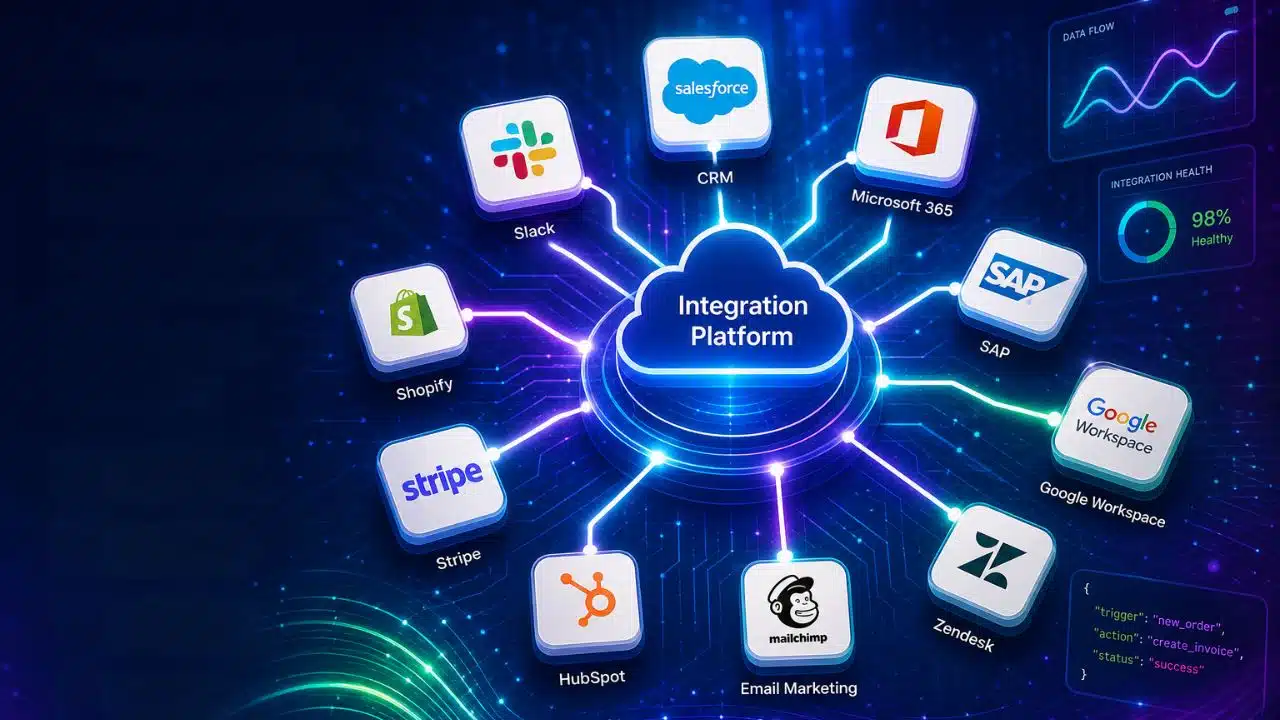
A key strength of data softout4.v6 python is how smoothly it fits into existing Python projects. It does not require developers to rethink their entire stack. Instead, it integrates as a layer that governs data flow and output logic.
Teams typically combine it with data analysis libraries, scheduling tools, and cloud-based execution environments. This interoperability ensures that adoption does not disrupt established workflows or deployment pipelines.
The framework’s configuration-driven approach also makes it suitable for version control and collaborative development, supporting modern DevOps and data operations practices.
Data Quality, Governance, and Compliance Benefits

Data quality is often the weakest link in analytics and automation systems. Data softout4.v6 python addresses this by enforcing structured transformation rules and consistent output definitions.
By clearly defining how data is processed and exported, teams can improve governance and traceability. This is especially relevant in regulated environments where auditability and reproducibility are required.
The framework also helps reduce human error. Automated, rule-based workflows minimize the risk introduced by manual data handling, improving confidence in downstream decision-making.
Performance and Scalability Considerations
Version 6 introduces refinements that improve execution efficiency without sacrificing clarity. Memory usage is optimized, and processing stages are designed to scale horizontally when combined with external orchestration tools.
While it is not intended to replace distributed computing platforms, data softout4.v6 python performs well in medium-to-large workloads where structured processing is required. Its predictable behavior makes it easier to benchmark and optimize compared to ad hoc scripts.
For organizations planning growth, this scalability provides a stable foundation without premature complexity.
Best Practices for Implementation
Successful adoption starts with clear workflow design. Teams should define data schemas and output requirements early, ensuring that transformation logic aligns with business needs.
Version control is another best practice. Storing configuration files and scripts alongside application code improves transparency and collaboration. Regular testing of data outputs helps catch issues before they propagate.
Finally, documentation matters. Clear descriptions of each processing stage ensure that workflows remain understandable as teams and projects evolve.
FAQ
What is data softout4.v6 python used for?
Data softout4.v6 python is used for structured data processing, transformation, and automated output management within Python-based workflows.
Is data softout4.v6 python suitable for production systems?
Yes. The framework is designed for stability, maintainability, and predictable execution, making it appropriate for production environments when implemented correctly.
How does data softout4.v6 python differ from standard Python scripts?
Unlike ad hoc scripts, it provides a structured, configuration-driven approach that improves consistency, traceability, and long-term maintainability.
Can data softout4.v6 python integrate with existing data tools?
It integrates easily with common Python libraries, schedulers, and analytics platforms, acting as a complementary processing layer rather than a replacement.
Is data softout4.v6 python appropriate for global teams?
Yes. Its neutral design, language-agnostic configurations, and Python compatibility make it suitable for international teams and distributed development environments.
Final Thoughts
Data softout4.v6 python is designed with global usability in mind. It avoids assumptions about regional infrastructure, data formats, or deployment environments. This neutrality allows organizations across different markets to adopt it without customization overhead.
Its clarity and structure also support cross-border collaboration. Teams working in different regions can rely on consistent processing logic and shared standards, reducing friction and miscommunication.
Data softout4.v6 python offers a disciplined, reliable approach to data processing and automation within Python ecosystems. By combining structure, flexibility, and performance, it helps professionals manage growing data complexity without sacrificing control or clarity.
For organizations seeking predictable data workflows, improved governance, and scalable automation, this framework provides a practical solution. When implemented with clear design principles and best practices, it becomes a dependable foundation for long-term data operations.