You might feel bored playing games alone or tired of just talking to friends through a headset. Many people miss the days when everyone gathered in the same room, laughing and shouting over split screens. Game night used to mean bringing snacks, grabbing extra controllers, and battling side by side on the couch.
Here is a cool fact: sales for local multiplayer games like “It Takes Two” have broken records recently, crossing 20 million copies sold by late 2024. If you wonder why sitting next to your friends with a controller feels so good again, you are not alone.
I’m going to walk you through why The Return of Couch Co-op has gamers excited, how it brings us closer, and what types of games shine now.
The Nostalgia Factor: The Rise, Decline, and Return of Couch Co-Op
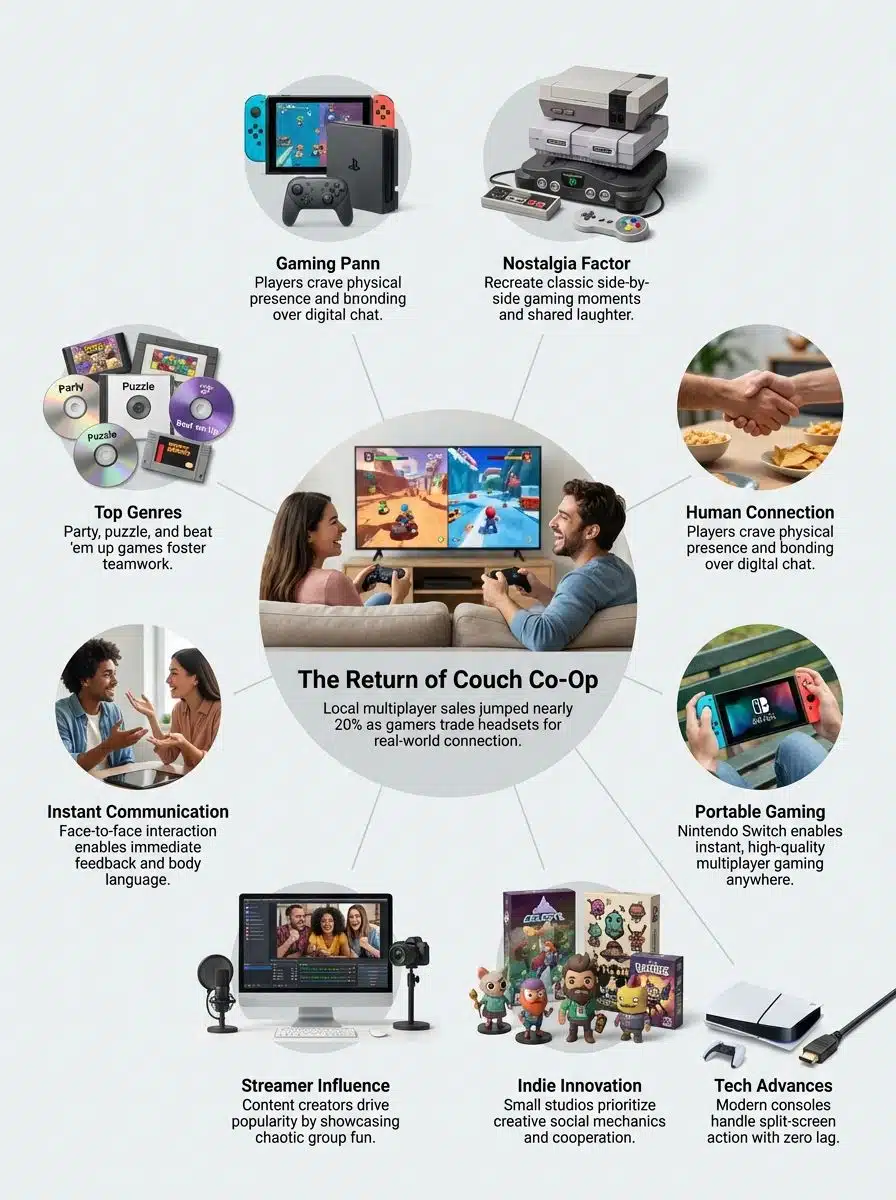
In my work as a lifestyle contributor focusing on executive wellness, I often talk about the “emotional ROI” of our leisure time. Couch co-op brings warm memories, like sharing snacks and laughter with friends. These classic gaming moments are making a strong comeback, stirring joy in new and old players alike.
A longing for classic gaming experiences
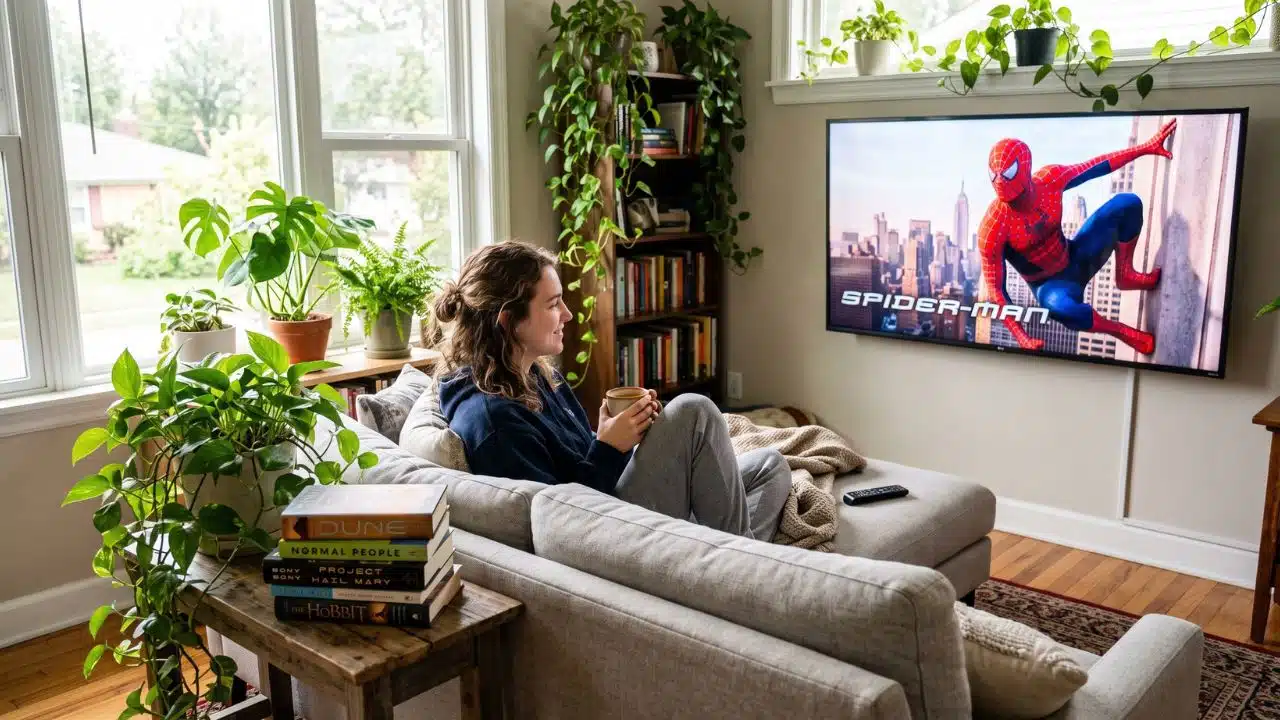
People miss how gaming used to feel. Sitting side by side, sharing snacks, laughing at the same screen creates memories that build fast. Kids and adults look back fondly on Mario Kart races or Sonic battles from the ‘90s.
Those days meant gathering friends for a game night, not just chatting through a headset. Split-screen play led to silly arguments over who got which controller or peeked at someone’s screen. “Pass me that extra life,” you’d shout across the couch. The experience felt real because everyone played together in person; no lag could slow down this kind of fun.
Local multiplayer lets players recreate those joyful times with new games, but keeps that old magic alive.
“Nothing beats pressing start with your best friend right next to you.”
Shared memories of split-screen fun
Back in those classic gaming days, split-screen was king. Friends would sit side-by-side on a couch, grinning at each other, controllers tight in hand. Four-player Mario Kart races filled rooms with cheers and groans alike. GoldenEye 007 had everyone squinting for their slice of the TV, shouting across the living room as they tried to one-up each other.
Siblings battled over who got the bigger controller while pizza boxes piled up nearby. Family game nights meant Tetris or Bomberman matches stretched far into the evening. Every win sparked laughter; every loss brought playful banter.
These moments built bonds that lasted longer than any high score ever could in solo online play. Local multiplayer created more than just fans. It made real memories that stick through the years and new consoles alike.
Post-Pandemic Social Connection
People missed real laughs and high-fives, so they turned their eyes back to social gaming. Now, living rooms buzz again with game night cheers and playful shouts.
Increased demand for in-person gaming
Friends want to laugh together on the same couch again. After long months of video calls and online-only games, many now crave real multiplayer experiences. Game night at home feels warmer than chatting through a headset.
Families now pick up controllers side by side. Even smaller local gaming events are filling up fast. A 2024 study from Osaka University found that owning a game console like the Switch actually improved mental well-being during periods of isolation. This backs up what we feel intuitively. Real connection matters.
Kids invite friends over for a round of ‘Super Mario Party Jamboree’ or ‘Overcooked!’. Holidays see more families gathering around consoles, not just screens in separate rooms. Shared screen fun is back. It makes every high-five matter more than ever.
“Nothing beats hearing your friend’s victory dance right next to you, says indie developer Hazelight Studios, creators of It Takes Two.”
Why In-Person Beats Online
With more players seeking face-to-face fun, couch gaming has started to push digital play aside. No one wants lag ruining a game night or waiting forever for friends to join a lobby.
Local multiplayer offers fast action. Families can gather around the screen and laugh together, passing controllers and snacks with ease.
Sitting side by side brings out true social gaming energy. You see smiles, hear cheers, and sometimes exchange playful nudges during cooperative gameplay or splitscreen battles.
- Immediate Feedback: You see your friend’s reaction instantly.
- No Technical Hurdles: No server queues or connection drops.
- Shared Atmosphere: The energy in the room changes with every win or loss.
More people now value these direct connections after too many months spent glued to screens during video calls and online games alone at home.
Advances in Gaming Technology
Today’s consoles make local multiplayer smoother than ever. Fast graphics and clever features keep the action fun, even on one screen.
Modern consoles support split-screen features
PlayStation 5, Xbox Series X, and Nintendo Switch all keep split-screen alive. Games like “Minecraft,” “Fortnite,” and “Mario Kart 8 Deluxe” let you grab a controller, share the couch, and jump right in. The screens stay sharp even with two or four players at once.
Developers work hard so graphics look great without lag during co-op gameplay. The Switch lets friends lift it off its dock for instant local gaming anywhere, from your living room to a train ride. With these consoles, social gaming feels easy again. Game night is back on every week.
Improved graphics without sacrificing performance
Modern consoles like Xbox Series X and Nintendo Switch make local multiplayer games shine. They show crisp visuals, even during busy split-screen action. You can see every detail in “It Takes Two” or “Overcooked!”, with no lag slowing down couch co-op fun.
Games now balance sharp images and smooth moves, thanks to better chips and smarter design. Developers create local gaming experiences where players feel wowed by graphics but never trip over slow load times or choppy frames. Group play stays fast and clear for all ages on the same screen.
Modern technology keeps social gaming strong, letting friends focus on laughs instead of glitches. Now that gameplay looks this good in your living room, it’s easy to understand why more people want game night at home. This leads right into how these changes boost the return of local co-op games everywhere.
Why Local Co-Op Games Are Making a Comeback
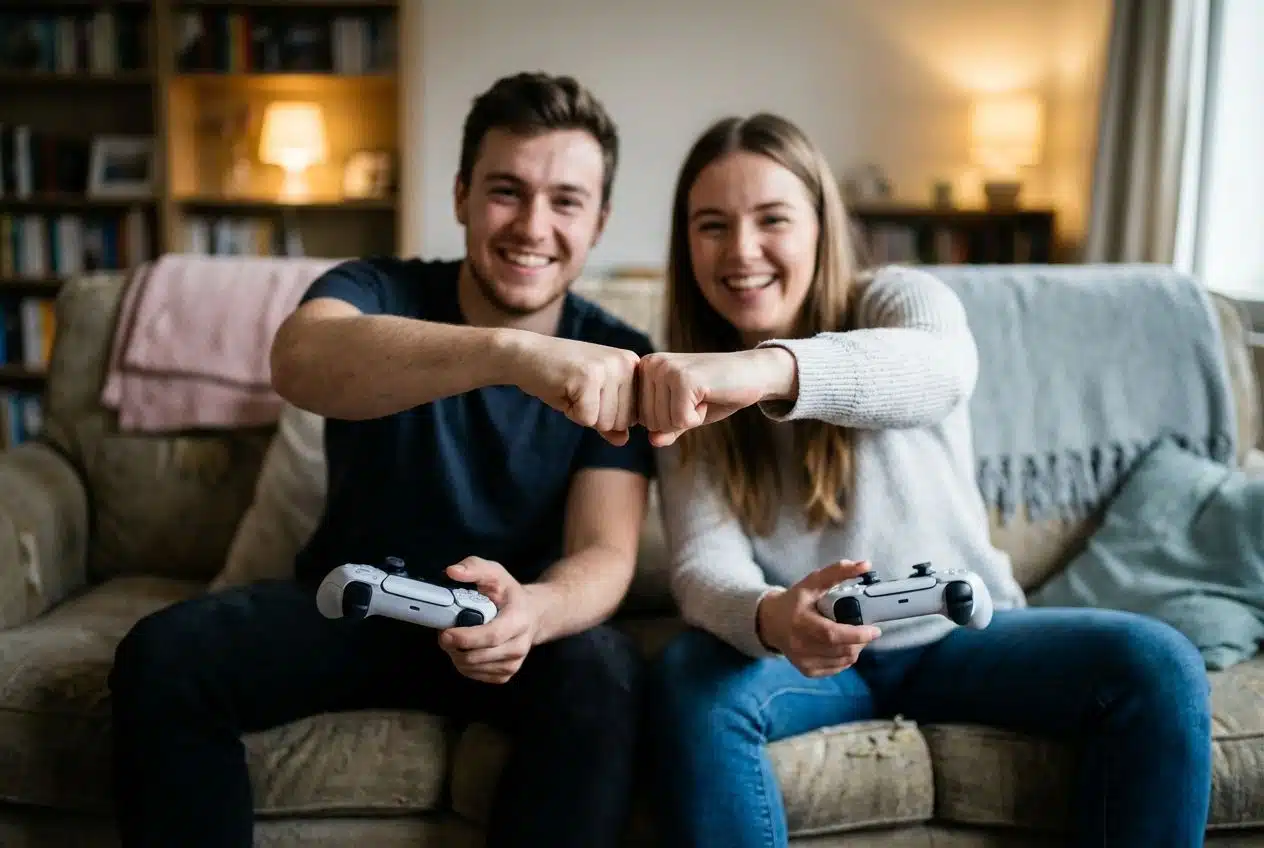
Players want more laughter, real smiles, and actual high-fives. Sitting together for a game night brings warmth that you just can’t find online.
People Are Craving Real Human Connection
Friends grab controllers, laughing side by side. Hands bump while sharing popcorn on the couch. During lockdowns, everyone missed small moments like these. Online games can be fun, but do not fill the room with laughter or high-fives after a win.
Local multiplayer brings people together in real time, no lag between smiles or playful teasing. Co-op gameplay turns game night into a social event again. Group play helps kids bond with family and friends face-to-face, not just through screens. Couch gaming invites chatter and jokes even during tough matches.
That makes memories last longer than any leaderboard score. People want more shared experiences. They want something that feels less digital and much warmer to the heart.
Nostalgia Is Powerful Fuel
After people look for more human connection, old memories start to pull them back in. Classic local multiplayer games spark strong emotions. Many gamers remember laughter and shouts during split-screen Mario Kart or Halo nights with friends.
Each round on the couch felt like a mini-adventure, side by side, sharing both wins and fails. Retro game nights turn into traditions passed from one generation to another. Picking up controllers brings the past alive in living rooms today. Popular hits such as ‘Overcooked!’ use this feeling well, mixing new ideas with the comfort of familiar play styles.
Nostalgia sells copies and builds bridges between players who miss those golden days of couch gaming fun and groups ready to make brand-new shared stories together again.
Hardware That Changed the Game
Nostalgia brings people together, but new technology makes staying connected simple. Nintendo Switch flipped the script on local multiplayer in 2017. With its easy-to-carry design and pop-off controllers, friends can start a game anywhere.
You can play at cafes, parks, or even during office lunch breaks.
- Nintendo Switch: The “tabletop mode” allows instant multiplayer anywhere.
- Steam Deck OLED: This handheld PC is a secret weapon for co-op. You can connect it to a TV and sync four Bluetooth controllers for high-end indie gaming.
- PlayStation 5: The “Activities” feature lets you jump straight into specific multiplayer modes without digging through menus.
Families use it for game nights, while groups race during travel delays at airports or train stations. The Switch boosted couch gaming’s popularity and proved that sometimes you only need one screen to create rich memories with real people nearby.
Indie Developers Leading the Way
Small studios are bringing back couch co-op gaming with fresh ideas. They take risks, trying gameplay that big companies ignore. Games like “It Takes Two” and “Overcooked!” show how local multiplayer can shine in group play or family gaming sessions. These teams listen to players and include features everyone missed, like shared screen action and simple controls.
Many indie games make it easy for friends to jump into cooperative play on the same console. Creative minds focus on player engagement, fun mechanics, and laughs with each round. Local multiplayer feels alive again because these creators care about social connection more than fancy graphics or huge budgets.
Streamers and Content Creators Are Driving Interest
Streamers set up their living rooms just like you would on game night. They pick classic local multiplayer games, sit with friends, and play right in front of thousands. Twitch chat fills with laughter and advice as viewers join the fun from afar.
YouTube creators record split-screen matches or team competitions, showing how much better it feels to win side by side instead of online alone. This spotlight pulls new eyes toward couch gaming again.
- Viral Hits: The game ‘Chained Together’ exploded in mid-2024, reaching over 85,000 concurrent players on Steam largely due to streamers struggling together.
- Big Names: Creators like Markiplier or Jacksepticeye shout out these titles, making more people want that same group play at home.
Their audience grows; so does interest in social gaming and splitscreen excitement for all ages. Party games create instant smiles and bring everyone together. Just wait until someone yells, “Pass the controller!”
The Unique Joys of Local Co-Op Games
Laughter fills the room as players pass controllers, nudge shoulders, and shout out tips. Local multiplayer feels more alive than playing online. You see immediate reactions, smiles, groans, or high-fives, right there on your couch. This kind of shared screen fun bonds friends and family better than any headset chat ever could.
Games like “Overcooked!” and “It Takes Two” make team play both wild and rewarding. Split-screen gaming turns each session into a small event; it’s social gaming at its best. Snacks get passed around during breaks, turning game night into a real party everyone remembers long after the TV is off.
Local co-op even helps kids learn teamwork or lets grown-ups unwind while catching up in person. Some genres stand out for local multiplayer magic, so here’s a breakdown of which games work best with two or more people sharing one screen.
Built-In Communication
Face-to-face chatting changes everything in local multiplayer. Friends can shout strategies, laugh off mistakes, and tease each other over split-screen games. There is no need for headsets or text chats. Players share glances and read body language right on the couch.
This fast feedback keeps everyone on their toes, making game nights with family or friends more lively than any online match.
Cooperative gameplay flows more smoothly with built-in communication. Teams plan moves out loud during “Overcooked!” chaos or high-five after a clutch win in “It Takes Two.” Kids and grown-ups alike catch onto rules faster because tips happen instantly, not lost in internet lag. Couch gaming gives every player a real voice, amping up fun while building true connection.
It’s Perfect for Parties and Family Time
Pull out the controllers, gather everyone on the couch, and watch smiles spread. Local multiplayer turns group play into a simple joy. Kids can race each other in Mario Kart or yell over pizza during Super Smash Bros brawls. Parents take part too, teaming up with children to beat tricky bosses or solve puzzles in Overcooked!
Games like these build lasting memories around laughter and teamwork. No one needs tech skills; anyone can join by picking up a gamepad. The living room buzzes as players cheer and joke, showing that couch gaming has not lost its place at family gatherings and birthday parties. It is interactive entertainment made for sharing fun face-to-face again.
Revival of couch co-op by smaller studios
Small studios now breathe new life into couch co-op games. Indie teams, like the crew behind “Overcooked!” and Hazelight Studios with “It Takes Two,” show that big budgets are not needed for success.
These local multiplayer games charm players with simple controls, silly challenges, and easy drop-in fun. Smaller companies often listen to their fans. They visit forums, read comments, and tweak gameplay fast.
Many gamers want a reason to grab another controller again. Studio heads see this longing for group play; they make sure family gaming works right out of the box on Switch or PlayStation 5 consoles.
Fast set-up times, clear split-screen action, and fresh coop gameplay keep people glued to their couches at home game nights. No online invite required! The comeback feels personal because these developers share the same nostalgia as you do about classic splitscreen adventures from years past.
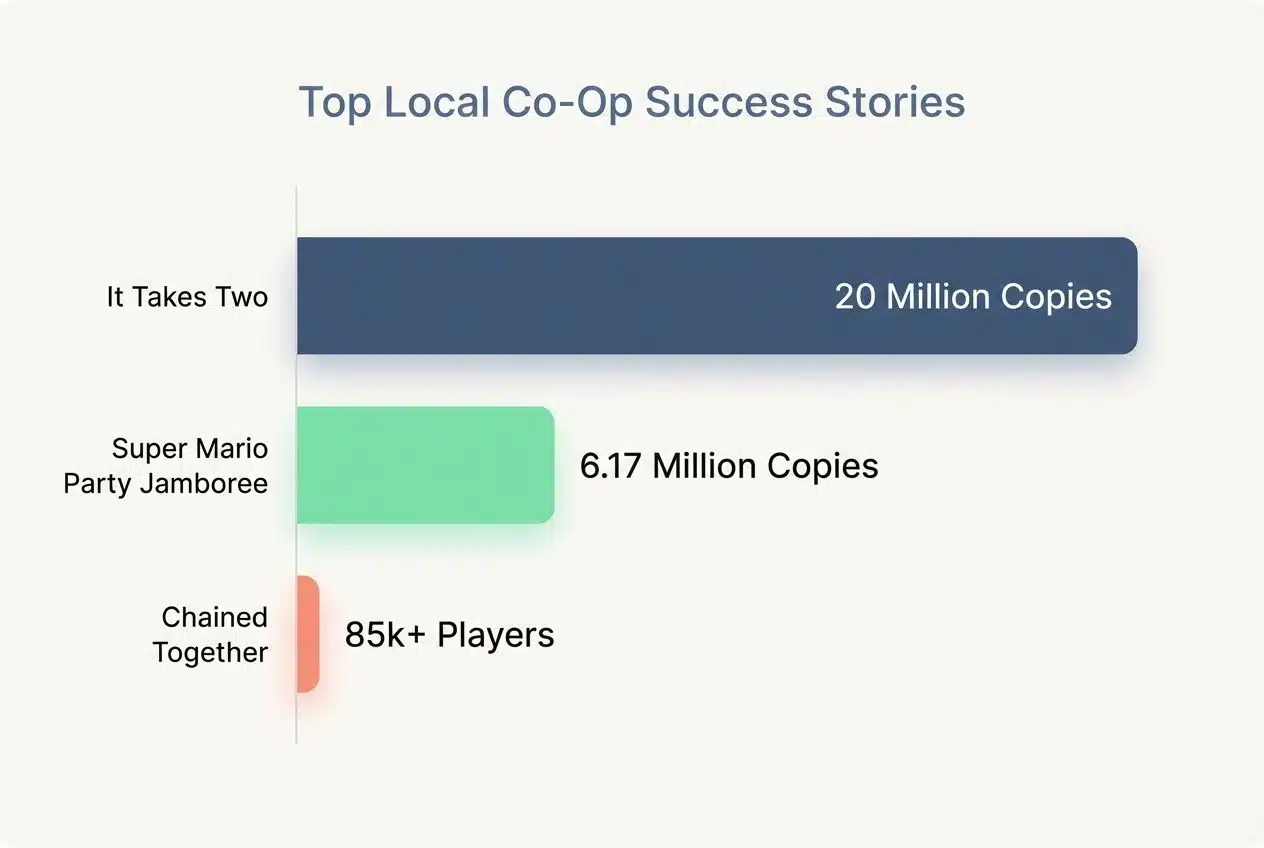
| Game Title | Key Achievement | Why It Matters |
|---|---|---|
| It Takes Two | Over 20 Million Copies Sold (2024) | Proves complex co-op narratives have massive mass-market appeal. |
| Super Mario Party Jamboree | 6.17 Million Copies in <3 Months | Shows the enduring power of classic party games on modern hardware. |
| Chained Together | 85k+ Concurrent Steam Players | Demonstrates how viral indie hits can drive social gaming trends. |
Success stories like “It Takes Two” and “Overcooked!”
Games like “It Takes Two” and “Overcooked!” have sparked new life into local multiplayer. Released in 2021, “It Takes Two” won Game of the Year at The Game Awards, proving that couch co-op still wins hearts.
It sold over 20 million copies by late 2024. Players love its blend of smart puzzles and teamwork; friends or family must talk it out on the same couch to win.
“Overcooked!” started as a small indie project but hooked millions with pure chaos and fun. Up to four people play chefs, racing against the clock to make food orders together.
Laughter fills rooms as players bump elbows, shout commands, and sometimes burn soup. Both games show how social gaming is stronger face-to-face than through screens alone, drawing new fans into couch gaming night after night.
Genres That Shine in Local Co-Op
Some types of games just light up when friends crowd around the same TV, so if you’re hunting for your next game night hit, keep reading!
Party Games
Party games bring people together fast. Titles like ‘Mario Party’, ‘Overcooked!’, and ‘The Jackbox Party Pack 10’ keep the room buzzing with laughter and friendly rivalry. You can pass controllers around or settle into splitscreen for classic multiplayer fun. Game night feels different when everyone sits on one couch, working as a team or plotting sneaky moves against friends.
Local co-op party games help spark real conversations. Groups cheer each other on, shout advice, and sometimes argue over who “accidentally” pushed whom off the map. Indie developers support this trend by making more social gaming experiences every year.
With consoles like Nintendo Switch boosting easy group play since 2017, couch gaming has never felt more inviting for families and friends alike.
Puzzle and Strategy Games
After the laughs and noise of party games settle, puzzle and strategy games take center stage. Split-screen classics like “Portal 2” or new hits such as “Unravel Two” let friends team up without shouting over each other.
You get a feeling of working together while solving clever challenges on one couch. Sitting side by side, players point at clues, swap ideas, and share lightbulb moments in real time.
Titles like “Overcooked!” have sparked game night chaos with fast moves and sharp thinking. Indie developers push this genre forward, too, giving us creative games packed with charm for local multiplayer fans.
Sometimes two heads are better than one; sometimes they only create more confusion! Either way, these games build memories that last well beyond a single session.
Beat ‘Em Ups and Sidescrollers
Puzzle and strategy games get brains working, but sometimes players want pure action. Beat ’em ups and sidescrollers fit the bill for local multiplayer. Games like ‘Streets of Rage 4’, ‘Teenage Mutant Ninja Turtles: Shredder’s Revenge’, and the classic ‘Double Dragon’ let friends pick up controllers and smash through waves of enemies together.
Brawling side by side on the sofa brings big laughs. Everyone cheers when someone lands a combo or pulls off a save at the last second. These games keep controls simple, so new players join in fast. Local gaming feels alive with shouting, joking, and button-mashing all around one TV during game night.
Simulation and “Chaos” Games
Games like ‘Overcooked!’ and ‘Moving Out’ fill living rooms with laughter. Players must race against the clock, toss items, and work together in wild ways. These titles take social gaming to a new level.
Chaos erupts as friends shout tips or accidentally set kitchens on fire.
- PlateUp!: This game combines cooking chaos with restaurant management, a huge hit for organized friends.
- Stardew Valley: A slower pace where you can build a farm together on split-screen.
- Cult of the Lamb: The “Unholy Alliance” update in August 2024 added local co-op, blending action with colony management.
Splitscreen makes every hectic moment easier to follow. People build farms or towns side by side on one couch. Tasks feel lighter with help close by, and even mundane chores can spark real fun when shared in person during family game night or group play sessions.
Some even say these “chaos” moments create some of the best gaming memories ever.
What the Return of Local Co-Op Means for the Industry
Big changes are shaking up interactive entertainment. Game night gets a fresh spark as studios add split-screen modes again. Publishers now see the value of real player interaction on one couch, not just online.
Indie hits like “Overcooked!” and “It Takes Two” proved that cooperative gameplay can break sales records and win awards, even against blockbuster single-player games.
Local multiplayer pushes console gaming forward, too. Developers put more focus on how groups play video games together at home, which boosts player engagement and makes group play part of marketing plans.
Family gaming grows stronger since parents trust these experiences for safe fun with kids or old friends alike. As local co-op rises, expect more creative multiplayer experiences and an industry eager to keep players sharing laughter side by side.
Final Thoughts: Force Start to Reconnect
The Return of Couch Co-op is confirmed, and it brings friends and family closer. People want simple, face-to-face fun after too much time online. New consoles make split-screen games look sharp and run smoothly; anyone can set up a game night easily now.
Gaming together on the couch sparks laughter, teamwork, and real talks in ways solo play just cannot match. If you want more ideas or tips for local multiplayer, many guides online can help you start strong.
Dust off those controllers, grab some snacks, and invite someone over. Real connection only takes pressing “start.”