Autonomous driving is no longer just a futuristic idea; it is rapidly becoming a reality that is transforming multiple sectors, including the electric vehicle (EV) market. As the world shifts toward more sustainable and efficient transportation, the convergence of autonomous technology and electric vehicles has emerged as a powerful force reshaping the automotive industry.
This intersection has the potential to change how we view driving, car ownership, safety, and mobility. In this detailed article, we will explore twelve ways in which autonomous driving is transforming the EV market and creating a new era in transportation.
1. Enhancing Energy Efficiency
One of the significant impacts of autonomous technology on electric vehicles is enhanced energy efficiency. The design of autonomous vehicles optimizes energy use by precisely controlling acceleration, braking, and route planning. By avoiding sudden acceleration and unnecessary stops, autonomous systems can minimize energy consumption.
Efficient route planning also helps to reduce energy waste by avoiding traffic and selecting optimal paths, thus extending the range of electric vehicles. In turn, this contributes to reduced energy costs for consumers and makes EVs more attractive for long-distance travel.
2. Improving Battery Life and Range

Battery life and range anxiety have been two critical concerns for EV owners. Autonomous technology is helping to address these issues by improving the efficiency of battery use. AI-powered driving systems can monitor battery levels and adjust driving patterns to conserve energy.
For example, by predicting road conditions and traffic patterns, an autonomous EV can select the most energy-efficient route. Moreover, machine learning optimizes autonomous features like regenerative braking, resulting in longer battery life and reduced wear and tear on battery components.
3. Reducing Traffic Congestion
Traffic congestion is a significant challenge in urban areas, leading to wasted energy, increased pollution, and stress for drivers. Autonomous electric vehicles have the potential to alleviate traffic congestion by communicating with other vehicles and infrastructure.
Vehicle-to-vehicle (V2V) and vehicle-to-infrastructure (V2I) communication allow autonomous EVs to share data about traffic conditions, road hazards, and optimal routes. This type of communication can help prevent traffic jams and improve traffic flow, making EVs even more practical for urban commuting.
4. Lowering Operating Costs
Autonomous driving technology can significantly reduce the operating costs of electric vehicles. By optimizing driving efficiency, autonomous EVs can lower energy consumption, reduce the need for frequent charging, and minimize wear and tear on vehicle components. Additionally, autonomous driving systems can predict maintenance needs and schedule preventive maintenance, helping to reduce costly repairs and downtime.
For businesses that rely on vehicle fleets, such as ride-sharing or logistics companies, these cost savings can be substantial, making the adoption of autonomous EVs an economically viable option.
5. Revolutionizing Ride-Sharing Services
The rise of autonomous electric vehicles is transforming ride-sharing services and the concept of car ownership. Companies like Tesla, Waymo, and Cruise are investing heavily in autonomous ride-sharing platforms, which promise to offer convenient, on-demand transportation without the need for human drivers.
Autonomous EVs can operate around the clock, providing ride-sharing services that are more efficient and cost-effective compared to traditional vehicles. This shift could lead to fewer privately owned vehicles on the road, reduced emissions, and a more sustainable urban transportation system.
6. Enhancing Safety on the Roads
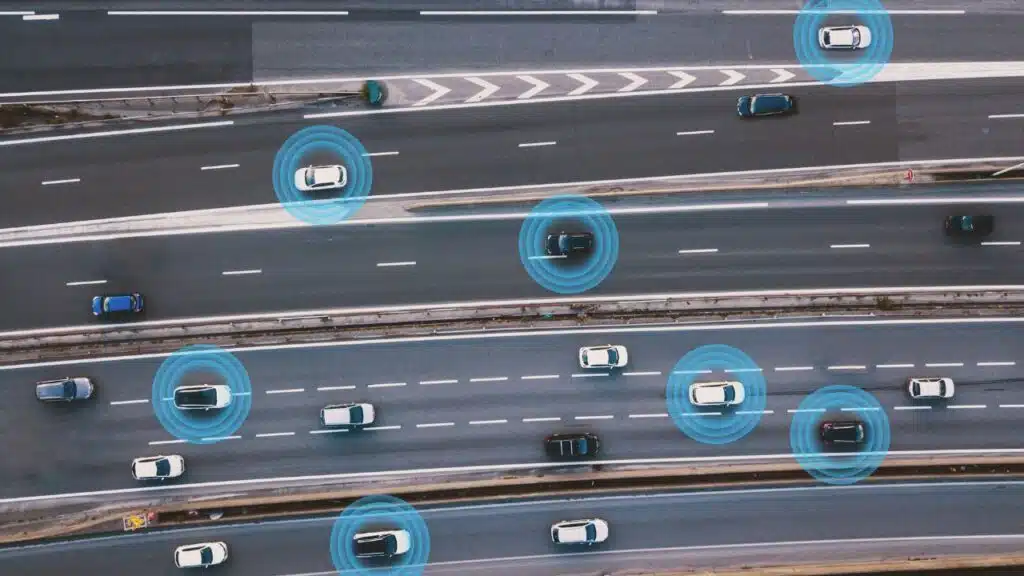
Safety is a critical benefit of autonomous technology in electric vehicles. Autonomous systems use a combination of sensors, cameras, radar, and artificial intelligence to detect obstacles, predict other vehicles’ behavior, and make decisions that reduce the likelihood of accidents.
Electric vehicles equipped with autonomous technology can respond faster than human drivers to potential hazards, such as sudden stops or pedestrians crossing the road. By reducing human error, which is a leading cause of accidents, autonomous EVs can make roads safer for everyone.
7. Facilitating Vehicle-to-Grid Integration
Autonomous electric vehicles have the potential to play a key role in vehicle-to-grid (V2G) integration. V2G technology allows EVs to discharge electricity back into the grid during peak demand periods, helping to stabilize the power supply.
Autonomous driving systems can manage V2G participation more effectively by determining when it is most efficient to charge or discharge based on real-time data. This intelligent management of energy resources can make electric vehicles an essential component of the smart grid, contributing to renewable energy integration and grid reliability.
8. Changing Urban Infrastructure
The adoption of autonomous electric vehicles is also driving changes in urban infrastructure. Cities are rethinking their infrastructure to accommodate the rise of autonomous EVs, which includes creating dedicated lanes, smart traffic signals, and optimized parking solutions.
Autonomous technology could eventually lead to less need for parking spaces, as vehicles could drop passengers off and park themselves in more remote locations. This change could free up valuable urban space, allowing for more green areas, pedestrian walkways, and bike lanes, ultimately improving the quality of life in urban environments.
9. Reducing Carbon Emissions
The combination of autonomous technology and electric powertrains is crucial in reducing carbon emissions. Electric vehicles already have zero tailpipe emissions, and autonomous systems further contribute by optimizing energy use and reducing traffic congestion, which results in fewer emissions from stop-and-go driving.
Furthermore, the rise of autonomous ride-sharing services means fewer cars on the road, reducing overall emissions. This transformation is a step toward achieving global climate goals and promoting sustainable transportation.
10. Increasing Accessibility for All
Autonomous electric vehicles have the potential to increase accessibility for individuals who are unable to drive, such as the elderly and people with disabilities. By providing mobility solutions that do not require human drivers, autonomous EVs can offer greater independence and freedom to those who may have previously faced transportation challenges.
This increased accessibility can improve quality of life and create more inclusive communities where transportation is not a barrier to participation in social, economic, or cultural activities.
11. Supporting the Growth of Electric Fleets
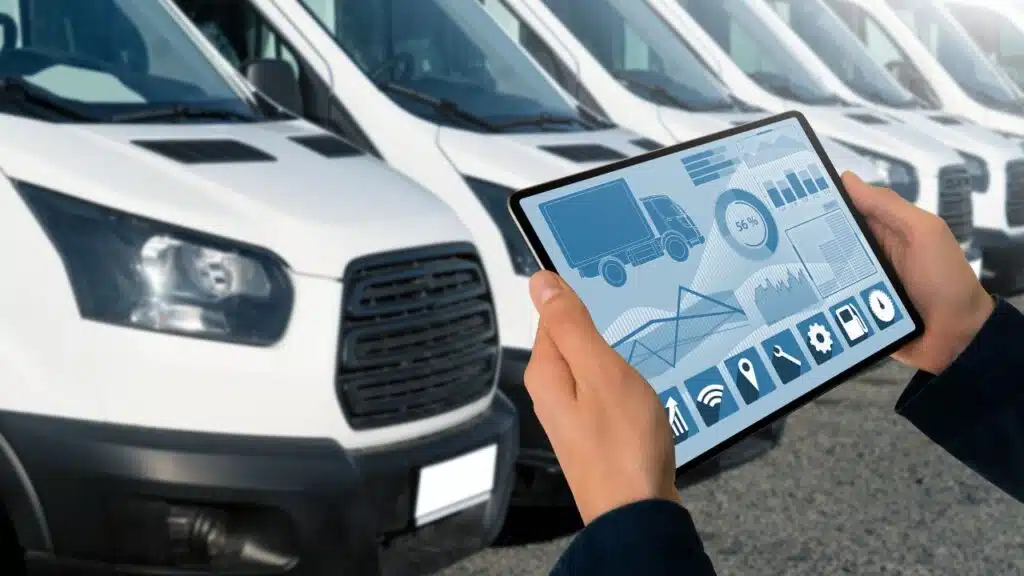
Fleet operators are increasingly considering electric vehicles for their sustainability benefits, and the addition of autonomous technology makes EVs even more appealing for commercial fleets. Autonomous EVs can operate more efficiently, reduce downtime, and lower operational costs, making them ideal for logistics, delivery, and public transportation.
Companies such as Amazon and UPS are already testing autonomous electric delivery vehicles to streamline their operations. The growth of autonomous electric fleets could revolutionize logistics and public transportation, making them more efficient and environmentally friendly.
12. Transforming the Automotive Supply Chain
The rise of autonomous electric vehicles is also transforming the automotive supply chain. Traditional car manufacturers are shifting their focus toward electric and autonomous technologies, and new players are entering the market to meet the growing demand for specialized components, such as sensors, software, and batteries.
This shift is leading to new partnerships, collaborations, and innovations in the automotive industry. As autonomous electric vehicles become more prevalent, the supply chain will continue to evolve, creating new opportunities for technology companies, battery manufacturers, and software developers.
Conclusion
Autonomous driving has the potential to significantly influence the electric vehicle market, transforming our perspectives on transportation, sustainability, and urban mobility. By enhancing energy efficiency, improving safety, reducing traffic congestion, and lowering operating costs, autonomous electric vehicles are paving the way for a more sustainable future.
This transformation is not only beneficial for individual consumers but also holds significant promise for businesses, cities, and society as a whole. As technology continues to advance, the integration of autonomous systems with electric vehicles will play a crucial role in creating cleaner, safer, and more efficient transportation solutions for generations to come.