Choosing the right sunscreen matters – for your skin and the ocean. Best reef safe sunscreens protect you from harmful UV rays without hurting marine life. These eco-friendly options leave out chemicals like oxybenzone and octinoxate that can damage coral reefs.
Instead, they use safe minerals like zinc oxide to block the sun.
In 2024, more people are looking for reef-safe sunscreens as places like Hawaii and Palau ban harmful ingredients. The best reef-safe sunscreens offer strong protection, water resistance, and gentle formulas for sensitive skin.
Some even come in plastic-free packaging to further reduce environmental impact.
This guide explores the best reef safe sunscreens available in 2024. We’ll cover options for different needs – from water sports to family use. You’ll learn what to look for and what to avoid when picking a sunscreen that’s good for you and the planet.
Protecting your skin doesn’t have to harm the ocean. Let’s dive in.
Understanding Reef-Safe Sunscreens
Best reef safe sunscreens protect both your skin and marine life. They use minerals like zinc oxide instead of chemicals that harm coral reefs.
Definition and importance
Best reef safe sunscreens protect both your skin and marine life. These products don’t contain chemicals that harm coral reefs and other sea creatures. They’re crucial for preserving ocean ecosystems while still shielding you from harmful UV rays.
The importance of reef-safe sunscreens became clear in 2015. Scientists found that oxybenzone, a common sunscreen ingredient, was toxic to young coral. This discovery led places like Hawaii and Key West to ban sunscreens with harmful chemicals.
By choosing reef-safe options, you help keep oceans healthy and still get the sun protection you need.
Key ingredients to look for
Best reef safe sunscreens contain specific ingredients that protect your skin without harming marine life. Let’s explore the key components you should look for when choosing a reef-safe sunscreen:
- Non-nano zinc oxide: This mineral-based ingredient forms a protective barrier on your skin, reflecting harmful UV rays. It’s safe for coral reefs and doesn’t penetrate the skin.
- Titanium dioxide: Another mineral-based UV filter that sits on top of the skin. It’s effective at blocking both UVA and UVB rays without causing harm to marine ecosystems.
- Beeswax (Cera Alba): This natural ingredient helps make sunscreens water-resistant. It’s biodegradable and doesn’t harm aquatic life.
- Plant-based oils: Ingredients like coconut oil, jojoba oil, or sunflower seed oil moisturize the skin while providing some natural sun protection.
- Vitamin E: An antioxidant that helps protect the skin from free radical damage caused by sun exposure. It’s safe for marine life and beneficial for your skin.
- Aloe vera: This soothing ingredient helps keep skin hydrated and can offer some relief from sun exposure. It’s eco-friendly and safe for coral reefs.
- Green tea extract: Rich in antioxidants, it helps protect skin from sun damage. It’s also safe for marine environments.
- Red algae extract: This ingredient boosts sun protection and is naturally derived from marine plants, making it reef-safe.
Ingredients to avoid
Best reef safe sunscreens protect marine life by excluding harmful chemicals. These ingredients can damage coral reefs and other aquatic ecosystems. Here’s a list of ingredients to avoid in sunscreens:
- Oxybenzone: This common UV filter harms coral growth and causes bleaching. It can also damage coral DNA and affect reproduction in fish.
- Octinoxate: Often found in chemical sunscreens, it impairs green algae growth and photosynthesis. It also accumulates in coral tissues.
- Benzophenones: These chemicals induce coral bleaching and can deform young corals. They’re often listed as BP-1, BP-2, or BP-3 on labels.
- OD-PABA: This UV absorber damages the immune and reproductive systems of sea urchins. It’s sometimes labeled as Padimate O.
- Nano particles: Tiny particles of zinc oxide or titanium dioxide can be harmful to marine life. They may cause defects in young mussels.
- Avobenzone: While less harmful than some others, it can still negatively impact aquatic habitats. It’s often used in chemical sunscreens.
- Octocrylene: This ingredient can build up in coral and other marine organisms. It may also affect hormone levels in some fish species.
- Homosalate: Studies show this chemical can disrupt endocrine function in marine life. It’s a common ingredient in many sunscreens.
- 4-methylbenzylidene camphor: This UV filter can harm coral and other sea creatures. It’s banned in some countries but still used in others.
- Parabens: These preservatives can affect coral health and marine ecosystems. Look for ingredients ending in “-paraben” on labels.
Best Reef Safe Sunscreen: Blue Lizard Sensitive Mineral Sunscreen SPF 50+
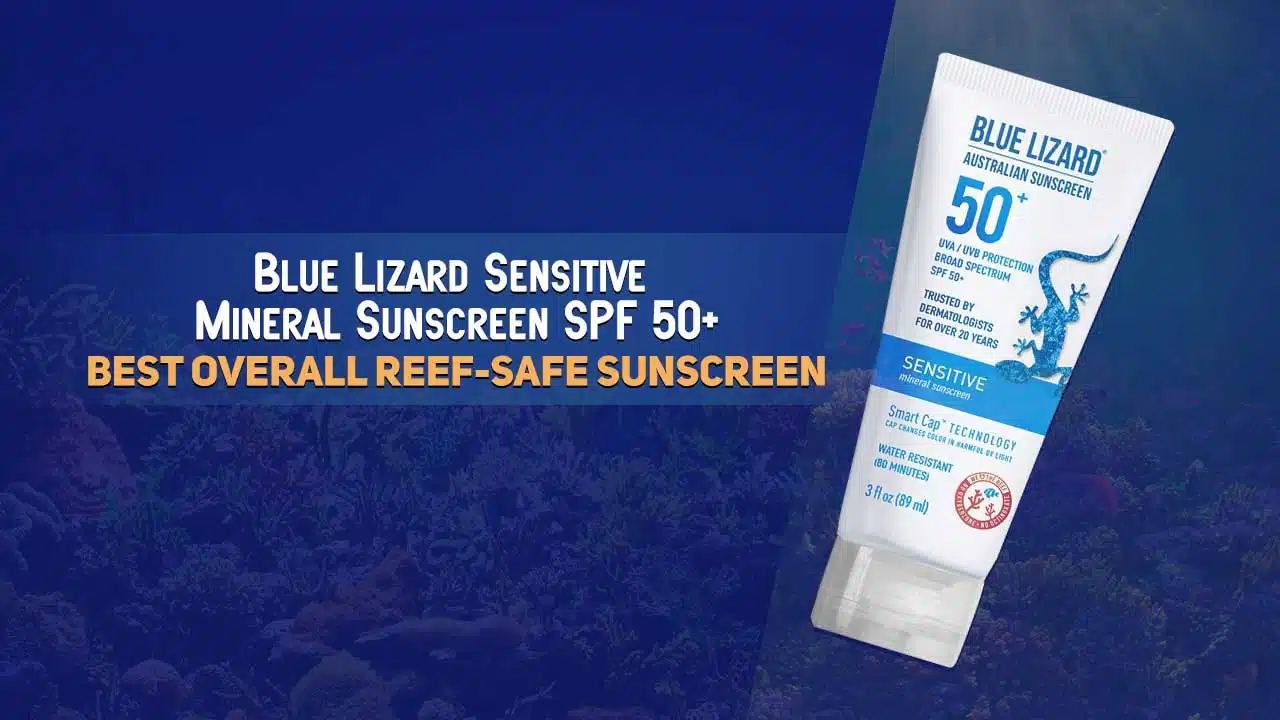
Blue Lizard Sensitive Mineral Sunscreen SPF 50+ stands out as a top choice for the best reef safe sunscreens. This sunscreen offers strong UV defense while being gentle on marine life and sensitive skin types.
Features & Description
Blue Lizard Sensitive Mineral Sunscreen SPF 50+ offers top-notch protection for reef lovers. Its formula uses titanium dioxide and zinc oxide, avoiding harsh chemicals that harm marine life.
This sunscreen works hard, resisting sweat and water for 80 minutes straight.
A neat trick sets this sunscreen apart – the bottle changes color in sunlight. This smart feature reminds you to reapply, keeping your skin safe all day long. At $3 per fluid ounce, it’s a wallet-friendly choice for eco-conscious beachgoers and snorkelers alike.
Pros & Cons
Blue Lizard Sensitive Mineral Sunscreen SPF 50+ offers strong protection for your skin and the environment. Let’s look at its advantages and drawbacks:
| Pros | Cons |
|---|---|
|
• High SPF 50+ protection • Reef-safe formula • Gentle on sensitive skin • Free from common irritants • Broad-spectrum UVA/UVB defense • Water-resistant for up to 80 minutes
|
• Thick texture may feel heavy • Can leave a white cast on skin • Pricier than some alternatives • May require frequent reapplication • Can be difficult to blend |
I’ve used this sunscreen during beach trips. Its thick formula felt protective, but took effort to spread evenly. It didn’t irritate my sensitive skin, which was a relief. The white cast faded after rubbing it in well. While swimming, I noticed it stayed on longer than other brands I’ve tried.
Best for Water Activities: Stream2Sea SPF 30 Sport Sunscreen
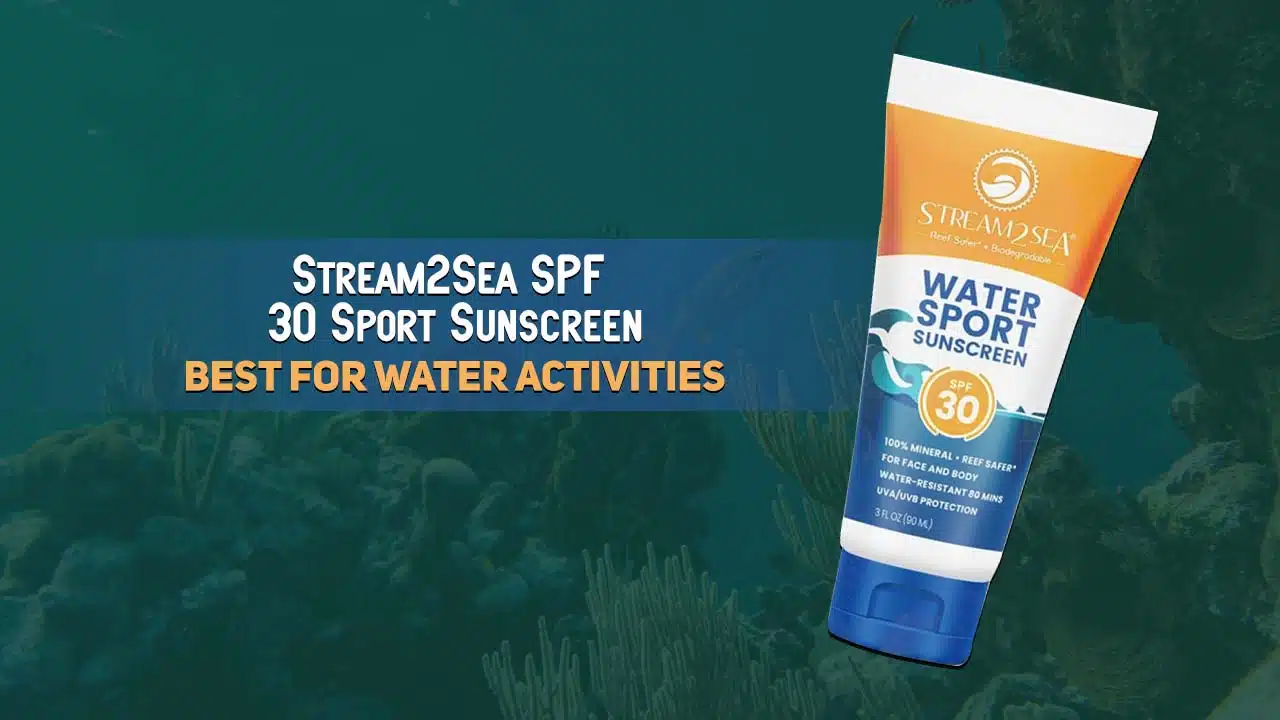
Stream2Sea SPF 30 Sport Sunscreen stands out for aquatic adventures. It’s perfect for swimmers, surfers, and divers who need lasting protection in the water.
Features & Description
Stream2Sea SPF 30 Sport Sunscreen stands out for its eco-friendly formula and robust protection. This water-resistant sunscreen stays effective for up to 80 minutes, making it perfect for swimming, surfing, or any water sport.
Its mineral-based ingredients form a physical barrier against harmful UVA and UVB rays, safeguarding your skin without harming marine life.
What sets this sunscreen apart is its packaging. The containers are made from sugarcane resin, a renewable resource that reduces plastic waste. At 3 ounces and measuring 5.13 x 2.38 x 1.25 inches, it’s compact enough to toss in your beach bag or carry-on luggage.
I’ve used this sunscreen on several beach trips, and it’s never let me down – it doesn’t leave a white cast and feels light on the skin.
Pros & Cons
Stream2Sea SPF 30 Sport Sunscreen offers high-performance mineral protection for both you and the environment. Here’s a breakdown of its pros and cons:
| Pros | Cons |
|---|---|
|
• Eco-friendly formula • Strong sun protection • Water-resistant • Safe for marine life • Non-greasy texture
|
• Might leave a white cast • Pricier than some options • Can be hard to spread • Limited availability in stores • Smaller bottle size
|
The sunscreen gets a solid 3.9 rating. It shines in its eco-conscious approach and strong UV defense. But users should note it may leave a visible layer on skin and costs more than average. Still, for those who want to protect themselves and the ocean, it’s a top pick.
Best for Sensitive Skin: Thinksport SPF 50 Mineral Sunscreen
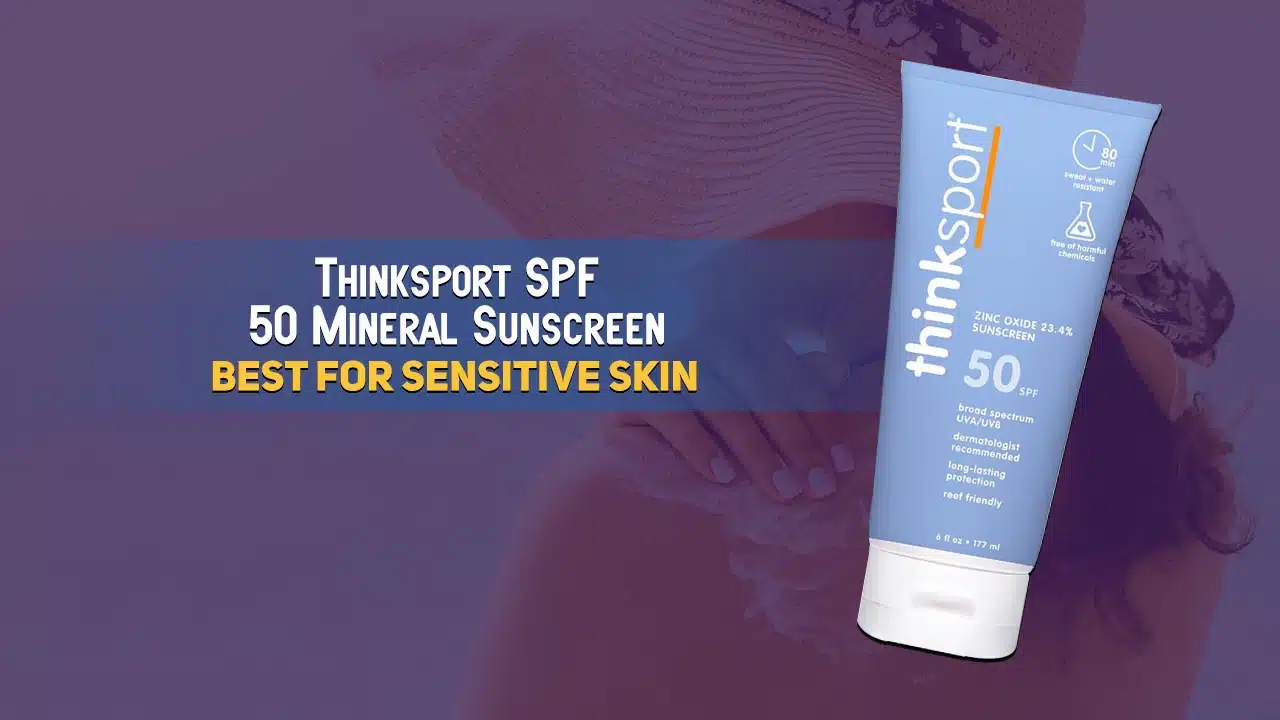
Thinksport SPF 50 Mineral Sunscreen offers a gentle shield for those with delicate skin. Its zinc oxide formula protects without harsh chemicals, making it perfect for people prone to irritation.
Features & Description
Thinksport SPF 50 Mineral Sunscreen offers broad-spectrum protection against harmful UV rays. This water-resistant formula stays effective for up to 80 minutes, making it ideal for beach days or outdoor activities.
Its mineral-based ingredients make it gentle on sensitive skin, though users may notice a slight white cast after application.
This sunscreen is free from harmful chemicals like oxybenzone and avobenzone. Instead, it uses zinc oxide as its main active ingredient to block both UVA and UVB rays. The formula is also free from parabens, phthalates, and other potential irritants, making it a safe choice for those with sensitive skin or allergies.
Pros & Cons
Thinksome SPF 50 Mineral Sunscreen offers strong protection with some trade-offs. Let’s look at its good points and drawbacks:
| Pros | Cons |
|---|---|
|
– High SPF 50+ protection – Easy to apply despite thin texture – Water-resistant for 80 minutes – Safe for babies, kids, and adults – Reef-friendly and biodegradable – Non-toxic formula
|
– Thin and runny consistency – May leave a white cast on darker skin tones – Pricier than some chemical sunscreens – Needs frequent reapplication during extended sun exposure – Can feel greasy on oily skin types |
This mineral sunscreen stands out for its eco-friendly features and broad-spectrum protection. Its thin texture makes it easy to spread, but some users might find it too runny. The long-lasting water resistance is great for beach days, though you’ll need to reapply often for all-day coverage.
Best Organic Option: Badger Sport Mineral Sunscreen Cream SPF 40
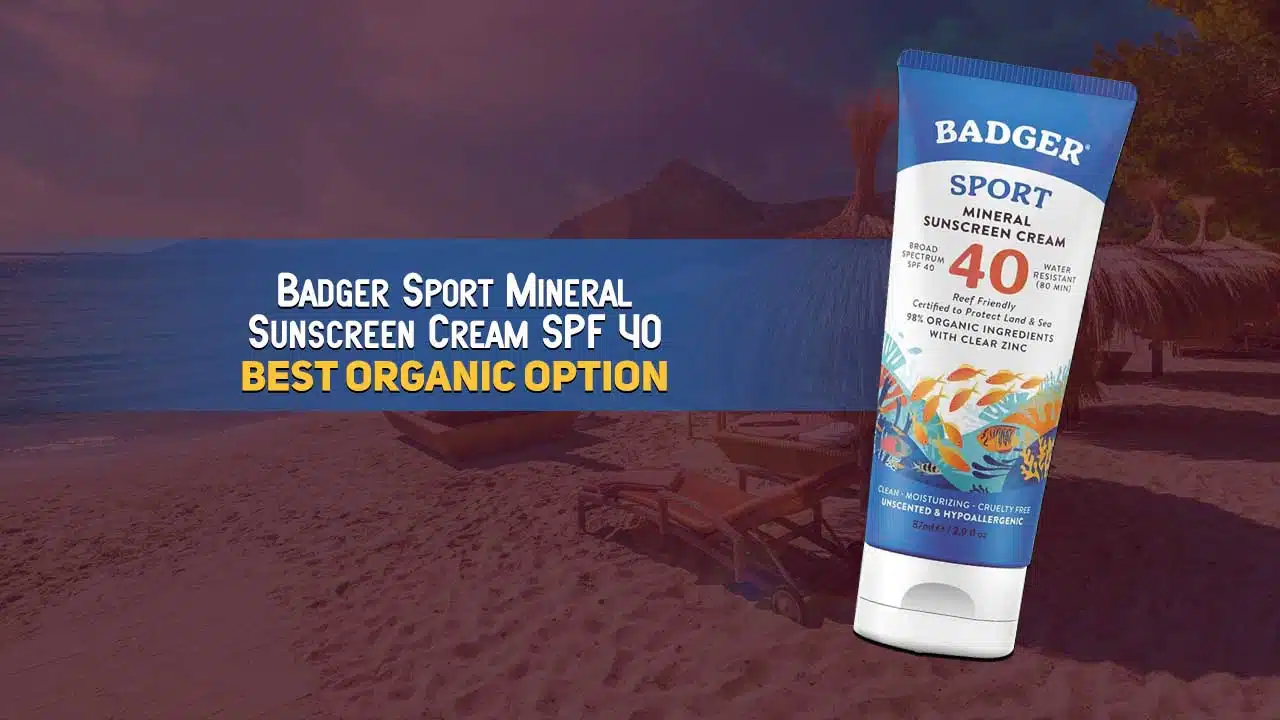
Badger Sport Mineral Sunscreen Cream SPF 40 stands out as a top pick for eco-conscious beachgoers. This all-natural formula uses organic ingredients and zinc oxide to shield your skin from harmful UV rays.
Features & Description
Badger Sport Mineral Sunscreen Cream SPF 40 stands out for its eco-friendly formula. This sunscreen boasts 98% organic ingredients, making it a top choice for nature lovers. Its broad-spectrum SPF 40 protection shields skin from harmful UV rays for up to 80 minutes in water.
The cream’s zinc oxide base creates a physical barrier on the skin, reflecting sunlight without harsh chemicals. It’s free from oxybenzone and other reef-damaging substances. At $5.27 per ounce, it offers solid value for a high-quality, planet-friendly product.
Users appreciate its moisturizing effect and biodegradable packaging.
Pros & Cons
Badger Sport Mineral Sunscreen Cream SPF 40 offers strong sun protection while being gentle on coral reefs. Let’s look at its pros and cons:
| Pros | Cons |
|---|---|
|
• 100% natural and organic ingredients • Broad-spectrum SPF 40 protection • Water-resistant for 80 minutes • Safe for sensitive skin • No harmful chemicals or fragrances • Biodegradable formula
|
• Thick texture can be hard to spread • Leaves a noticeable white cast • May feel greasy on skin • Higher price point than some options • Small 2.9 oz tube size • Can stain light-colored clothing
|
I’ve used this sunscreen on beach trips. It works great for water activities but does leave my skin looking pale. The thick cream takes effort to rub in, yet it stays put even after swimming. While pricey, a little goes a long way. The natural scent is mild and pleasant. My sensitive skin never breaks out from it. Overall, it’s a solid pick for eco-conscious beachgoers who don’t mind the white cast.
Best Plastic-Free Choice: SurfDurt
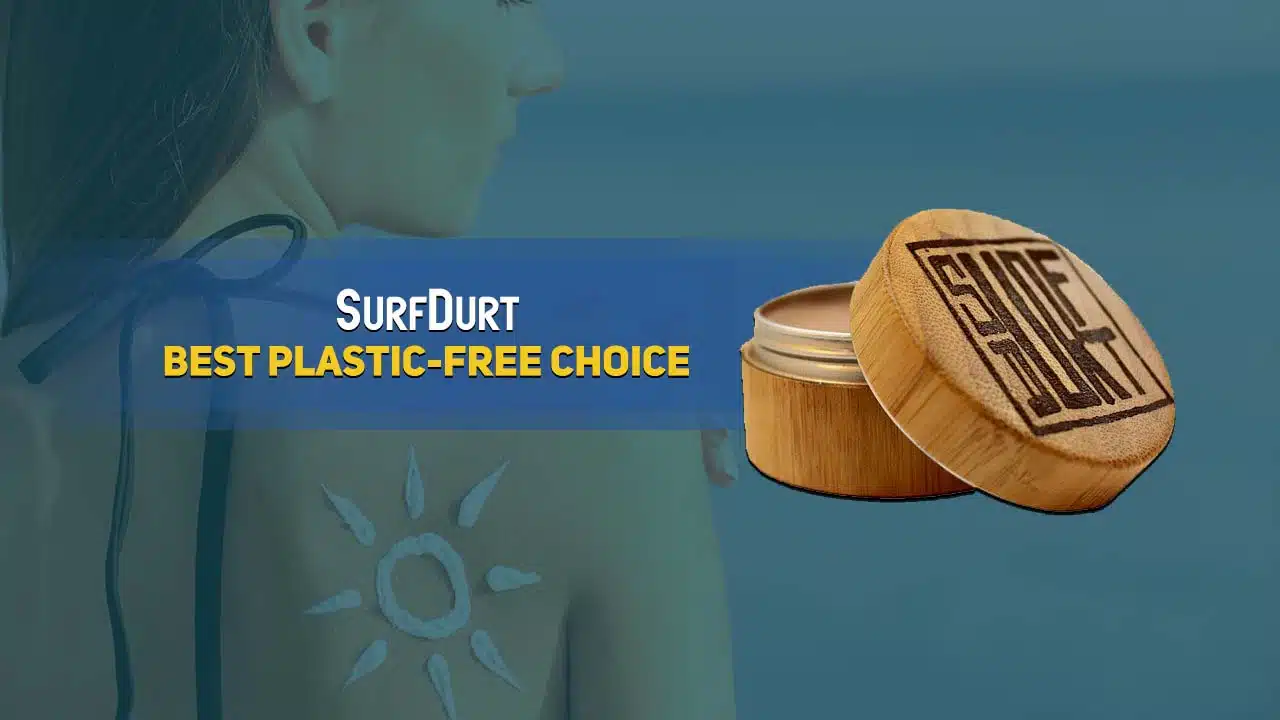
SurfDurt stands out as a top pick for eco-conscious beachgoers. This sunscreen comes in a metal tin, skipping plastic packaging entirely.
Features & Description
SurfDurt stands out with its eco-friendly packaging. The sunscreen comes in bamboo containers with recycled aluminum lining, ditching plastic entirely. This mineral-based formula offers SPF 30 protection against UVA and UVB rays.
It’s water-resistant for up to 80 minutes, making it ideal for beach days and water sports.
I’ve used SurfDurt during surfing trips, and it holds up well in the waves. The price point of $14.50 per ounce is on the higher end, but the quality and environmental benefits justify the cost.
Its broad-spectrum coverage shields skin effectively while being gentle on marine life.
Pros & Cons
SurfDurt offers a unique approach to sun protection. Let’s look at its pros and cons:
| Pros | Cons |
|---|---|
|
• Plastic-free packaging • Eco-friendly ingredients • Supports marine life • Water-resistant formula • Natural, non-toxic components
|
• May leave a visible white cast • Thicker texture than chemical sunscreens • Limited SPF options • Higher price point • Can be harder to apply evenly
|
This sunscreen stands out for its green approach. Its plastic-free packaging cuts down on ocean waste. The eco-friendly ingredients don’t harm coral reefs or sea creatures.
The water-resistant formula works well for beach days and water sports. Users can feel good about the natural, non-toxic components on their skin.
But SurfDurt isn’t perfect. It may leave a white cast, which some find off-putting. The thick texture takes more effort to spread than regular sunscreens.
There aren’t many SPF choices, which limits options for different skin types. The price is higher than many drugstore brands. Some users find it tricky to apply evenly, especially on the first try.
Despite these drawbacks, SurfDurt remains a top pick for eco-conscious beachgoers. Its benefits to the environment often outweigh the minor inconveniences for many users.
Best for Families: Reef Repair Reef Safe Sunscreen SPF 50
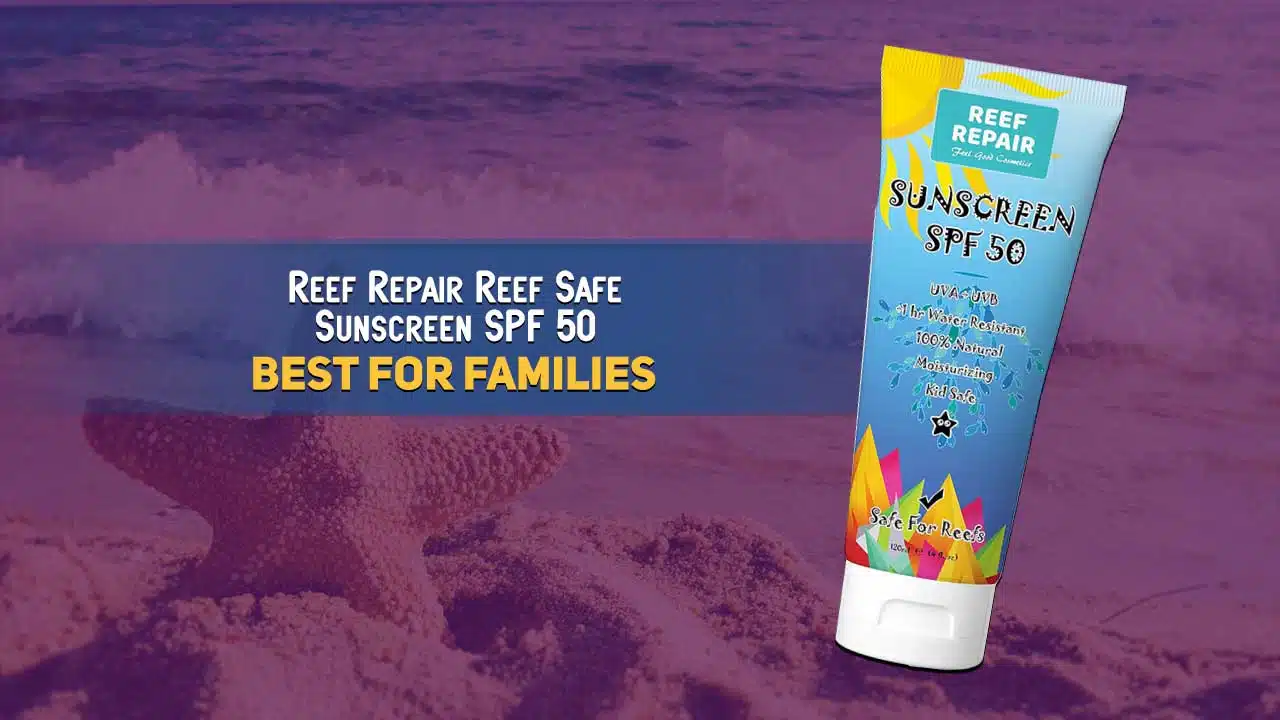
Reef Repair Reef Safe Sunscreen SPF 50 offers protection for the whole family. It’s easy to apply and gentle on sensitive skin, making it perfect for kids and adults alike.
Features & Description
Reef Repair Reef Safe Sunscreen SPF 50 comes in two handy 1.7-ounce bottles, perfect for family use. This sun shield boasts a high SPF of 50, giving top-notch protection against harmful rays.
It’s made with non-nano zinc oxide and titanium dioxide – ingredients that won’t harm coral reefs.
At $15.50 for 3 ounces, this sunscreen offers great value. It’s water-resistant for up to 80 minutes, making it ideal for beach days and water sports. The formula is gentle on skin while still providing strong UV defense, striking a balance between human and marine life protection.
Pros & Cons
Reef Repair Reef Safe Sunscreen SPF 50 offers strong protection for families who love the ocean. Let’s look at its good and not-so-good points:
| Pros | Cons |
|---|---|
|
• Comes in two 1.7-ounce bottles – perfect for travel • Uses safe zinc oxide and titanium dioxide • High SPF 50 protection • Good for all family members • Reef-friendly formula
|
• May leave a white cast on skin • Could be greasy for some users • Might be pricier than other options • May need frequent reapplication • Scent might not appeal to everyone
|
I’ve used this sunscreen on beach trips. It protected my kids well, but left a slight white tint. The bottles lasted longer than expected. While a bit thick, it didn’t irritate our skin. The peace of mind from its eco-friendly formula made up for any minor drawbacks.
Best High-End Splurge: Isdin Eryfotona Actinica Mineral SPF 50+ Sunscreen
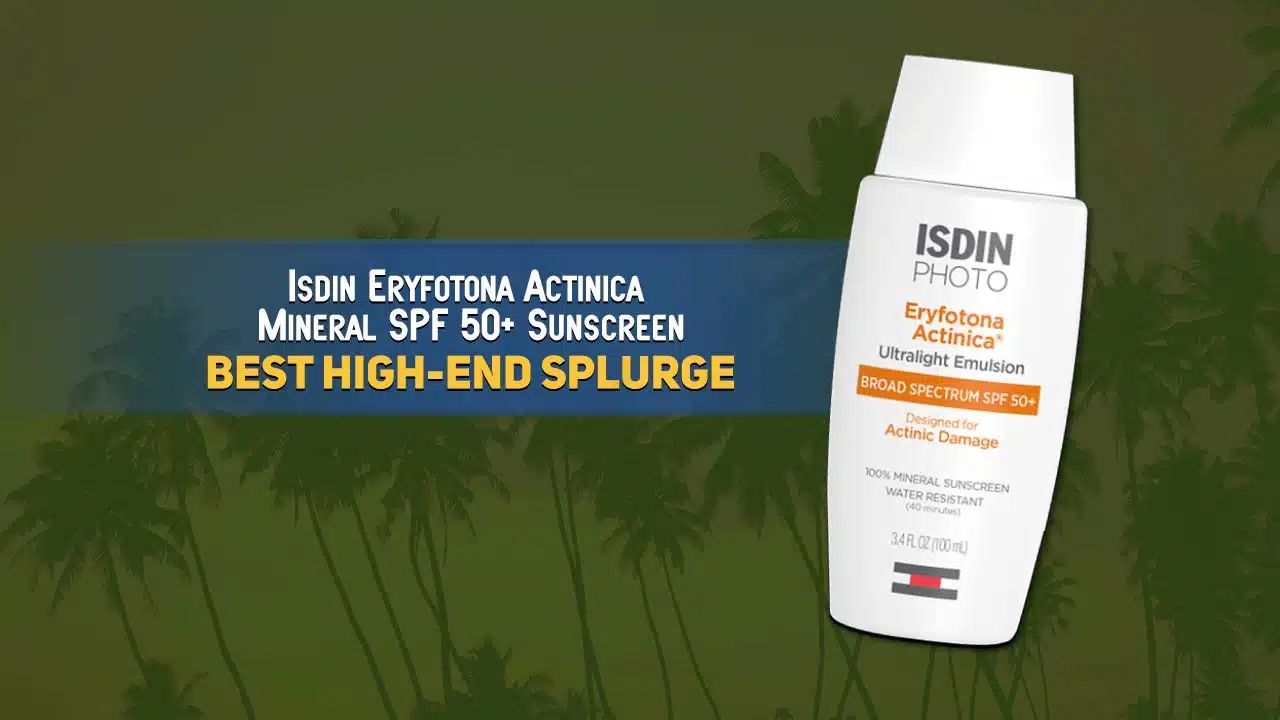
Isdin Eryfotona Actinica Mineral SPF 50+ Sunscreen offers top-notch protection for those willing to spend more. This high-end product blends cutting-edge sun-blocking tech with skin-loving ingredients.
Features & Description
Isdin Eryfotona Actinica Mineral SPF 50+ Sunscreen packs a powerful punch in sun protection. This high-end product boasts DNA Repairsomes and vitamin E, which help fix skin damage from UV rays.
It’s water-resistant for 40 minutes, perfect for a quick dip or sweaty outdoor activity.
The sunscreen stands out with its light feel and clear application. No ghostly white cast here! At $60 for 3.4 ounces, it’s pricier than most – about $17.65 per ounce. But many users find the quality worth the cost for effective, reef-safe sun blocking.
Pros & Cons
Isdin Eryfotona Actinica Mineral SPF 50+ Sunscreen offers top-notch protection with a few trade-offs. Let’s break down its strengths and weaknesses:
| Pros | Cons |
|---|---|
| Lightweight formula | Higher price point |
| Quick absorption | May leave a slight white cast |
| Glowing, matte finish | Small bottle size |
| Provides hydration | Not widely available in stores |
| No sticky or oily residue | May not be suitable for all skin types |
| Water- and sweat-resistant | Requires frequent reapplication |
| Non-irritating to skin and eyes | Limited shade range |
| High SPF protection | Can be difficult to blend |
This sunscreen shines in its formula and finish. Users love its light feel and quick absorption. It hydrates without leaving a greasy film. The matte glow it gives is a bonus for many. Its water and sweat resistance make it great for outdoor activities. Plus, it won’t bother sensitive skin or eyes. On the flip side, the price tag might make some hesitate. The white cast could be a problem for darker skin tones.
Its small size means you’ll run out faster if you use it daily. You might have trouble finding it in local shops. Some skin types may not mesh well with its formula. You’ll need to reapply often for constant protection. The limited shade options might not suit everyone. Lastly, it can take some effort to blend in smoothly.
How to Choose the Right Reef-Safe Sunscreen
Picking the best reef safe sunscreen can be tricky. Look for products with zinc oxide or titanium dioxide as active ingredients.
Considering SPF and water resistance
SPF and water resistance are crucial factors in choosing the best reef safe sunscreen. A higher SPF offers more protection against harmful UV rays. Look for products with at least SPF 30, which blocks 97% of UVB rays.
Water resistance is vital for beach activities. Some sunscreens stay effective for up to 80 minutes in water. This feature helps maintain protection during swimming or snorkeling.
For optimal reef and skin safety, pick a broad-spectrum sunscreen. This type guards against both UVA and UVB rays. Reapply often, especially after swimming or sweating. A good rule is to use about one ounce of sunscreen for full-body coverage.
This amount is roughly equivalent to a shot glass full.
Understanding the environmental impact
Choosing the best reef safe sunscreen goes beyond personal skin protection. It’s about safeguarding marine ecosystems. Non-reef-safe products contain chemicals that harm coral reefs. These chemicals lead to coral bleaching, a process that’s devastated over 90% of some reef areas since the 1980s.
Reef-safe options aim to reduce this damage. But recent studies show even these can pose threats to marine life. It’s crucial to pick products carefully and use them sparingly. This helps minimize our impact on fragile underwater worlds while still protecting our skin from harmful UV rays.
Takeaways
Best reef safe sunscreens protect both your skin and marine life. They offer effective UV protection without harming coral reefs. Choose products with non-nano zinc oxide or titanium dioxide for the best results.
Remember to reapply often, especially after swimming or sweating. By picking eco-friendly options, you’ll enjoy the sun responsibly while preserving our oceans for future generations.
References
- https://www.treelinereview.com/gearreviews/reef-safe-sunscreen (2024-04-28)
- https://www.nationalgeographic.com/lifestyle/article/best-reef-safe-sunscreen (2024-05-23)
- https://www.ncbi.nlm.nih.gov/pmc/articles/PMC9686485/
- https://www.consumerreports.org/health/sunscreens/the-truth-about-reef-safe-sunscreen-a3578637894/ (2022-08-11)
- https://www.amazon.com/Blue-Lizard-Sensitive-Mineral-Sunscreen/dp/B083VY5GVN
- https://bluelizardsunscreen.com/products/sensitive-mineral-sunscreen-spf-50-5oz
- https://www.amazon.com/Stream2Sea-Biodegradable-Non-Greasy-Moisturizing-Protection/dp/B017BVN9BC
- https://www.amazon.com/STREAM-SEA-Biodegradable-Moisturizing-Protection/dp/B017BVHJ9A
- https://www.kitchenstewardship.com/mineral-sunscreen-review-stream2sea/
- https://stream2sea.com/products/sunscreen-spf-30/
- https://www.amazon.com/Thinksport-Sunscreen-SPF-50-Ounce/dp/B00K3JQO9Y
- https://www.eatingwell.com/article/7913195/best-reef-safe-sunscreens/ (2024-05-20)
- https://thinksun.com/collections/thinksport-sunscreen
- https://www.badgerbalm.com/products/sport-mineral-sunscreen-cream-tube-spf-40
- https://www.amazon.com/Badger-Sunscreen-Unscented-Resistant-Ingredients/dp/B08YFLS2LN
- https://www.amazon.com/SurfDurt-Resistant-Pigmented-Sunscreen-container/dp/B07HXTFKCP
- https://www.surfdurt.com/
- https://www.travelandleisure.com/style/beauty/reef-safe-sunscreen (2024-06-16)
- https://www.reefrepair.com/
- https://www.forbes.com/sites/forbes-personal-shopper/article/isdin-photo-eryfotona-actinica-spf-50-review/ (2023-07-31)
- https://www.amazon.com/ISDIN-Eryfotona-Actinica-Mineral-Sunscreen/dp/B07RXS4FQM
- https://earth.org/reef-safe-sunscreen/ (2022-03-28)