Where can you travel that is fun and kind to the planet? Many of us want trips that do good, not just photo stops. Finding plans that protect nature and help local jobs can feel tricky.
World Tourism Day 2025 puts that goal front and center. It highlights sustainable tourism, which means travel that supports people and safeguards places. It also lifts up climate-resilient tourism, a simple idea: build trips and services that can handle heat, storms, and weather shifts.
This guide walks you through the events, the news from Melaka, and what matters now for responsible tourism. You will spot fresh trends, useful tips, and ideas you can use for your next trip or business move.
Ready to plan smarter change, one journey at a time? Keep reading.
Key Takeaways
- World Tourism Day 2025 happens in Melaka, Malaysia, under the theme “Tourism and Sustainable Transformation,” with a focus on climate-resilient tourism.
- The United Nations Tourism Organization leads global talks on sustainable travel, education and skills, responsible tourism, and accessible tourism for all.
- Events include webinars, heritage walks, and hands-on workshops that teach eco-friendly choices and practical skills for guides and small businesses.
- 2025 trends point to greener hotels using solar power, low-impact group tours, more public transit, and fair support for local communities.
- New tools like Navilens make world heritage sites easier to explore for travelers with different needs.
Theme for World Tourism Day 2025
This year’s theme, “Tourism and Sustainable Transformation,” calls for smarter choices in every part of travel. Leaders, students, and experts will share lessons on climate action, respect for culture, and fair growth.
“Tourism and Sustainable Transformation”
Tourism shapes cities, coastlines, and small towns. Sustainable tourism means trips that protect natural resources and honor local culture. Climate-resilient tourism builds routes, services, and jobs that stand strong through weather changes.
Small actions add up. Refill a bottle instead of buying a plastic one. Pick stays that use clean energy. These choices shrink your travel footprint and support sustainable development goals set by many countries.
Open data from portals like data.europa.eu helps build smarter business models and shows the economic impact of tourism. Governments invest in education and skills so local people benefit without losing their heritage. Airlines, including Malaysia Airlines, reduce single-use plastics and support accessible tourism so more people can fly with ease.
Some cities direct hotel tax funds to green projects, including in Melaka, the host city. Social media spreads ideas fast, and UNWTO statutes guide fair rules that keep global tourism steady and safe for everyone.
Host Country for 2025
Melaka, Malaysia, welcomes the world with living history, good food, and steady work on greener travel.
Melaka, Malaysia
Melaka is a historic port with roots in trade dating back to the 1400s. Trishaws roll past Dutch-era buildings, and street art brightens narrow lanes. At Jonker Walk, also called Jalan Hang Jebat, you can taste Peranakan dishes and find handmade treats.
Melaka holds UNESCO status, which draws travelers who value responsible tourism. The city tests climate-resilient ideas, like solar river cruises and low-waste festivals. Local leaders partner with small firms to show how tourism development can grow skills and income.
Air travelers will find airport lounges and services that support accessible tourism. From there, many visitors choose to walk or ride a bicycle taxi to see the city at a human pace.
Key Highlights of the Celebration
Melaka comes alive with parades, talks, and local pride. You will hear big ideas and see simple steps anyone can take.
Sustainable tourism initiatives
Green projects take the stage throughout the week. River and beach cleanups bring locals and guests together. Tree plantings restore shade, prevent erosion, and help with climate change.
Hotels install solar panels and cut plastic waste. Workshops teach responsible tourism, such as saving water, using refill stations, and giving wildlife space. Community tours share local culture and bring steady income to host families.
UN Tourism runs seminars on education and skills for guides and owners. Sessions show how to swap cars for bikes, buses, and trains. Accessibility is part of every plan, with ramps, clear signs, and help desks so everyone can join.
Cultural showcases and events
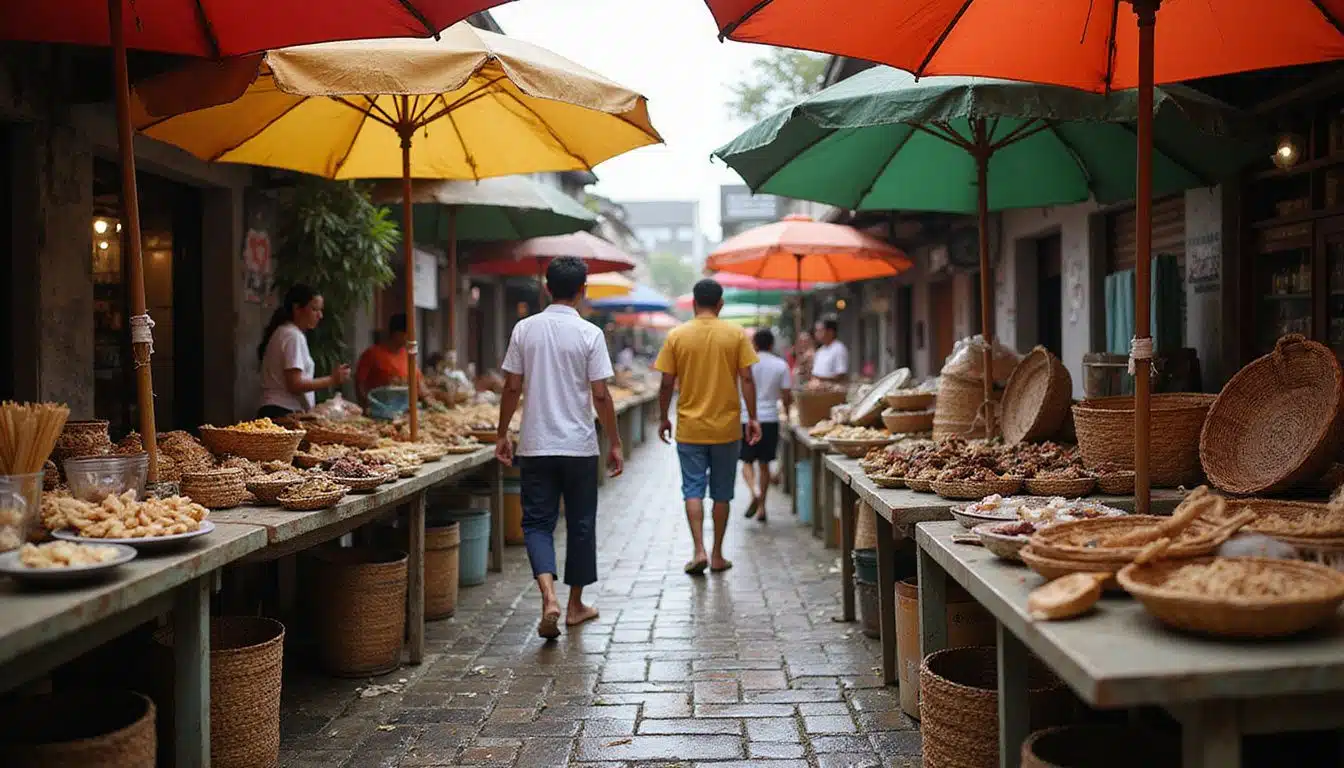
Street performers play traditional music in busy squares while kids giggle at puppet shows. Artisans weave baskets and make batik as you watch. Food stalls serve spicy satay and sweet pineapple tarts, simple bites with long stories.
Dancers in bright sarongs move through evening parades. Museums host art sessions for families, and short films reveal life along the Straits of Malacca. Student guides explain how education supports responsible tourism and protects temples from rising heat and storms.
Global forums and discussions
Leaders, teachers, and travel pros meet in open forums to share what works. Many talks cover climate-resilient tourism, worker training, and fair access to travel.
Panels dig into accessible tourism as well. The United Nations World Tourism Organization helps direct debates on the economic impact of tourism and how to speed up sustainable transformation. Clear takeaways help communities make better plans back home.
Featured Events
Expect hands-on learning, lively markets, and real talk from locals and experts. These events turn ideas into action you can copy.
International tourism webinars
Join from your couch or a cafe. The sessions are free to watch and easy to follow.
- Experts from UN Tourism explain how travel can support climate action and why accessible tourism matters.
- Live Q&A lets you ask about responsible tourism or local economic impact.
- Interactive workshops show how to build trips that help communities and grow education and skills.
- Global leaders and guides share field stories about climate-resilient tourism, step by step.
- Digital panels on sustainable transformation connect you with people who protect culture while welcoming visitors.
- Some webinars feature new apps and tools for lower-carbon, responsible travel.
- Live polls keep sessions fun as you vote on future trends and key issues raised under UNWTO statutes.
- Short quizzes test your knowledge on heritage sites and eco projects, plus key dates like World Tourism Day 2025.
- Open access invites students, families, and business owners to learn together across borders.
- Feedback forms shape later forums so your voice guides better global tourism.
Local heritage and eco-tourism tours
These tours mix learning with gentle adventure. They also support local families and nature.
- Walk through old forts and trade houses in Melaka, a clear view of tourism development over time.
- Ride a mangrove boat along the Melaka River to see how careful travel helps nature recover.
- Join story nights with village elders who share myths, food ways, and craft tips.
- Follow eco trails through fruit farms where growers explain how they face climate change with green methods.
- Visit artisan studios for batik or rattan. Buying direct sends income to families.
- Share a home-cooked Peranakan meal in small kitchens that welcome guests from many backgrounds.
- Spot rare birds at a rainforest reserve while guides use simple ID apps to help you learn.
- Plant trees on reforestation days led by conservation groups tied to UN Tourism projects.
- Cycle past murals that tell stories of trade and unity, a reminder that sustainable transformation is active and local.
Emerging Travel Trends for 2025
Travel keeps getting smarter. The next wave is simple, fair, and rooted in place.
Focus on sustainable travel
More people pick eco stays and low-impact tours. Smart hotels save water and power. Some add solar panels, rain tanks, and local food to cut waste. Small group trips reduce pressure on wildlife and give guides stable work.
UN Tourism encourages responsible choices worldwide. Walk, bike, or ride buses and trains when you can. Hire local guides who share their home stories. You see more, and your money stays in the community.
Shift towards authentic and inclusive experiences
Travelers seek real contact with people, not staged moments. Many choose homestays and help with village projects. In Melaka, families cook heritage dishes and teach simple crafts. Kids often lead dance steps during community classes, which is pure joy.
Accessible tourism is rising too. Some guides use sign language. Ramps are added at major sites, and tours test tools like Navilens and Be My Eyes to support different needs. When travel welcomes everyone, global tourism grows stronger and more caring.
Takeaways
World Tourism Day 2025 brings fresh energy to shared journeys. Melaka hosts a mix of culture, learning, and action. Forums spark ideas, and street events celebrate local pride.
The message is steady and clear. Choose responsible tourism. Support accessible tourism. Plan trips that fit climate-resilient tourism. Small steps, repeated by many, can move global tourism in a better direction.
Sustainable transformation begins with your next choice. Pack light, travel kindly, and help the places you love thrive for years to come.
FAQs on World Tourism Day 2025
1. What is World Tourism Day and why do people celebrate it?
World Tourism Day shines a light on global tourism, bringing folks together to talk about responsible tourism, sustainable travel, and the future of exploring our planet. It’s not just another date on the calendar; it sparks conversations about how travel shapes communities.
2. How does World Tourism Day 2025 focus on sustainable tourism?
This year’s events highlight climate-resilient tourism and accessible travel for everyone. Workshops dive into eco-friendly practices, while talks cover ways to protect local cultures as we explore new places.
3. Who organizes these global celebrations for World Tourism Day?
The UN agency for tourism leads the charge each year, working with cities worldwide to promote education and skills in tourism development. Local groups often join in too, hosting their own activities that support responsible choices when traveling.
4. Why should travelers care about accessible or climate-resilient tourism during these events?
Accessible tourism opens doors for all adventurers—no one gets left behind at the station or airport gate! Climate-resilient options help keep destinations thriving even as weather patterns shift; both ideas make sure your favorite spots stay welcoming long after you’ve gone home with souvenirs and stories worth sharing.