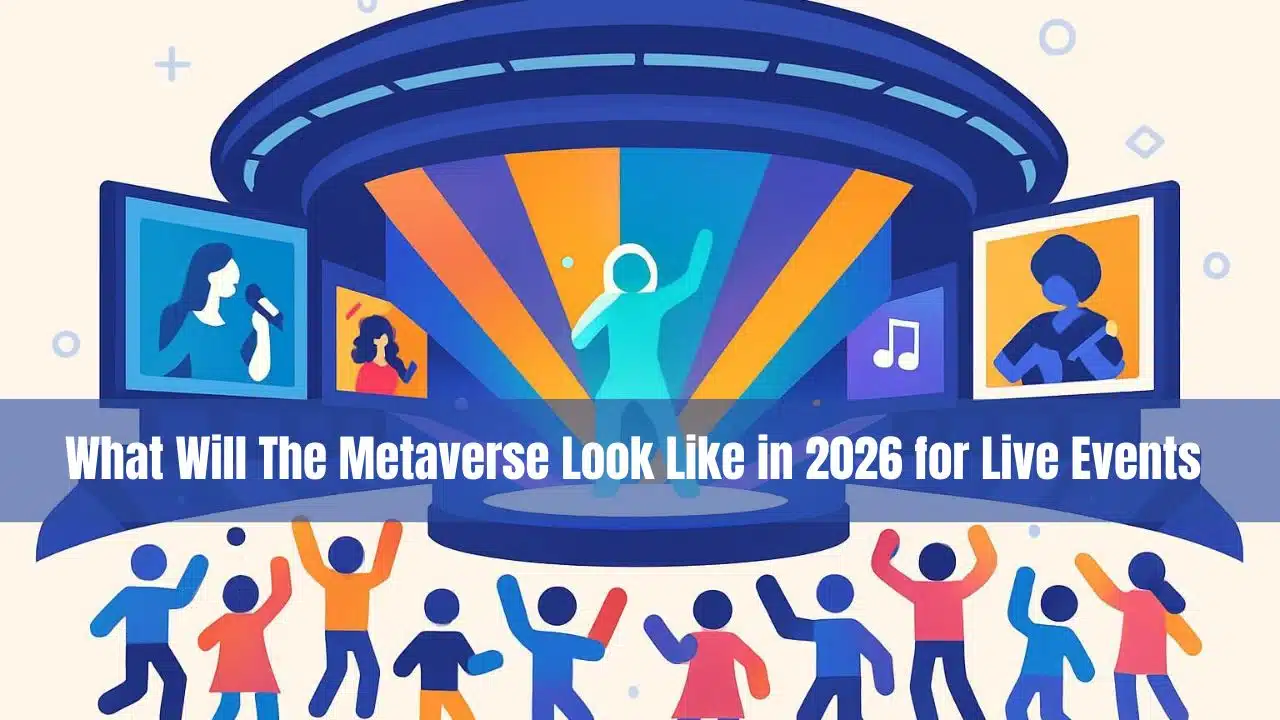
Have you ever wondered if a virtual concert could feel as real as being front row at Madison Square Garden?
I get it. We’ve all heard the hype about the metaverse before.
But here’s what caught my attention: by 2026, a quarter of people worldwide will spend at least one hour daily in the metaverse, and the global metaverse market is projected to surpass $300 billion. The numbers from recent reports by DemandSage and Market.us show that virtual live events are no longer a sci-fi fantasy. They’re becoming a real option for how we experience concerts, sports games, and big moments.
So grab your favorite drink and let’s walk through this together.
I’m going to show you exactly what to expect from live events using virtual reality, augmented reality, and immersive digital spaces by 2026.
Key Takeaways
- By 2026, immersive live events in the metaverse will use VR, AR, and XR, letting fans join concerts or games with lifelike avatars at home.
- Hyper-realistic avatars, AI, and haptic devices like Apple Vision Pro will make audience interactions feel almost real, boosting fan energy and engagement.
- Livestream shopping and virtual commerce will let users buy digital merch and NFTs in seconds, driven by social media platforms and digital currencies.
- Cross-platform systems and lightweight XR wearables will help anyone join big events on any device, with 5G and 6G networks offering smooth, no-lag access.
- Security risks like biometric data leaks will grow, so strong privacy rules and GDPR-like standards are needed to keep all event data safe.
What Are Immersive Virtual Venues for Live Events?
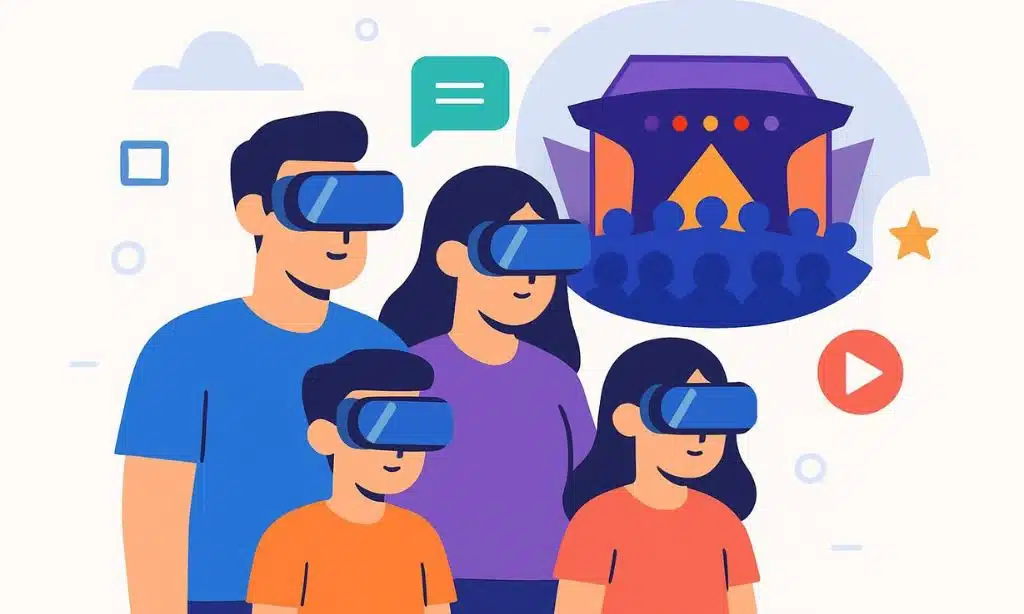
Think of immersive virtual venues as digital twins of real-world stadiums or theaters.
These spaces use AR, VR, and XR technologies to create 360-degree experiences. For example, the Brooklyn Nets used 100 high-resolution cameras to capture a complete VR basketball game, letting fans experience every angle as if they were sitting courtside. According to a 2025 report from SQ Magazine, entertainment and live events generated $25 billion in revenue, with artists now hosting VR-exclusive tours.
You can sit in virtual seats and chat with other fans in real time.
High-capacity servers allow thousands of people to join these events at once. Platforms like Meta’s Horizon Worlds host concerts where you can buy merchandise, trade NFTs, or wear digital jerseys during live streams. With haptic devices and full-body tracking arriving by 2026, you might cheer with friends using your avatar’s real moves.
Here’s what makes this so exciting: sales of immersive hardware will top 40 million units annually. That means more people can join concerts or games from anywhere using headsets like Apple Vision Pro. This wave brings mixed reality fun straight into living rooms worldwide, no plane ticket needed.
Who’s leading the way in virtual venues?
Platforms like Fortnite pioneered massive virtual concerts.
Travis Scott’s 2020 Fortnite concert attracted 12.3 million live viewers, while the Galactus event in 2021 drew 15.3 million players. In 2025, Shawn Mendes performed at Meta’s Horizon Music Valley, bringing his Red Rocks show to a global VR audience. Companies like AmazeVR are also building physical VR concert venues featuring artists like Megan Thee Stallion and TOMORROW X TOGETHER.
How Will Hyper-Realistic Avatars Improve Audience Interaction?

Hyper-realistic avatars are changing how we connect at virtual events.
AI and digital twins now animate these avatars, making them act, move, and speak in ways that feel authentic. Advanced motion-tracking equipment allows your avatar to mimic your body language. It replicates every nod or wave as if you were actually present.
With volumetric video, performers appear almost three-dimensional inside virtual venues.
Fans can interact with their favorite athletes or artists using full-body tracked avatars. In 2026, gesturing to a singer in a metaverse concert means your avatar accurately mimics your movements. Haptic devices introduce another dimension, so users can experience touch. Imagine feeling a high-five from across the world.
These features reduce the gap between virtual and real audience engagement. Crowd energy becomes infectious again.
Avatars are no longer limited to one platform.
A single digital identity now accompanies users to classrooms, e-commerce stores, news feeds, and parties within various simulated environments. Companies like Meta are developing cross-platform support, so guests can wear their preferred digital outfits everywhere using tools like Apple Vision Pro headsets. Each advancement creates more immersive customer experiences and influences new behaviors for fans desiring enhanced user engagement through artificial intelligence and adaptive learning systems.
Integration of Augmented Reality Elements in Live Events

Augmented reality is blending digital layers with live events, adding wild effects and instant info right on your phone or AR wearables.
How will AR enhance live event experiences?
AR tools like Apple Vision Pro and head-mounted displays can turn a regular concert, sports game, or class into a digital playground.
Attendees see digital twins of products and can test them with advanced virtual try-on tech. According to Snap Inc., AR in retail boosts buying confidence by 80 percent and cuts down returns. XR pop-up stores open in real time, giving fans a shot at digital merchandise and NFTs before anyone else.
Digital storytelling becomes more powerful.
Interactive AR elements, like gamified retail, spark curiosity and keep people involved longer. A 2025 report from BrandXR found that AR campaigns generate 3x higher brand lift at 59% reduced cost. Luxury brands host exclusive events inside XR environments, inviting only select digital identities to join. In healthcare, telemedicine now uses AR for better consultations, making charts and patient data pop up right in front of your eyes during live sessions.
What technologies enable AR integration in the metaverse?
AI now simplifies AR lens creation, so brands and creators can build digital layers with ease.
Standalone headsets from companies like Apple Vision Pro deliver AR and VR worlds with desktop-level performance packed inside a single device. Lightweight, stylish XR wearables will become common by 2026, making augmented reality easy for everyone. According to Imagine.io, the global AR market is expected to exceed $50 billion by the end of 2025, with the micro LED display chip market for AR glasses projected to grow to $41 million by 2026.
Powered by super-fast 5G and 6G networks, live events will stream AR content with almost no lag.
Open SDKs and modular tools help creators launch AR quickly in virtual worlds like Horizon Worlds or classrooms. Low-code XR software opens AR development to more people, making it simple to personalize digital twins or run virtual commerce. Sponsored Snaps will let brands target ads using AR tricks in real time.
To tie it all together, industry standards for interoperability are a must.
These rules allow different platforms to work together, so your virtual experiences run smoothly, no matter where you are. Tools like WebAR eliminate the need for app downloads, letting users scan a QR code through platforms like 8th Wall and experience AR instantly on any smartphone.
How Can AI Personalize Event Experiences for Attendees?

AI analyzes your digital twin, your searches, social media preferences, and time spent in virtual classrooms.
It identifies indicators from the cookies left during sessions on platforms like Horizon Worlds or Apple Vision Pro. Soon after, personalized chatbots appear with intelligent suggestions for networking and attending popular events, like a friend who’s always aware of your interests.
During 2026 events, AI-driven avatars welcome visitors by name and recall their favorite artists or brands.
Sponsored content adapts quickly based on interactions. Targeted ads feel more relevant as they align with each guest’s interests. For live feedback, AI monitors in real time through tools like Facebook Pixel or Google Analytics, then adjusts music styles and speaker topics seamlessly.
This digital transformation results in improved streaming, advanced event maps powered by industry 4.0 technology, and quick recommendations.
Everyone can maximize their time within these immersive experiences.
Virtual Commerce During Live Events

Shopping in the metaverse feels like strolling through a digital market, packed with shiny NFTs and merch.
How can attendees purchase merchandise and NFTs in real-time?
People can now buy digital goods and NFTs while watching live shows in virtual spaces.
Shopping in the metaverse brings the mall right to your couch, with no waiting in line. Social media platforms like TikTok and Instagram power real-time shopping during events, copying trends seen across Asia. One-click buying becomes as easy as liking a post.
NFT-based merchandise drops happen live, so you grab rare items before they sell out.
According to August 2025 data from DappRadar, metaverse-related NFT sales rose 27% with $6.5 million in trading volume and nearly 14,000 transactions. These digital collectibles show up in your wallet within seconds. Mini-programs inside apps make buying smooth and quick. You do not have to leave the concert or sports event to pay for a shirt or hat.
Here’s what makes this so convenient:
- Digital twins of sneakers, shirts, or art pieces can be previewed on your avatar before you purchase using AR tools like Apple Vision Pro or Pinterest’s try-on features.
- Transactions use digital currencies for speed and safety, cutting down bounce rates and keeping supply chain worries at bay.
- Smart ads hit you at just the right moment, thanks to AI-driven ad targeting from Instagram and Pinterest, improving customer engagement during events.
- Virtual pop-up stores open in immersive venues powered by Horizon Worlds or similar VR platforms, where people browse new designs while chatting with other fans across the globe.
- Microtransactions become the norm, with most items costing pocket change but adding up fast across millions of buyers at popular sessions.
The NFT market is showing signs of life
User-generated content drives hype around limited drops.
Influencers show off products live on social media marketing channels like TikTok’s livestreams set inside virtual classrooms or offices. The global Metaverse NFT market is projected to reach $3.078 billion by 2033, growing at a CAGR of 24.8%, according to Market.us. Platforms like The Sandbox and Decentraland saw major activity in 2025, with The Sandbox hosting its largest land auction in July.
Security tech from companies like Cloudflare protects every click, fighting off cyber-attacks and security breaches so people can shop with peace of mind.
What Are Collaborative Event Spaces With Enhanced Interactivity?
Collaborative event spaces in the metaverse feel like stepping into a virtual classroom, but so much cooler.
XR tools like Microsoft Mesh and Meta Horizon Workrooms turn boring meetings into lively teamwork. You can walk through digital land beside an avatar of your coworker, chat at interactive walls, or solve problems together in gamified zones. Real-time discussions keep everyone on their toes while Threads feeds spotlight hot trends as they happen.
Volumetric video brings people together for group activities that almost feel real.
In-stream AI chatbots help with networking or even polish up your profile mid-event. XR pop-up shops let groups create projects or buy collectibles using digital currencies without missing any action. Mixed reality unlocks new ways to build things side by side, share wild ideas, and connect from anywhere, even if you’re lounging in pajamas instead of an office chair.
How Does Gamification Impact Engagement in Metaverse Live Events?
Gamification in metaverse live events lights a spark.
Points, badges, and leaderboards push people to join activities and stay longer. Virtual classrooms use gaming rules to make learning fun and personal. Each student gets challenges that feel possible, not overwhelming. In retail zones, attendees hunt for digital treasures or race to buy limited NFTs with virtual currencies like Ether or exclusive tokens from platforms like Horizon Worlds.
Gaming-inspired features now drive microtransactions and shopping decisions throughout these immersive experiences.
Creators on TikTok use game-style competitions inside streaming spaces with lifelike avatars. Storytelling shifts gears too. AR filters and VR puzzles hold attention far better than long speeches ever did. Even enterprise training uses XR-based quests, so employees learn skills faster while having a good time doing it.
This fresh approach boosts both satisfaction rates and the chances visitors will come back for the next big event in 2026’s digital landscape.
How Will Cross-Platform Accessibility Improve Event Participation?
Avatars move smoothly from Meta to Microsoft Teams or TikTok, like digital twins switching classrooms.
XR wearables will grow cheaper and lighter before 2026. Anyone can join live virtual events using a headset, phone, or laptop. Social sharing through VR or AR helps more people attend without fancy gadgets. Platforms talk to each other using common standards and mini-programs for easy streaming.
5G and 6G networks mean no lag during big concerts in Horizon Worlds or virtual offices powered by WordPress tools.
Schools use accessible interfaces so students with any device can take part in lessons. Real-time features let buyers grab digital merchandise or NFTs right away, growing the virtual economy fast. SDKs make it easier for hosts to open doors wide, reaching fans wherever they are on the web.
Inclusive design breaks down barriers for everyone.
Gamers on PCs, teachers building virtual classrooms, music lovers joining via Apple Vision Pro headsets, or even parents tuning in from simple tablets as their kids show off new skills learned online. No one gets left out of this digital transformation. Cross-platform access is the golden ticket to diverse crowds at every event touchpoint.
What Security and Privacy Challenges Do Virtual Event Attendees Face?
Metaverse live events in 2026 will carry new risks for privacy and security.
Motion tracking, biometric data, and behavioral details from immersive technologies like AR and VR get collected. According to a 2025 study published by NYU’s Stern Center for Business and Human Rights, XR hardware continuously tracks head movements, eye movements, and spatial maps of physical surroundings, which can reveal highly sensitive information about users.
This data can include face scans or even how you move your hands in digital twins or virtual classrooms.
Hackers might target these systems using weak spots between platforms as interoperability increases. In-app payments through digital currencies open doors for scams if privacy controls stay weak. NFT transactions during concerts may also need stronger protocols to block fraudsters.
Legal fights over personalized feeds could spark pushes for plain-vanilla, chronological event views instead of algorithm-driven surprises on platforms like Horizon Worlds or X.
According to a 2025 systematic review in Science Direct analyzing 114 papers, the metaverse introduces multifaceted privacy and security risks, from data breaches to surveillance capitalism.
Platform rules must work hard to keep risky content out as monetization grows inside the virtual economy.
Stronger standards similar to GDPR will shape how attendee information stays safe with tools like self-sovereign identity by 2026. This applies no matter if you’re exploring Apple Vision Pro apps, attending an NYSE: IT summit, or hanging out in mixed reality venues built for education and remote work.
What are the Predictions for Audience Engagement Metrics in 2026?
Audience engagement in 2026 will shift, with data pointing to rising activity, smarter interactions, and richer social sharing across XR platforms and live events.
| Prediction | Entities and Platforms | Data and Facts |
|---|---|---|
| Reels will take over half of app activity, pushing short video to the main stage. | Instagram Reels, Meta | Reels projected at 50% of app usage time in 2026. |
| Threads will see more engagement than Twitter, boosting event chatter and live reacts. | Threads, Twitter (X), Meta | Threads expected to surpass X in active users. |
| XR-powered events will spark deeper participation, but keep early-bird costs low for hosts. | XR, AR, VR, Meta Quest | XR adoption drives higher engagement and reduced costs. |
| Livestream shopping will catapult audience involvement, with instant buys and fan-driven commerce. | Livestream shopping, Shopify, Instagram, TikTok | Interactive shopping boosts participation rates. |
| Full-screen video and live moments will pump up attention spans, especially on LinkedIn. | LinkedIn, Zoom, Vimeo | More live events, longer watch times predicted. |
| AR and VR will fuel social sharing, making events easier to spread and join across apps. | AR, VR, Snapchat, Meta, Apple Vision Pro | Social shareability set to climb, lifting reach and engagement scores. |
| Real-time talks and trend features will glue people to new social hangouts. | Threads, Clubhouse, Discord, TikTok Now | Live discussions drive repeat visits, higher retention. |
| Brands using XR for events will earn stronger fan ties, leading to higher loyalty stats. | XR, Roblox, Fortnite, Meta | XR events boost brand presence, loyalty metrics rise. |
Takeaways
By 2026, live events in the metaverse will feel like stepping onto a vibrant stage. Friends will chat through lifelike avatars right from their digital homes or offices. Buying event merch, NFTs, and even snacks with digital currencies? Easy as pie.
Thanks to AI and AR, every virtual experience can fit each person’s taste, kind of like a playlist made just for them. If you thought concerts were fun before, wait until you’re cheering next to fans from all over while sitting on your couch. Talk about living in a new dimension!
FAQs
1. Will virtual reality games be part of live events in 2026?
Yes, virtual reality will absolutely be integrated into live events, letting you interact directly with the performance using popular headsets like the Meta Quest 3. The market for these immersive experiences is growing fast, with a 2024 report from Statista projecting the user base to expand significantly by 2026. This means more chances to feel like you’re right there in the action from your own home.
2. How will augmented reality change live events by 2026?
Augmented reality (AR) will bring performances to you by projecting digital twins of artists into your space using tech from companies like Proto Inc. At live sports events, you’ll be able to point your phone at the field to see real-time player stats pop up, a feature already tested in the NFL. This use of augmented reality makes the entire experience more interactive.
3. What role will virtual classrooms play in the metaverse for events?
Virtual classrooms will become a key part of major conferences, hosting workshops on platforms specifically designed for learning, such as ENGAGE XR. This digital transformation allows attendees to collaborate on 3D models in real-time, offering a level of interaction that video calls can’t match. It’s a powerful way to learn new skills in a shared immersive workspace.
4. Will people buy tickets using digital currencies in 2026?
Absolutely, buying tickets with digital currencies or as NFTs from platforms like YellowHeart will become a normal part of the virtual economy.
5. Can I attend events in virtual offices or virtual homes?
You bet, as you’ll easily be able to host watch parties in customizable virtual homes on platforms like Spatial. With mixed reality (MR) becoming more common, you can even watch the show on a massive virtual screen that appears right in your physical living room. This creates the perfect social viewing spot by blending your real and digital worlds.
6. How will consumer behaviour shift with metaverse adoption for live events?
Consumer behaviour will lean towards hybrid options, demanding both physical and rich virtual experiences, inspired by the success of shows like ABBA Voyage in London, which uses incredible digital avatars. A 2023 Morning Consult poll showed that nearly half of millennials are interested in these new formats. This data on metaverse adoption is pushing organizers to prototype events that cater to this new target audience.