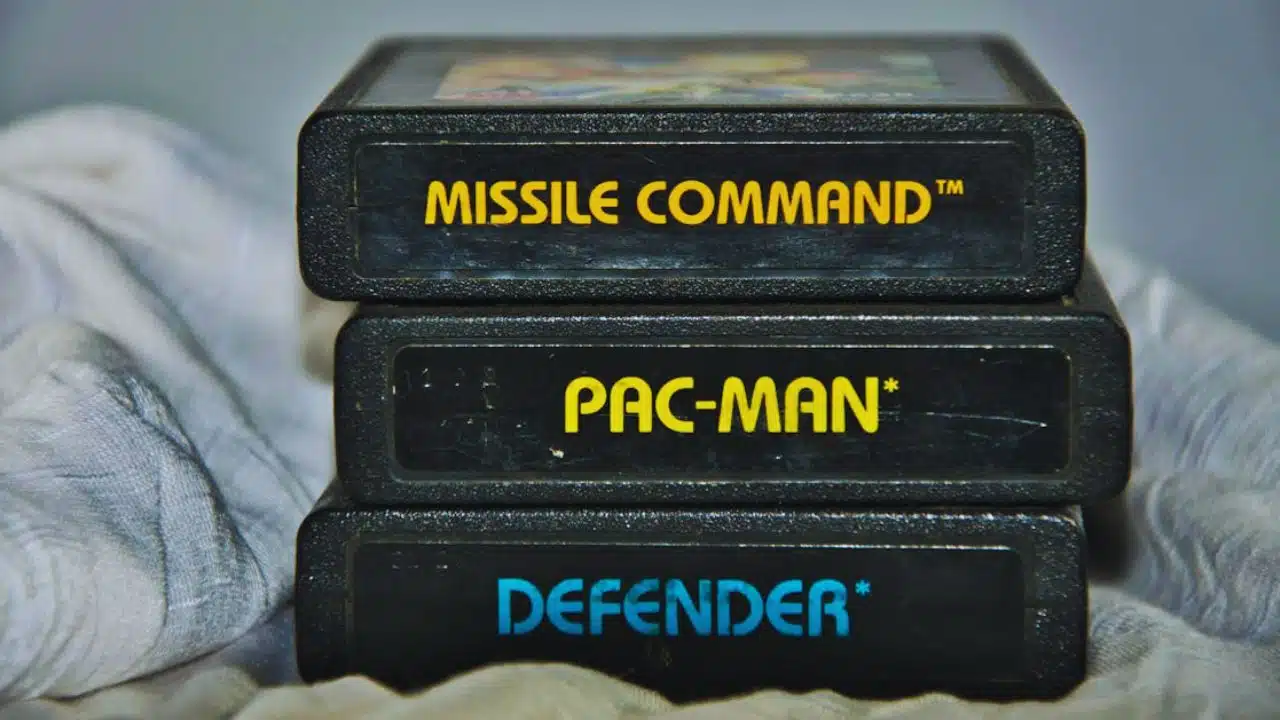
Old collectibles and outdated electronics often stay packed away for years. Many people keep them out of habit or because they don’t know what to do with them. These items might not seem useful anymore, but they still hold value in different ways. Whether they’re trading cards, handheld devices, or first-generation electronics, it’s worth finding out what your items are actually worth today. Instead of letting them sit in boxes, you can look into different ways to sell, recycle, donate, or even reuse them creatively.
Here are some practical ideas to help you get started with sorting through old personal items that go beyond their original purpose:
Assessing Condition and Demand
Before making any decisions, examine the condition of each item. Cards should be checked for bent corners, fading, or missing pieces. Electronics should be tested to confirm if they still work. Look for cables, boxes, and manuals—they often add value. Once you know what shape your items are in, search for similar listings online. Check if people are buying these things or asking about them in collector forums. Prices change often depending on trends, rarity, or brand. Knowing what’s in demand helps you decide whether to resell, donate, or keep it. Don’t rush the process. Spending a little time up front can make a big difference in your final decision.
Selling Cards, Games, and Collectibles for Cash
Certain collectibles have gained popularity in recent years. For example, trading Pokémon cards from well-known franchises is now worth more than expected, especially rare or limited-edition ones. Some platforms specialize in helping you turn those cards into cash with quick processing and no middle steps. They can offer easy card submissions, instant quotes, and direct payments. It’s useful for people who want to sell Pokemon cards without the stress of auctions or unreliable buyers. You can ship your cards safely and get paid fast. If you’re holding on to cards from childhood or a collection you no longer need, now might be the right time to cash out.
Donating to Schools, Libraries, or Nonprofits
If your items don’t have high resale value, they might still help others. Schools, community centers, and nonprofit organizations often welcome donations like working electronics, activity kits, and educational games. Kids and students benefit from older items that can be used for projects or entertainment. Before donating, check with the place to see what they accept. Clean each item and pack it carefully. Some places may even give you a receipt for tax deduction purposes. Giving your items a second life through donation is a practical way to reduce waste and support learning in your area. Plus, it helps you declutter without tossing useful items.
Repurposing for Creative or Functional Use
Old items don’t always need to be sold or donated. You can repurpose them for creative projects or personal use. For example, people turn outdated phones into music players or photo storage devices. Others use old keyboards for art or decoration. Vintage cables, buttons, and parts are also used in crafts or workshops. If you like DIY projects, think about what parts can be reused. You don’t need expensive tools to start. Basic materials and online tutorials can help. It’s a good way to recycle without throwing things away. Just make sure you clean the items and remove any private information before you reuse them.
Recycling Electronics Responsibly
When electronics no longer work or can’t be reused, recycling is a better choice than tossing them in the trash. Many devices contain batteries, metal, and plastics that require special handling. Look for certified e-waste recycling programs near you. Some retailers offer trade-in or drop-off services for phones, tablets, and other gear. It helps prevent pollution and allows useful materials to be recovered. Before handing items over, remove any personal data or storage cards. Some recyclers will even confirm when your device has been wiped or properly destroyed. Responsible recycling helps keep harmful materials out of landfills and supports cleaner reuse of resources.
Archiving What Holds Personal Value
Not everything needs to go. Some items hold emotional value or represent meaningful memories. That doesn’t mean you should keep everything. Choose selectively. Keep those collectibles or old gadgets that still make you feel something. Clean them, label them, and store them in acid-free boxes or display cases if possible. If you have cards or electronics from childhood, these can be kept in good condition for future generations or simply for personal reflection. Don’t let your collection take over your storage space, though. The key is to pick a few meaningful pieces and take proper care of them. It turns personal items into preserved memories instead of forgotten clutter.
Trading with Enthusiasts or Hobby Groups
If selling doesn’t appeal to you, try trading. Many collectors enjoy exchanging items. It helps them expand their collections while passing along extras. Local hobby shops or online forums often have active communities looking for fair trades. Whether you’re into action figures, old handheld devices, or collectible cards, someone out there probably wants what you have. When trading, take clear photos and describe the condition honestly. It builds trust and makes transactions smoother. Be open to fair deals rather than focusing only on high-value returns. A successful trade benefits both parties and can even help you build connections with people who share your interests.
Using Old Tech as Backup Devices
Outdated electronics can still serve simple functions. A phone from five years ago might not support the latest apps, but it can still work as a basic alarm, camera, or music device. Tablets can be used for eBooks or digital recipes in the kitchen. If you travel, older gadgets can serve as backups in case your main ones break. You don’t need to get rid of them right away. Charge them, do a factory reset, and set them up with limited tasks. That way, you reduce the strain on your newer gear and still find a use for older models without adding new clutter.
You don’t need to keep every collectible or outdated device forever. Whether you trade Pokémon cards for quick cash, barter with a fellow collector, or donate gear to a nonprofit, there’s almost always a practical option. The goal is to sort through what matters, decide what’s worth passing on, and let go of the rest. From personal keepsakes to broken electronics, each item can serve a new purpose. Start small, pick a box or drawer, and decide what stays and what goes. It’s a manageable way to make room, reduce waste, and even find value in things you forgot you had.