


Many teams try to build web3 games. They hit errors in smart contracts and see slow loads. Axie Infinity lost 45 percent of daily users by April 2022.
This guide spots seven common mistakes in blockchain tech, like bad tokenomics, NFT bugs, privacy gaps, and poor community engagement, then shows clear fixes. Read on.
Key Takeaways
- Teams without web3 skills struggle with wallet setup, key management, and gas fees. Mythical Games lets users sign up by email and handles 5.6 million active wallets each month.
- A weak vision and tokenomics can drive players away. Axie Infinity lost 45% of its daily users—from 2.7 million in November 2021 to April 2022—due to shallow gameplay and SLP token crashes.
- Poor scalability hurts performance and costs players. In May 2023, Mythical Games moved to Polkadot and processed 3 million transactions in 48 hours using Substrate, API caching, and off-chain indexing.
- Skipping audits and legal checks risks compliance and trust. CryptoZoo faced legal threats in 2021 over undisclosed team misconduct; teams should use external audits, KYC/AML, Truffle, Hardhat, MythX, and OpenZeppelin.
- Ignoring community feedback stalls growth. FIFA Rivals launched on June 12, let fans trade assets based on performance, and saw on-chain data surge as players shared tips and shaped updates.
Mistake #1: Lack of Expertise in Web3 Technologies
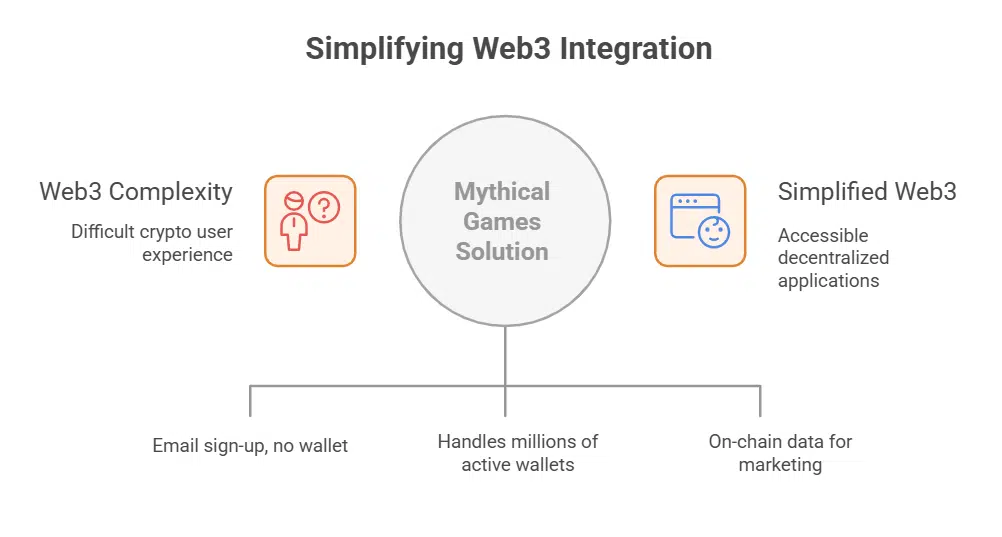
Teams trip up when they lack web3 know-how. They fumble crypto wallet setups and stutter over private key management. Gas fees catch them off guard. This error scares off users. A shaky blockchain network harms user-friendly goals.
Mythical Games rolls out an easy path. Devs and players sign up with email, no wallet hoops. It handles 5.6 million active wallets each month. Teams can tap on-chain data, use data analytics, and shape web3 marketing campaigns.
This tool cuts barriers in decentralized applications.
Mistake #2: Unclear Project Goals and Vision
They set out to build a web3 game but left the compass at home. This fuzzy vision left players and investors unsure what to expect. Axie Infinity faced a 45% drop in daily active users from over 2.7 million in November 2021 to April 2022.
Over time, shallow gameplay loops around minting NFTs and breeding Axies bored users. They rushed token rewards like the SLP token, and the market crashed in 2022 under too much play-to-earn hype.
You need a clear map before code lands on chain. Define your digital assets, target audience, and brand identity in plain terms. Use on-chain data and data analytics to track early user moves.
Share your plan with community building on social networks. Sketch tokenomics that tie to product value. Then deliver a web3 game that locks in players, not bounces them away.
Mistake #3: Ignoring Scalability and Performance Optimization
Scalability issues plague many web3 games and NFT platforms. High gas fees force developers to trim on-chain data, which means slower load times. Delays frustrate players and hurt blockchain networks, leading to lost brand awareness on social media and weak marketing strategy.
Stress tests and API monitoring can spot bottlenecks before a launch.
Mythical Games moved to Polkadot in May 2023 and smashed through 3 million transactions in 48 hours. It tapped Substrate frameworks, API caching, and off-chain indexing. Teams can mirror that success with layer2 rollups, sidechains, Infura APIs or The Graph data queries.
That way, community engagement stays high, and digital assets like NFTs or slp token trades happen without hiccups.
Mistake #4: Overlooking Legal and Compliance Requirements
Teams often skip legal steps. They chase web3 marketing goals and ignore policies. Missing compliance messages shakes trust and credibility. CryptoZoo faced legal threats in 2021 due to undisclosed team misconduct.
Ship your code with smart contract audits by external auditors. Hire legal counsel for protocol governance checks. Add two-factor authentication and clear terms to your digital assets.
Use Metamask and Chainlink oracles to log compliance events on Ethereum. Show audit badges on your website and boost user confidence.
Mistake #5: Flawed Smart Contract Development and Testing
Flawed smart contract code invites disasters. Over-dependency on various block modules creates inefficiencies and risks. Many developers skip unit tests. They deploy on Ethereum mainnet without proof.
They face gas spikes and hidden bugs. They lose digital assets and brand trust. Axie Infinity saw slp token drain in 2021 due to a contract bug. Mythical Games provides REST APIs and SDKs for smooth secondary game economy integration.
This setup cuts contract calls and saves gas. It speeds play in web3 games and supports ERC-721 nfts.
Devs ignore tokenomics and skip clear use cases. Code in blockchain technologies gets copied with no compliance checks. Skipping gas optimization leads to high fees. This flaw invites cyberattacks.
It harms community engagement and customer behavior metrics. Noncompliance with on-chain data laws can spark legal woes. Low key performance indicators (kpis) and weak marketing strategies follow.
Data analytics and visual logs reveal these issues early. Tools like Hardhat and Truffle work with a test suite in Remix for thorough checks. Running load tests and stress tests uncovers edge failures before launch.
Mistake #6: Neglecting Security Measures and Risk Management
Security checks protect nfts, tokens, and user personal data. Ignoring data privacy can lead to significant security risks and user distrust. Axie Infinity saw its SLP token inflation soar after weak controls let bots mint too much.
Weak tokenomics and unvetted contract code can spark a market crash. Those risks grow in blockchain games and other decentralized technologies.
Teams stage regular audits with tools like MythX and OpenZeppelin. They set spending limits and watch on-chain data feeds for odd spikes. They run pen tests and lock private keys in hardware modules.
That mix cuts holes in code and guards digital assets.
Mistake #7: Underestimating Community Engagement and Feedback
Developers skip fans on Discord or Telegram. Projects use nfts and web3 games without fan input. Teams lose key opinion leaders. Patrons demand open code and decentralized technologies.
A fall in community building kills brand awareness and hurts conversions. Mythical Games uses player-centric designs with immersive narratives to boost engagement.
FIFA Rivals launched June 12. It offers asset ownership and trading tied to performance. It sparked SLP token trades and sent on-chain data surging. Fans shared quick tips in web3 marketing chats and shaped updates fast.
Ignoring community engagement costs trust and slows growth.
How to Avoid Common Web3 Development Mistakes

Hook up Ether.js for clean on-chain data reads and run your code through Truffle tests to catch bugs early. Track data metrics from player sessions in blockchain-based games and tweak your digital collectibles flow with community feedback loops.
Invest in skilled developers and continuous training
Good teams can cut big mistakes. Mythical Games invests in skilled coders. They simplify blockchain integration for devs. They train staff to manage 5.6 million active wallets each month.
They cover web3 games, on-chain data, and decentralization. They show how to handle digital assets and nfts. They add slp token tests.
Teams join continuous training modules each month. Teams log new tricks each week. They attend sprints on smart contracts and code reviews. They run stress tests on web3 networks. They learn to spot bugs in real time.
They pick up chatgpt + for social platforms and data analytics.
Prioritize user experience and scalability from the start
Web3 games need fast, smooth interfaces, or they lose players. Simple menus, clear logos, and crisp typography guide new users. Present nfts and digital assets with intuitive touchpoints on every screen.
Games like Axie Infinity saw SLP token fees spike, and players dropped fast. Switch to a scaling solution or blockchain platform like Polkadot to trim costs.
Mythical Games processed over 3 million transactions within 48 hours on Polkadot. Data analytics flagged traffic spikes, so developers optimized on-chain data flows. They moved heavy tasks off the main chain, cutting lag.
Community engagement shot up when gameplay ran at full speed. That slick feel fuels better digital marketing and word of mouth.
Ensure thorough testing and compliance adherence
Developers run tests on every smart contract. They use a testing framework for automated runs. A development framework handles deployment and script tasks. Add code checks from a security library.
Run static analysis and gas profiling tools. Collect on-chain data to spot leaks or failed calls on decentralized technologies. Log results in dashboards for data analytics.
CryptoZoo skipped clear audits and faced legal threats in 2020. That hit its credibility and scared investors. Teams need KYC and AML checks for nfts and token sales. They must publish audit reports and compliance steps on a website.
Solid proofs ease compliance scrutiny from regulators. This also helps boost community engagement.
Real-World Examples of Web3 Development Success and Failures
Game studio Mythical Games runs 5.6 million active wallets each month. It processed over 3 million transactions in just 48 hours on Polkadot. That shows how strong its blockchain infrastructure and node setup can be.
The team tapped on-chain data and data analytics to boost digital assets and nfts. They even wove storytelling into web3 marketing, using visual identity and guerrilla marketing like a treasure hunt for players.
Axie Infinity once rewarded users with SLP token, then lost 45 percent of daily active users between November 2021 and April 2022. That shift hit its web3 games model hard. CryptoZoo then faced legal threats and community backlash over undisclosed team misconduct.
That debacle proved that clear protocols and active community engagement matter more than jokes or influencer hype.
Takeaways
Now you hold seven road signs. Each one points you to a safe route. You cut errors and save time. Use tools like Truffle, Metamask, and a block explorer. Track on-chain data and user feedback.
Get solid nfts, tokenomics, and user trust. See steady growth.
FAQs on Web3 Development Mistakes and How to Avoid Them
1. What is a common data mistake in web3 games?
Many skip on-chain data steps in web3 games, they skip early checks, then bugs surface. Use data analytics, test with real chain info from day one.
2. How can I avoid token design errors?
Some rush slp token launches in web 3.0, they tweak token supply with no solid plan. Study digital assets first, then sketch clear token rules. This keeps value steady.
3. What causes weak community engagement around nfts?
Projects drop nfts without community building, they skip chats, then fans fade. Tap influencers, host live Q&A, spark talk. That boosts community engagement fast.
4. How do I fix flawed web3 marketing?
Marketers blast ads on the internet with no focus, that boomerangs. Use web3 marketing sparingly. Pick a core marketing tool and run content marketing that speaks to your crowd.
5. How do I avoid security holes in decentralized technologies?
We saw big hacks in Axie Infinity, and more in this web 3.0 world. Developers cut corners in smart code. Audit each line, use proven libraries, then your chain runs safe and users sleep easy.































