Your website visitors expect experiences that feel personal and relevant to their needs. Most businesses struggle to deliver the right content to the right person at the right time.
This challenge becomes even harder when you have thousands of visitors with different preferences and behaviors.
AI technology now powers 80% of personalization efforts across major websites today. These smart systems can analyze user data in real-time and adjust website experiences instantly.
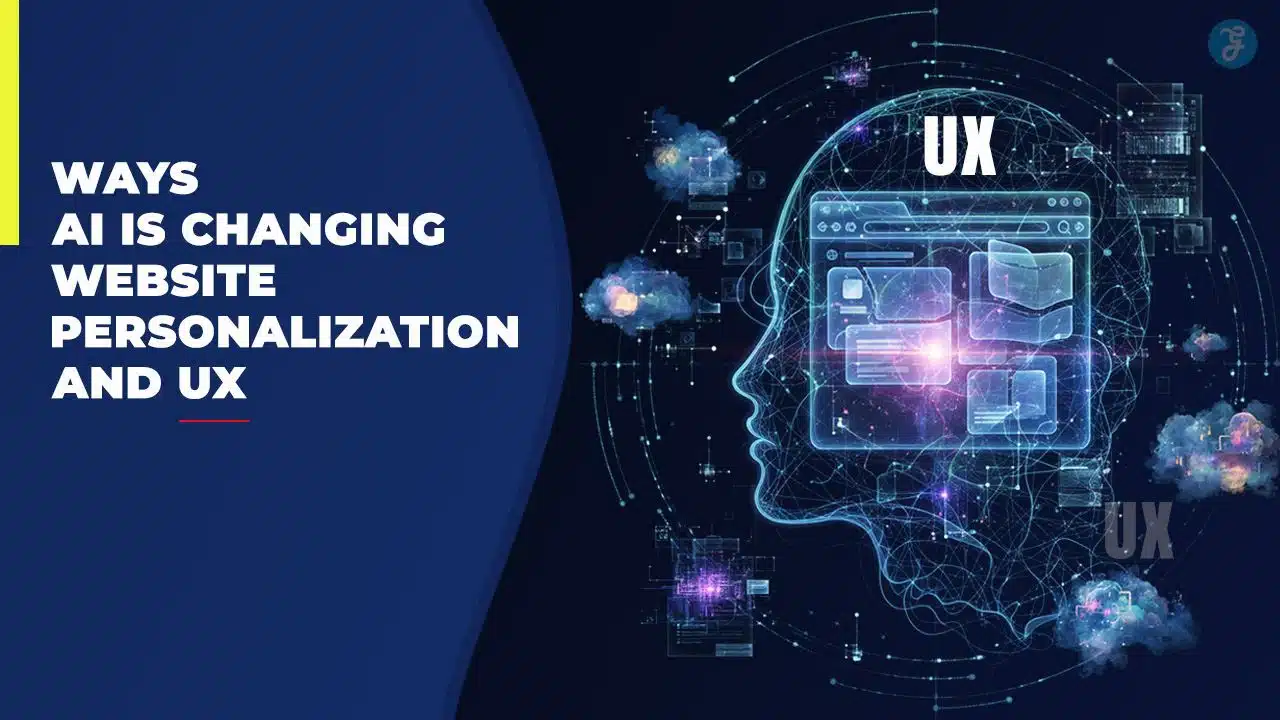
This article explores 10 Ways AI Is Changing Website Personalization And UX, showing you practical methods to create more engaging digital experiences. You’ll discover how AI tools can predict what your users want before they even know it themselves.
The future of web design is already here.
Predicting User Behavior for Tailored Experiences
AI transforms how websites understand their visitors through predictive analytics. Machine learning algorithms analyze user data to predict what people want before they even know it themselves.
These smart systems track clicks, time spent on pages, and browsing patterns. Artificial intelligence then uses this behavior analysis to create personalized experiences for each visitor.
Websites can now show the right content at the perfect moment.
Predictive modeling helps designers anticipate user desires with remarkable accuracy. AI-powered tools examine past interactions to forecast future actions. This technology enables real-time personalization that adapts instantly to user preferences.
Customer engagement improves dramatically when websites deliver exactly what users seek. Automation makes this process seamless, creating adaptive design that evolves with each visitor’s journey through the site.
Dynamic Content and Layout Customization
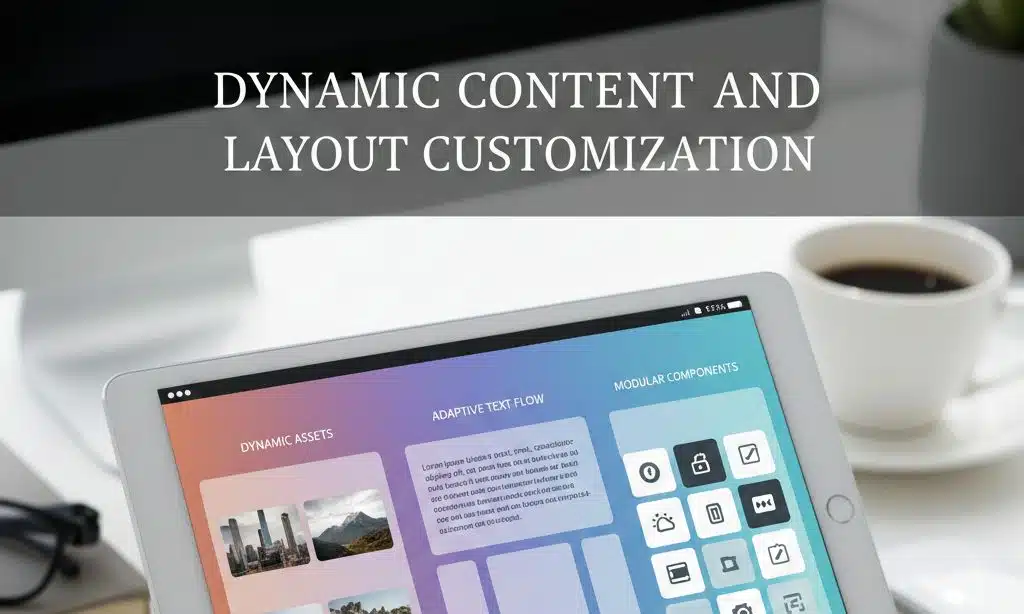
Artificial Intelligence transforms how websites adapt their content and design to each visitor’s unique needs. Machine learning algorithms analyze user behavior patterns in real-time, adjusting page layouts, images, and text based on individual preferences.
This technology creates personalized experiences that feel custom-built for every user. AI-powered systems track how visitors interact with different elements, then automatically modify content placement and visual design to improve engagement.
Generative AI creates prototypes, copy, and visuals in seconds, making dynamic customization faster than ever before. Predictive analytics help websites anticipate what users want to see before they even click.
Content recommendations become more accurate as AI learns from each interaction. Adaptive design responds instantly to user preferences, creating layouts that match browsing habits and device usage patterns.
These personalized websites drive better results for businesses while giving users exactly what they’re looking for.
Real-Time Personalization Enhancements
Real-time personalization transforms how websites adapt to user needs instantly. AI systems analyze visitor behavior as it happens, making split-second decisions about content, layout, and features.
This technology creates dynamic experiences that change based on user actions, preferences, and browsing patterns. Machine learning algorithms process data from clicks, scrolls, and time spent on pages to deliver personalized content immediately.
AI-powered tools now enable websites to modify their appearance and functionality while users browse. Predictive analytics help systems anticipate what visitors want before they even ask for it.
These real-time adjustments improve user engagement and create more satisfying experiences. Automation streamlines this process, allowing websites to serve millions of personalized experiences without human intervention.
AI-Powered Recommendation Systems
AI-powered recommendation systems analyze user behavior to suggest relevant content, products, and services. These systems track browsing patterns, purchase history, and engagement metrics to create personalized experiences.
Machine learning algorithms process this data to predict what users want before they ask for it. Content recommendations appear across websites, helping visitors discover new products or articles that match their interests.
Predictive analytics drive these recommendation engines to improve user engagement and boost conversions. Artificial intelligence learns from each user interaction, making suggestions more accurate over time.
Personalization becomes automatic as the system adapts to individual preferences. Customer support chatbots also use recommendation data to provide better assistance, while generative AI creates customized product descriptions and content that speaks directly to each visitor’s needs.
Voice-Activated Personalization Features
Voice commands are changing how users interact with websites. AI-powered voice recognition systems learn each user’s speech patterns, preferences, and habits. These systems create custom responses based on individual user data.
Smart assistants can now navigate websites, search for products, and complete purchases through voice commands alone. Machine learning algorithms analyze tone, accent, and speaking speed to improve accuracy over time.
Voice-activated features make websites more accessible for users with disabilities. AI chatbots respond to spoken questions with personalized answers based on user history. Predictive analytics help voice systems anticipate what users want before they finish speaking.
Generative AI creates custom audio content that matches each user’s interests and browsing behavior. Voice personalization reduces the time users spend typing and clicking, creating smoother user experiences that encourage return visits.
Optimized User Interfaces with AI Insights
AI transforms user interface design through deep analysis of user behavior patterns. Machine learning algorithms study how people interact with websites, tracking clicks, scrolls, and time spent on different sections.
This data helps designers create interfaces that match user preferences and improve navigation flow. AI identifies which buttons users click most often, where they look first, and what causes them to leave a page.
Smart design tools now use artificial intelligence to suggest layout improvements and color schemes that increase user engagement. These AI-powered systems analyze thousands of successful websites to recommend the best placement for menus, forms, and call-to-action buttons.
Generative AI creates multiple interface prototypes in seconds, allowing designers to test different approaches quickly. The technology also adapts interfaces in real-time based on individual user behavior, making each person’s experience unique and more effective.
Emotional Intelligence in UX Design
AI now reads human emotions to create better website experiences. Machine learning algorithms analyze facial expressions, voice patterns, and user behavior to understand how people feel while browsing.
This emotional intelligence helps websites adapt their content, colors, and layout based on user moods. Predictive analytics can detect when someone feels frustrated or confused, then automatically adjust the interface to provide clearer navigation or helpful prompts.
Smart systems use behavioral analytics to recognize emotional triggers that lead to conversions or abandonment. Artificial intelligence tracks micro-expressions through webcams and analyzes typing patterns to gauge user stress levels.
Websites can then modify their tone, offer assistance through chatbots, or simplify complex processes. This personalization creates deeper customer engagement and builds stronger connections between users and brands, making every interaction feel more human and responsive.
AI-Driven Micro-Interactions for Engagement
AI transforms how websites respond to user actions through smart micro-interactions. These tiny moments happen when users hover over buttons, scroll through pages, or click on elements.
Machine learning algorithms analyze user behavior patterns to create responses that feel natural and engaging. Predictive analytics help websites anticipate what users want to do next.
The system learns from millions of user interactions to make each small response more meaningful.
Generative AI creates custom animations and visual feedback in real-time based on individual user preferences. Chatbots use micro-interactions to show they understand user questions before providing full responses.
Content recommendations appear through subtle animations that guide users toward relevant information. Automation makes these interactions happen instantly without any delay. User engagement increases because the website feels alive and responsive to every action people take.
Automation in Research and Usability Testing
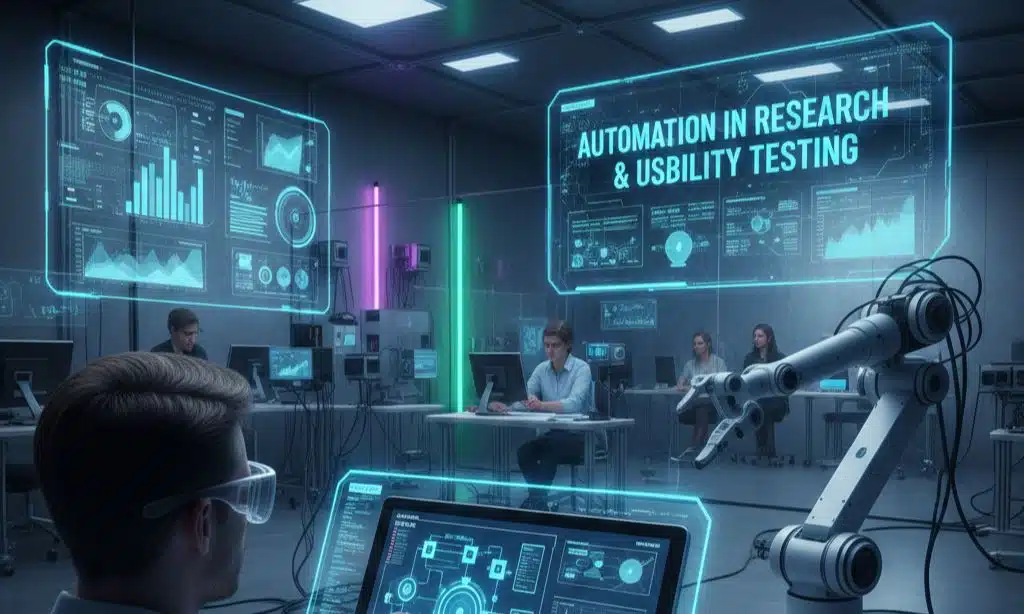
Artificial intelligence now automates research tasks that once took weeks to complete. Machine learning algorithms analyze user behavior patterns across thousands of website interactions, identifying pain points and opportunities faster than human researchers ever could.
AI tools track mouse movements, click patterns, and scroll behaviors to generate detailed usability reports within hours. These automated systems process vast amounts of user data, creating actionable insights that help designers improve website experiences immediately.
Predictive analytics powered by AI transforms how teams conduct usability testing. Smart testing platforms automatically recruit participants, schedule sessions, and even moderate basic user interviews through chatbots.
Generative AI creates test scenarios and questions based on specific website goals, while behavioral analytics identify which design elements cause user confusion. This automation allows small businesses to access professional-grade research capabilities without hiring expensive consultants, making data-driven design decisions more accessible to everyone.
Ethical Considerations in AI Personalization
AI personalization creates powerful tools that can improve user experience, but these tools raise serious ethical questions. Companies collect massive amounts of personal data to fuel their AI systems, which can lead to privacy violations and data misuse.
Users often don’t understand how much information websites gather about their behavior, preferences, and personal details. This lack of transparency makes it hard for people to make informed choices about their digital privacy.
Machine learning algorithms can also create unfair bias in personalization systems. These systems might show different content to users based on their race, gender, or economic status, which can reinforce harmful stereotypes.
AI-powered recommendation systems sometimes create filter bubbles that limit what users see, reducing their exposure to diverse viewpoints and information. Predictive analytics can manipulate user behavior in ways that benefit companies more than customers, raising questions about whether personalization truly serves user needs or corporate profits.
Takeaways
AI transforms website personalization and user experience in remarkable ways. These ten innovations show how artificial intelligence creates better, smarter digital experiences for everyone.
Machine learning helps websites understand what users want before they even ask for it.
Companies that embrace these AI-powered tools will build stronger connections with their customers. The future of web design depends on balancing smart automation with human creativity and ethical responsibility.
FAQs on Ways AI Is Changing Website Personalization And UX
1. How does AI improve website personalization for users?
AI analyzes user behavior patterns, browsing history, and preferences to create tailored experiences. Machine learning algorithms track clicks, time spent on pages, and purchase history to deliver relevant content. This technology enables websites to show personalized product recommendations, customized landing pages, and targeted messaging that matches individual user interests.
2. What are the main ways AI enhances user experience on websites?
AI powers chatbots for instant customer support, optimizes page loading speeds through predictive caching, and creates dynamic content that adapts to user preferences. Smart recommendation engines suggest relevant products or articles based on past interactions. Voice search capabilities and intelligent navigation systems help users find information faster and more efficiently.
3. Can AI personalization work in real-time on websites?
Yes, modern AI systems process user data instantly to adjust website elements during active browsing sessions. Real-time personalization includes changing product displays, modifying call-to-action buttons, and updating content based on current user behavior. This immediate adaptation creates more engaging experiences that respond to user needs as they navigate through different pages.
4. What ethical concerns exist with AI-driven website personalization?
Privacy protection remains a critical challenge as AI systems collect extensive user data for personalization purposes. Companies must balance effective customization with transparent data usage policies and user consent requirements. Filter bubbles can limit exposure to diverse content, while algorithmic bias may create unfair treatment for certain user groups, requiring careful monitoring and adjustment of AI systems.