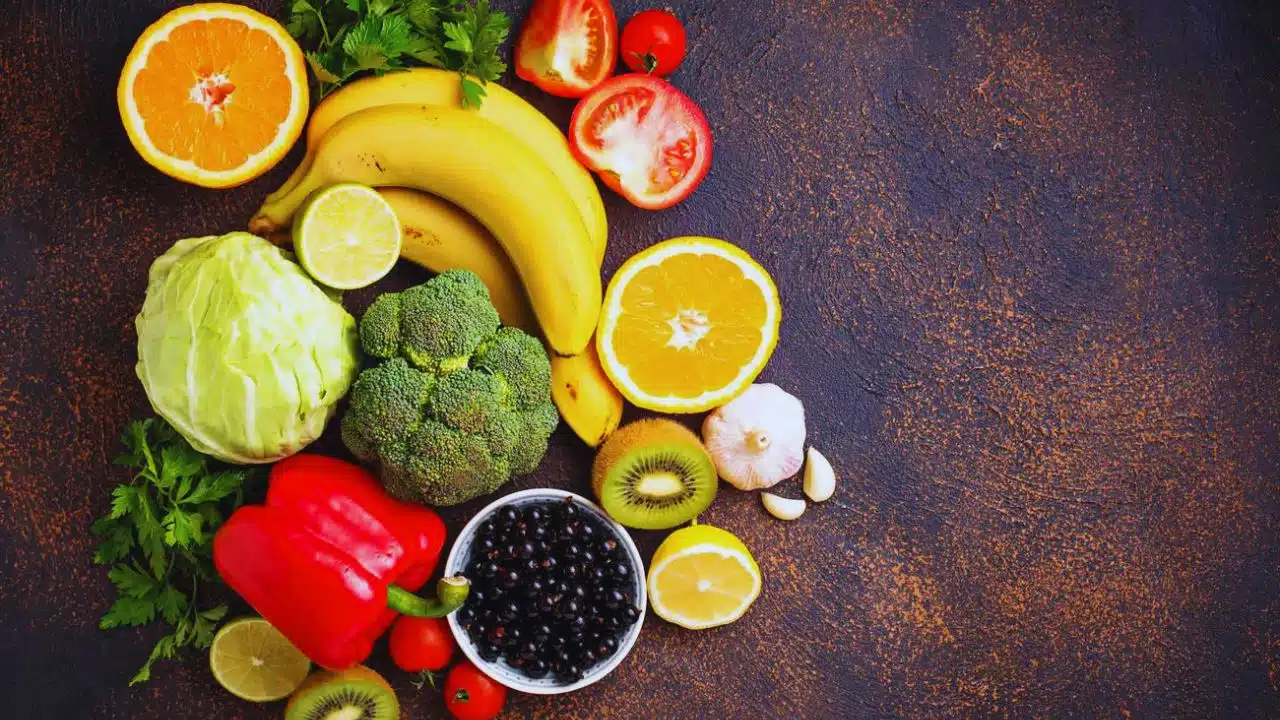
As the summer sun intensifies, protecting our skin becomes a top priority. One of the most effective ways to fortify our skin’s natural defenses is by ensuring an adequate intake of vitamin C, also known as ascorbic acid.
This essential nutrient not only acts as a shield against harmful UV rays but also plays a pivotal role in collagen synthesis, the protein responsible for maintaining skin’s firmness, tone, and elasticity.
The Multifaceted Marvel of Vitamin C
Discovered in the 1930s by the brilliant Hungarian biochemist Albert Szent-Györgyi, vitamin C has since been recognized as a cornerstone of human health.
Its benefits extend far beyond mere skin care, impacting numerous bodily functions:
- Potent Antioxidant Action: Vitamin C is a formidable warrior against free radicals and unstable molecules that cause oxidative stress and lead to premature aging of cells, including skin cells.
- Immune System Fortification: This nutrient plays a crucial role in supporting various cellular functions of the immune system, helping to ward off seasonal illnesses and bolster overall health.
- Enhanced Iron Absorption: Vitamin C significantly improves the body’s ability to absorb iron from plant-based sources, contributing to the production of healthy red blood cells and preventing anemia.
- Cardiovascular Health Support: By promoting the health of blood vessels and supporting the proper functioning of the heart, vitamin C is a key player in maintaining cardiovascular health.
- Accelerated Wound Healing: The nutrient is essential for the formation and maintenance of collagen, the primary structural protein in connective tissues. This property makes it invaluable for wound healing and preventing easy bruising.
- Neurological Function Enhancement: Vitamin C is involved in the synthesis of crucial neurotransmitters like serotonin, supporting mood regulation and overall brain function.
While vitamin C supplements are readily available, nutritionists strongly advocate for obtaining this vital nutrient through a balanced diet rich in fruits and vegetables. The recommended daily intake is 75 mg for women and 90 mg for men.
Let’s delve into 10 delicious, natural sources that can help you meet and exceed these requirements.
Top 10 Vitamin C-Rich Foods for Radiant Skin and Holistic Health
1. Hot Peppers: The Fiery Vitamin Powerhouse
Red chili peppers are an unexpected vitamin C goldmine, containing approximately 229 mg per 100 grams. This is nearly three times the recommended daily intake for women.
Beyond their vitamin C content, these spicy pods are also rich in capsaicin, a compound known for its metabolism-boosting and pain-relieving properties.
How to enjoy: Finely chop raw peppers and sprinkle them over pasta dishes, grilled meats, or fish. For a milder approach, roast them lightly and blend into sauces or dips.
2. Guava: The Tropical Superfruit Marvel
This exotic fruit is a true nutritional powerhouse, offering around 228 mg of vitamin C per 100 grams. Guavas are also packed with other beneficial compounds:
- Lycopene: A potent antioxidant that may reduce the risk of certain cancers
- Potassium: Essential for heart health and proper muscle function
- Fiber: Aids in digestion and promotes feelings of fullness
How to enjoy: Eat guavas fresh, add them to fruit salads, or blend them into smoothies for a tropical twist. The seeds are edible and provide additional fiber.
3. Blackcurrants and Berries: Tiny Fruits, Enormous Benefits
Berries, particularly blackcurrants, are exceptional sources of vitamin C. Blackcurrants contain about 180 mg per ounce, while other berries like strawberries, blueberries, and raspberries also offer significant amounts. These fruits are also rich in anthocyanins, powerful antioxidants that give berries their vibrant colors.
How to enjoy: Incorporate a variety of berries into your breakfast routine by adding them to oatmeal, yogurt, or smoothie bowls. For a healthy snack, mix berries with a handful of nuts for a perfect balance of vitamins, antioxidants, and healthy fats.
4. Red Peppers: The Crunchy Vitamin Vessels
Bell peppers, especially the red and yellow varieties, are excellent sources of vitamin C, providing approximately 166 mg per 100 grams. They’re also rich in beta-carotene, which the body converts to vitamin A, supporting eye health and immune function.
How to enjoy: Slice raw peppers into strips for a crunchy snack with hummus or guacamole. Roast them lightly and add to salads, sandwiches, or as a colorful side dish.
5. Kale: The Green Superfood Sensation
This trendy leafy green packs a serious nutritional punch with about 120 mg of vitamin C per 100 grams. Kale is also an excellent source of vitamins K and A, as well as powerful antioxidants like quercetin and kaempferol.
How to enjoy: Massage raw kale with a bit of olive oil and lemon juice for a softer texture in salads. Blend it into green smoothies or bake it into crispy chips for a healthy snack alternative.
6. Kiwi: The Fuzzy Fruit with Impressive Benefits
Originating from China, kiwi offers about 85 mg of vitamin C per 100 grams. This tangy-sweet fruit is also rich in:
- Vitamin E: A fat-soluble antioxidant that supports skin health
- Potassium: Essential for proper heart and muscle function
- Fiber: Both soluble and insoluble, promoting digestive health
How to enjoy: Slice kiwis into your morning cereal, add them to fruit salads, or enjoy them on their own as a refreshing snack. The skin is edible and contains additional fiber and nutrients.
7. Oranges and Citrus Fruits: The Classic Vitamin C Sources
Citrus fruits have long been associated with vitamin C, and for good reason. An average orange provides about 75 mg of vitamin C, while half a grapefruit offers around 39 mg.
These fruits are also excellent sources of flavonoids, compounds that may help reduce inflammation and support heart health.
How to enjoy: Eat citrus fruits fresh for maximum nutrient retention. If juicing, consume immediately to prevent vitamin C oxidation. Add orange or grapefruit segments to salads for a zesty flavor boost.
8. Broccoli: The Versatile Veggie Powerhouse
Broccoli offers about 89 mg of vitamin C per ounce, along with a host of other beneficial nutrients:
- Sulforaphane: A compound with potential cancer-fighting properties
- Vitamin K: Essential for proper blood clotting and bone health
- Folate: Important for cell growth and DNA formation
How to enjoy: Try broccoli raw in salads, lightly steamed, or roasted with olive oil and garlic for a delicious side dish. For a nutrient-packed soup, blend steamed broccoli with vegetable broth and your choice of herbs.
9. Strawberries: Nature’s Sweet Vitamin C Treat
Just one cup of strawberries (4-5 medium-sized berries) provides about 49 mg of vitamin C. These berries are also rich in manganese, folate, and various antioxidants that may help reduce the risk of chronic diseases.
How to enjoy: Add fresh strawberries to Greek yogurt for a protein-rich snack, blend them into smoothies, or freeze them for a cool treat on hot summer days. For a decadent yet healthy dessert, dip strawberries in dark chocolate, which provides additional antioxidants.
10. Brussels Sprouts: Mini Cabbages with Maximum Nutrition
These compact vegetables pack a powerful nutritional punch, offering 85 mg of vitamin C per 100 grams. They’re also rich in:
- Vitamin K: Essential for bone health and proper blood clotting
- Fiber: Promotes digestive health and helps maintain steady blood sugar levels
- Glucosinolates: Compounds that may have cancer-fighting properties
How to enjoy: Shave raw Brussels sprouts thinly for a crunchy salad base. Roast them with a drizzle of olive oil and balsamic vinegar for a caramelized, nutty flavor. For a quick and easy side dish, sauté halved Brussels sprouts with garlic and finish with a squeeze of lemon juice.
Maximizing Vitamin C Absorption and Benefits
To get the most out of these vitamin C-rich foods, keep in mind that this nutrient is sensitive to heat, light, and air. To preserve vitamin C content:
- Store fruits and vegetables properly, ideally in the refrigerator.
- Cut produce just before eating to minimize oxidation.
- Steam or microwave vegetables instead of boiling to retain more nutrients.
- Consume fruits and vegetables raw when possible, or lightly cooked at low temperatures.
Unlike supplements, which can cause digestive issues in high doses (typically more than 1,000 mg), it’s virtually impossible to consume too much vitamin C from natural food sources.
The body efficiently eliminates excess vitamin C from food, making it a safe and effective way to meet your nutritional needs. Incorporating a variety of these vitamin C-rich foods into your daily diet offers benefits that extend far beyond skin health.
From boosting your immune system to promoting heart health and supporting brain function, the advantages of a diet high in vitamin C are numerous and far-reaching.
As you plan your meals, think colorfully. The vibrant hues of these fruits and vegetables not only make your plate more appealing but also indicate their rich nutritional profiles.
By regularly including these foods in your diet, you’re not just protecting your skin from sun damage – you’re investing in your overall health and well-being.
Remember, while topical vitamin C serums and creams can be beneficial, nourishing your body from the inside out with these nutrient-dense foods provides a holistic approach to health and beauty.
So, load up your plate with these colorful, vitamin C-rich options and give your body the nutritional boost it deserves. Your skin – and your entire body – will thank you for it.