When buying a used car, safety and reliability are top concerns. A vehicle’s VIN plays a critical role in revealing manufacturer defects and recall history. With a stat.vin report, buyers can perform a VIN check to uncover vital details about a car’s past, including recall alerts and hidden problems, helping them avoid risky purchases and make confident decisions.
Understanding the VIN: Key to Unlocking Used Car History
Each Vehicle Identification Number [VIN] is a unique 17-character code that acts like a fingerprint for a car. Through a VIN check, buyers can uncover crucial data about a vehicle’s history—including ownership changes, accident records, and open recalls. Knowing a car’s full history helps buyers avoid models affected by hidden defects or recurring problems. Without a VIN-based vehicle history report, drivers may unknowingly purchase cars with dangerous pasts.
Vehicle History Reports and Their Role in Recall Awareness
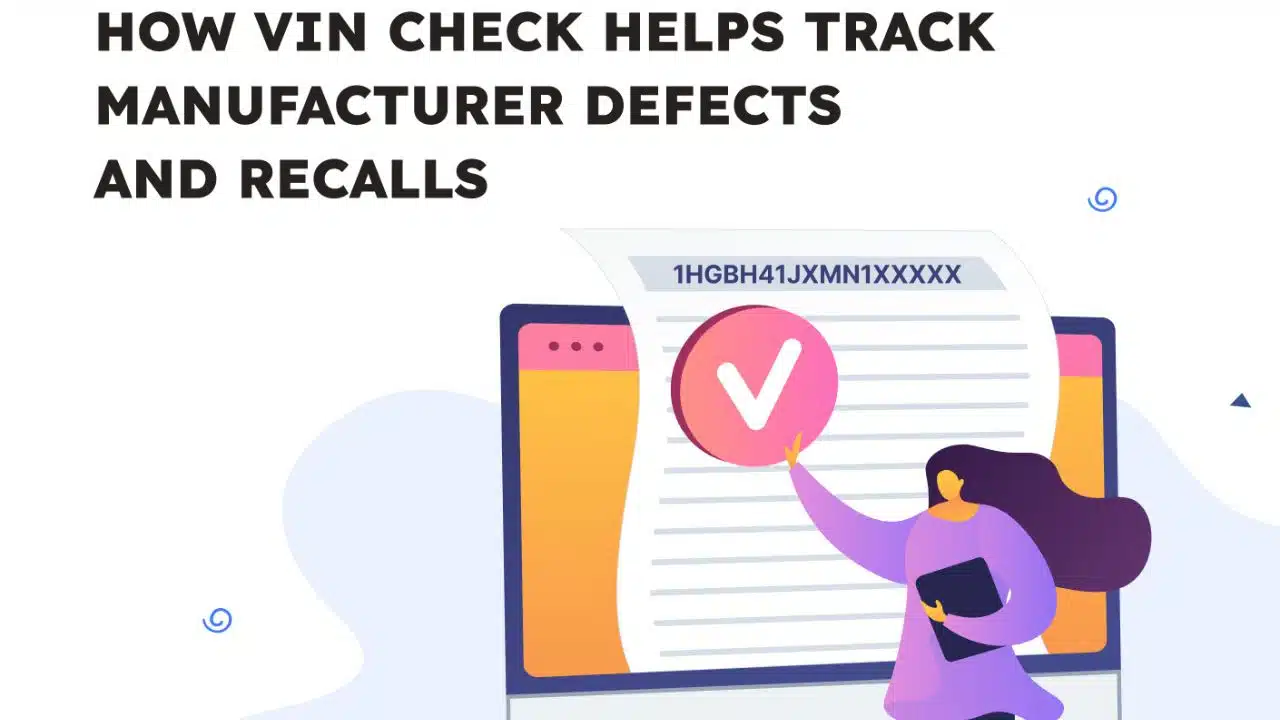
A vehicle history report is an essential tool for anyone considering the purchase of a used car. It compiles vital information from various authoritative sources such as manufacturers, DMV records, insurance companies, law enforcement databases, and repair facilities. One of the most critical features of this report is its ability to highlight manufacturer recalls—both past and current.
When a car model is recalled, it means the manufacturer has identified a safety issue or defect that could compromise the vehicle’s performance or endanger passengers. Unfortunately, not all owners act on these notices, especially if the car changes hands multiple times. A car report by VIN ensures that any open recalls are flagged instantly, even if the current seller doesn’t disclose them.
This kind of transparency is crucial. For example, recalls related to airbags, braking systems, or fuel leaks can have life-threatening consequences if not addressed. Vehicle history reports also show whether recall repairs were completed or ignored, helping buyers make informed decisions. Without this information, a buyer might unknowingly drive away in a car that poses significant risks.
By using a trusted platform like stat.vin, you gain access to these insights in just a few clicks—bringing peace of mind to the car-buying process and holding sellers accountable.
How VIN Check Detects Manufacturer Defects Before Purchase
A VIN check doesn’t just show a car’s past—it can warn buyers about patterns of manufacturer defects. If a specific model has repeated recalls for the same component, that trend will appear in a thorough VIN check. This gives buyers the foresight to steer clear of problematic vehicles and helps them choose models with fewer reliability issues. Early detection means safer roads and smarter purchases.
Using Car History Lookup to Monitor Recall Compliance
A car history lookup goes beyond surface details—it reveals whether previous owners acted on manufacturer recalls. Some vehicles are sold without proper repairs, putting new drivers at risk. By verifying recall completion status via used car history tools, buyers can confirm if a car was properly maintained or irresponsibly sold without addressing vital issues. This kind of transparency is essential for ensuring long-term safety and value.
VIN Check as a Tool for Used Car Fraud Prevention
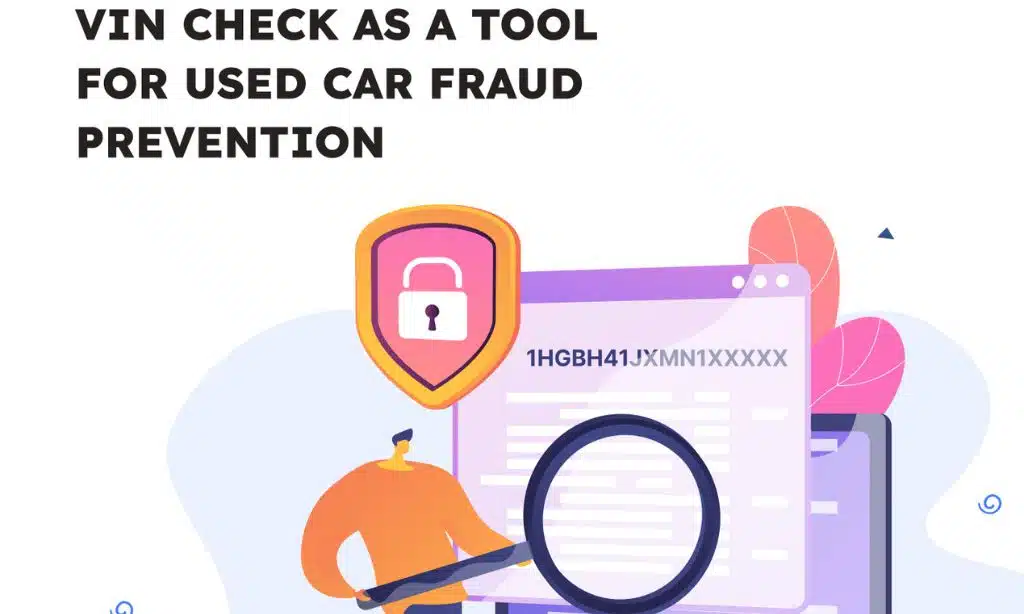
Used car fraud is an increasing concern for buyers, especially as online car sales become more common and visual inspections are limited. Sellers may attempt to hide or manipulate information about a vehicle’s past—such as previous accidents, flood damage, or unresolved recalls. A VIN check is one of the most effective ways to counteract these deceptive practices and ensure used car fraud prevention.
Through a VIN check, buyers gain access to verified, third-party data about the car’s title history, mileage records, accident involvement, registration status, and more. This information is difficult, if not impossible, for dishonest sellers to alter. For example, if a vehicle has been branded as salvage due to major damage, that fact will be recorded in the VIN-based vehicle history report, regardless of cosmetic repairs.
VIN checks can also reveal title washing—a fraudulent process where a car’s branded title (like salvage or rebuilt) is “cleaned” by re-registering it in another state. Similarly, some sellers attempt odometer rollbacks to inflate the car’s value. A VIN check exposes such manipulation by comparing mileage records across inspections and services.
By running a VIN check through platforms like stat.vin, buyers can protect themselves from scams, negotiate more confidently, and ultimately make safer, smarter purchases.
Identifying Hidden Damages and Salvage Titles via Car Report by VIN
One of the biggest risks when buying a used vehicle is hidden damage that isn’t visible during a casual inspection or test drive. Sellers may intentionally leave out information about past accidents, floods, or fire damage to make a vehicle seem more appealing. This is where a car report by VIN becomes indispensable.
By running a VIN through a trusted platform like stat.vin, buyers can uncover the car’s true past—including structural damage, major repairs, and insurance claims that indicate serious issues. The report pulls data from insurance records, collision repair centers, and DMV databases, offering a clear picture of a vehicle’s condition beyond what meets the eye.
A critical part of this report is information on salvage and rebuilt titles. These titles are assigned to vehicles that have been deemed total losses by insurance companies due to significant damage. Some of these cars are repaired and returned to the market with a rebuilt status, but that doesn’t guarantee their safety or reliability. In fact, improperly repaired vehicles may suffer from frame issues, misaligned parts, or electrical faults.
Without a VIN-based car history report, buyers might unknowingly purchase a car with a dangerous or compromised structure. Checking for hidden damages is not just a precaution—it’s a necessity for safe ownership.
Mileage Rollback Detection with VIN-Based Vehicle History
Mileage rollback is one of the most widespread and financially damaging forms of used car fraud. Dishonest sellers may tamper with the odometer to show a lower mileage than the vehicle has actually traveled, making the car appear less worn and more valuable than it truly is. This manipulation not only misleads the buyer but can also conceal serious mechanical wear and upcoming maintenance needs. That’s where a vehicle history report based on the VIN becomes crucial.
A detailed VIN-based report, such as those offered by stat.vin, compiles mileage data from multiple reliable sources—such as registration documents, emissions testing, service centers, and inspections. By comparing these mileage entries over time, buyers can detect irregularities or sudden drops that indicate possible rollback.
For example, if a vehicle shows 120,000 miles during an inspection in 2022 but only 85,000 miles at a dealership in 2024, it’s a red flag. Such inconsistencies are hard to spot without access to a structured, time-stamped record.
Detecting odometer fraud helps protect buyers from overpaying, but more importantly, it helps them anticipate realistic maintenance costs and avoid vehicles that may be far more worn than advertised. A proper VIN check empowers buyers with truth—and that’s priceless in the used car market.
The Impact of Salvage and Rebuilt Titles on Recalls
Vehicles with salvage or rebuilt titles often fall outside regular manufacturer service networks, meaning recall notifications may not reach their new owners. A VIN check fills this gap by highlighting outstanding recalls even on previously written-off cars. Knowing this allows buyers to take corrective action or reconsider the purchase altogether. It’s a crucial step in staying informed and safe.
Why Stat.vin is a Reliable Resource for VIN Checks
Stat.vin is a trusted platform for comprehensive VIN checks, offering real-time access to vehicle history reports from multiple databases. Whether you’re verifying manufacturer defects, checking recall statuses, or assessing title history, vin stat reports offer unmatched detail and accuracy. It empowers car buyers, dealerships, and auto enthusiasts to make informed decisions with confidence.
How to Perform a VIN Check Before Buying a Used Car
Conducting a VIN check is a simple yet powerful step in the used car buying process. It allows you to uncover vital used car history details before making a potentially costly decision. While many buyers rely on the seller’s word or the car’s appearance, a VIN check provides objective, data-driven insights that cannot be manipulated.
To begin, locate the Vehicle Identification Number [VIN]—a unique 17-digit code found on the car’s dashboard near the windshield, inside the driver-side door frame, or in registration documents. Once you have the VIN, go to a reliable platform like stat.vin and enter the number into the search field.
Within minutes, you’ll receive a comprehensive vehicle history report covering key details such as accident history, previous owners, open recalls, service records, title status (e.g., clean, salvage, rebuilt), mileage readings, and more. This data helps you evaluate whether the car is priced fairly and whether it has any red flags.
It’s also wise to compare the VIN across all documents and physical locations on the car to ensure it hasn’t been tampered with. Inconsistent or altered VINs are a major warning sign of potential fraud.
Performing a VIN check is not just a best practice—it’s a necessity for anyone serious about buying a safe and reliable used car.
Conclusion:
A detailed VIN check can reveal much more than you expect—from hidden defects and unresolved recalls to mileage tampering and title fraud. Using trusted tools like stat.vin, buyers can access complete vehicle history reports and protect themselves from unreliable or unsafe vehicles. In a world full of used car risks, VIN checks are your first line of defense for a smarter, safer purchase.