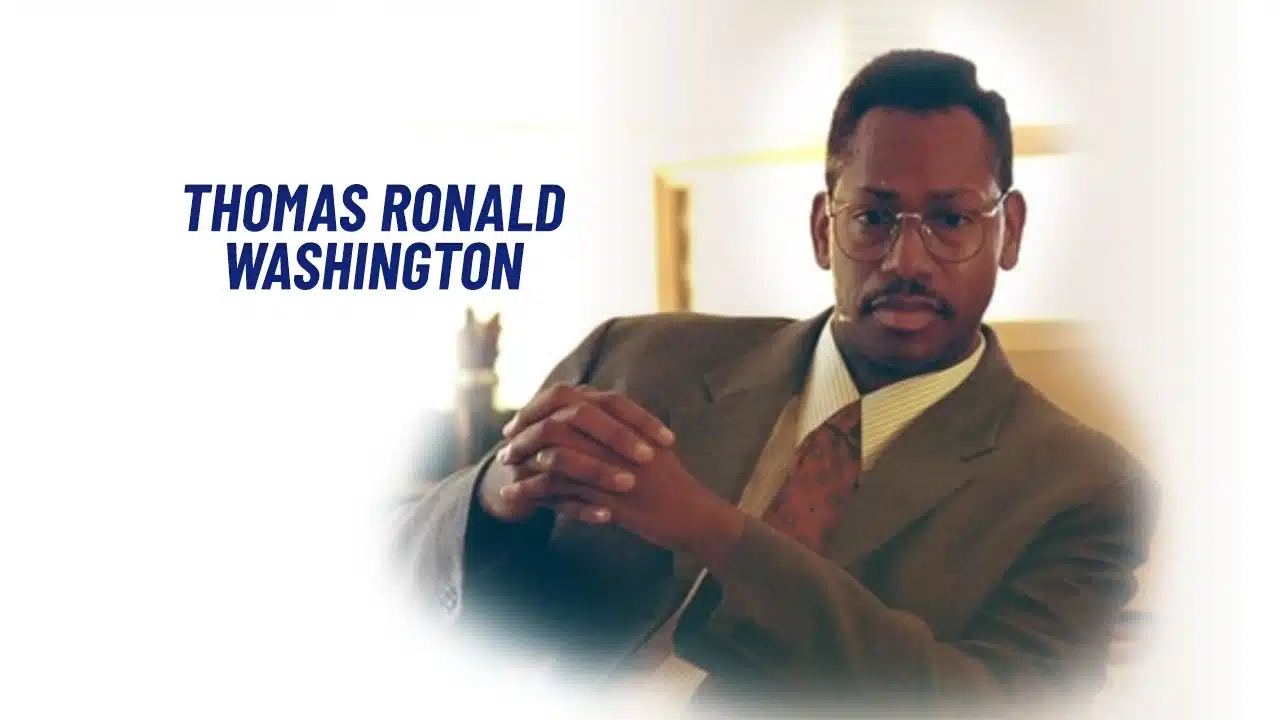
Many people often wonder about the names and faces behind their favorite animated movies, like “A Goofy Movie” or “Sleeping Beauty.” They ask: who are the creative geniuses leading these projects? Today, we’ll talk about Thomas Ronald Washington.
He’s a name you might have heard in connection with Disney Studios. But here’s a twist: Thomas Ronald Washington is not real; he’s from the TV show “Atlanta.”.
Thomas Ronald Washington stands out as an example of what could be in the world of animation and leadership at companies like The Walt Disney Company. Despite being fictional, his storyline in “Atlanta” gives us lots to think about, especially regarding diversity and success in animation.
In this blog post, we will uncover who Thomas Ronald Washington is and why his story matters. Get ready for insights!
The Identity of Thomas Ronald Washington
Thomas Ronald Washington is not a real Disney boss. He’s made up for the show “Atlanta.
Was Thomas Ronald Washington the real CEO of Disney?
Thomas Ronald Washington was not a real CEO of Disney. No black CEO has ever led the company since its start. All leaders have been white. Floyd Norman made history as the first African-American animator at Disney in 1956, but no one with a background like Washington’s has held the top position at the entertainment giant.
The fictional portrayal in the series “Atlanta”
In “Atlanta,” Eric Berryman plays Thomas Ronald Washington. This character is not real, but the show makes it seem like he was Disney’s CEO after the 1992 Los Angeles riots. His story on the show takes a dark turn.
They find his car in a lake, but they never find him. The episode called “The Goof Who Sat by the Door” creates a made-up story about this. It jokes about “A Goofy Movie.” Through this, “Atlanta” comments on big topics like race and power in movies and TV shows.
The Significance of Thomas Ronald Washington in “Atlanta”
Thomas Ronald Washington stands out in “Atlanta” for a big reason. He shows how dreams can come true, even in the tough world of TV shows.
His rise to the CEO position
Thomas Ronald Washington’s career took off as an assistant animator on “DuckTales the Movie: Treasure of the Lost Lamp.” His talent shone through quickly. This was just his first step in animation, a world where stories come to life through art and movement.
Then, because of a name mix-up, he landed in the CEO chair instead of Tom Washington. It happened after the 1992 Los Angeles riots—a time when change was in the air.
As CEO, Thomas used his position to bring fresh ideas into Disney’s animated movies. He made sure characters from all backgrounds had their stories told on the big screen. Under his leadership, Disney released films that families everywhere grew to love.
Movies like “The Lion King” and “Mulan” became classics with his touch. Thomas turned a surprising opportunity into a chance to make Disney more inclusive and innovative than ever before.
The symbolic episode “The Goof Who Sat by the Door”
The episode “The Goof Who Sat by the Door” stands out as a deep exploration into animation’s complex past. It cleverly turns “A Goofy Movie” on its head, presenting it through a fictional lens that pokes fun at real-world issues.
This approach not only entertains but also makes viewers think critically about the stories and characters they have grown up with. By framing this narrative as a documentary, the show connects with Sam Greenlee’s novel “The Spook Who Sat by the Door,” adding another layer of symbolism.
In portraying Thomas Washington’s tragic end—his car found in a lake—this chapter boldly addresses themes of despair and struggle within the context of success and racial dynamics in an industry often criticized for its lack of diversity.
These aspects work together to shed light on broader societal conversations, encouraging discussions among audiences long after the credits roll.
Real-life Inspirations Behind the Character
Thomas Ronald Washington’s story draws from the lives of trailblazers in the cartoon world. Think about people like Floyd Norman, a black artist who made big marks at Disney.
Influences of historical figures in animation
Historical figures like Floyd Norman left a big mark on animation. Floyd worked for Disney and Pixar, making stories like “Toy Story 2” and “Monsters, Inc.” better with his art. He was one of the first black artists in these places, showing that everyone has a place in making cartoons.
Bruce W. Smith, Mark Henn, and Ron Husband are other artists who followed him at Disney. They all helped to make sure different people’s stories got told through animation.
These artists showed that it matters who makes cartoons because they bring their own lives into the stories. When someone watches movies like “The Jungle Book” or shows like “Tiny Toon Adventures,” they see bits of these creators’ hard work and experiences.
This makes cartoons richer and more fun for everyone.
Comparison with Floyd Norman and other black animators
Let’s look at how Thomas Ronald Washington’s fictional journey compares to the real-life achievements of Floyd Norman and other notable black animators.
| Aspect | Thomas Ronald Washington (Fictional) | Floyd Norman (Real) | Other Black Animators (Real) |
|---|---|---|---|
| Rise to Prominence | He became CEO of Disney in “Atlanta”. | Worked at Disney, contributed to classic animations. Awarded Winsor McCay Award, Disney Legend. | Include pioneers and innovators like Leo D. Sullivan, Brenda Banks, Bruce W. Smith, LeSean Thomas, and Peter Ramsey, breaking barriers in animation. |
| Awards & Honors | — | Received Winsor McCay Award, Disney Legend title, Inkpot Award, Sergio Award, Friz Freleng Award, honorary Doctorate from Cogswell Polytechnical College. | Varied accolades in their fields, from industry recognition to pioneering awards. |
| Influence on Diversity | Imagined as advancing diversity within the animation studio. | Real-life impact on diversity, inspiring generations of animators. | Each has contributed to increasing diversity in animation through their work and advocacy. |
| Documentaries & Recognition | — | Subject of 2016 documentary “Floyd Norman: An Animated Life”. | Featured in various documentaries, articles, and awards ceremonies highlighting their work and influence. |
| Legacy | Symbolizes potential strides towards diversity in leadership. | Established a legacy as a mentor and icon in animation. | Building legacies as trailblazers, mentors, and creative geniuses in their own right. |
This comparison shows that Thomas Ronald Washington’s narrative celebrates the potential for diversity and change within industries traditionally lacking in representation.
It mirrors the real-life achievements and challenges faced by Floyd Norman and other black animators who have made remarkable strides in animation. Their stories and contributions emphasize the importance of diversity, creativity, and perseverance in the field of animation.
Public and Critical Reception
People loved Thomas Ronald Washington and talked about him a lot. Critics praised his story in the show, saying it was well done.
Viewer reactions to the character
Thomas Ronald Washington made waves in “Atlanta.” His story struck a chord, sparking lively discussions. Here’s how viewers reacted:
- Fans loved the episode “The Goof Who Sat By the Door.” They praised its deep message and creativity.
- Many saw Thomas Ronald Washington as a symbol for change in the animation world. They felt inspired by his journey.
- Viewers compared him to real-life animators like Floyd Norman, appreciating the nod to black professionals in animation.
- Discussions on social media platforms highlighted the character’s impact on diversity within fictional narratives.
- Critics admired how “Atlanta” mixed humor with serious themes through Thomas’s story, applauding Donald Glover and Francesca Sloan for their writing skills.
- Some fans wished Disney would take notes from this fictional portrayal for future leadership and storytelling directions.
- Animation students from places like Savannah College of Art and Design found motivation in his character for their careers.
- The storyline prompted debates about racial representation in media, especially in historic companies like Walt Disney Animation and Pixar Animation Studios.
- Episodes featuring Thomas Ronald Washington became cult classics among viewers who value storytelling with a purpose.
Through these reactions, it’s clear that Thomas Ronald Washington left a lasting mark on audiences worldwide, encouraging conversations about diversity and representation in the animation industry.
Critical analysis of the portrayal
Thomas Ronald Washington’s role in “Atlanta” brings up big issues. His character makes us think about race in movies and TV.
- It shows how stories on TV often miss out on the real problems that people of color face. This is clear in the way Thomas rises to be CEO, which is rare in real life.
- “The Goof Who Sat by the Door” episode uses humor to show serious truths. It flips the usual tales to tell a deeper story.
- Viewers have both good and bad opinions on his impact on bringing more diversity to animation. Some love it, while others think it’s not enough.
- The comparison between Thomas and real-life animators like Floyd Norman highlights a gap. It shows how few black creators lead big projects.
- Critics say the character opens doors for talks about who gets to make the cartoons we love, like Mickey Mouse or Spider-Man: Into the Spider-Verse.
- His storyline highlights how fictional tales can reflect and possibly change real-world views on race and work in entertainment.
- Public reactions are mixed but mostly positive, showing that people are ready for more stories like this.
- Fans ask if Thomas helped make things better for other artists of color wanting to tell their own stories.
- The debate continues on whether his journey will inspire more diverse tales in places like Disney or if it’s just a one-time thing.
This analysis shows that Thomas Ronald Washington does a lot more than just play a part on a show; he challenges us to think about who gets to create our favorite stories and why that matters so much.
Takeaways
Thomas Ronald Washington, a made-up character from “Atlanta,” shows us a world where Disney has its first black CEO. Through his story, viewers see the challenges and triumphs of someone fighting to make it to the top of the animation industry.
The show, smartly blending fiction with real struggles faced by black animators like Floyd Norman, grabs our attention and gets us talking about diversity in creative fields. Fans and critics alike praise the episode for shedding light on important issues through Thomas’ journey.
His story reminds us how TV can open our eyes to new perspectives while honoring those who led the way in real life.