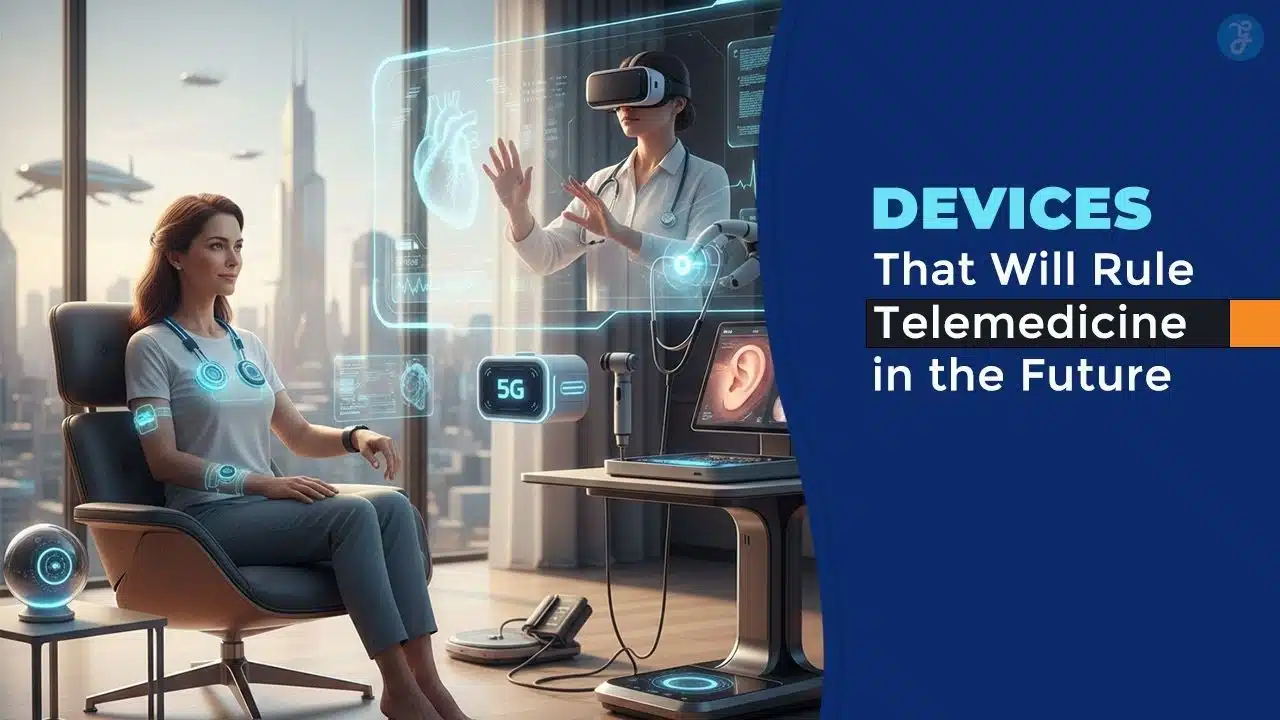
The idea of telemedicine no longer feels futuristic. Patients now expect to talk to clinicians on a screen, share their health data from home, and receive care without always stepping into a clinic. Behind this shift sits a new generation of telemedicine devices that collect, transmit, and interpret health information in real time.
As these tools become smarter and more connected, a smaller group of technologies will start to dominate. This article looks at 18 telemedicine devices that are well placed to rule remote care in the years ahead. It also explores what will determine which future of telemedicine devices actually win the trust of patients, clinicians, and health systems.
Why Telemedicine Devices Are Becoming the New Front Door of Care
From crisis solution to core infrastructure
Telemedicine surged during the pandemic as a stopgap solution. It quickly became clear that virtual care was not just a temporary patch. For many patients, a video visit or a message thread offers faster access and less disruption than a trip to the clinic. For clinicians, remote follow-up can be more efficient, especially for chronic conditions that require frequent touch points rather than complex procedures.
In this new model, telemedicine devices move to the foreground. A virtual visit without reliable data is little more than a phone call. When clinicians can access accurate, continuous measurements from the patient’s home, telemedicine becomes a clinical tool rather than a convenience feature. Remote patient monitoring devices, software platforms, and connected sensors now act as the backbone of this infrastructure.
The push toward home-based, data-driven care
Several forces now push health systems toward a model where data flows from home to clinic, instead of patients flowing in the opposite direction. Chronic diseases require constant attention, not just episodic care. Aging populations need safer ways to stay at home. Clinician shortages make it harder to cover every in-person visit. Digital health technology offers a way to address these pressures without diluting quality.
In that context, telemedicine devices are no longer optional extras. They guide clinical decisions, flag early deterioration, and help tailor medication doses. They also create a new form of “digital bedside manner” where clinicians respond to trends rather than single readings. The future of telemedicine devices will be defined by how well they can support this shift while remaining simple, affordable, and trustworthy for patients.
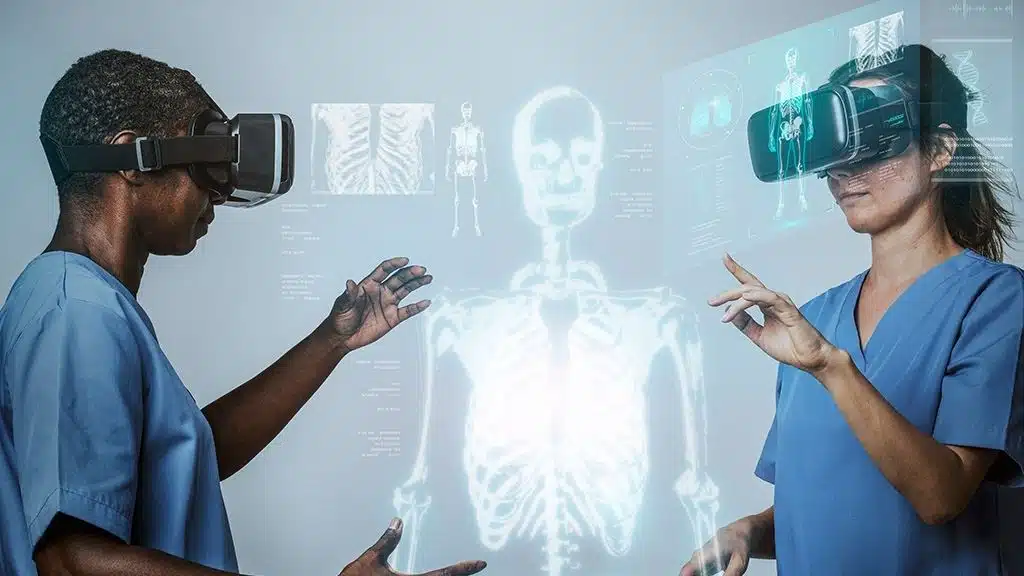
18 Telemedicine Devices That Will Rule Remote Care in the Future
The devices below share some common traits. They are connected, data-rich, and designed to fit into daily life. Many already exist in early forms. The question is which designs, workflows, and use cases will scale.
1. AI-powered digital stethoscopes as core telemedicine devices
Digital stethoscopes already convert heart and lung sounds into high-quality audio and waveforms. Once these devices connect to telehealth platforms, a clinician can listen in real time or review recordings from afar. Machine learning models can highlight murmurs, crackles, and abnormal rhythms that may need further investigation.
As algorithms improve, these telemedicine devices are likely to become standard equipment in primary care and community settings. A nurse, paramedic, or family caregiver could capture sound from the chest while a remote clinician overlays AI interpretation with clinical judgment. The winning devices will offer clear audio, secure transmission, and intuitive interfaces rather than dazzling features for their own sake.
2. Wireless handheld ultrasound devices for virtual diagnostics
Pocket-sized ultrasound probes that connect to a smartphone or tablet are already reshaping point-of-care imaging. When combined with telemedicine, they let a clinician or trained worker capture images in remote settings and share them instantly for expert review.
These ultrasound-based telehealth devices can support prenatal care, cardiac assessment, abdominal scans, and trauma triage. Future versions will likely add semi-automated guidance, where on-screen prompts help the user adjust angle and pressure to achieve a usable image. Over time, AI will assist with basic measurements and pattern detection. The devices that lead this space will balance portability, battery life, and image quality, while integrating smoothly with electronic records and virtual visit platforms.
3. Multi-parameter wearable patches for continuous telehealth monitoring
Thin, flexible patches worn on the chest or arm can track heart rhythm, respiratory rate, temperature, and activity. They stream data to cloud platforms, where clinicians receive dashboards and alerts. Unlike traditional Holter monitors, these patches aim to be comfortable, discreet, and suitable for days or weeks of wear.
These patches act as always-on remote patient monitoring devices. They can support virtual wards, post-surgical follow-up, cardiac rehabilitation, and chronic disease management. As sensors become more accurate and batteries more efficient, these patches will likely merge with other wearables or clothing. The devices that rule this category will win on comfort, adhesive quality, durability, and sensible alerts that avoid clinician fatigue.
4. Smartwatches and wearable health devices in telemedicine
Consumer smartwatches started as fitness trackers, but their role extends far beyond counting steps. Many now track heart rate, heart rhythm, sleep, activity, and sometimes oxygen saturation or temperature. When this data flows into approved telehealth platforms, clinicians gain a continuous view of their patients’ baseline patterns and deviations.
Over time, more telemedicine devices will blur the line between medical-grade and consumer-grade wearables. The leaders will offer validated accuracy for key metrics, transparent data policies, and optional clinical-grade modes. For telemedicine providers, the challenge is to turn a flood of numbers into actionable insights without overwhelming staff or alarming patients unnecessarily.
5. Continuous glucose monitoring devices for connected diabetes care
Continuous glucose monitors (CGMs) already play a major role in diabetes management. They measure glucose levels in the interstitial fluid every few minutes and share results with apps, insulin pumps, and sometimes caregivers. When integrated into telemedicine, CGMs allow clinicians to adjust therapy based on real-world patterns rather than sporadic finger-stick readings.
In the future of telemedicine devices, CGMs will likely become smaller, more affordable, and easier to use. Data will flow directly into virtual clinics and decision-support systems. Patient-facing apps will help people understand their own trends, while clinicians receive high-level summaries instead of raw streams. Devices that succeed will combine reliable sensors, gentle insertion, intuitive apps, and clear guidance on when to seek medical advice.
6. Connected blood pressure monitors as everyday telehealth devices
Home blood pressure monitors may be one of the most familiar telehealth devices. The new wave of connected cuffs automatically uploads readings, flags outliers, and ties into treatment plans. For hypertension, heart failure, and pregnancy-related conditions, this turns occasional snapshots into a rich time series.
As health systems embed remote blood pressure monitoring into care pathways, these devices may become part of standard starter kits. The devices that rule this category will be easy to calibrate, simple to position, and inclusive of different arm sizes. They will also support multilingual interfaces, clear instructions, and robust connectivity over mobile networks, Wi-Fi, or hubs.
7. Smart pulse oximeters and respiratory monitors
Pulse oximeters moved into the spotlight during respiratory crises. The latest versions do more than display a single number. They can capture trends in oxygen saturation, pulse rate, and sometimes respiratory rate or perfusion. When integrated into telehealth monitoring programs, they help clinicians pick up early signs of deterioration.
Future remote patient monitoring devices in this area may combine oximetry with motion, sound, or breathing pattern analysis. They may come in the form of finger clips, wristbands, or smart rings. The key to adoption will be accuracy across skin tones and conditions, clear explanations of readings, and safe escalation pathways that avoid panic while encouraging timely care.
8. Smart scales and body composition analyzers for telemedicine
Weight and body composition can reveal much about a patient’s health trajectory. Smart scales send data to apps and clinical dashboards, supporting heart failure programs, obesity care, and metabolic clinics. For some patients, regular weigh-ins at home are more practical and less stigmatising than in-clinic measurements.
In a hospital-at-home setting, smart scales contribute to early detection of fluid retention or rapid weight loss. Future devices may combine weight with balance, gait, and muscle mass assessment. For telemedicine devices in this category, usability is crucial. Stable platforms, clear displays, and simple connectivity will matter almost as much as advanced analytics.
9. Smart inhalers as connected respiratory telemedicine devices
Asthma and COPD require consistent medication use and careful attention to triggers. Smart inhalers track when and how often patients use their medication. Some also record location data to spot environmental patterns or offer feedback on inhaler technique.
As part of telehealth programs, smart inhalers help clinicians identify uncontrolled disease, adherence issues, or over-reliance on rescue medication. They can also support coaching and shared decision-making. The winners in this space will be devices that preserve the familiar feel of inhalers while adding subtle, helpful digital layers rather than intrusive complexity.
10. Smart pill dispensers and medication adherence devices
Medication adherence remains one of the biggest challenges in chronic care. Connected pill dispensers and smart pill boxes can release doses at set times, flash or sound reminders, and record when compartments open. Some send alerts to caregivers or clinicians when doses are missed.
Within a telemedicine model, these telehealth devices transform medication routines into readable data. Clinicians can distinguish between treatment failure and non-adherence. Care teams can intervene early with support instead of waiting for deterioration. For patients, success depends on discreet design, flexible schedules, and respect for privacy and autonomy.
11. Home spirometers for remote lung function testing
Portable spirometers let patients with asthma, COPD, or other pulmonary conditions perform lung function tests at home. When linked to telehealth platforms, their results can guide treatment adjustments, detect flare-ups, and support rehabilitation.
In the future of telemedicine devices, home spirometers may become more game-like, with visual feedback that encourages proper technique. They may incorporate coaching cues, trend summaries, and integration with other respiratory data such as smart inhaler use or sleep patterns. The leading devices will focus on reproducibility of results, clear instructions, and smooth integration into remote care plans.
12. AI-enhanced teledermatology cameras and dermatoscopes
High-resolution imaging has made teledermatology one of the most natural fits for virtual care. Patients or clinicians can capture images of moles, rashes, or wounds with specialised cameras or smartphone attachments. These telemedicine devices can offer consistent lighting, magnification, and polarisation that general phone cameras lack.
AI tools can help prioritise images by risk level or highlight lesions that merit urgent review. They do not replace dermatologists but can help manage high volumes and support triage. Devices that succeed here will offer standardised image capture, easy instructions for non-experts, and transparency about how any AI suggestions are generated and used.
13. Smartphone-based otoscopes and ophthalmoscopes
Clip-on otoscopes and ophthalmoscopes turn smartphones into platforms for ear and eye examinations. In primary care, schools, or community centres, a trained worker can capture images and videos for remote review by specialists.
These telemedicine devices help extend ENT and ophthalmology expertise to regions with limited specialist coverage. Future versions may add autofocus, auto-exposure, and AI-guided image capture to reduce the rate of unusable images. Simplicity will be key: if devices are fiddly or fragile, they will gather dust rather than data.
14. AR/VR headsets and motion sensors for remote rehabilitation
Rehabilitation often relies on repeated exercises, careful supervision, and patient motivation. AR and VR headsets, paired with motion sensors, can create interactive programs for balance training, stroke recovery, or musculoskeletal conditions. Tele-rehab clinicians can monitor performance in real time or review session data asynchronously.
These immersive telehealth devices may reduce travel burdens, personalise difficulty levels, and offer a more engaging experience than traditional exercise sheets. However, they must remain accessible and safe for older adults and people with sensory issues. The leading platforms will combine clinical validation with thoughtful content design and clear safety protocols.
15. Digital therapeutics platforms coupled with telemedicine devices
Digital therapeutics sit at the intersection of software and hardware. A regulated app delivers evidence-based interventions for conditions such as diabetes, hypertension, insomnia, or depression. The app often links with wearables or other telemedicine devices that capture behavioural and physiological data.
When supervised through telemedicine, clinicians can track adherence, symptom changes, and real-world outcomes. The future leaders in this space will show clear clinical benefit, offer transparent algorithms, and align with reimbursement frameworks. They must also acknowledge that not every patient will want or need a heavily app-mediated experience, and they should offer alternative pathways where necessary.
16. Integrated hospital-at-home telemedicine device kits
“Hospital-at-home” programmes aim to deliver acute-level care in the patient’s own home. They rely on integrated kits that may include blood pressure monitors, pulse oximeters, thermometers, smart scales, wearable patches, and a central hub or tablet that connects everything to the care team.
These bundled telemedicine devices need to work together smoothly. Patients and caregivers should be able to set them up with minimal assistance. Clinicians should see a unified dashboard rather than a patchwork of apps. Devices that rule this space will be those that offer reliable connectivity, simple packaging, built-in triage rules, and robust escalation plans.
17. Medical drones as telemedicine logistics devices
Not every telemedicine innovation lives on a wrist or a bedside table. Medical drones play a growing role in delivering medicines, vaccines, diagnostic samples, or small equipment to remote areas. They extend the reach of virtual care teams who can consult patients, adjust prescriptions, and then send supplies without waiting for road transport.
As regulation, airspace management, and public acceptance mature, these systems could become a key part of the future of telemedicine devices ecosystem. They are not clinical sensors, but they make remote care viable for people who would otherwise face long travel times or unreliable supply chains.
18. Ambient home sensors and fall-detection systems
Finally, some of the most influential telemedicine devices may be the least visible. Ambient sensors embedded in homes can detect movement patterns, bed exits, appliance use, or falls. Wearables with fall detection can trigger alerts when abrupt motion patterns suggest an incident.
When linked to telehealth hubs, these systems support older adults and people with disabilities who live alone. They help care teams distinguish between minor routine changes and concerning shifts that warrant intervention. The devices that dominate this space will balance safety with dignity, avoid excessive surveillance, and offer clear options for consent and control.
What Will Decide Which Telemedicine Devices Really Rule?
Regulation, safety and clinical evidence
For any telemedicine device to move from novelty to norm, it needs more than clever engineering. Regulators expect robust evidence that devices are safe, effective, and reliable across diverse populations. Clinical trials, real-world performance data, and post-market surveillance will all influence which devices gain lasting approval.
Devices that over-promise, under-deliver, or fail to perform in everyday conditions risk losing trust. Those that clearly define their intended use, show consistent results, and integrate with clinical guidelines are more likely to succeed.
Interoperability, cybersecurity and data governance
Even the most advanced telemedicine devices lose value if they cannot talk to each other. Interoperability standards, open APIs, and shared data models will decide whether device data stays trapped in silos or flows into meaningful care pathways.
At the same time, cybersecurity and privacy sit at the heart of digital health. Patients need to know who sees their data, how it is secured, and what happens if something goes wrong. Devices that prioritise secure-by-design principles, transparent privacy controls, and clear communication will stand out from those that treat security as an afterthought.
Reimbursement, equity and patient adoption
No telemedicine device will rule the market if nobody pays for it. Reimbursement models for remote patient monitoring and virtual care continue to evolve. Policymakers and payers look for devices that demonstrate real value: fewer hospitalisations, better control of chronic conditions, improved patient satisfaction.
Equity also matters. If telehealth devices only work for tech-savvy urban populations with fast internet and high incomes, health gaps may widen. Devices and programmes that account for language, culture, disability, connectivity, and affordability are more likely to achieve broad adoption.
How Health Systems and Innovators Can Prepare
Build a clear remote care strategy around telemedicine devices
Health systems do not need to adopt every new gadget. Instead, they should start with specific patient groups and clinical goals. Which conditions could benefit most from telemedicine devices? What metrics matter? How will responsibilities shift among clinicians, nurses, pharmacists, and care coordinators?
By answering these questions first, organisations can avoid scattered pilots and move toward sustainable remote care programmes.
Redesign workflows and teams around data, not visits
Once devices start streaming information, work patterns must evolve. Clinicians may need dedicated time to review dashboards. New roles such as remote monitoring nurses or virtual care coordinators can help manage alerts, support patients, and escalate issues.
Decision support systems and AI tools can help prioritise cases, but they work best when paired with clear escalation pathways and human oversight. The goal is not to drown teams in charts, but to surface the right signals at the right time.
Invest in trust: training, communication, and digital literacy
Finally, the future of telemedicine devices hinges on trust. Clinicians need confidence that devices are accurate, integrated with their tools, and supported by evidence. Patients need reassurance that using a device will not replace human care but enhance it.
Training programmes, patient education, and clear communication around risks and benefits are essential. So is listening to feedback. Devices that look good on a slide deck can still fail if patients find them uncomfortable, confusing, or intrusive. Continuous refinement, based on real-world experience, will separate the devices that briefly trend from those that truly rule telemedicine.
Conclusion
Telemedicine continues to redefine how patients receive care, and the next wave of telemedicine devices will push that transformation even further. From AI-powered diagnostics to smart home sensors and connected wearables, these tools signal a shift toward care that is continuous, data-driven, and delivered on the patient’s terms.
The real winners will be devices that combine clinical accuracy with simplicity, trust, and seamless integration into everyday life. As technology evolves and remote patient monitoring becomes routine, these innovations will shape a future where healthcare is more proactive, accessible, and personalized than ever before.