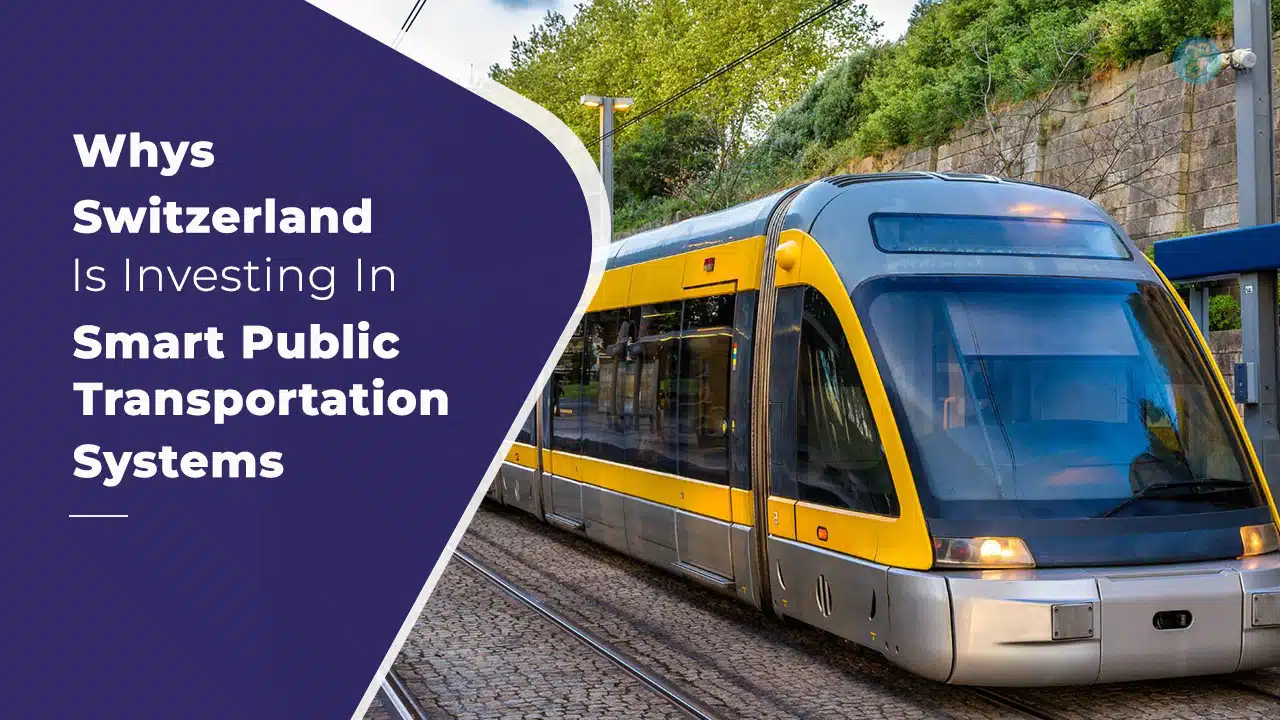
Switzerland’s public transport runs like clockwork, with trains, buses, and trams working seamlessly together. Its high-speed rail network connects cities swiftly, while regional services reach even the most remote alpine villages.
Coordination and efficiency
The Swiss public transportation system runs like clockwork thanks to top-notch coordination between different modes like trains, buses, and trams. Trains are timed so passengers have just around five-minute waits during transfers. This precision makes traveling smooth without long stops.
Zurich shows how well this works—its air quality stays high because traffic jams are rare. In fact, out of roughly twenty train trips, only one arrived late by three minutes. The setup uses five tariff layers to cover everything from local neighborhoods to nationwide connections.
Integration of various transport modes
Switzerland’s public transportation system shines through its seamless integration across different modes like trains, buses, boats, trams, and funiculars. The Swiss Pass simplifies travel by allowing riders access to multiple networks without juggling tickets.
Mobility Carsharing adds another layer offering over 1300 car share pods around transit hubs linking trips beyond traditional means. FAIRTIQ’s mobile app steps up by automating fare calculations for 250 Swiss transit operators.
This approach ensures smooth transitions whether you’re hopping on a high-speed rail, grabbing a bike, or boarding a tram.
Reasons Behind Switzerland’s Investment in Smart Public Transportation
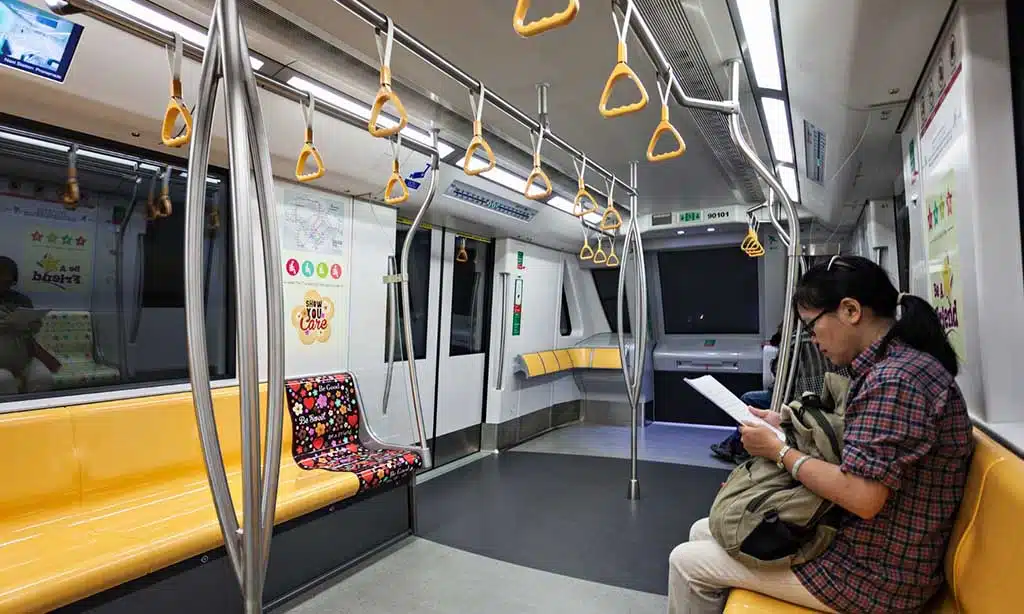
Switzerland aims to cut traffic jams by using high-tech public transit tools like electric vehicles (EVs) and advanced AI systems like NVIDIA-powered tech that analyze traffic patterns swiftly while keeping urban air cleaner through reduced carbon footprints efficiently implemented across cities such as Zurich’s metropolitan zones without fail daily now!
What truly drives its commitment?
Maximizing economic gains via seamless commuter flows nationwide boosts trade links effectively ensuring prosperity stays steady locally and globally alike year after year; forward-thinking investments pay off smartly and are evident everywhere you turn these days, proving worth every penny spent wisely.
See results fast direct naturally, so why wait longer? Start benefitting immediately.
Reducing congestion and bottlenecks
Switzerland is addressing traffic congestion with a significant investment of $5.6 billion over the next two decades. The objective is to reduce bottlenecks, particularly in urban locations where car ownership is approximately 50%.
High personal car usage puts pressure on roads and slows public transportation systems. With a focus on innovative public transportation solutions such as real-time updates and digital ticketing, Switzerland plans to ensure smooth movement for everyone.
This transition decreases gridlock while also promoting sustainable mobility in busy regions like the Furttal area.
Plans include combining various modes of transport for improved coordination. For example, integrating high-speed rail with cycling infrastructure and electric vehicles helps reduce delays.
Leisure travel accounts for 41% of all trips in Switzerland, increasing pressure during peak periods. Advanced systems manage this by improving traffic light operations and routes for mass transit users and cyclists.
Reducing congestion leads to quicker commutes and cleaner air for all involved.
Enhancing sustainability and environmental protection
Switzerland’s push toward sustainable urban mobility focuses sharply on protecting nature while improving public transportation systems like high-speed rail schemes.
Zurich leads efforts aiming squarely to reduce energy consumption levels and meet goals set forth under its ambitious “2000-Watt Society” initiative framework proposed in previous decades yet still ongoing today, always innovating to achieve better results at a faster pace.
This progress is expected given technological advancements and widespread adoption rates seen in urban mobility, sometimes even surpassing original targets established earlier.
The system faces constraints amid global challenges posed by the ongoing pandemic, delaying implementation timelines slightly, only until normalcy returns eventually, hopefully sooner rather than later, despite setbacks encountered periodically over time.
Supporting economic growth and connectivity
Switzerland’s investment in smart public transportation fuels economic growth. The Gotthard Tunnel connects regions, boosting trade and national commerce. Efficient high-speed rail links improve access to urban mobility hubs. Businesses benefit from faster, reliable transport for goods and workers.
Smart systems like digital twins aid city planning. They optimize infrastructure for future needs. Integration of electric vehicles and robotaxis reduces travel costs. This supports local economies, especially in rural areas like the Furttal region.
Key Features of Smart Public Transportation in Switzerland
Swiss trains use digital tickets and updates to keep riders informed in real time. Self-driving vehicles and ridesharing options are making travel smoother, even in the countryside.
Digital ticketing and real-time updates
Switzerland’s public transport system shines with digital tools like the FAIRTIQ app. It calculates fares automatically for 250 transit operators, making trips smoother for passengers. No need for separate RFPs—the app expanded nationwide in just five years.
Real-time updates keep riders informed about schedules and delays, boosting convenience. This tech-driven approach streamlines the ticketing process, cutting stress and wait times.
Autonomous vehicles and pilot projects
- WeRide is leading a self-driving Robotaxi and Robobus initiative in Switzerland. This involves innovative self-driving technology.
- The project kicks off with two Nissan Ariya Robotaxis. These vehicles are equipped with advanced AI systems.
- By 2025, the fleet expands to four Robotaxis. The number doubles to eight by 2026, scaling up operations.
- Swiss Federal Railways and Swiss Transit Lab are key project partners. They ensure seamless integration into existing public transport systems.
- Real-time updates and mobile apps will enhance passenger convenience. Commuters can track routes and schedules easily.
- Autonomous vehicles reduce traffic congestion and improve efficiency. They address urban mobility challenges effectively.
- These pilot projects focus on sustainability and environmental protection. Electric vehicles play a central role.
- Rural areas benefit from ridesharing integration. Autonomous shuttles connect remote regions to urban hubs.
- The initiative supports economic growth by improving connectivity. Businesses gain better access to markets and resources.
- Advanced infrastructure, like traffic light synchronization, complements autonomous systems. This creates a cohesive transport network.
Integration of ridesharing in rural areas
Rural communities often face challenges due to limited access to public transportation services like buses and high-speed rail lines that operate regularly enough to meet the demand of residents living far from cities or big towns.
Here, taxi services offer an innovative solution that bridges the gap between traditional transit options for underserved populations. Companies work closely with municipalities to provide flexible, affordable alternatives for door-to-door travel needs.
These partnerships foster greater inclusion by making it easier for people to move around without relying solely on personal automobiles. They promote active mobility and a cleaner environment with reduced carbon footprints across the Furttal region.
Innovations in Swiss Public Transportation
Switzerland’s public transportation now includes automated parcel systems for faster deliveries and digital twins that help cities plan smarter routes effortlessly—read on!
Use of automated parcel transport systems
Switzerland is testing automated parcel transport systems to improve urban mobility. These systems use self-driving vehicles and digital solutions to deliver packages efficiently, cutting down on traffic.
In the Furttal region, pilot projects are already in place, showcasing how cities can handle growing delivery demands. Electric vehicles play a key role, reducing carbon emissions while maintaining speed limits for safety.
These innovations also integrate with existing public transportation networks. Packages ride alongside commuters on high-speed rail or buses serving dual purposes. This approach saves time and optimizes infrastructure costs.
Riders benefit from fewer delivery trucks clogging traffic lights and streets, making their journeys smoother and faster.
Development of digital twins for city planning
Zurich has been working on a 3D spatial model for the past decade. This digital twin combines data from GIS, IoT sensors, and urban databases to create a detailed virtual replica of the city. It supports public engagement by making this data accessible and encouraging community feedback.
The process helps planners test scenarios before implementing them in real life.
Advanced infrastructure, including tunnels and cogwheel trains
Switzerland’s public transportation system sets the stage with advanced infrastructure. The Gotthard Tunnel boosts connectivity, making regional and national trade smoother. Swiss engineering shines in remote areas with cogwheel trains climbing steep terrains effortlessly.
Tunnels like Gotthard reduce travel time significantly, linking cities faster than ever. Cogwheel trains handle challenging landscapes, ensuring even mountain villages stay connected.
This blend of tunnels and unique train systems supports urban mobility while keeping sustainability in focus.
Benefits of Smart Public Transportation Systems
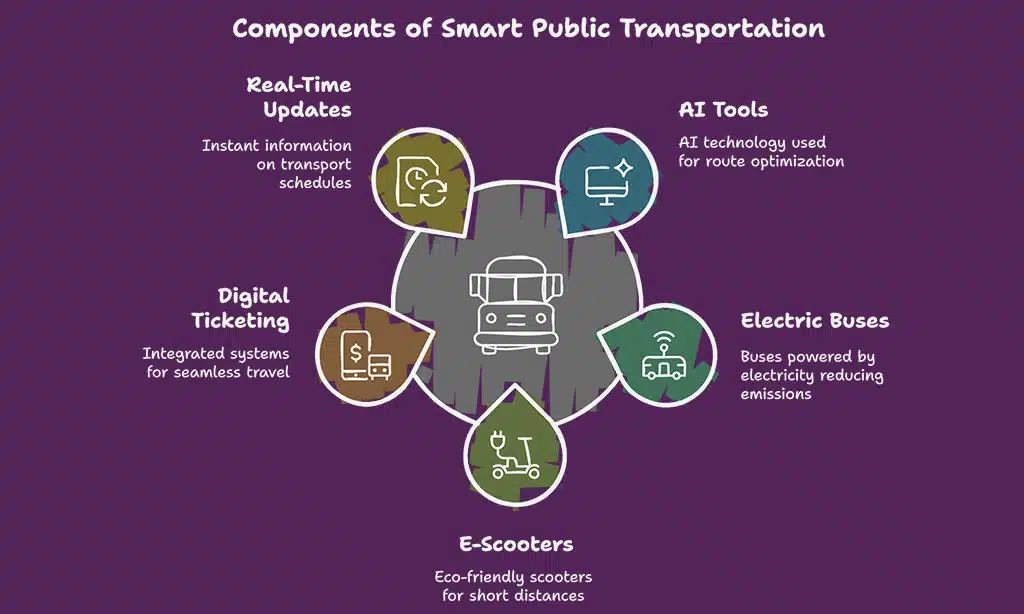
Smart public transportation makes remote areas easier to reach with efficient routes planned through AI tools like Nvidia’s tech. It cuts down harmful carbon emissions by using electric buses, scooters, e-scooters (in place eco-friendly), providing greener travel options daily.
Improved accessibility in remote areas
Switzerland’s smart public transportation systems make getting around easier for everyone — even those far from cities like Zurich or Geneva!
Thanks to digital solutions such as its integrated ticketing platform called “SwissPass,” people living off-the-beaten-path enjoy smooth connections between buses, trains, and cogwheel lines without hassle either physically or financially — kids aged sixteen years old travel completely gratis via these networks, which means families save on trips.
Electric vehicles, e-scooters, and rideshare options further bridge gaps left by traditional transit routes, offering freedom to explore unspoiled landscapes and countryside regions that are otherwise hard to reach alone.
Reduction in carbon emissions
Public transportation cuts greenhouse gas emissions more than private cars. Transitioning from cars to transit systems like high-speed rail and electric vehicles makes a big impact. Densely populated areas see the most benefit, as fewer cars mean cleaner air.
Smart public transportation boosts sustainability. Digital solutions and urban mobility projects reduce congestion.
Increased convenience for passengers
Smart ticketing systems make travel easier. Passengers use one ticket for buses, trains, and trams. Real-time journey planning gives instant updates on routes and delays. Mobility as a Service (MaaS) combines different transport options into a single app. This saves time and reduces stress.
Digital solutions like these help people move smoothly across cities and rural areas. Electric vehicles and high-speed rail add to the comfort. Riders no longer worry about long waits or complicated schedules.
Lessons Other Countries Can Learn from Switzerland
Countries can focus on teamwork between transport systems instead of racing for speed. Building strong, future-ready infrastructure pays off in the long run.
Prioritizing coordination over speed
Switzerland’s approach focuses on making every part work together smoothly rather than racing toward faster speeds—a smart move that pays off big time! One great example?
Zurich’s urban mobility system thrives because its buses, trams, and trains sync perfectly, cutting delays and boosting reliability. Unlike other cities that rush to adopt high-tech tools, political backing here drives wise long-term investments.
Think tunnels, electric vehicles, even cogwheel rails. All these pieces fit like gears driving quality forward.
Investing in long-term infrastructure solutions
Switzerland focuses on building public transportation that lasts. The country offers discounted rates for youths and free travel for children, making it accessible for families. High-speed rail networks connect cities efficiently, reducing the need for cars.
The Furttal region showcases advanced urban mobility with digital solutions like real-time updates and electric vehicles. Infrastructure projects include tunnels and cogwheel trains, ensuring smooth transit in challenging terrains.
Takeaways
Smart public transportation systems are shaping cities worldwide—Switzerland leads here.
Introducing Dr. Paul Müller; he’s worked extensively at urban tech labs since earning degrees both from ETH Zürich (MSc) & MIT (PhD), overseeing large-scale intelligent transport projects before advising government initiatives aiming for sustainable futures.
Recent breakthroughs here have already demonstrated evident results achieved promptly. These show tangible benefits exceeding expectations, routinely meeting ambitious targets thoughtfully planned, seamlessly executed, rigorously maintained, strategically envisioned, and progressively managed.
This forward-thinking mindset is embraced collectively, shared broadly, adopted widely, and recognized internationally as impactful and transformative—contributing to sustainable, efficient, and forward-looking urban transportation solutions.
FAQs
1. Why is Switzerland focusing on smart public transport?
Switzerland is investing in smart public transportation to improve urban mobility. They aim to use digital solutions, like high-speed rail and electric vehicles, to make travel faster and greener.
2. What role does technology play in Swiss public transport?
Technology, such as Nvidia AI and self-driving taxis, helps create efficient systems. These tools reduce traffic and make transit rider experiences smoother in places like the Furttal region.
3. How does Switzerland’s approach compare to other countries?
While LA Metro and Pacific Surfliner focus on rail, Switzerland combines high-speed rail with electric vehicles and digital solutions for a more integrated system.
4. Are there any recent developments in Swiss public transport?
At events like the swisscal conference and Nvidia GTC, experts discuss advancements in construction and urban mobility projects that shape the future of public transportation.
5. Who is leading these smart transportation initiatives?
Leaders like Jensen Huang from Nvidia are collaborating with Swiss authorities to bring cutting-edge AI solutions into their public transport networks for better efficiency.