You stare at trading platforms and wonder where to start. You want a trading plan that fits your life. You have a day job, limited time, and thin pockets. You worry about stress from fast moves, big losses, and high trading volume.
Swing trading holds positions for days or weeks. Day trading ends all trades by market close. This post will break down their key differences, from technical analysis and charting systems to risk tolerance and capital requirements.
You will learn which style fits your time, budget, and goals. Ready to pick your path?
Key Takeaways
- Swing traders hold positions for 2 to 7 days, use a 2:1 reward-to-risk ratio, and make about five trades per week. They trade part-time, spend a few hours daily, and accept overnight gaps.
- Day traders open and close all trades in one session, target a 1:1 risk ratio, and may send 20+ orders per day. They need $2,000 to start and $25,000 to meet pattern-day rules.
- Swing trading costs less in fees, uses basic chart tools, and fits small budgets. Day trading demands fast data feeds, high-speed internet, and racks up more commissions.
- Beginners should weigh their time, stress level, and capital. A part-time worker with thin pockets may pick swing trading. A full-time risk-taker may choose day trading.
What Is Swing Trading?
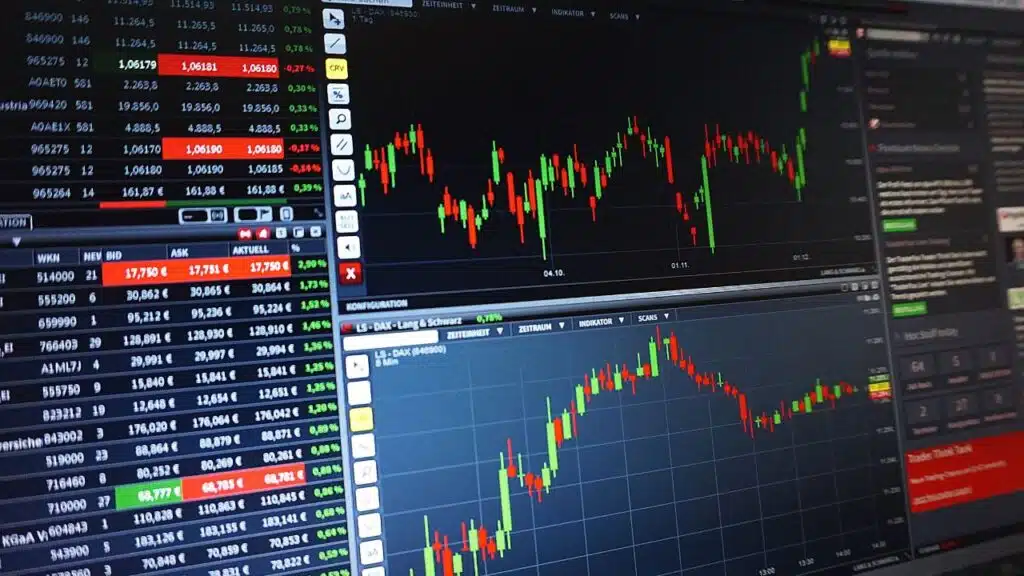
Swing trading holds positions for days or weeks to catch price swings in stocks, forex, or options. Traders use charting tools like candlestick visuals, moving average overlays, and oscillator indicators such as the relative strength index to spot trends.
Swing traders target a 2 to 1 risk reward ratio, aiming for $2 in gains for every $1 risked. They keep overnight positions, which raises exposure to overnight market fluctuations.
This approach fits people with limited screen time. It cuts daily screen demands compared to intraday trading. Beginners find it friendly, as it relaxes the pace. They set stop loss orders and position sizes for risk management.
Traders watch trading volume, price action, and key dates like earnings reports. They set profit targets and adjust orders for shifting market conditions.
How Swing Trading Works
Traders apply technical analysis to find price swings in the stock market. They set up charting systems to watch moving averages, trend lines, and support and resistance levels. They look for patterns in price action trading to choose entry and exit points.
They place buy orders when the price breaks above a trend line. They hold overnight positions for a few days until they hit profit targets. They add stop-loss orders right after they open each trade to manage risk.
Risk management plays a key role in this approach. Traders cap their loss per trade at a small percentage of their capital. They track trading volume and volatility to avoid sudden market fluctuations.
They often use tools like a momentum indicator or a strength gauge to confirm trend direction. They may add news or earnings reports to their analysis. They work part time, so they do not face the pressure of high-frequency trading.
They log into trading platforms a few times a day to adjust orders.
Tools and Resources for Swing Trading
Swing trading works with basic tools. You can keep startup costs low.
- Charting platforms show price moves in real time, they help you track price swings and spot market trends.
- Signal indicators flag reversals or continuations, they sharpen your technical analysis work.
- Fundamental analysis tools assess a stock’s health and value, they guide your picks among financial instruments.
- Standard brokerage accounts handle trades with no fancy hardware, they keep capital requirements and margin demands low.
- Stop loss orders cap losses on bad runs, they automate exits to fit your risk management rules.
- Market data feeds pipe live quotes and trading volume, they curb delays and trim transaction costs.
- Demo accounts mimic real trades with virtual cash, they let you test your plan without any overnight positions.
- Training courses cover charting tools, money management, and risk tolerance, they shape capably skilled swing traders.
What Is Day Trading?

Day traders buy and sell stocks, forex, and futures in one trading session. They exit all trades before the market closes to avoid overnight risk. They chase small price swings and aim for quick gains.
They match each dollar of potential profit with one dollar of risk, often on a 1 to 1 ratio.
They use technical analysis with candlestick charts, stochastic oscillator, and other tools. Traders watch live quotes on platforms like MetaTrader, and they place orders through a Reg T margin account.
They track trading volume and momentum indicators to spot trends. A trader needs enough capital to meet margin calls and cover transaction costs. Building a tight trading plan helps control risk in a fast market.
How Day Trading Works
Traders watch real-time market data on a trading platform, they use graph tools to spot price swings. They apply technical analysis, track candlesticks and moving averages to time buys and sells.
Some jump in and out of positions in seconds, chasing intraday trading gains. Others trade dozens of times each day, surfing small price fluctuations for profit. Fast internet links and quick execution tools help them win the speed race.
A few use automated systems for rapid orders, copying moves from high-frequency trading firms.
Markets shift in minutes, so traders close every position by end of day, avoiding overnight risk. High trading volume can jack up transaction costs, eating small gains. Constant screen time demands a full-time focus, they scan market trends, adjust order sizes, set profit targets and cut losses.
Risk management tools watch exposure, they seal trades with stop-loss orders. Novice swing traders might pause here, but day traders keep moving, fueled by caffeine and quick decisions.
Tools and Resources for Day Trading
Day traders need fast systems and clear charts. They count on precise data to time moves.
- Real-time chart systems deliver up-to-the-second pricing data and advanced charting features for technical analysis.
- Monitoring software tracks intraday volume, price swings, and runs risk management routines.
- Gaming PCs handle heavy data feeds, support trading bots, and speed up order routing.
- High-speed internet cuts delays in trade execution and keeps live quote feeds steady.
- Paid market data memberships unlock live pricing tool services for stocks and currency pairs.
- Risk management apps set stop-loss orders, track margin requirements, and guard against big swings.
- Multiple screens display charts, news feeds, and forex market rates for quick decision making.
- Margin accounts boost buying power, let traders leverage funds, and widen profit potential.
Key Differences Between Swing Trading and Day Trading
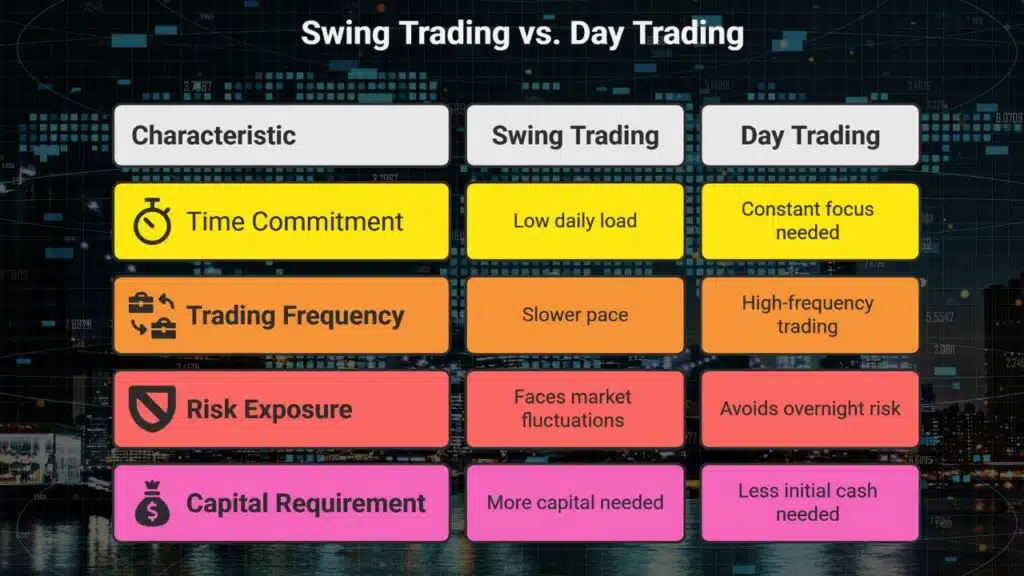
Swing traders bank on price swings across days, unlike day traders who close every trade by market’s close. They lean on candlestick patterns, stop-loss strategies, and brokerage apps in very different ways, with distinct capital requirements and risk exposure.
Time Commitment
Holding positions for days or weeks gives swing trading a low daily load. It needs a few hours of graph scans each day. Traders scan overnight positions with graphing tools. People balance this work with other jobs or classes.
Many part-time traders catch price swings without the urge to watch every tick.
Day trading, also known as intraday trading, demands constant focus during market hours. Traders leave office work to watch high-volume trades. They rely on quick technical analysis via broker apps.
Fast decision making matches a full-time market schedule. Action on market fluctuations follows strict loss control plans.
Trading Frequency
Swing trading moves at a slower pace, with most traders making around five trades per week, and they hold positions for days or weeks. Day trading centers on high-frequency trading, where a trader might send 20 or more orders each day.
Swing traders accept overnight positions; day traders avoid them by closing every trade before the market shuts.
High trading volume in intraday trading drives up transaction costs and commissions. Frequent buy and sell orders can eat into profit potential, hitting small accounts hard. Swing trading slashes fees, since a handful of trades per week costs less.
You can still use chart software, brokerage apps, or technical analysis to spot price swings.
Risk Exposure
A swing trader holds overnight positions and faces weekend market fluctuations. They watch charting systems and scan price swings to gauge risk. This style can yield slower profit realization, but it can produce larger gains or losses if markets move sharply.
Day traders close trades before the market shuts to dodge overnight risk. They avoid overnight positions, yet they meet frequent small losses. These losses can add up quickly, especially with high trading volume.
This fast pace makes day trading riskier than swing trading. It calls for strict risk management on trading platforms.
Capital Requirement
Swing trading requires more capital to buy equities or currency pairs, since traders hold overnight positions for days or weeks. This locks up funds and cuts liquidity. Traders rely on charting systems, technical analysis, and trading platforms to spot price swings.
They watch market trends and manage risk over time.
Day trading involves intraday trading of equities, currency pairs, or futures with less initial cash by using intraday margin leverage. A trader might start with just $2,000 in equity and still control a larger position.
Pattern day traders face $25,000 in margin requirements. Short holding periods clear positions each day. That frees capital, boosts turnover, and cuts overnight risk.
Pros and Cons of Swing Trading
We review risk management, chart apps, and securities swing setups, so read on to see if this style suits your goals.
Advantages of Swing Trading
Swing trading lets you ride price swings over days or weeks. You can fit trades around a full time job.
- Anyone with market knowledge and enough capital can start swing trading using standard trading platforms.
- You can mix technical analysis and fundamental analysis, as charting systems help you spot market trends and earnings reports guide your moves.
- A flexible schedule cuts back constant monitoring, since overnight positions stay open while you sleep.
- Lower tech demands keep costs down, as most brokers offer trading platforms with basic tools and live charts.
- Big market fluctuations carry strong profit potential and often beat small intraday moves.
- Risk management feels calmer when you set stop losses on overnight positions and avoid frantic intraday swings.
Disadvantages of Swing Trading
Traders often face slower gains over multi-day holds. Position holds add overnight and weekend risks.
- Open overnight positions face market fluctuations while you sleep, since global events can cause price gaps that charting systems fail to predict.
- Capital stays locked for days or weeks, cutting free funds so you cannot trade other stocks, forex or derivative products.
- Profit potential stalls compared to daytrading, so compounding profits takes longer when price swings may span several sessions.
- Technical analysis and fundamental analysis signals can flip before your stop hits, because market trends may change during a multi-day hold.
- Transaction costs add up with extra overnight fees or rollover charges on futures, shrinking net gains over each holding period.
- Money management and risk plans must cover weekend news or central bank announcements, as sudden moves can lead to larger losses than intraday trades.
- Lower trading volume outside regular hours widens the bid/ask spread, forcing you to accept worse pricing on trading platforms.
- Brokers often set higher margin requirements for overnight positions under ASIC rules, making newbies use smaller lot sizes and limiting exposure.
Pros and Cons of Day Trading
Day trading gives you a shot at fast profits with technical analysis on TradingView, but it feels like juggling knives when market swings hit, so keep reading to see if you’re cut out for it.
Advantages of Day Trading
Day traders can close all trades before market close. They chase quick profit chances.
- It lets traders use technical analysis on price charts to spot market trends, high trading volume, and profit from intraday price swings.
- It removes overnight risk because all positions close by end of session, so traders avoid after hours market fluctuations.
- It requires no formal degree, just solid chart skills and a clear trading plan, granting full control over study time and strategy.
- It offers high leverage, so small price changes can boost profit potential without huge capital requirements.
- It gives fast feedback; traders see gains or losses within hours, so they refine strategies with real time results.
- It draws adrenaline seekers to a fast paced environment, as each trade tests skills and keeps focus sharp.
- It allows flexible schedules; traders set work hours, pick their own intraday trading windows, and balance life tasks.
- It lowers transaction costs per trade thanks to high volume deals, so tight money management boosts net returns.
Disadvantages of Day Trading
Full-time focus on price swings can drain your energy. The SEC warns that many new day traders lose big sums.
- You incur high transaction fees with dozens of trades per day. Commissions and spread betting can cut deep into profit potential.
- You face stiff competition from algorithmic trades and high-frequency trading firms. They use technical indicators and real-time quote streams to sweep up profit.
- Brokers enforce a 25,000 dollar minimum for pattern day trading in stocks. You need large capital requirements before you even start.
- You need pricey charting software, risk management tools and fast internet. These tech costs can drain dollars faster than you think.
- You endure stress from rapid decision-making in intraday trading. Constant screen time can erode your risk tolerance.
- You risk rapid losses as small setbacks snowball into big drawdowns. Poor money management can wipe out accounts fast.
- You lock yourself into a full-time role, watching market fluctuations all day. This focus often forces you to abandon other work or long-term growth plans.
Choosing the Right Style for Beginners
A swing trader holds each position for two to seven days, using charting systems to spot price swings. A day trader hunts intraday moves, logging up to ten trades each market session on fast trading platforms.
Both paths demand basic market education and risk management skills.
Newcomers must weigh their risk tolerance, free hours, and personality. Jane juggles a day job and a small forex account, so she leans toward swing trading’s lower stress and flexible time requirements.
Bob spends eight hours on charts, craves excitement and rapid returns, and meets the higher capital and full-time dedication that day trading demands. Pick the style that fits your finances, mindset, and schedule.
Takeaways
Swing trading frees you from tying up your day. Day trading demands quick calls and fast clicks. Graph tools and broker apps help you spot price swings. Technical analysis and risk management keep you on track.
Pick the style that fits your schedule, savings, and trading goals. Practice on a demo account, then stick to your plan.
FAQs
1. What is the main difference between swing trading and day trading for beginners?
Swing trading holds investment products in financial markets for days or weeks. You ride price swings and market fluctuations. Day trading buys and sells in one session. It relies on intraday trading. You close all trades before night. This avoids overnight risk.
2. Which style demands lower capital requirements?
Swing trading often needs less capital. You can trade with small margin. Day trading may face high transaction costs and strict margin rules on trading platforms. Both can run in financial markets, from the forex market to the stock exchange.
3. How do risk profiles differ?
Day trading uses high trading volume. You skip overnight positions, so you cut overnight risk. Swing trading holds positions, so you face market fluctuations overnight. Both need strong risk management, clear profit targets and smart money management. You must match your style to your risk tolerance.
4. What analysis do beginners need?
Day traders rely on technical analysis, they watch charting systems, market trends, market sentiment. Swing traders add fundamental analysis, they study financial instruments and key data. Both use trading strategies and a clear trading plan.
5. What profit potential can I expect?
Day trading offers quick gains, you can compound profits fast. You pay higher transaction costs though. Swing trading aims for steady gains and long term growth. It can help diversify your portfolio and meet your profit targets.
6. How do trading goals affect my choice?
If you want fast action, you feel like a race car driver, day trading fits. If you like a slower pace, like a Sunday drive, swing trading helps you breathe. Also think about your savings, interest, capital requirements, time and your trading goals.