
Does planning a trip make you worry about the Earth? Many travelers feel bad after seeing piles of trash at a beach or forests harmed by tourists. You want to explore, but you do not want your vacation to leave a big mark on nature.
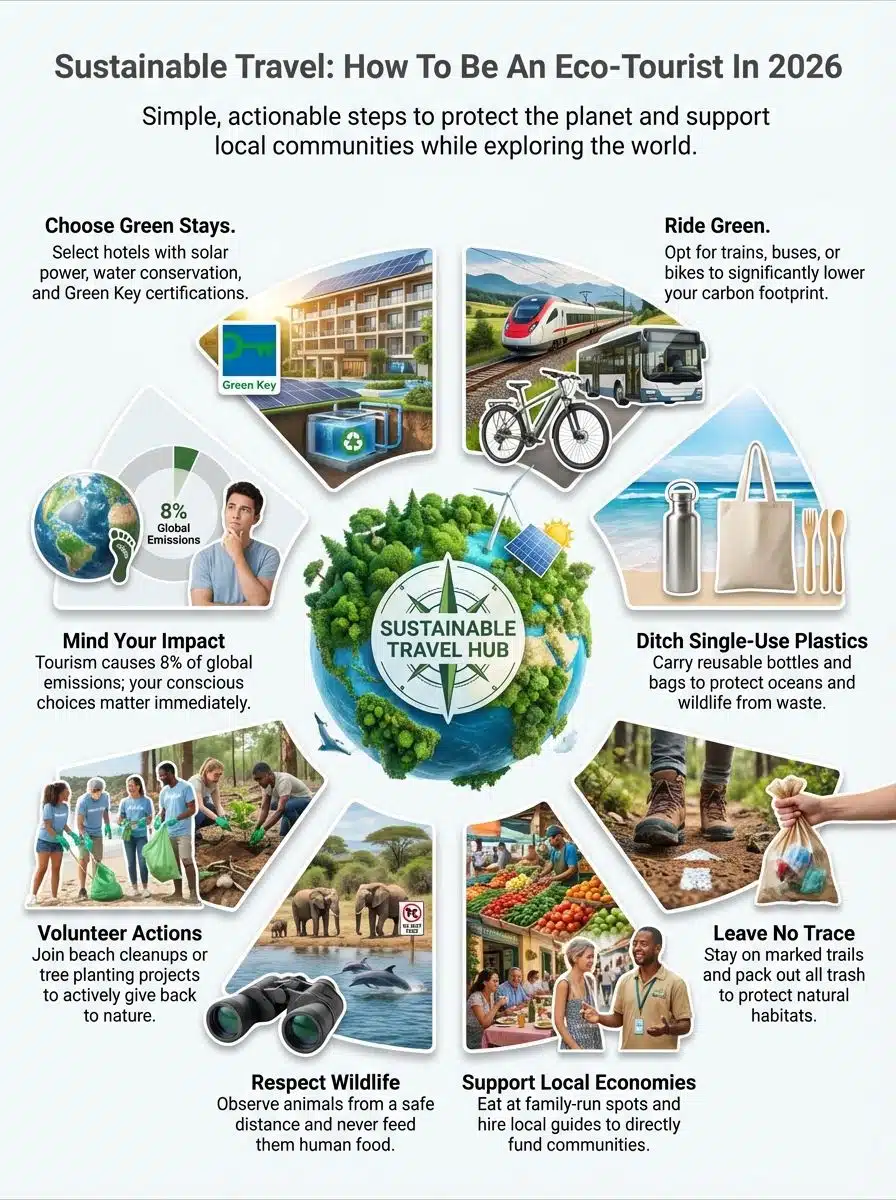
You know, I found that realizing how much our choices matter was the first step to enjoying my trips guilt-free. Tourism is one of the fastest-growing industries, and it makes up around 8 percent of global carbon emissions.
This blog will show you clear ways to travel with care in 2026. You will learn How To Be An Eco-Tourist using simple tips that help both the planet and people. Let’s go through it together. I’ll show you exactly how easy it is to make a difference.
Key Principles of Eco-Tourism
Eco-tourism thrives on caring for the planet and people. These ideas shape every responsible travel choice you make, big or small.
Environmental conservation
Healthy forests and clean oceans keep the planet strong. Sustainable travel means making choices that protect nature. You should always walk on marked trails, pick up trash, and never feed wild animals.
These steps help wildlife thrive and lower your carbon footprint. According to the National Park Service, visitor spending in communities near national parks contributed over $56 billion to the U.S. economy in 2024. This shows that preserving nature also preserves livelihoods.
Many parks ask visitors to follow “Leave No Trace” rules; this is a smart move for green travel in 2026, too. Saving water at hotels or turning off lights makes a big difference over time. To make this easier, I recommend using the AllTrails app, which highlights official paths so you never accidentally damage fragile ecosystems.
As locals say in Costa Rica,
“Pura Vida isn’t just a saying; it’s living by respect for every tree and drop of rain. Take only memories, leave only footprints.”
Supporting local communities
After you take steps for environmental conservation, it is good to think about the people who live where you travel. Buying crafts from local makers helps families pay their bills and send their kids to school.
Picking small guesthouses instead of big hotel chains keeps money in the area. Eat meals at family-run spots or street vendors too; each meal supports someone’s daily life. A great tool for this is ToursByLocals, which connects you directly with residents who guide you through their hometowns.
Guides born and raised nearby know the land best. They can teach fun facts and tell stories that no guidebook ever could, making your trip special while putting food on their tables. Using public transportation or hiring a local driver also means more jobs stay in town.
Every dollar you spend there has power. It builds hope, feeds dreams, and creates future leaders right at home.
Minimizing environmental impact
Pick trains or public transit over cars, and watch your carbon footprint shrink. Use a refillable water bottle to dodge single-use plastics. Hotels with solar panels or green certifications help cut waste.
Even small steps matter, like turning off lights in your room or taking shorter showers. For example, using a Grayl Geopress water bottle allows you to filter tap water anywhere, saving you from buying dozens of plastic bottles on a single trip.
Eco-friendly tourism asks travelers to respect wildlife and stick to marked trails. Toss trash only in bins, never on the ground; creeks do not want souvenirs! Every choice counts; each plastic bag skipped saves sea turtles down the road.
Tips for Sustainable Travel in 2026
Traveling greener in 2026 is easier than you might think, and every small step makes a difference. Ready to see how simple choices can shrink your impact while enriching your journey?
Choose eco-friendly accommodations
Pick hotels and guesthouses that care for the planet. Many now use solar power, save water, and recycle waste. Some even serve local food to cut down their carbon footprint. Places like The Orchard Hotel in San Francisco or Hotel Verde in Cape Town lead the way with green travel choices.
“It’s not just where you sleep, it’s how you tread.”
Check if your stay has a Green Key or LEED certification badge; these prove real efforts toward sustainable practices. For instance, The Orchard Hotel uses a key card system that automatically turns off lights and AC when you leave, reducing energy use by 20%.
More travelers choose eco-friendly tourism every year, supporting responsible travel and helping local communities. Wise choices here help minimize environmental impact as you go from place to place using greener transportation options.
Use green transportation
Trains, buses, bikes, and even electric scooters help you travel with a lighter carbon footprint. Many cities in 2026 give tourists free or cheap public transit passes to encourage green travel.

High-speed trains in Europe and Asia connect big cities fast and clean. In the U.S., Amtrak remains a top choice, with its trains being 46% more energy-efficient than traveling by car. Car-sharing apps offer hybrid or electric vehicles that cut down pollution.
If you’re going shorter distances, rent a bike or walk; it’s fun and healthy too. Public transportation is better for the environment and more budget-friendly than taxis. Choosing these ways helps protect wildlife habitats from new roads and traffic jams.
Reduce single-use plastics
Opting for green travel choices, like using public transportation or electric cars, helps shrink your carbon footprint. Small changes in daily habits go a long way for responsible tourism.
- Swap plastic bags: Bring reusable cloth ones to local markets.
- Carry a refillable bottle: Avoid buying bottled drinks on trips.
- Use solid toiletries: Try Bite toothpaste bits or shampoo bars to eliminate plastic tubes.
Hotels in Costa Rica and New Zealand now use bulk soap dispensers and metal cutlery to limit plastic waste. Travelers toss about 8 million tons of plastic into oceans each year, harming wildlife and nature spots you visit.
Refusing straws at cafes, packing snacks in beeswax wraps, or bringing your own shopping tote are simple acts but make a big difference. Choosing these sustainable practices helps keep eco-friendly travel true to its name.
Follow “Leave No Trace” principles
Pick up all trash. Pack it out if there is no bin nearby. Stay on marked trails to protect plants and soil from damage, even if the shortcut looks tempting.
Do not feed wild animals or leave food scraps; this keeps nature safe for everyone. A common mistake hikers make is throwing apple cores into the woods, thinking they are biodegradable. However, experts warn that this attracts wildlife to human paths, which can be dangerous for both the animals and future hikers.
Keep noise low so you do not disturb wildlife or other visitors. Write nothing on rocks or trees, as leaving marks harms both beauty and habitats.
Support local businesses and economies
Book tours with local guides. Eat at family-owned restaurants, and shop at markets in the area. Your dollar has power; direct it to small shops and homegrown spots instead of global chains.
Every purchase helps jobs, fair wages, and growth within that town or village. You can use the app HappyCow to find locally-owned vegetarian and farm-to-table restaurants that support regional farmers.
Choose green travel companies run by residents. Support artists who sell crafts made by hand using old traditions, not mass production. This way, your responsible travel leaves a positive mark on real people’s lives long after you go home.
Respect local cultures and wildlife
Learn about local customs before you travel. Smile, greet people, and follow dress codes if asked. Taste the food from local shops and thank hosts in their language.
Ask before taking photos of people or sacred places; some communities feel it invades their privacy. Wildlife deserve safe spaces too. Watch animals from a distance and keep quiet in nature areas.
Do not feed wild creatures; human food can harm them and upset their natural habits. Stick to marked paths, so plants stay safe underfoot. Doing these simple things helps protect culture, wildlife, and keeps green travel respectful for all.
Sustainable Travel Vs. Ecotourism: Key Comparison
Choosing how to travel responsibly in 2026 means knowing the difference between sustainable travel and ecotourism. Both sound green, but they aren’t twins. Check out the table below to see how they compare, side by side.
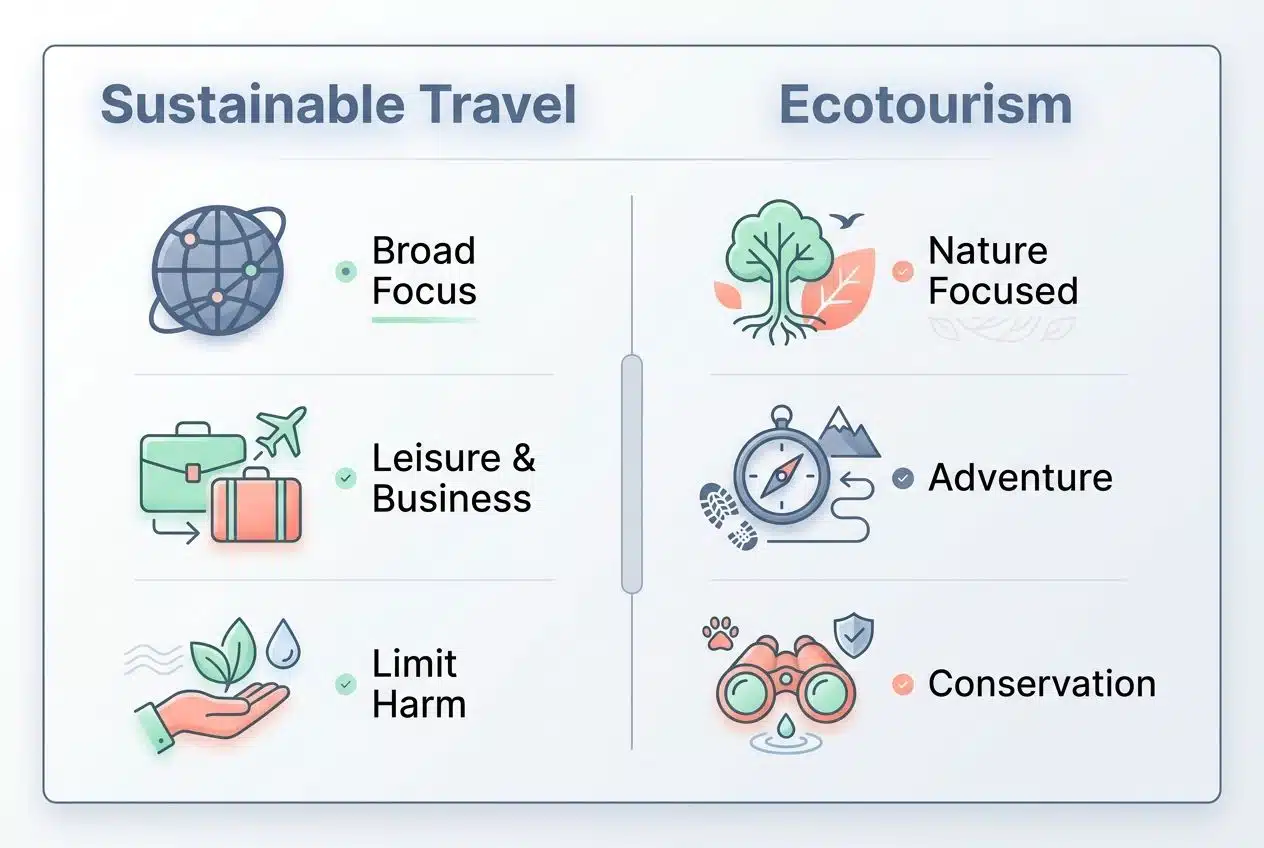
| Aspect | Sustainable Travel | Ecotourism |
|---|---|---|
| Definition | Travel that tries to limit harm to the environment, culture, and economy, no matter the trip style. | Nature-focused travel, aiming to support conservation and educate travelers. |
| Main Focus | Broad approach; covers every part of travel, from flights to hotels to food. | Preserving natural areas, wildlife, and supporting research or education in nature. |
| Types of Trips | Can be leisure, work, adventure, or luxury; think city breaks, business conferences, or beach escapes. | Usually outdoor or adventure-based; think jungle treks, wildlife safaris, or birdwatching tours. |
| Environmental Impact | Works to decrease waste, pollution, and resource use in all travel choices. | Often has strict rules for minimal disturbance, like “Leave No Trace” and visitor caps. |
| Community Support | Tries to help local people by choosing local businesses, jobs, and food. | Directly supports conservation groups or projects, often funds for education or local guides. |
| Education & Awareness | Sometimes teaches travelers about culture and environment, but not always required. | Usually includes education about the place, wildlife, and respect for habitats. |
| Examples | Staying at a hotel with solar panels, using public transit, or shopping at farmers’ markets. | Volunteering with sea turtle rescue, exploring Costa Rica’s rainforests with a certified guide. |
| Certifications & Standards | May follow global programs, like Green Key or EarthCheck, for hotels and tours. | Often certified by groups like The International Ecotourism Society (TIES). |
If you’re curious how these travel styles look for business, luxury, or adventure, keep reading.
Differences in Sustainable Travel for Leisure, Adventure, Luxury, and Business Travel
Leisure travelers may prefer slower trips, green hotels, and public transit. Their plans often include local food, eco-friendly activities, or nature walks.
Adventure seekers might hike wild trails or join wildlife safaris. They keep their gear light and respect animal habitats. For 2026, many adventurers are using regenerative travel principles, where they actively try to leave the trail better than they found it by participating in clean-up days.
Luxury travel uses more energy, but can support sustainable practices too. High-end resorts may run on solar power or use local food to cut their carbon footprint. For example, 1 Hotels in the U.S. combines luxury with reclaimed materials and zero-waste initiatives.
Business travelers try digital meetings and book flights with lower emissions when possible. Many choose city trains over rental cars to reduce environmental impact while on work trips.
Popular Eco-Tourism Activities
Some people love to get outside and join activities that help nature. Others find joy in simple outdoor fun while learning how their trip can give back to the planet.
Nature hiking and wildlife viewing
Nature hiking lets you enjoy fresh air and exercise. You hear birds singing, see butterflies dart past, and spot trees older than your grandparents.
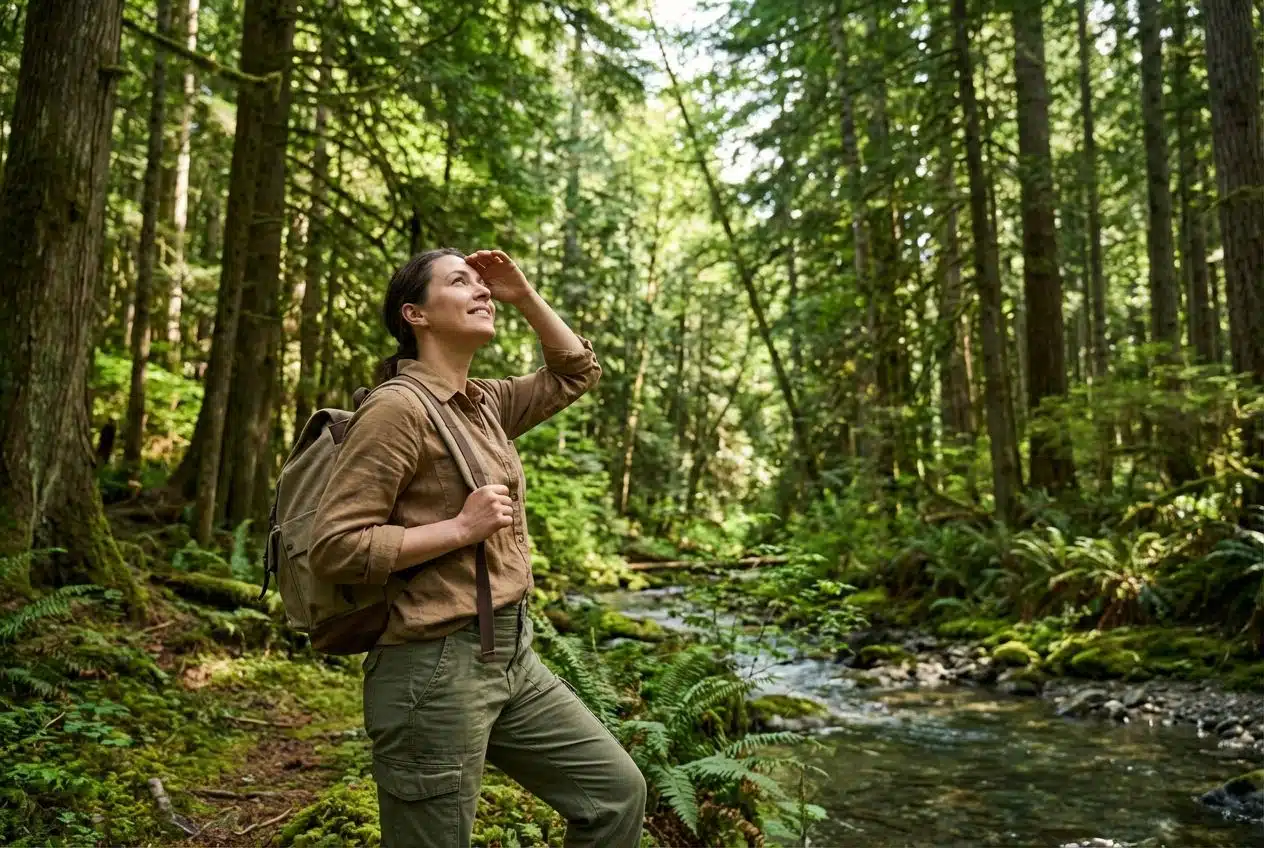
Trails often have wooden signs about rare plants or tips for watching wildlife without scaring them away. Pick up all trash; leave every wild place better than you found it. To find the best eco-friendly trails near you, the National Park Service app offers detailed maps and conservation tips.
Wildlife viewing is a favorite part of ecotourism. Grab binoculars instead of chasing animals for closer looks. Stick to marked paths to protect nests and animal homes. In 2026, many parks offer guided walks with local experts who share facts about creatures like red foxes or spotted owls.
Volunteering in conservation efforts
Volunteering in conservation efforts helps protect animals and lands. GVI, Earthwatch, and Conservation Volunteers International offer programs for travelers to join tree planting, beach cleanups, or wildlife tracking.
In Costa Rica, eco-tourists help save sea turtles by guarding their nests at night. Many projects teach you about local cultures while supporting environmental conservation and green travel. If you want a domestic option, the American Hiking Society organizes “Volunteer Vacations” where you can maintain trails in beautiful U.S. locations.
Picking a hands-on project can lower your carbon footprint, too. Instead of just watching wildlife from afar, lend a hand in wildlife preservation or plant native trees with locals.
Countries Leading the Way in Sustainable Travel and Ecotourism
Costa Rica stands out for eco-friendly tourism. Nearly 30 percent of its land is protected as parks or reserves. The country runs most of its energy from renewables like wind and water.
Travelers enjoy nature hikes, wildlife watching, and green lodges made from local wood. Locals use public transportation to lower their carbon footprint. Schools teach kids about wildlife preservation early on.
New Zealand takes big steps in responsible tourism, too. Nature comes first here, with limits on visitor numbers in many places to protect native plants and animals.
Many travelers ride bikes or hop onto buses instead of driving cars alone, making conscious choices that help the planet breathe easier. A key part of their strategy is the Tiaki Promise, a commitment visitors make to care for the land and culture during their stay.
Local people run tours that share Māori culture and respect environmental conservation at every turn. Waste sorting bins appear almost everywhere; single-use plastics are becoming rare as Kiwis adopt minimalism in daily life.
The Future of Sustainable Travel
After exploring which countries lead in green travel and eco-friendly tourism, change keeps rolling in like a fast train. Technology now guides conscious choices and shapes how travelers act.
Booking sites highlight eco-certifications, so picking sustainable practices is almost as easy as ordering pizza online. In 2026, more people will want to lower their carbon footprint; digital tools will help them track impact in real time, making responsible travel simple.
Solar-powered trains could replace old diesel buses on popular routes soon. Public transportation options keep growing, especially for adventure-loving kids and curious adults who crave new places without harming nature or wildlife.
More cities invest in safe bike paths; some even offer free bikes for tourists who want less traffic and cleaner air. Scientists say global interest in community-based tourism jumped by over 25 percent since 2020; families now seek meaningful trips that support local culture instead of just ticking off sights from a list.
Travelers demand transparency about where money goes. This is a big shift from five years ago. Now, tour companies must prove they care about environmental conservation with every ticket sold.
Wrapping Up
Travelers can shape the future of green travel with every choice they make. A reusable water bottle seems small, but it cuts down single-use plastics on your trip.
Taking public transportation helps lower your carbon footprint and keeps the air cleaner for everyone. A simple walk in nature teaches respect for wildlife and local culture.
Supporting community-based tourism brings more value right back to families living there. Every little step counts, whether you hike a mountain or eat at a family-run café.
The road ahead is clear; sustainable practices are the best route to real adventure and lasting memories.